



Strait of Hormuz Shipping Disruptions | Cross-Border Sellers Face 8-15% Logistics Cost Surge
- Oil prices above $95/barrel and geopolitical tensions create immediate shipping delays and working capital pressure for Asia-Pacific sourcing sellers





































Overview
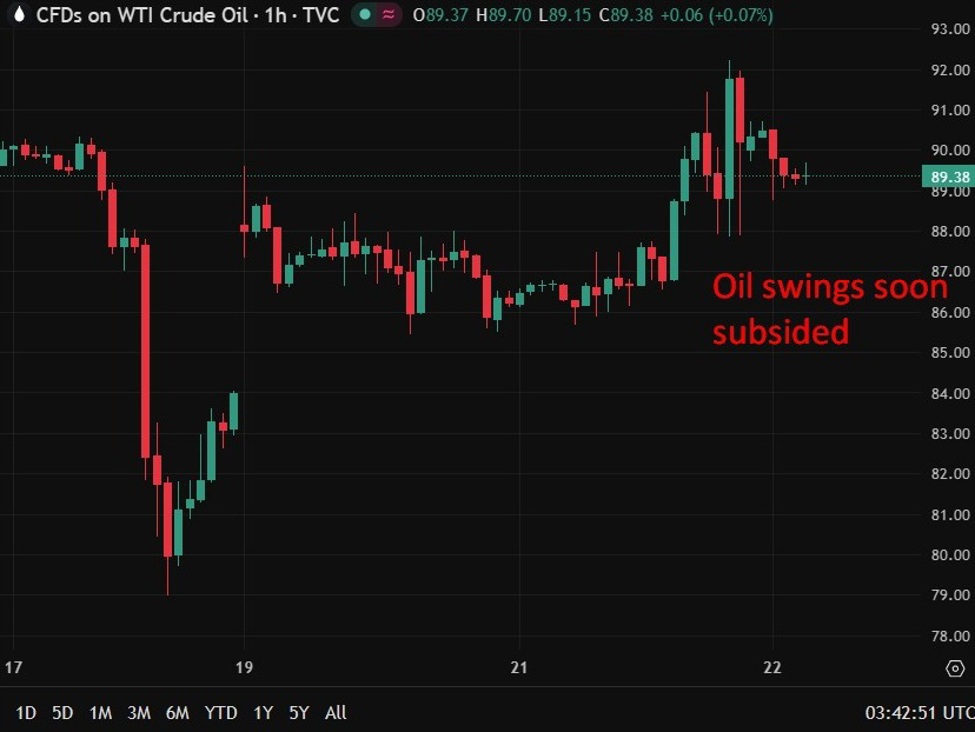
Geopolitical tensions surrounding U.S.-Iran cease-fire negotiations are creating immediate operational and financial headwinds for cross-border e-commerce sellers, particularly those sourcing inventory from Asia-Pacific regions or shipping through critical maritime corridors. As of April 22, 2026, oil futures climbed above $95 per barrel amid uncertainty over the Strait of Hormuz—the world's most critical shipping lane handling 21% of global petroleum trade. Commercial vessels reported attacks near the strait, and the U.S. military seized sanctioned Iranian oil tankers, creating supply chain bottlenecks that directly impact freight costs and delivery timelines for sellers.
For cross-border sellers, the immediate financial impact manifests across three critical dimensions: First, logistics cost compression is accelerating. Rising oil prices directly increase bunker fuel surcharges on ocean freight, typically adding 8-15% to shipping costs for sellers moving containers from Shanghai, Hong Kong, or Singapore to North America and Europe. A standard 40-foot container from Asia to US West Coast (normally $2,500-3,200) could increase to $2,700-3,680 within 30-60 days if Strait disruptions persist. Second, currency volatility is creating FX headwinds. The Singapore dollar strengthened to S$1.2726 against the USD, while Asian equities advanced on peace deal hopes—but DBS analysts warn of "asymmetrical downside risks" if negotiations fail. Sellers with SGD/HKD cost bases face margin compression when converting to USD revenues, particularly for low-margin categories (apparel, electronics) where 2-3% FX swings eliminate profitability. Third, working capital cycles are extending. Shipping delays through the Strait (potentially adding 5-10 days to transit times) compress cash conversion cycles, forcing sellers to hold inventory longer before converting to cash. For sellers with $500K-$2M inventory positions, a 10-day delay represents $13,700-$54,800 in additional working capital tied up.
Strategic financial opportunities exist for sellers willing to act immediately: Sellers should lock in forward freight agreements (FFAs) with 3PL providers within 7-14 days before rates spike further—securing 60-90 day rate locks can save $400-800 per container. For sellers with Asian cost bases (manufacturing in Vietnam, Thailand, India), this is the optimal window to execute FX hedging strategies, locking in USD/SGD/INR rates before further volatility. Invoice financing and supply chain finance products (offered by providers like Tradeshift, Fintech Acquisition Corp, and traditional factors) are pricing aggressively to capture sellers facing working capital pressure—APR rates of 4-8% are available for sellers with $1M+ annual revenue and clean payment histories. Sellers should also evaluate inventory financing against current rates; a $1M inventory loan at 6% APR costs $60K annually but unlocks immediate cash to capitalize on demand spikes or negotiate better supplier terms.
Questions 8
How should I adjust pricing strategy during shipping cost volatility?
Implement dynamic pricing tied to shipping indices. Use Freightos Baltic Index or Drewry Container Index to adjust prices weekly or bi-weekly. For sellers with 30-40% gross margins, a 10% shipping cost increase requires 3-4% price increases to maintain margin. Test price elasticity: raise prices 2-3% on low-elasticity categories (essentials, bestsellers) and absorb costs on price-sensitive categories. Use Amazon/eBay dynamic pricing tools to test price points. Monitor competitor pricing—if competitors raise prices 5-8%, you have room to match. Lock in supplier costs via long-term contracts to stabilize your cost base while passing through shipping volatility to customers.
What financing products offer the best terms for sellers facing cash flow pressure?
Supply chain finance (SCF) offers 3-6% APR for sellers with $1M+ annual revenue and clean payment histories—best for working capital gaps. Invoice factoring (4-8% APR) provides fastest access (24-48 hours) but costs more. Inventory financing (6-8% APR) works if you have unencumbered stock. For sellers with strong credit, trade credit insurance (0.5-1.5% of transaction value) protects against supplier default during geopolitical uncertainty. Compare: a $500K working capital need costs $15K-40K annually depending on product. Evaluate providers like Tradeshift, Fintech Acquisition Corp, and traditional factors. Negotiate volume discounts if you commit to 12-month terms.