


Strait of Malacca Shipping Crisis | Cross-Border Sellers Face 5-15% Cost Surge
- US-China Pacific tensions threaten 33% of global maritime trade; Singapore-Malaysia diplomatic rift creates supply chain uncertainty for 6,000+ American companies and Asia-Pacific e-commerce sellers











Overview
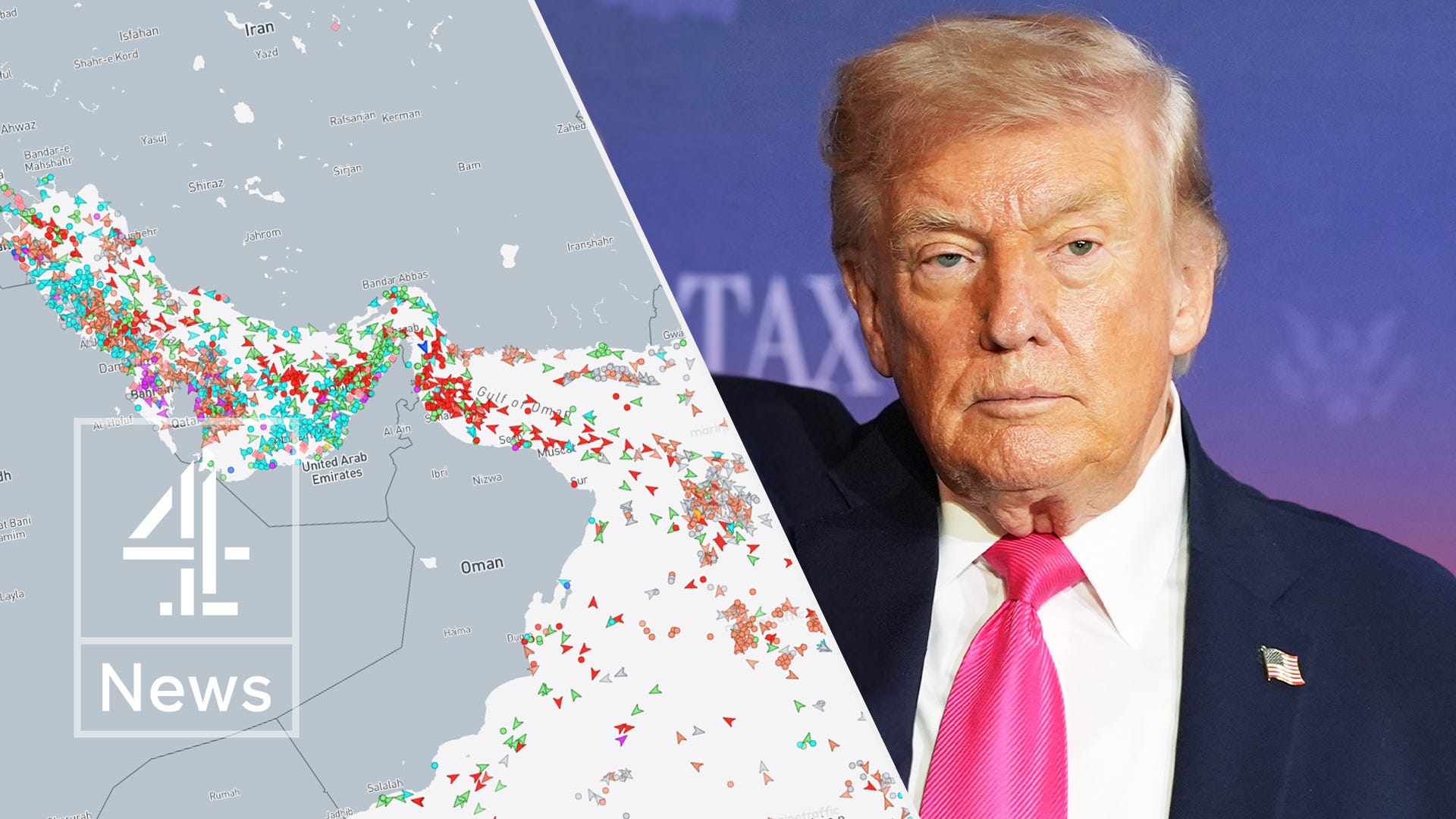
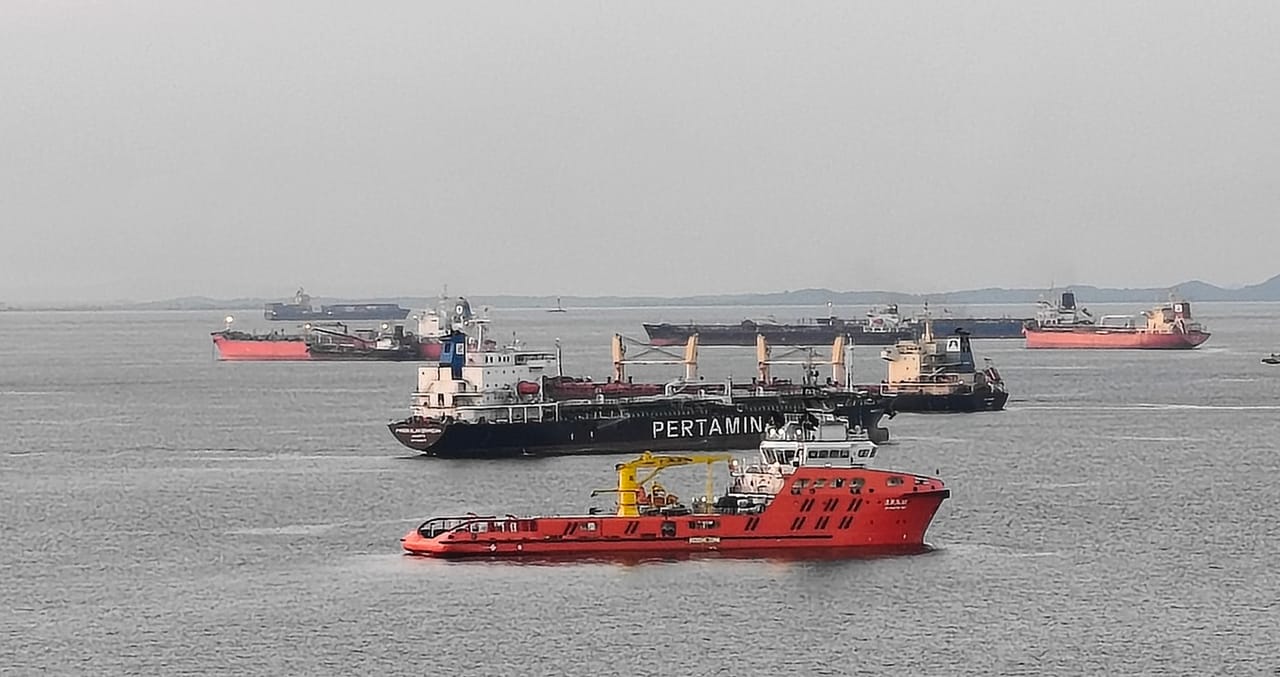
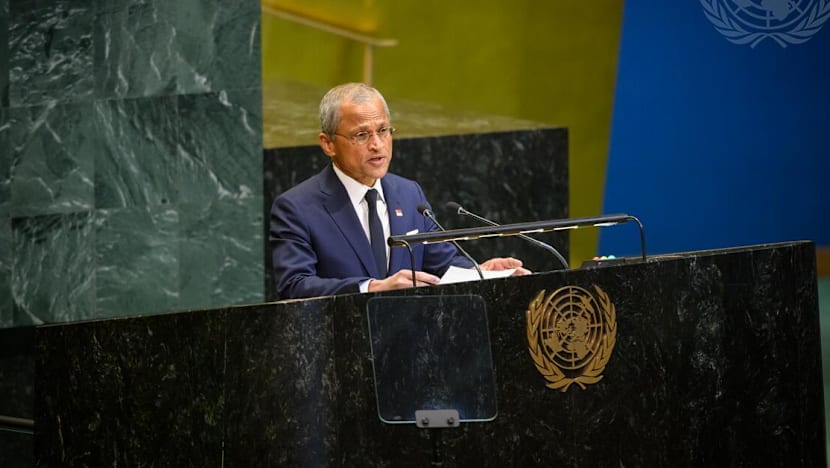
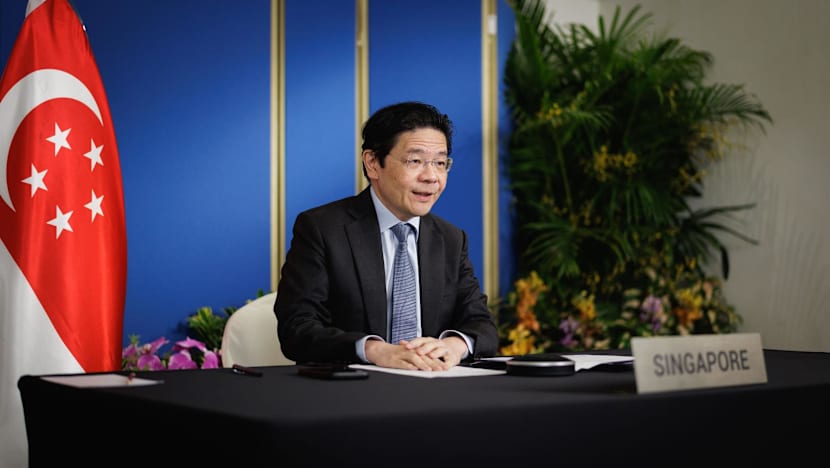
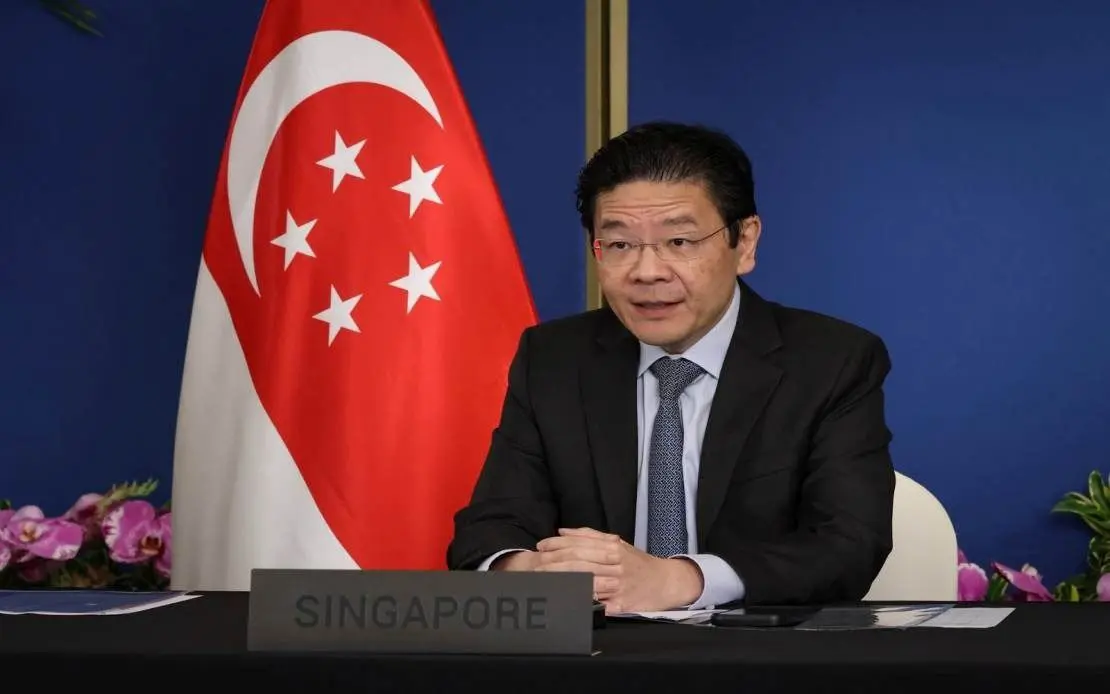
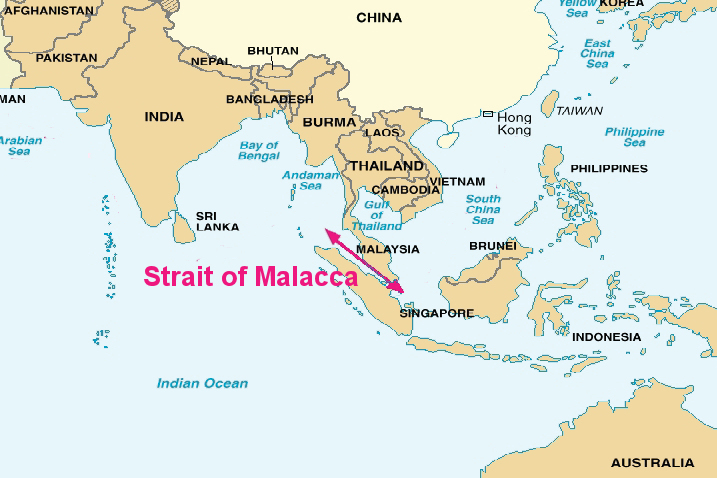
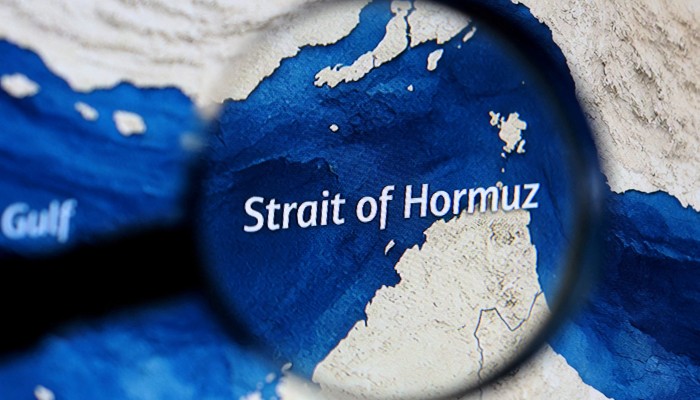
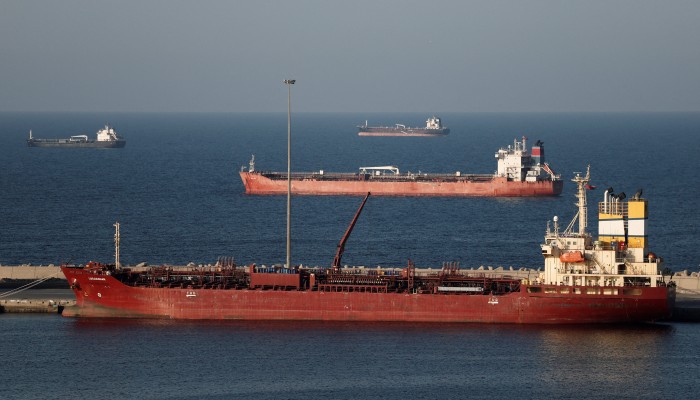
Critical maritime chokepoint vulnerability threatens cross-border e-commerce logistics networks. Singapore Foreign Minister Vivian Balakrishnan warned on April 22, 2026, that potential US-China military conflict in the Pacific would severely disrupt shipping routes, with the Strait of Malacca emerging as the primary vulnerability. The Strait—measuring just 2 nautical miles at its narrowest point versus Hormuz's 21 nautical miles—handles approximately one-third of global maritime trade and carries more oil traffic than Hormuz. This geopolitical instability directly impacts cross-border e-commerce sellers, particularly those operating between Asia-Pacific and European markets.
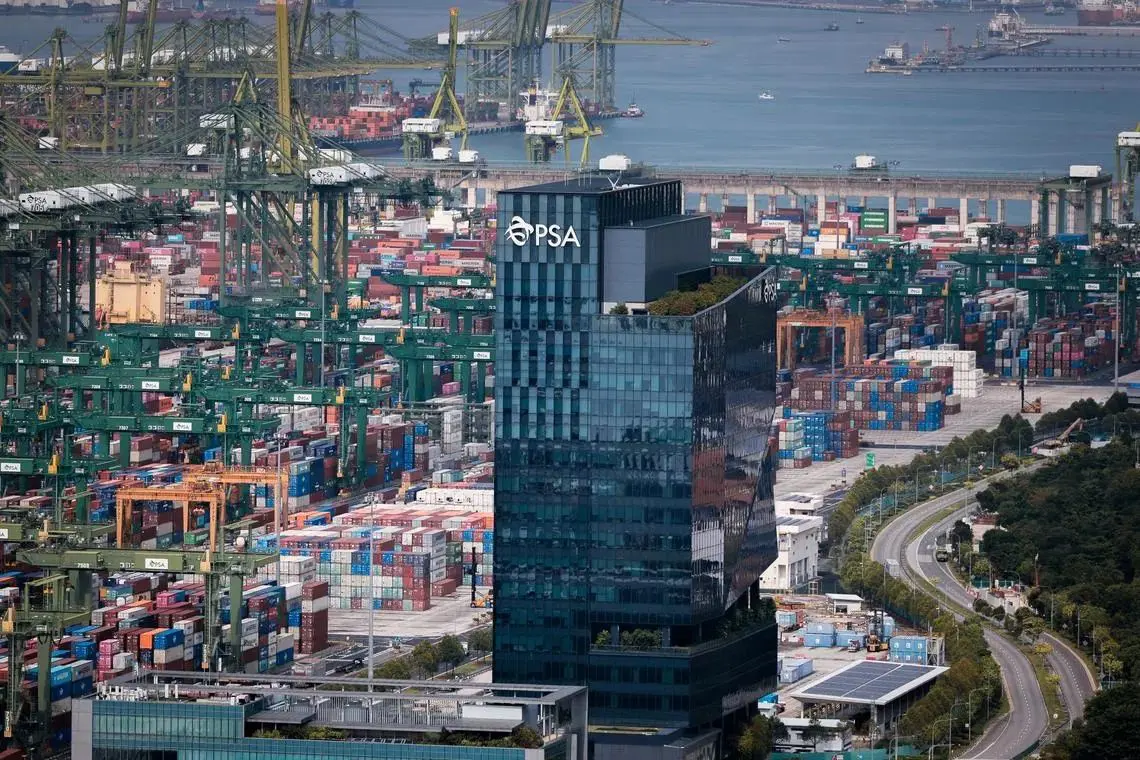
Supply chain cost pressures are immediate and quantifiable. The news reports that increased insurance premiums and longer transit times could raise operational costs by 5-15% for affected shipments routing through the Strait. For sellers importing goods from Middle Eastern suppliers or exporting to European markets via this corridor, the financial impact is substantial. Singapore processes approximately 137,000 vessels annually, hosting 6,000 American companies and serving as China's largest foreign investment destination. The diplomatic tension between Singapore and Malaysia—sparked by April 7, 2026 parliamentary debate over whether Singapore should negotiate with Iran for safe passage (as Malaysia reportedly has)—creates additional uncertainty around maritime security protocols and regional logistics coordination.
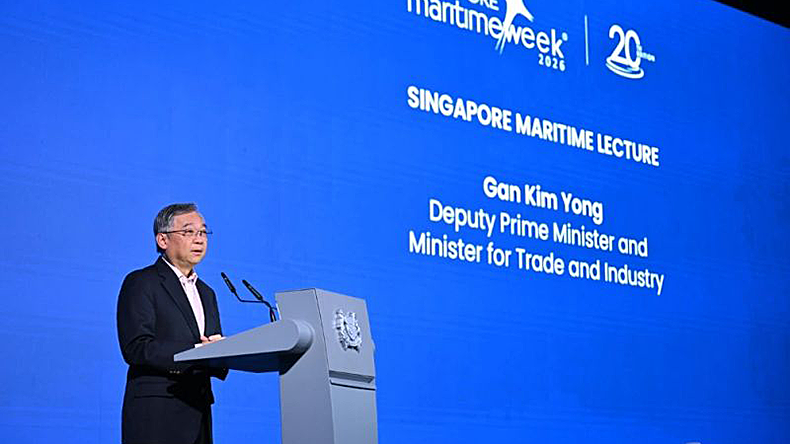
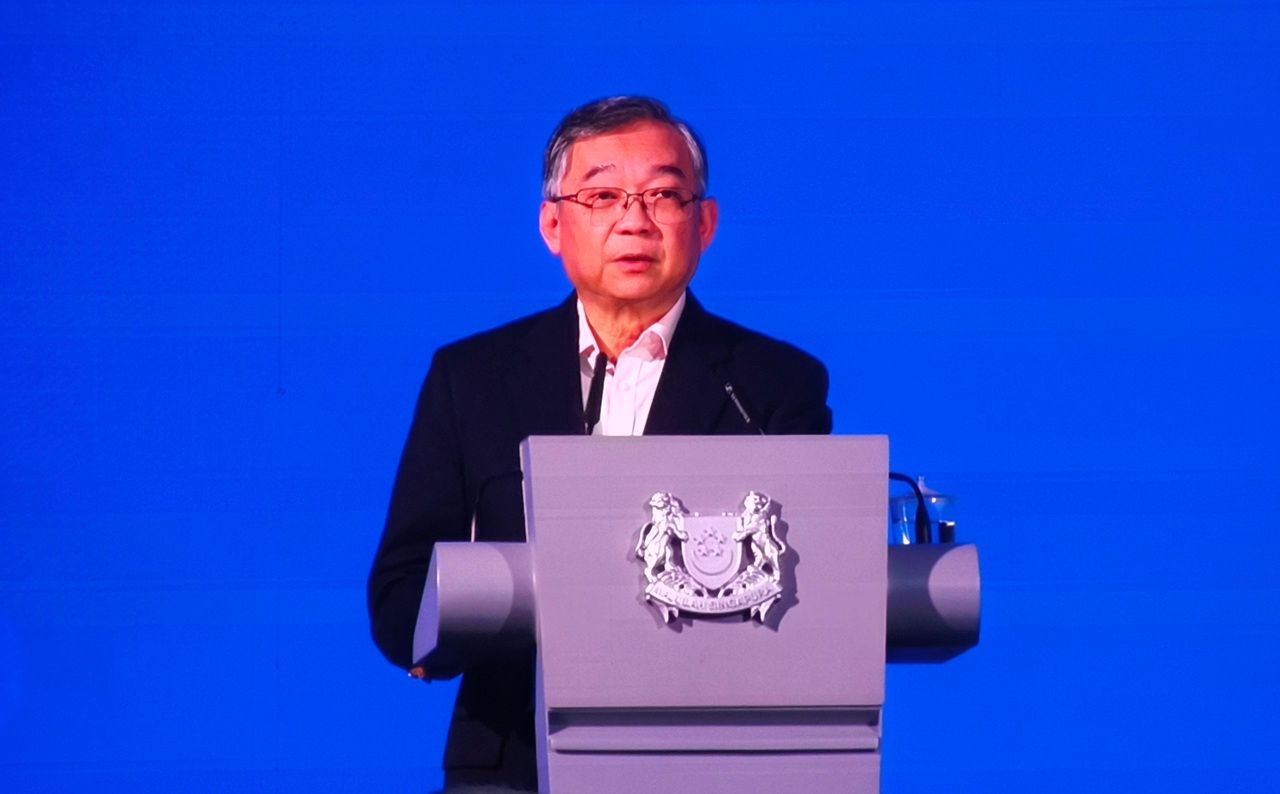
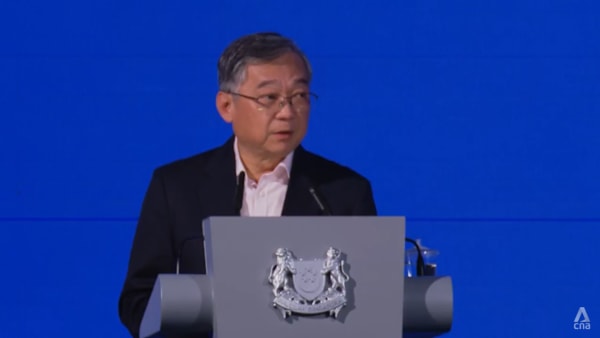
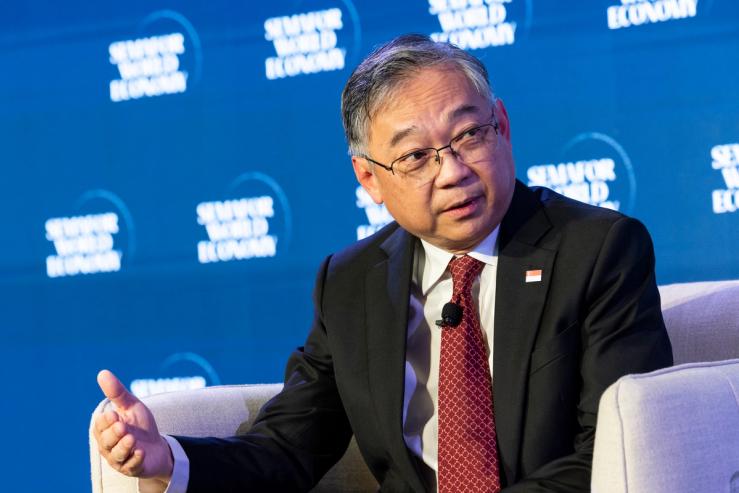
Tariff arbitrage and sourcing strategy implications emerge from policy divergence. Indonesia's Finance Minister announced exploration of levy proposals on Strait of Malacca vessels, though implementation remains unlikely due to littoral state coordination challenges. However, the threat of toll collection creates a precedent risk: if Iran successfully implements Hormuz tolls and other nations follow suit, sellers face a new cost layer on Asia-Europe trade corridors. Singapore Deputy Prime Minister Gan Kim Yong announced expansion into trust-based services including risk management and AI governance, positioning Singapore as a regional hub for secure commerce. This signals opportunity for sellers to leverage Singapore-based 3PL providers offering enhanced supply chain visibility and geopolitical risk mitigation services.
Competitive advantage shifts toward sellers with diversified logistics networks. Sellers relying on just-in-time inventory models face heightened risk exposure, while those maintaining 15-20% safety stock buffers can absorb transit delays. The Strait of Malacca's criticality—handling more maritime oil traffic than Hormuz—means energy-intensive product categories (electronics, machinery, chemicals) face disproportionate cost increases. Sellers should evaluate alternative routing through Indian Ocean ports or air freight for high-margin, time-sensitive products. The window for strategic repositioning is 60-90 days before potential escalation, as Balakrishnan noted that key economic indicators (stock markets, bond yields) have not reached critical inflection points, suggesting neither US nor China leadership is currently panicking despite rhetorical posturing.
Questions 8
What does Indonesia's proposed Strait of Malacca levy mean for sellers?
Indonesian Finance Minister Purbaya Yudhi Sadewa announced exploration of levy proposals on Strait of Malacca vessels, though implementation remains unlikely due to complexity in securing littoral state agreement and potential global shipping industry resistance. However, this signals a dangerous precedent: if Iran successfully implements Hormuz tolls and Indonesia follows suit, sellers face a new cost layer on Asia-Europe trade corridors. The threat is real even if implementation is delayed. Sellers should treat this as a potential 2-5% additional cost on top of existing 5-15% increases from disruption risks. Advocate for UNCLOS enforcement through industry associations; diversify routing to avoid toll-vulnerable corridors; and maintain relationships with Singapore-based logistics providers who can navigate diplomatic complexities and potentially secure exemptions or preferential rates.
What is the timeline for potential Strait of Malacca disruptions affecting sellers?
Balakrishnan characterized both US and China presidents as calculated risk-takers, noting that key economic indicators (stock markets, bond yields) have not reached critical inflection points, suggesting neither leader is currently panicking. This indicates a 60-90 day window before potential escalation. However, the threat is not hypothetical: current Hormuz tensions already demonstrate vulnerability, and Indonesia's exploration of levy proposals on Strait vessels shows precedent for toll collection. Sellers should treat this as a medium-term risk (3-6 months) requiring immediate action: audit shipping routes, establish safety stock buffers (15-20% above normal levels), and evaluate alternative logistics providers. Monitor Singapore's diplomatic developments weekly as an early warning indicator.