



UK Government Accountability Crisis | Diplomatic Appointment Controversy Signals Policy Uncertainty for Cross-Border Sellers
- Political instability and civil service dysfunction create regulatory uncertainty affecting UK-US trade relations and cross-border e-commerce logistics corridors






















Overview
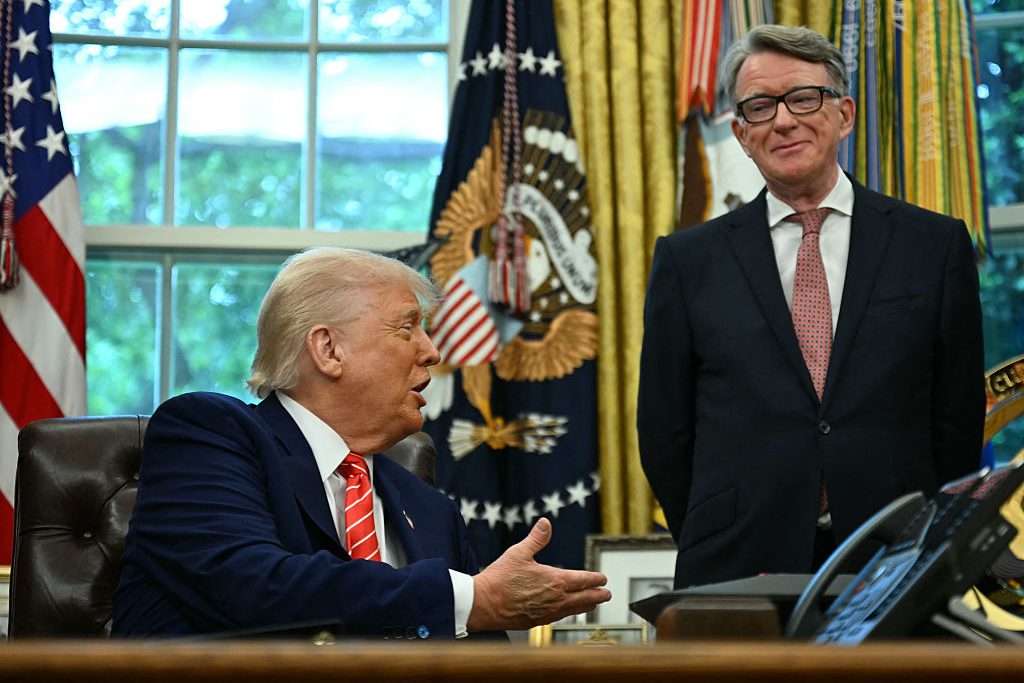
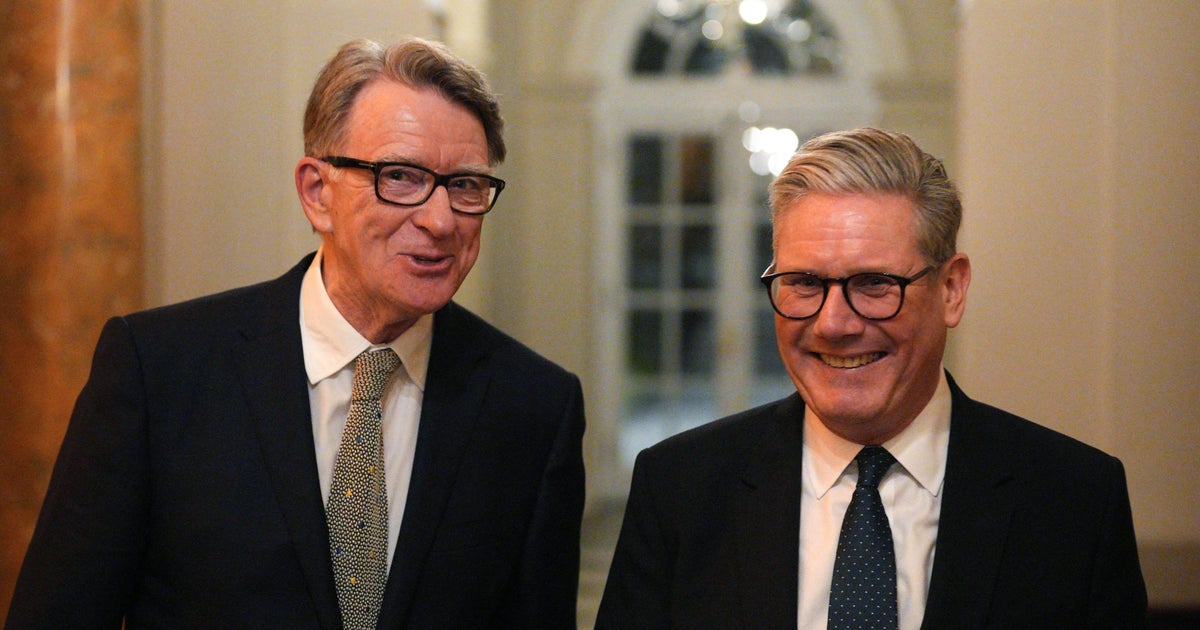
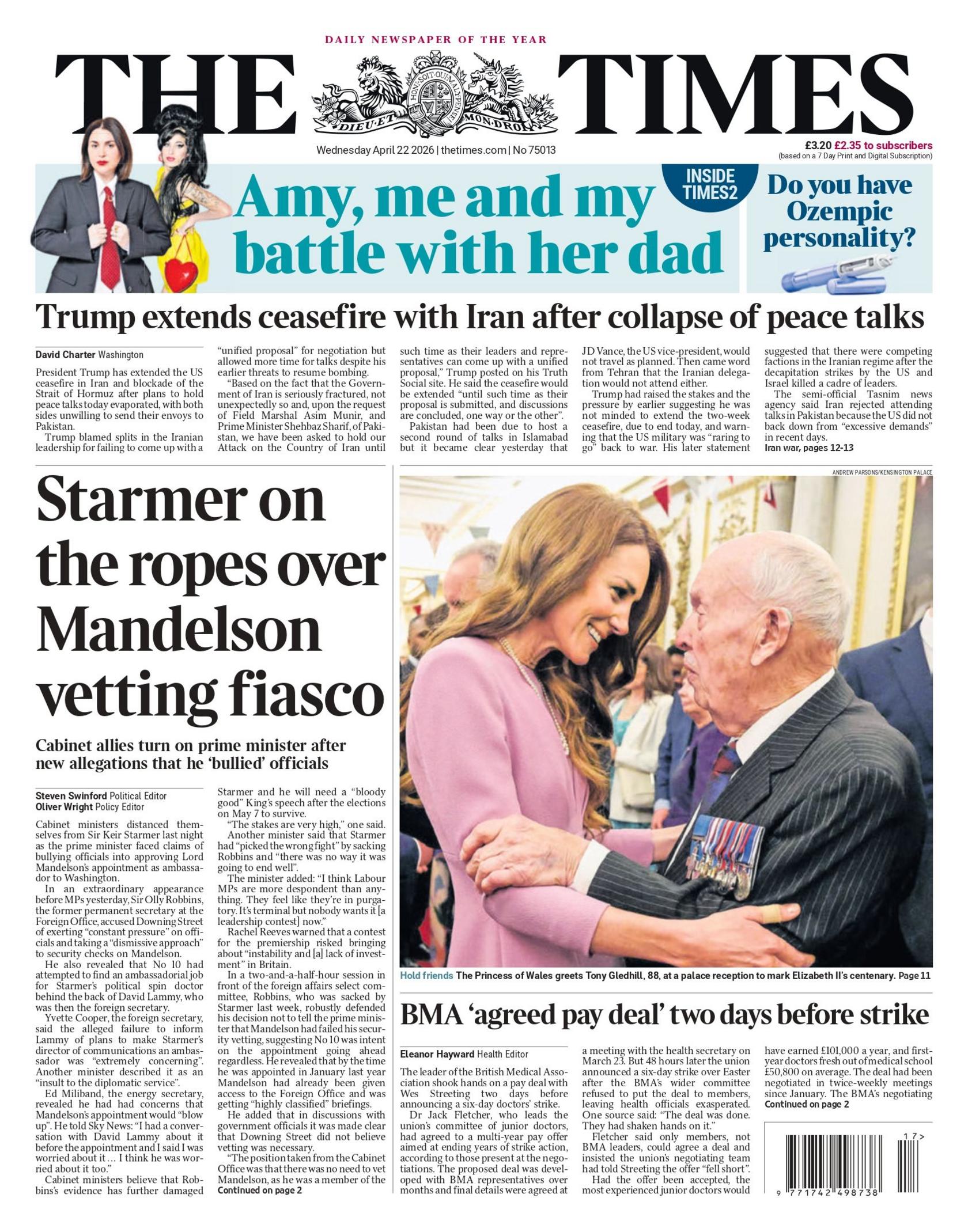
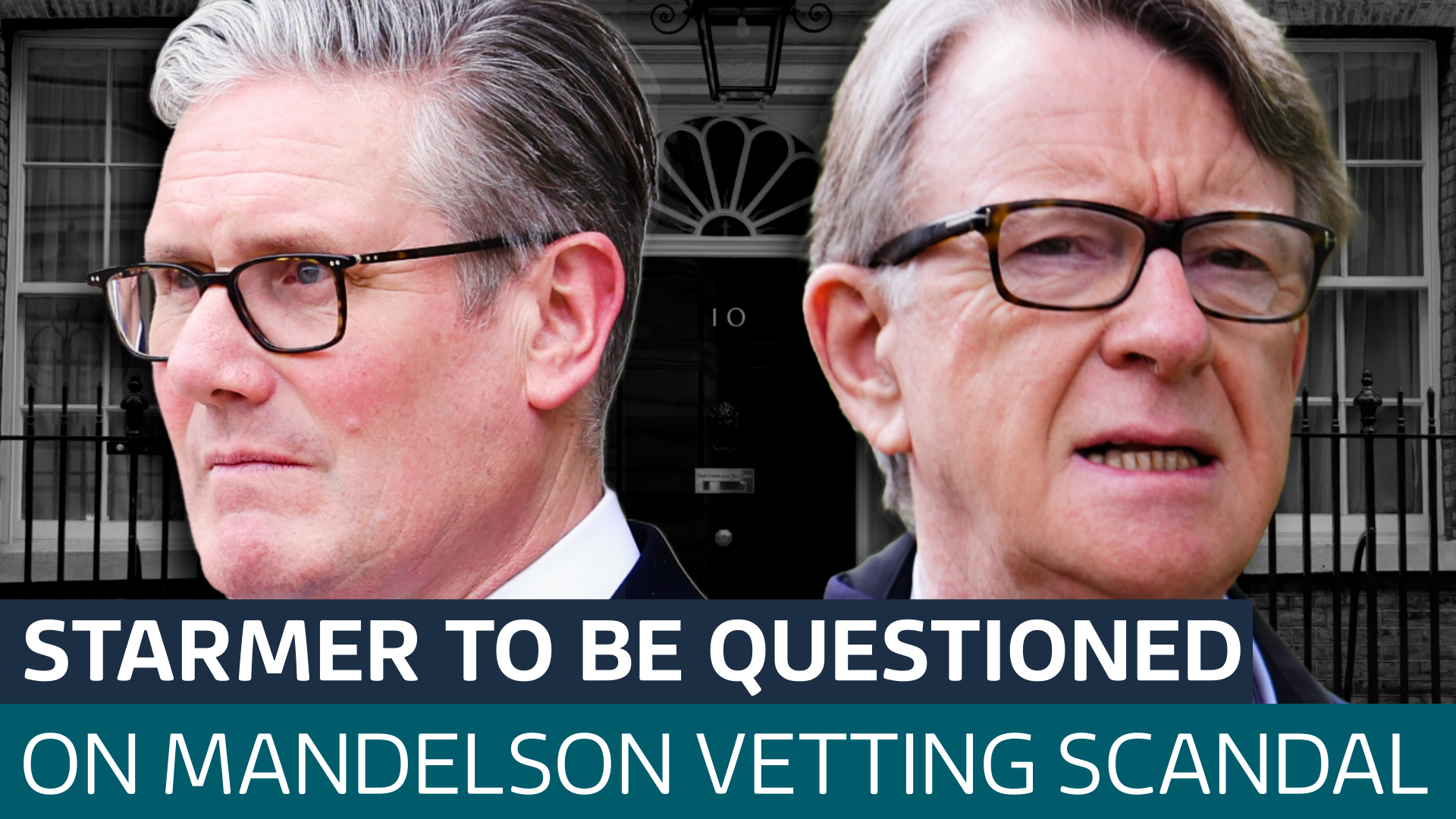
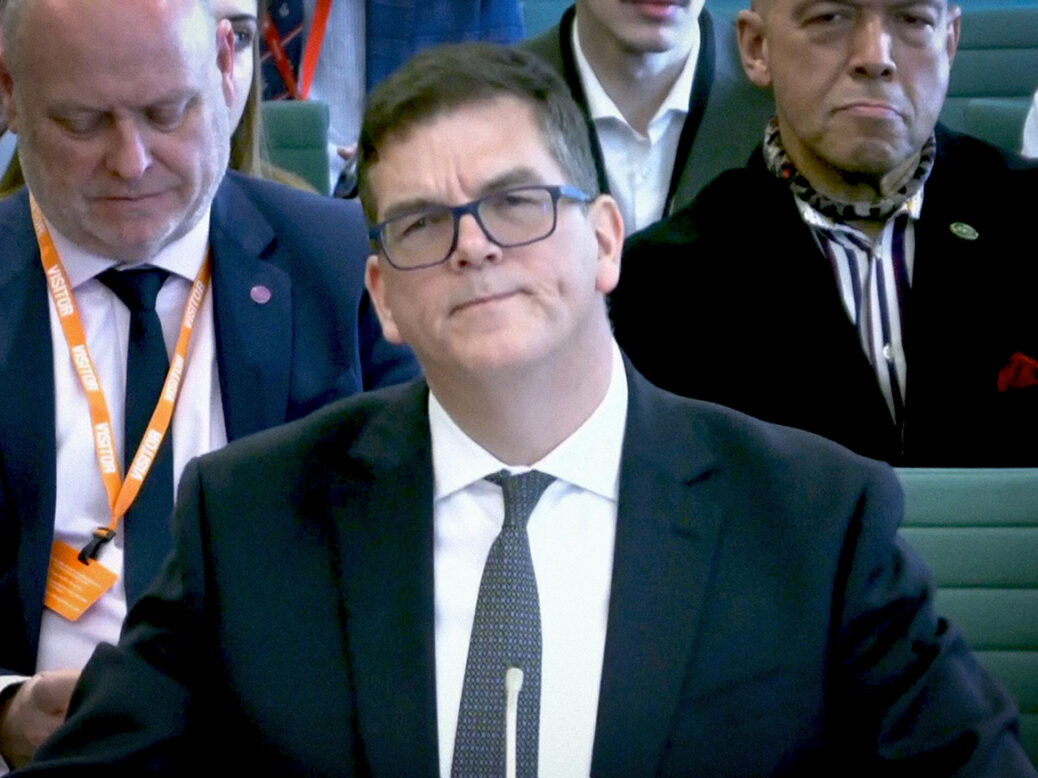
The UK political controversy surrounding Peter Mandelson's appointment as British ambassador to the US reveals significant governance dysfunction that indirectly impacts cross-border e-commerce sellers. While the news focuses on civil service vetting procedures and ministerial accountability, the underlying issue—breakdown in institutional processes and decision-making transparency—signals broader regulatory uncertainty that affects international trade infrastructure. Olly Robbins' parliamentary testimony documented how Downing Street bypassed established vetting protocols, raising questions about the reliability of UK government institutions managing trade policy, customs procedures, and regulatory frameworks that cross-border sellers depend on.
The governance crisis creates three indirect impacts for e-commerce sellers: First, political instability in the UK government typically precedes regulatory changes. When civil service independence is compromised, as evidenced by the dismissive attitude toward vetting procedures, it suggests the government may prioritize political convenience over institutional rigor in other areas—including trade policy, VAT compliance frameworks, and customs regulations. Sellers relying on stable UK regulatory environments face increased uncertainty about future policy direction. Second, the controversy involves the Foreign Office and diplomatic appointments, which directly oversee UK-US trade relations and bilateral agreements affecting cross-border commerce. Mandelson's appointment as ambassador to the US—despite procedural failures—places someone with significant influence over trade negotiations in a position where his legitimacy is questioned, potentially weakening UK negotiating positions on trade deals that benefit e-commerce logistics and tariff structures. Third, the institutional breakdown documented in the testimony reflects broader civil service capacity issues that affect regulatory implementation. Agencies responsible for customs clearance, VAT administration, and trade compliance may face similar resource constraints and political pressure, leading to inconsistent enforcement and delayed policy implementation.
For UK-based cross-border sellers, this political instability creates specific operational risks. The controversy demonstrates that established procedures can be overridden by political pressure, suggesting that regulatory protections sellers rely on—such as VAT compliance frameworks, customs procedures, and trade agreements—may be subject to sudden changes without proper institutional review. The Foreign Office's weakened position in this controversy may affect its ability to negotiate favorable trade terms with the US, potentially impacting tariff structures and logistics agreements that cross-border sellers depend on. Additionally, the civil service dysfunction revealed in the testimony suggests that regulatory agencies may experience similar institutional pressures, leading to inconsistent application of rules and potential compliance surprises. Sellers should monitor UK government stability indicators and trade policy developments closely, as the institutional breakdown documented here often precedes regulatory shifts.
Questions 7
How might this controversy affect UK trade negotiations with other countries?
The Mandelson appointment controversy weakens the UK's institutional credibility in trade negotiations. When a government bypasses established procedures and appoints someone to a critical diplomatic role despite procedural failures, it signals institutional dysfunction to trading partners. This typically results in less favorable negotiating positions and slower trade agreement progress. For cross-border sellers, this matters because trade agreements directly affect tariff structures, rules of origin, and customs procedures. A weakened UK negotiating position could result in higher tariffs, more restrictive rules of origin, or more complex customs procedures—all increasing costs for sellers. The controversy also suggests the UK government may prioritize political convenience over institutional rigor in trade policy, creating unpredictability. Sellers should monitor trade negotiation progress with key markets and consider diversifying their market exposure to reduce dependence on any single trade agreement.
What specific risks does this controversy create for UK-based sellers?
The Mandelson vetting controversy creates three specific risks for UK-based sellers: First, regulatory protections sellers rely on—VAT frameworks, customs procedures, trade agreements—may be subject to sudden changes without proper institutional review, as demonstrated by the government's willingness to bypass established vetting protocols. Second, the Foreign Office's weakened institutional position may result in less favorable trade negotiations with the US, affecting tariff structures and logistics agreements. Third, civil service dysfunction may lead to inconsistent application of compliance rules, creating unexpected penalties or delays. Sellers should establish contingency plans for regulatory changes, diversify their logistics corridors to reduce dependence on UK-US trade agreements, and maintain close monitoring of government policy announcements. Consider consulting with trade compliance specialists to understand potential regulatory scenarios.