
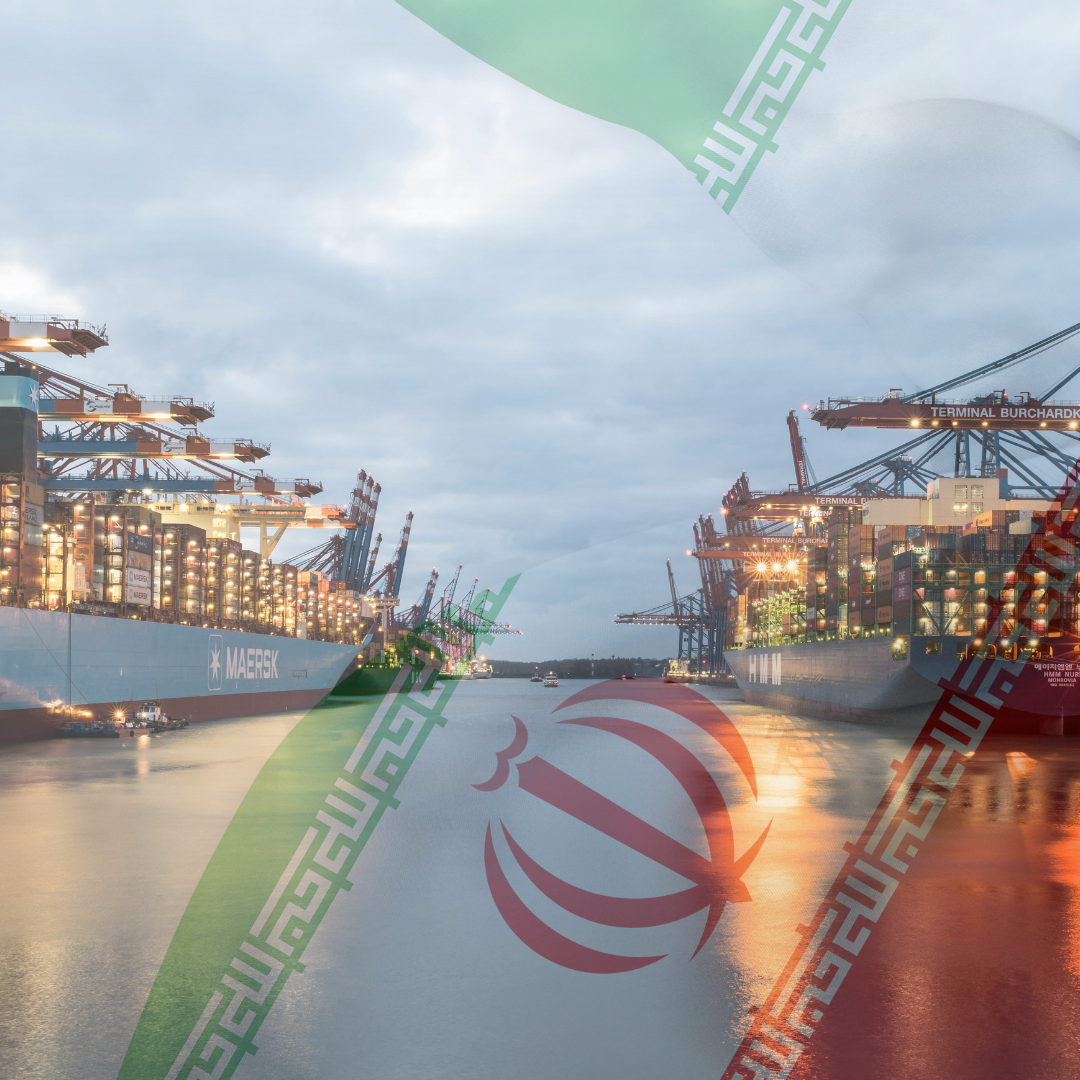
Iran Conflict Trade Shock | Asia-Pacific Sellers Face Energy Cost Surge
- Prolonged Middle East tensions create 5-8% freight cost increases for Asia-Pacific sourcing; diversified supply chains now critical competitive advantage
Overview
Oxford Economics' April 22, 2026 analysis reveals a critical supply chain vulnerability: prolonged Iran conflict generates sustained oil-supply shocks with severe implications for cross-border e-commerce sellers. The research, analyzing 120 economies and 1,200 products, identifies Asia-Pacific importers as highest-risk due to direct exposure to Gulf Cooperation Council energy exports. Australia, New Zealand, and the Philippines face particular vulnerability through both direct energy dependence and indirect exposure via regional refining hubs.
For e-commerce sellers, the energy shock creates two distinct cost pressures. First, energy-dependent manufacturers in Asia-Pacific regions face elevated production costs, directly increasing landed costs for sellers sourcing electronics, appliances, textiles, and machinery from China, Vietnam, India, and Indonesia. Second, while freight indices remain "broadly stable" according to the report, higher fuel costs are expected to push ocean freight rates up 5-8% in the near term—modest compared to 2021-2022 disruptions but still material for sellers operating on 15-25% margins. Air freight, more fuel-sensitive, could see 8-12% increases. The report emphasizes that supply-chain structure determines vulnerability exposure, meaning sellers with single-source Asian suppliers face 2-3x greater cost risk than those with diversified sourcing.
Immediate logistics implications demand strategic action. Sellers currently sourcing from energy-dependent regions (Southeast Asia, India, Middle East) should expect 3-6 week delivery delays and 8-15% cost increases on landed goods. Sellers shipping through Asia-Pacific ports (Shanghai, Singapore, Port Klang) face modest rate increases but potential congestion if energy disruptions accelerate. The report notes shipping networks have "adjusted following earlier disruptions," suggesting carriers have capacity buffers—but this advantage erodes if geopolitical tensions escalate. Sellers with flexible logistics networks and diversified sourcing are positioned to weather disruptions, while those dependent on single Asian suppliers or oil-intensive fulfillment models face margin compression.
Strategic repositioning is essential. Sellers should immediately audit supply chains by product category: high-margin items (electronics, machinery) warrant sourcing diversification to non-energy-dependent regions (Mexico, Eastern Europe, Vietnam alternatives); lower-margin categories (textiles, basic goods) may absorb modest cost increases. Inventory strategy should shift toward 60-90 day stock buffers in US/EU warehouses before Q2 2026, reducing reliance on just-in-time Asian sourcing. Consider 3PL providers in Mexico and Eastern Europe as alternatives to Asia-Pacific fulfillment, reducing exposure to energy-driven cost volatility. Sellers shipping to Australia, New Zealand, Philippines should expect 15-20% cost increases and plan pricing adjustments accordingly.
Questions 8
Should sellers shift to air freight to avoid ocean freight delays from Iran conflict?
The Oxford Economics report indicates ocean freight remains the primary cost-effective channel despite modest rate increases (5-8%). Air freight, while faster, faces higher fuel surcharges (8-12% increases) and costs 4-6x more than ocean freight. For time-sensitive categories (electronics, fashion), air freight may be justified for 10-15% of inventory, but bulk sourcing should remain ocean-based. Sellers should optimize by using air freight selectively for high-velocity SKUs and maintaining ocean freight for slower-moving inventory. The report notes shipping networks have adjusted capacity, suggesting ocean freight delays are manageable (3-4 weeks vs. normal 2-3 weeks) without air freight premium.
How should sellers diversify sourcing away from vulnerable Asia-Pacific regions?
The Oxford Economics analysis covering 120 economies and 1,200 products identifies Mexico, Eastern Europe, and Vietnam alternatives as lower-energy-risk sourcing regions. For electronics and machinery, consider Mexico (USMCA advantage, lower energy costs) and Eastern Europe (Poland, Czech Republic). For textiles, Vietnam offers lower energy dependence than China/India. For basic goods, Mexico provides nearshoring advantages. Sellers should conduct landed cost analysis by region: Mexico typically adds 2-4 weeks lead time but reduces energy exposure by 60-70%; Eastern Europe adds 3-5 weeks but offers 50-60% energy cost reduction. Implement phased diversification: 20-30% to alternative regions in Q2 2026, scaling to 40-50% by Q4 2026.