



Silicon Sovereignty Rises: How the Pax Silica Alliance Reshapes Global Tech Geopolitics
- A strategic realignment of technological power dynamics challenging China's global technological dominance


)













-693b8bc81a134.jpg)


Overview
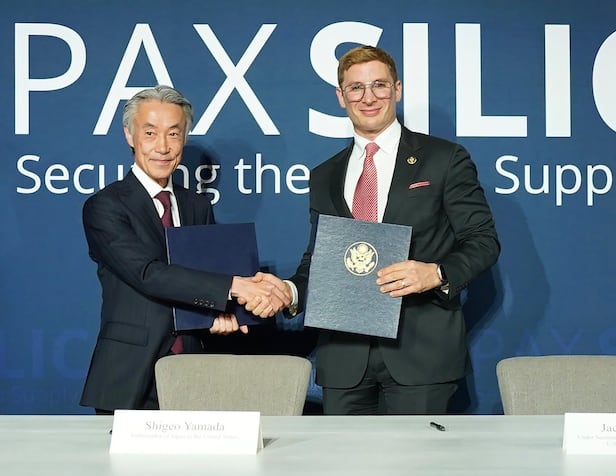
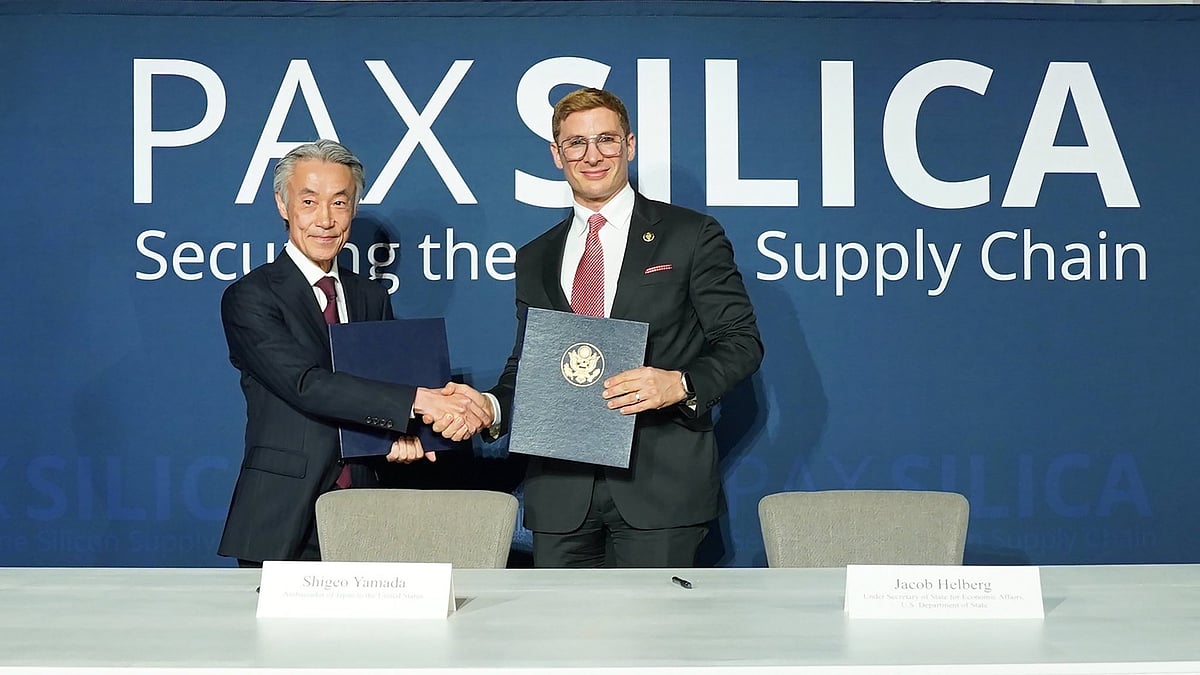
The Pax Silica Initiative represents a watershed moment in global technological strategy, signaling a profound geopolitical recalibration around silicon-based infrastructure and technological sovereignty. By assembling eight technologically advanced nations, the United States has engineered a strategic coalition designed to fundamentally restructure global technology supply chains, explicitly targeting China's current technological hegemony.
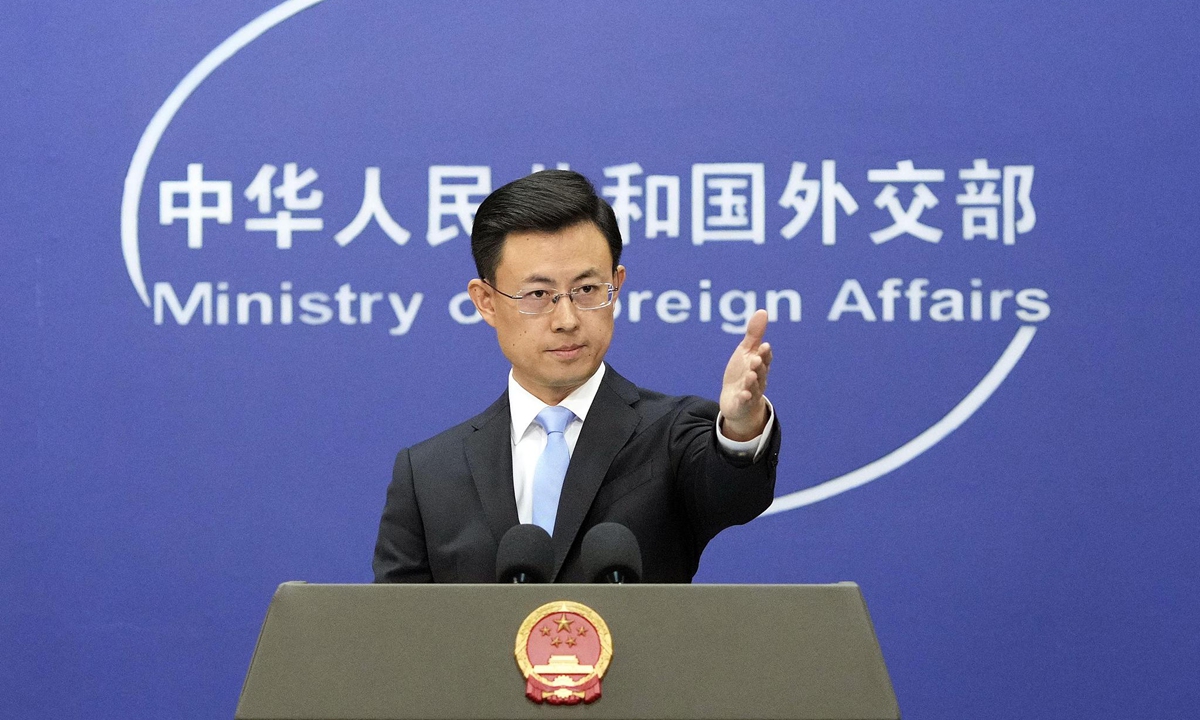
Technological Decoupling as Strategic Imperative: With China controlling nearly 70% of global rare earth mining, this initiative represents a calculated move to diversify and secure critical technological resources. The alliance goes beyond traditional trade partnerships, organizing explicitly around compute, silicon, minerals, and energy as shared strategic assets. This marks a revolutionary approach where technology infrastructure is viewed not just as an economic resource, but as a national security imperative.
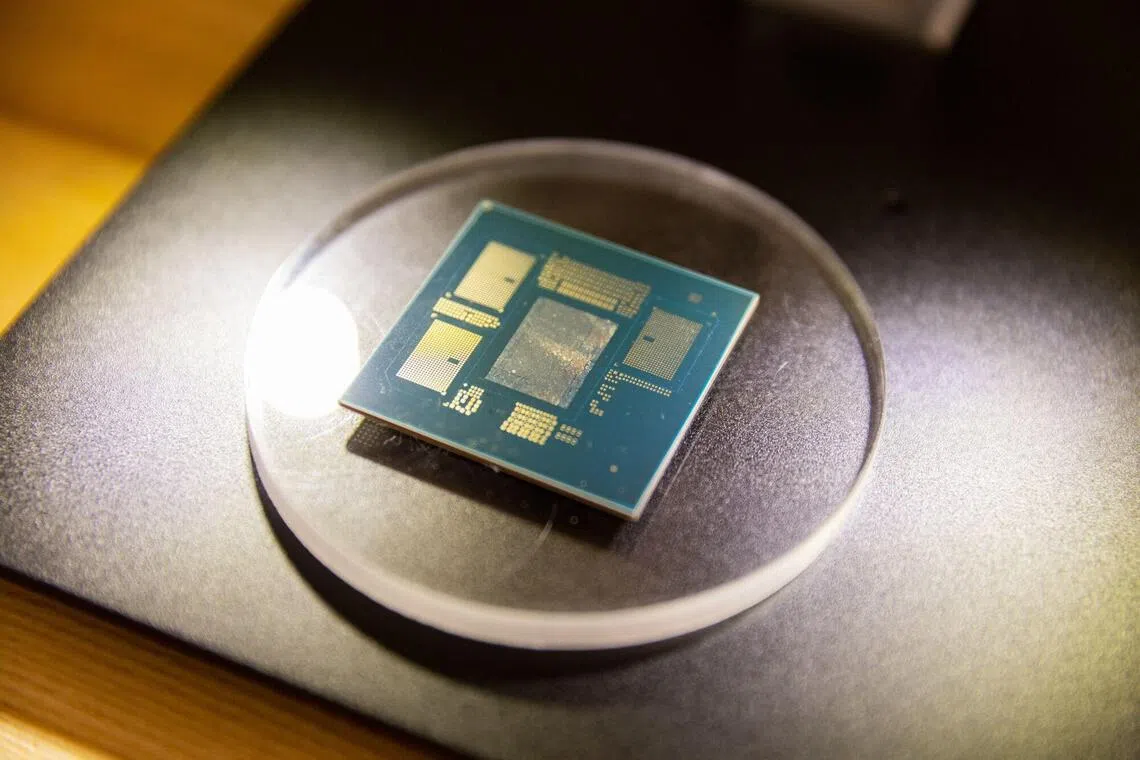
Supply Chain Resilience through Multilateral Collaboration: The initiative's participants—including Japan, South Korea, Singapore, Netherlands, United Arab Emirates, Australia, Israel, and the United States—collectively represent the world's most advanced technology ecosystems. By committing to joint projects across semiconductor design, minerals processing, and compute infrastructure, they are constructing a parallel technological universe less dependent on potentially unreliable sources.
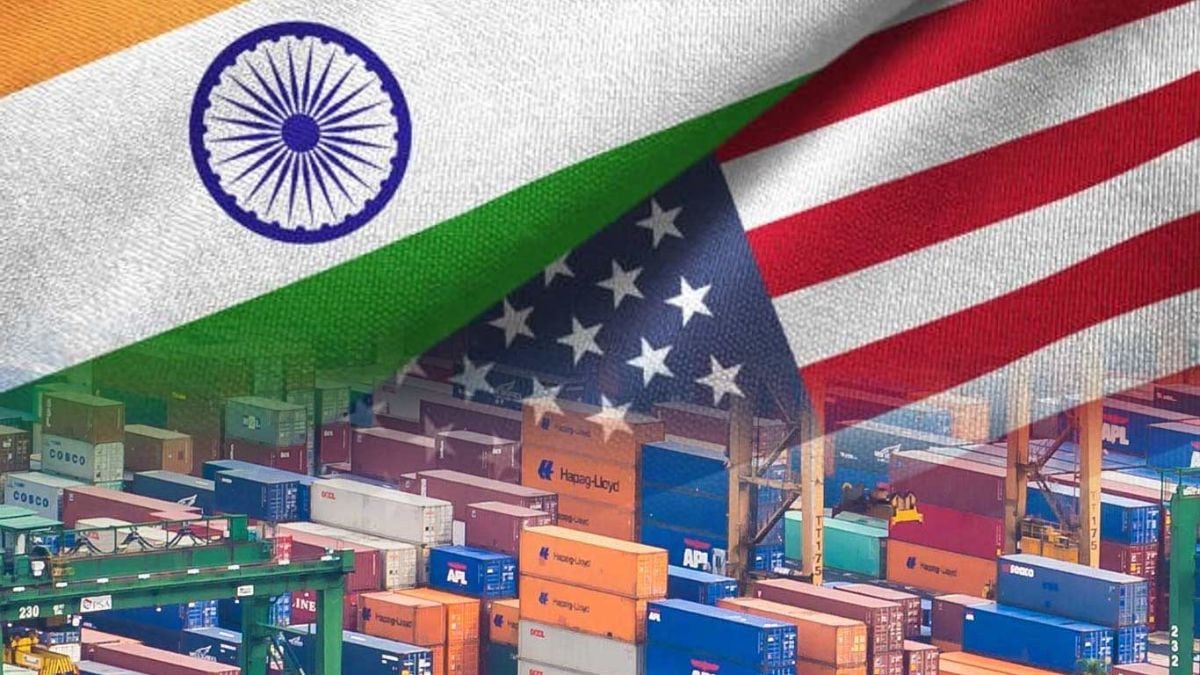
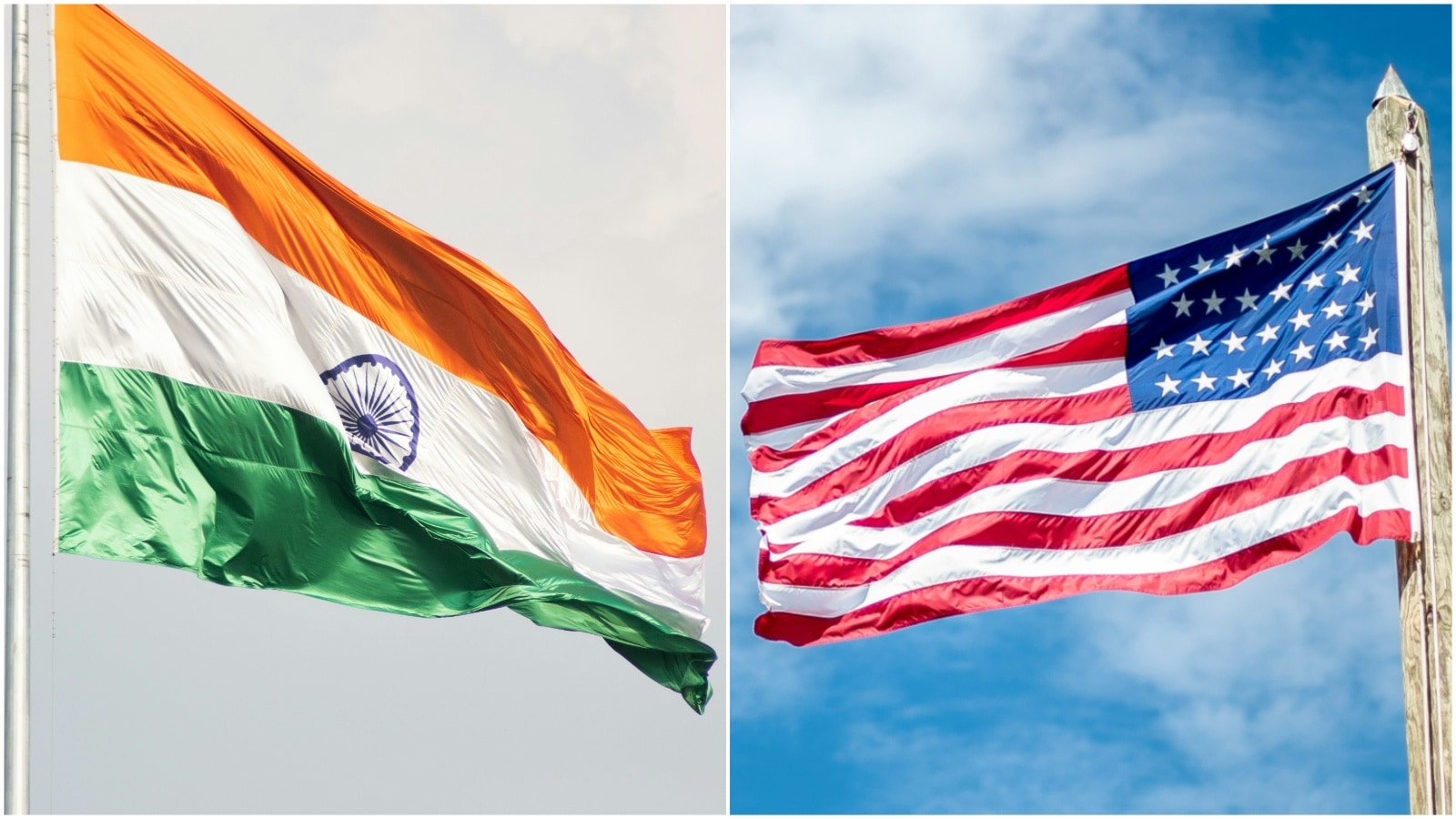
Geopolitical Signaling and Exclusionary Dynamics: The deliberate exclusion of India from this grouping is particularly noteworthy, coinciding with ongoing trade negotiations and signaling the complex diplomatic calculations underlying technological collaboration. This suggests that technological partnerships are becoming increasingly selective, with geopolitical alignment mattering as much as technological capability.
The Pax Silica nomenclature—drawing from historical terms like Pax Romana—symbolizes more than just a trade alliance. It represents an emerging economic order where technological capability, supply chain security, and strategic collaboration define national power in the AI-driven era. For global technology stakeholders, this signals a fundamental restructuring of how technological sovereignty will be conceived and constructed in the coming decades.
Questions 3
How does this initiative challenge China's technological dominance?
By bringing together eight technologically advanced nations controlling significant semiconductor and rare earth resources, the initiative aims to diversify supply chains away from China's current 70% control of rare earth mining. This creates a parallel technological ecosystem less dependent on Chinese infrastructure.
Why was India excluded from this technological alliance?
The exclusion appears linked to ongoing trade negotiations and potential geopolitical misalignments. It signals that technological partnerships are becoming increasingly selective, with strategic and diplomatic considerations playing a crucial role beyond pure technological capability.