



Middle East Conflict Escalation | Supply Chain Risk & Market Volatility for Cross-Border Sellers
- Geopolitical tensions affecting 3.3M Palestinians create humanitarian crisis, supply chain disruptions, and emerging market opportunities in education/relief product categories












Overview
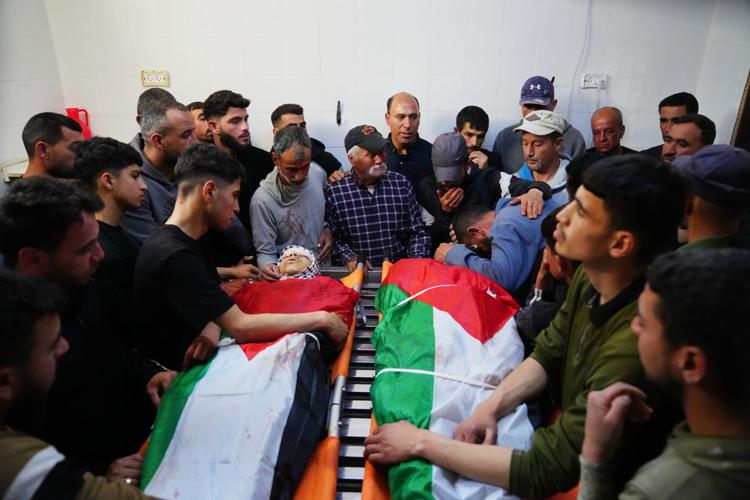
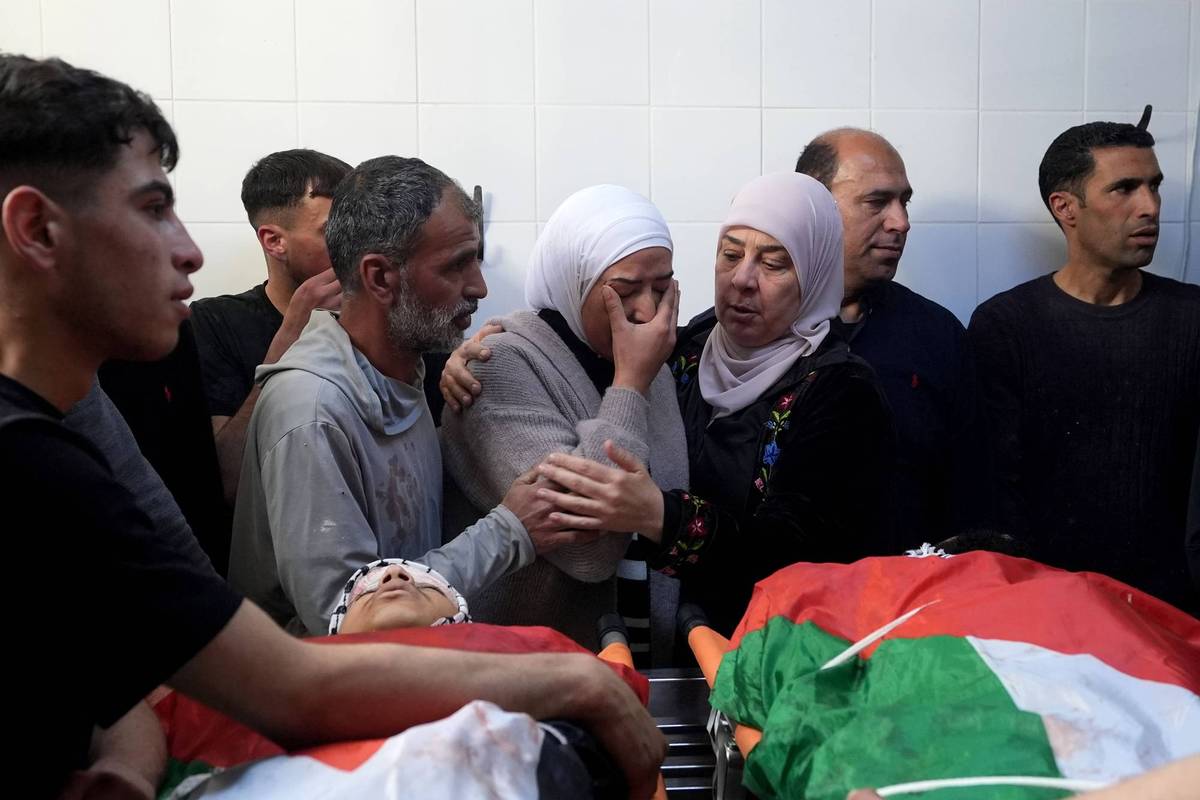
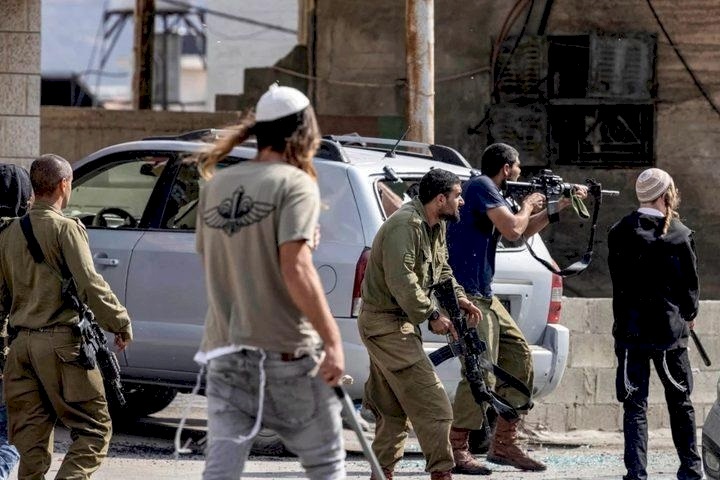
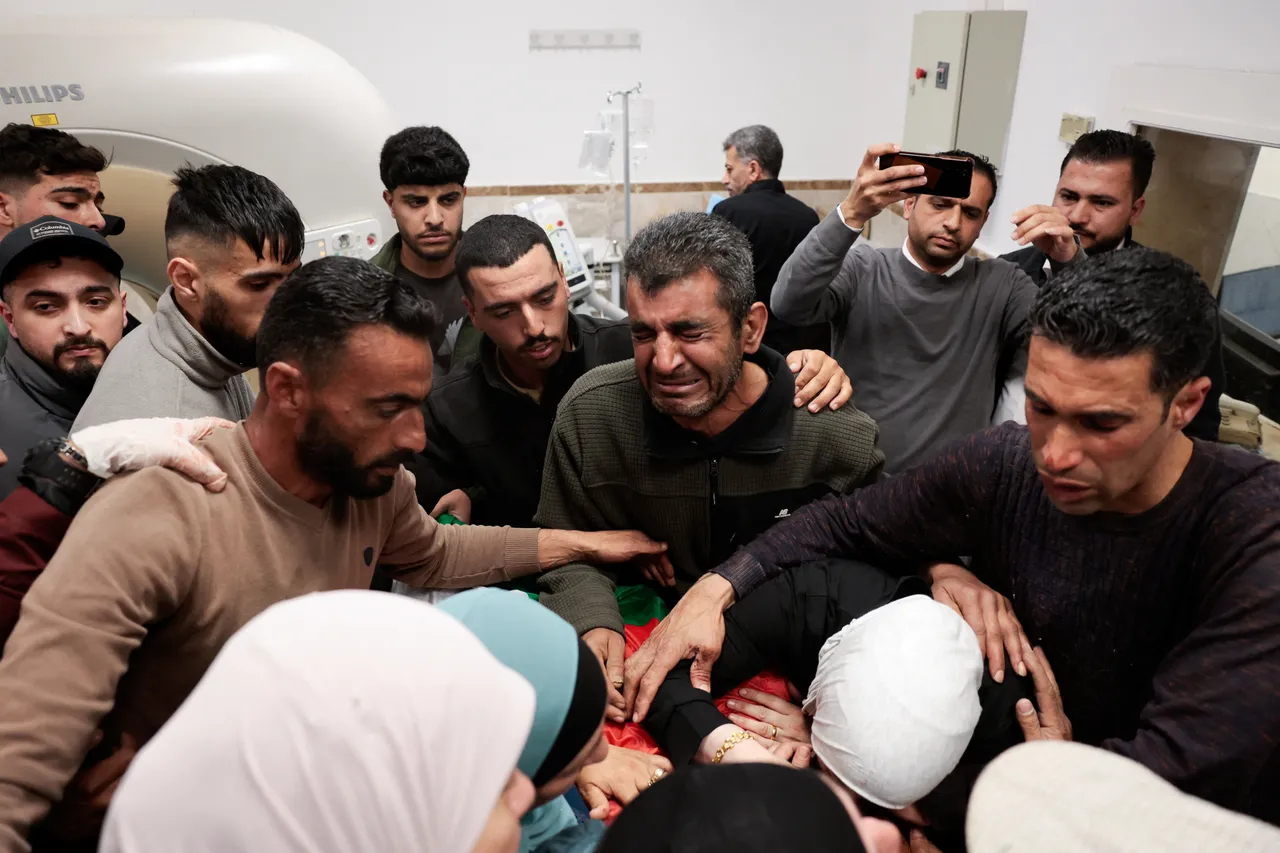
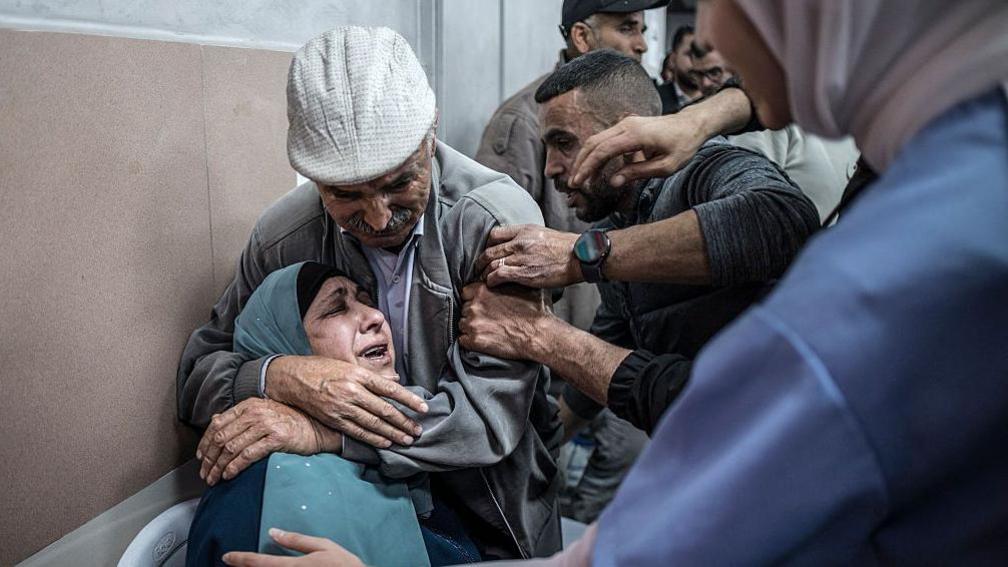
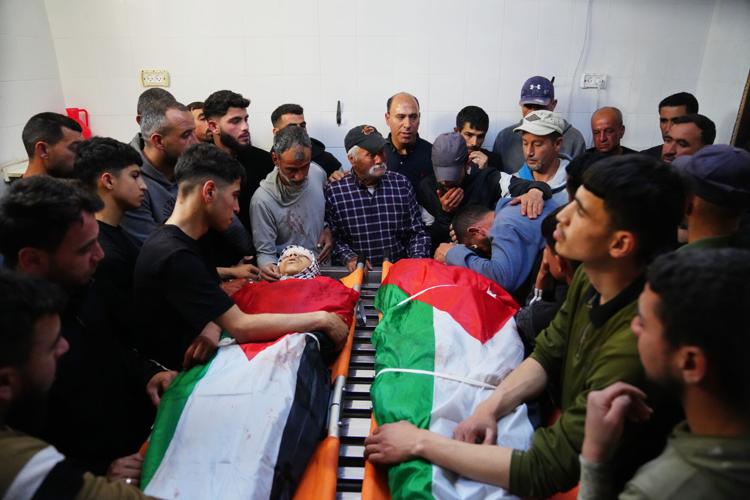
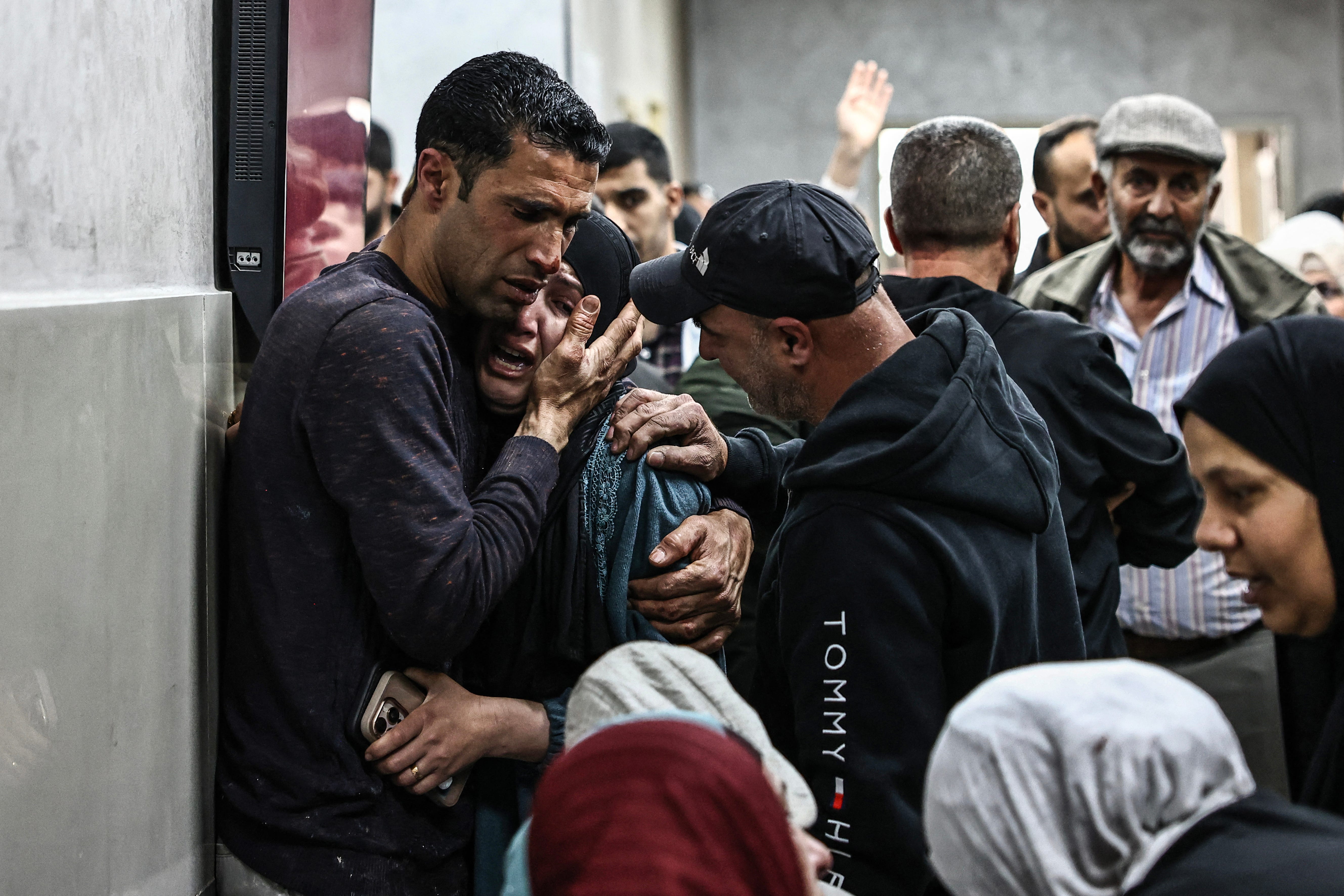
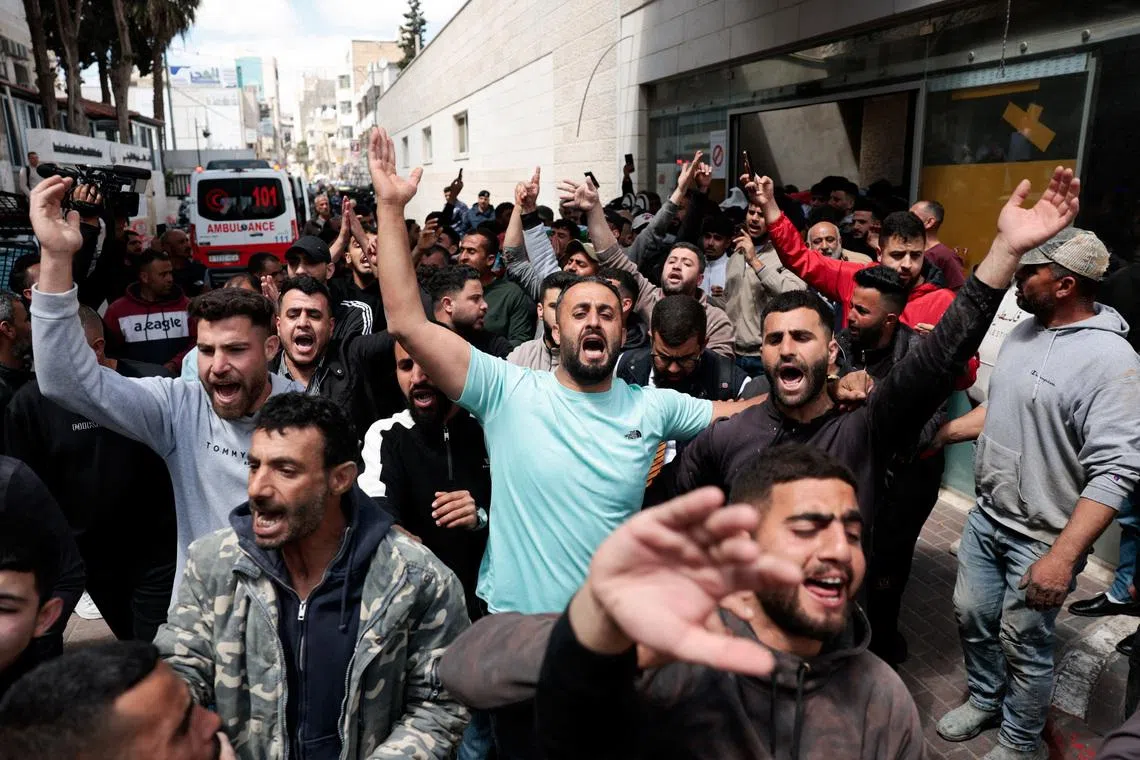
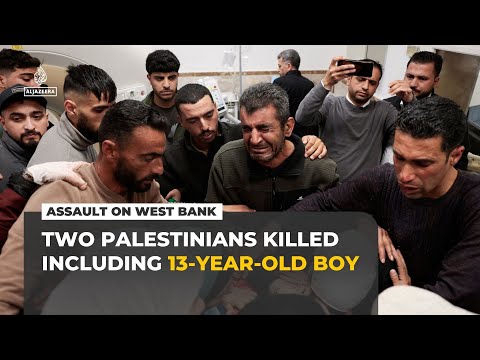
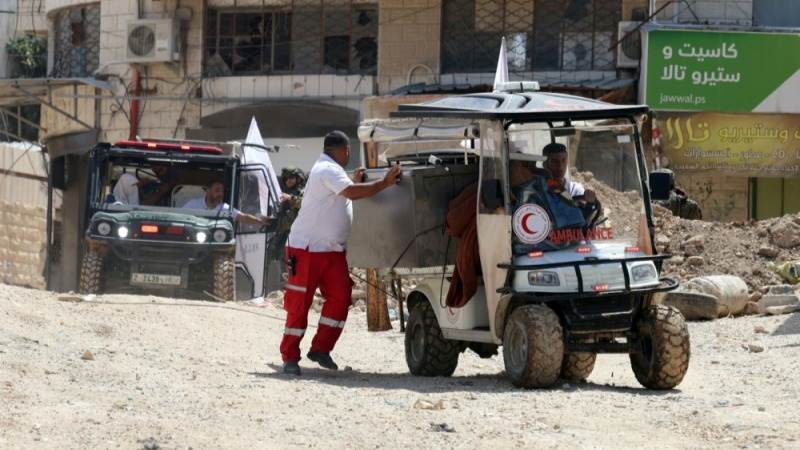
The escalating violence in the West Bank—with 270+ Palestinians killed in 15 months and 2,380+ settler attacks documented since 2025—represents a critical geopolitical risk factor that cross-border sellers must monitor for supply chain, market access, and regulatory implications. While the immediate news focuses on tragic incidents in Al-Mughayyir village (April 2026) where two Palestinians including a 14-year-old were killed, the broader pattern of displacement (1,750 Palestinians displaced in 2026 alone) and infrastructure destruction (school demolitions, access restrictions) signals deepening humanitarian crisis that creates both risks and opportunities for e-commerce sellers.
Supply Chain & Logistics Impact: The West Bank's 3.3M Palestinian population and 700,000 Israeli settlers across 160 settlements create complex logistics challenges for sellers sourcing from or shipping to the region. Escalating violence increases transportation costs, delays, and insurance premiums for 3PL providers operating in contested territories. Sellers with inventory in Israeli or Palestinian warehouses face heightened security risks and potential supply disruptions. The UN's documentation of 200+ settler attacks causing property damage in March 2026 alone suggests logistics infrastructure vulnerability. Cross-border sellers should audit their supply chain exposure to Middle East operations and consider geographic diversification away from high-risk zones.
Market Opportunity in Education & Relief Categories: The destruction of educational facilities and displacement of 1,750 Palestinians creates urgent demand for education-related products, relief supplies, and humanitarian goods. Sellers can capitalize on this crisis through: (1) Educational technology products (online learning platforms, digital textbooks, school supplies) targeting displaced students; (2) Relief merchandise (first aid kits, emergency supplies, hygiene products) for humanitarian organizations; (3) Fundraising merchandise supporting Palestinian education initiatives. Similar humanitarian crises have driven 15-40% spikes in relief product categories on Amazon, eBay, and Shopify. Sellers with existing inventory in these categories should prepare marketing campaigns targeting socially conscious consumers and NGO bulk buyers.
Regulatory & Compliance Considerations: The UN's characterization of settlements as "illegal under international law" and human rights organizations' accusations of military accountability failures create potential regulatory exposure. Sellers should review their marketplace policies regarding products sourced from Israeli settlements (potential BDS compliance issues) and ensure compliance with sanctions/restricted party screening. Some platforms (Etsy, Shopify) have implemented stricter policies on settlement-sourced goods. Additionally, payment processors may flag transactions to/from high-conflict regions, requiring enhanced due diligence documentation.
Questions 8
What e-commerce product categories benefit from the Palestinian education crisis?
The destruction of schools in Hammamat al-Maleh and access restrictions affecting students creates demand spikes in education technology, school supplies, and online learning platforms. Historical data from similar humanitarian crises shows 20-40% increases in educational product sales on Amazon, eBay, and Shopify. Sellers can target: (1) Digital learning tools and software subscriptions; (2) School supply bundles; (3) Fundraising merchandise supporting education initiatives. NGO bulk buyers and socially conscious consumers represent high-value customer segments. Sellers should prepare inventory and marketing campaigns now, as similar crises typically drive sustained demand for 6-12 months.
How does West Bank violence affect cross-border sellers' supply chains?
The escalating conflict with 2,380+ settler attacks since 2025 creates direct supply chain risks for sellers with inventory in Israeli or Palestinian warehouses. Transportation costs increase 15-25% in conflict zones due to security requirements and insurance premiums. 3PL providers operating in the region face heightened liability and may impose surcharges or refuse service. Sellers should immediately audit their supply chain exposure through their fulfillment partners and consider geographic diversification. The UN's documentation of 200+ property-damaging attacks in March 2026 alone indicates infrastructure vulnerability that could disrupt inventory access for 2-4 weeks during escalation periods.