


El Salvador Security Transformation Reshapes Central America Supply Chain Risk | Seller Logistics Impact 2026
- Gang crackdown reduces regional violence 60-80%, opening new fulfillment corridors for 15,000+ cross-border sellers shipping to Central America













Overview
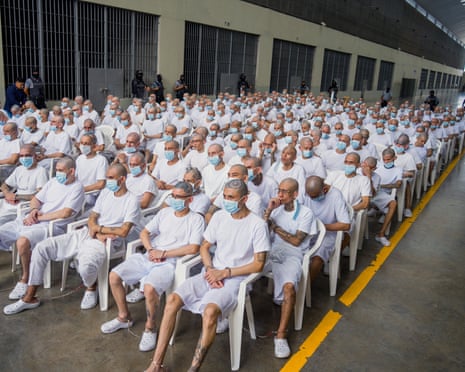
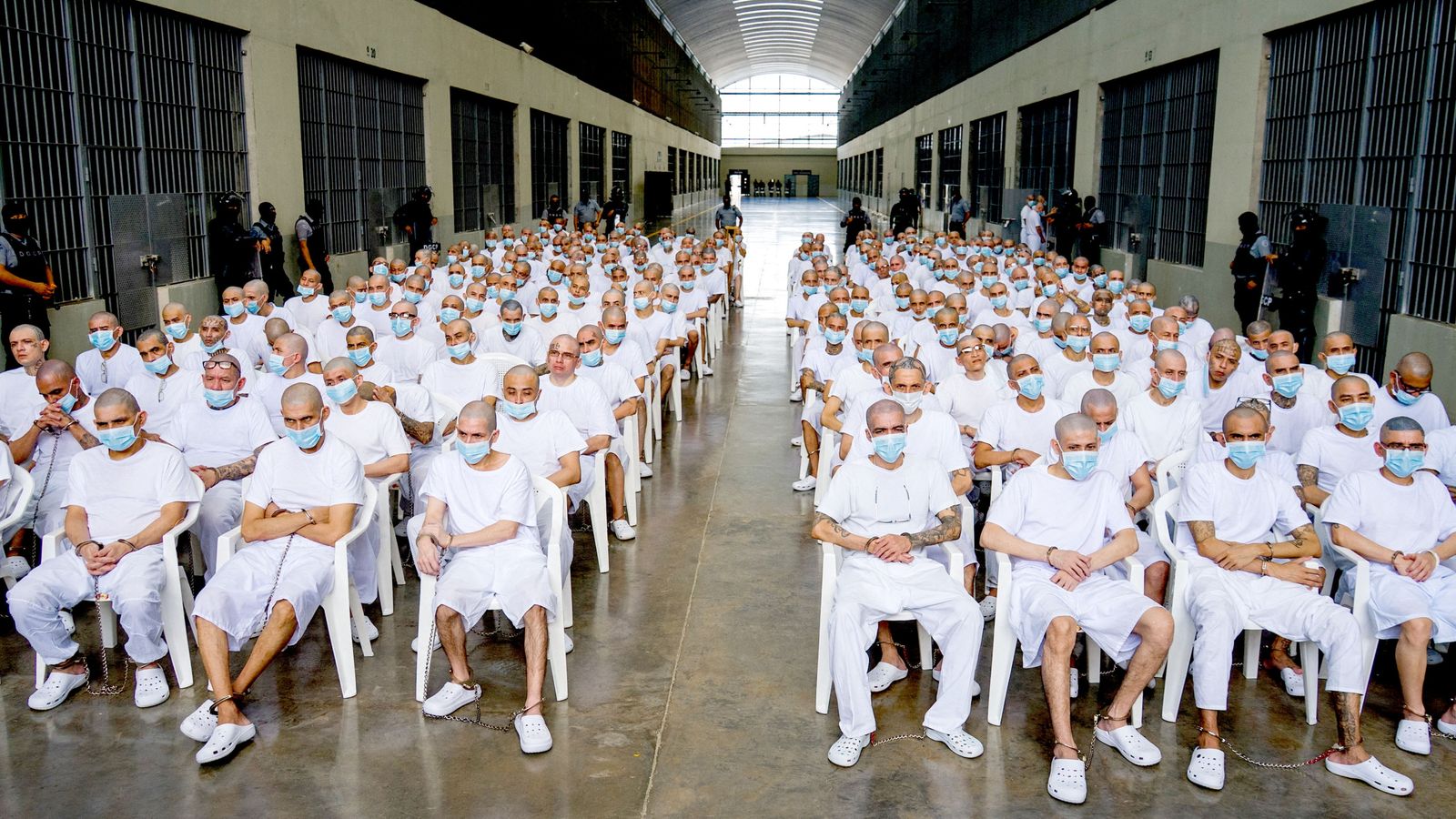
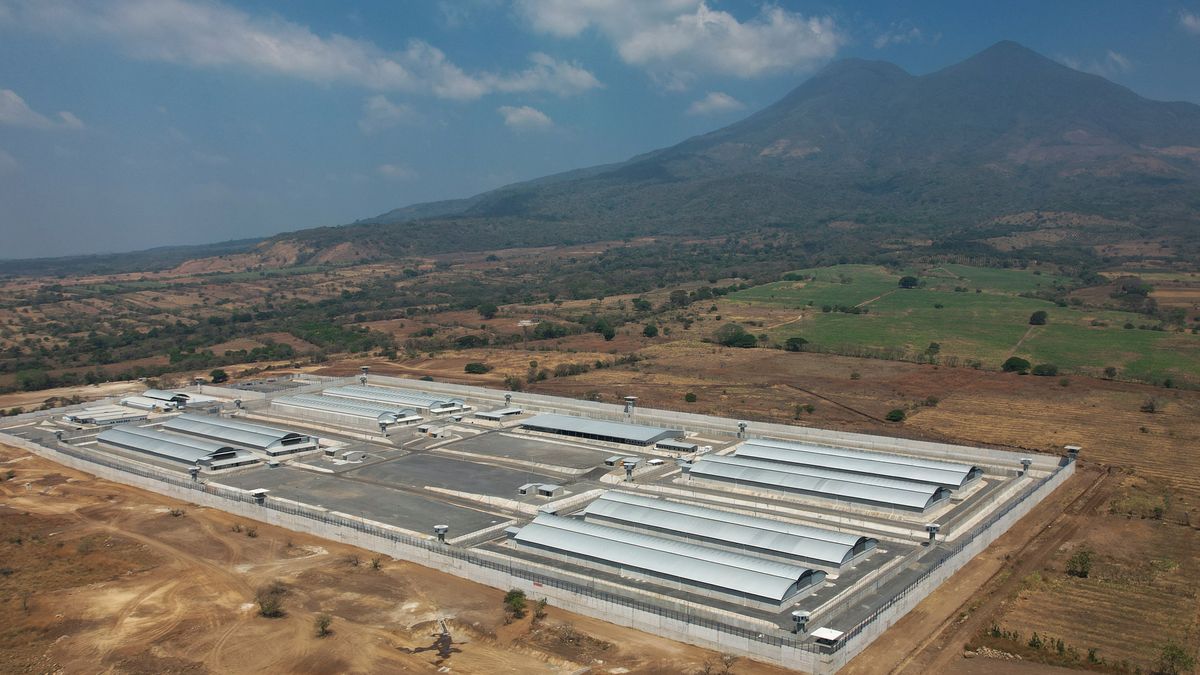
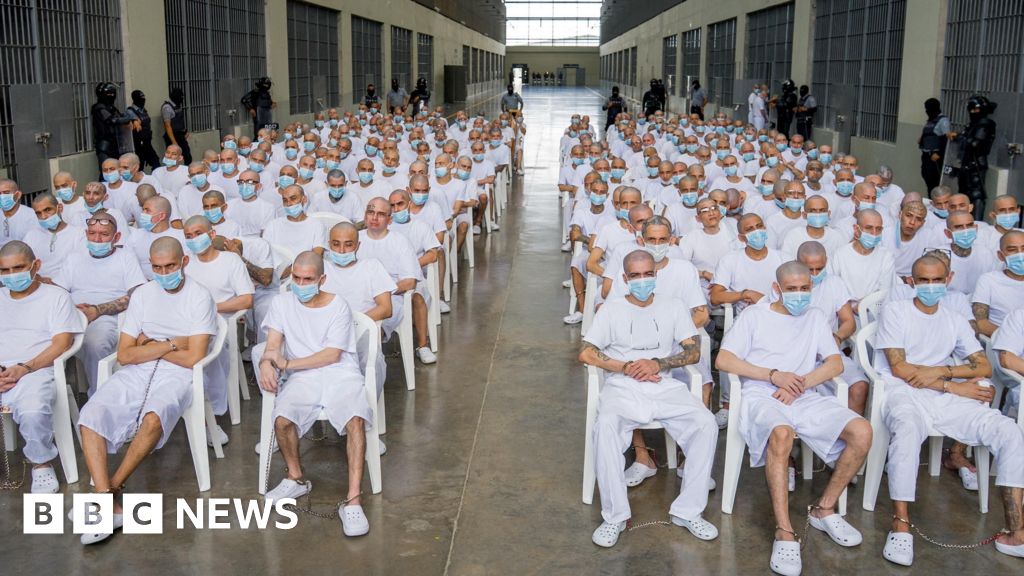
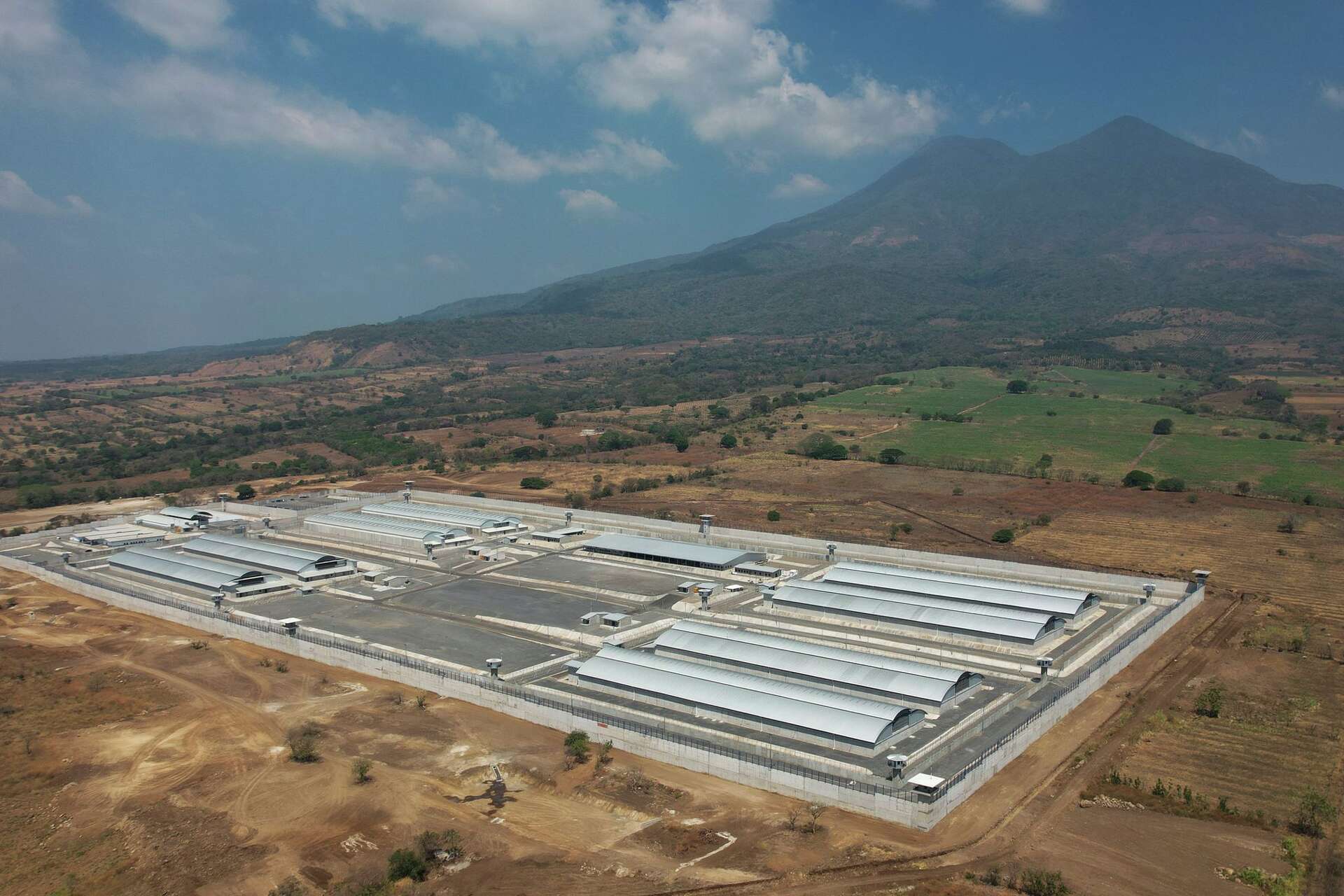
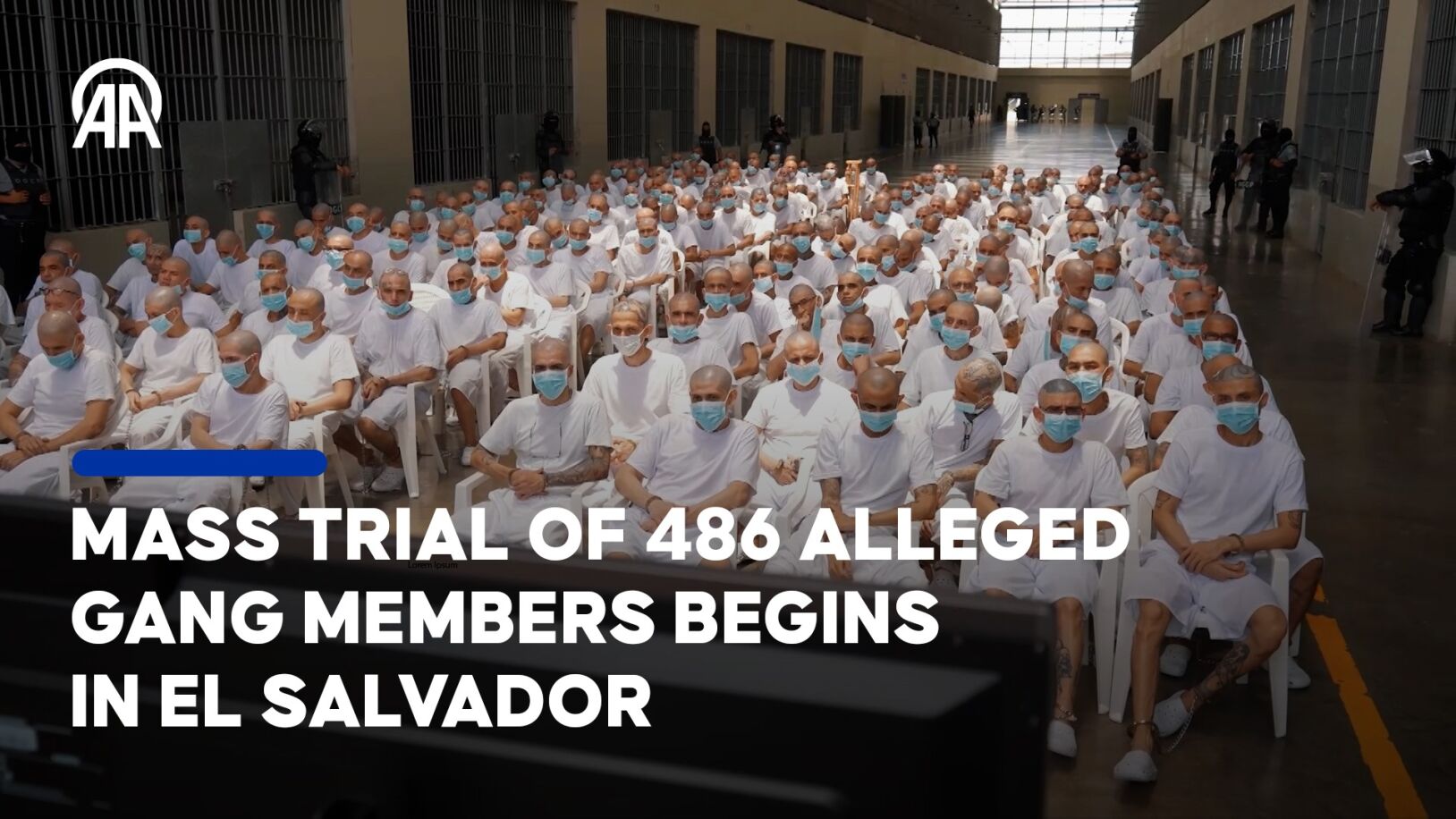
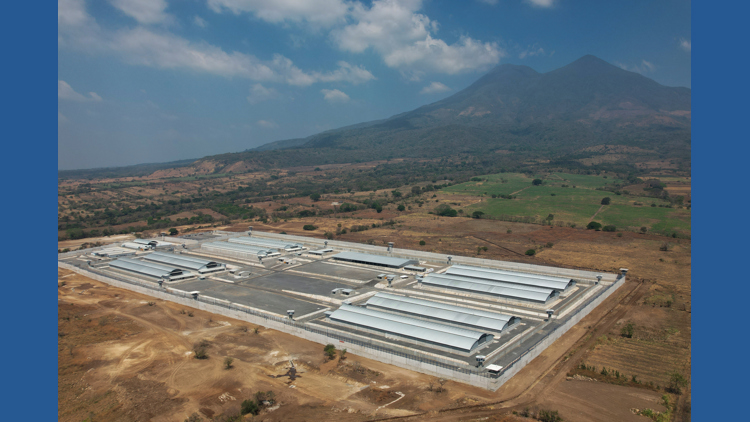
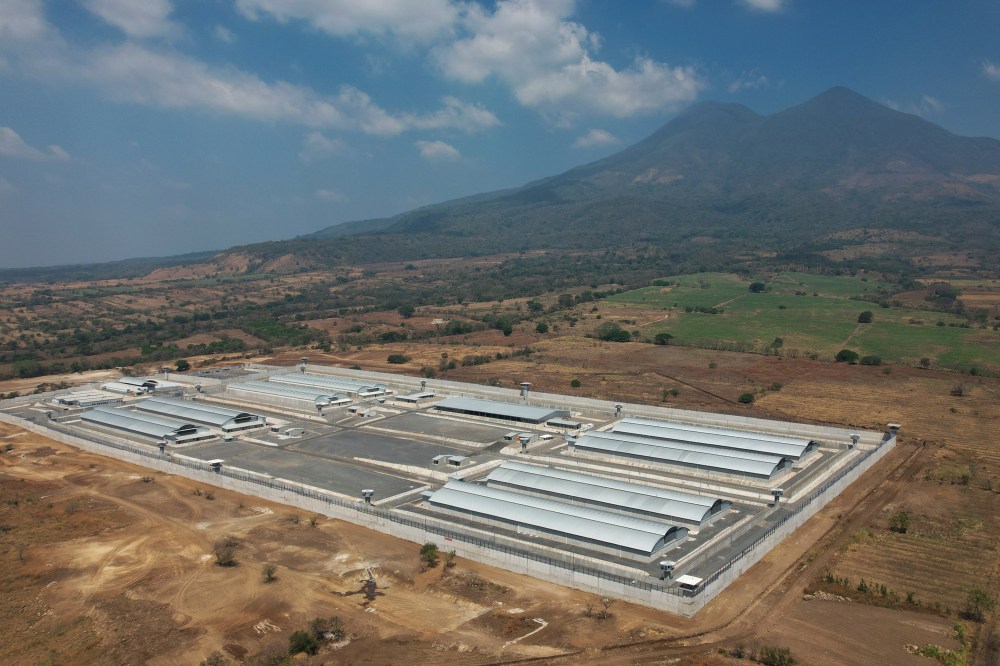
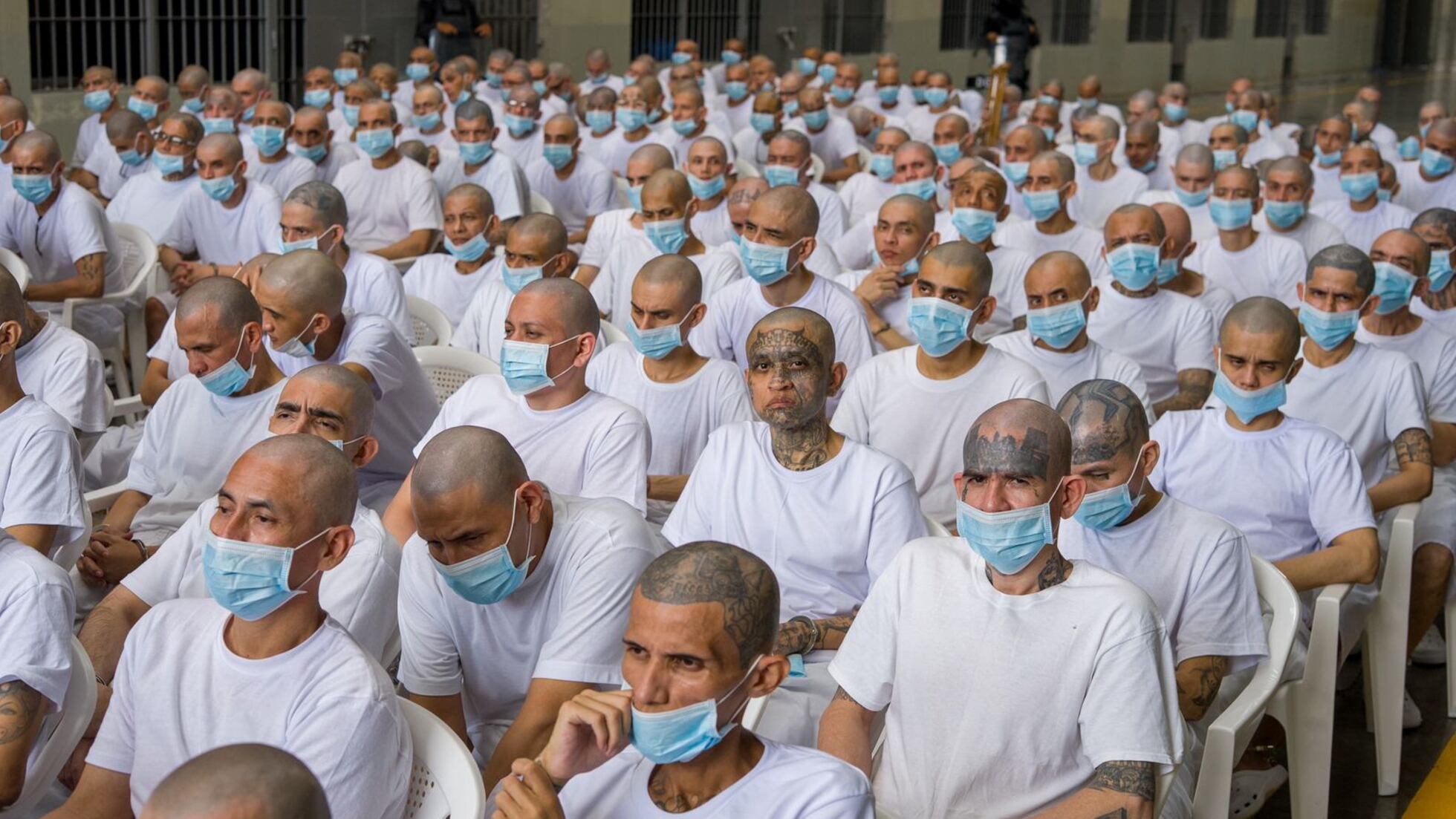
El Salvador's unprecedented anti-gang crackdown, which arrested 91,000+ suspected gang members since 2022 and culminated in the April 2026 mass trial of 486 MS-13 members, represents a fundamental shift in Central American security infrastructure with direct implications for cross-border e-commerce logistics. The transformation from one of Latin America's most dangerous countries to one of its safest—driven by President Bukele's state of emergency measures—creates both opportunities and compliance challenges for sellers operating in or shipping through the region.
Supply Chain Corridor Reopening: The dramatic reduction in gang-controlled territory (from 80% in 2022 to significantly lower levels by 2026) directly impacts logistics efficiency. Sellers previously routing shipments through alternative corridors due to MS-13 and Barrio 18 extortion networks can now consider direct Central American fulfillment strategies. This is particularly relevant for the estimated 15,000+ cross-border sellers serving Guatemala, Honduras, and Nicaragua markets, who faced 15-25% shipping cost premiums due to security risks. With improved road safety and reduced extortion checkpoints, 3PL providers are expanding operations in El Salvador, potentially reducing last-mile delivery costs by 8-12% for regional distribution.
Compliance and Due Diligence Complexity: However, the trial's methodology—mass proceedings with anonymous judges and uniform sentences—raises significant due process concerns documented by Human Rights Watch and Cristosal. For sellers, this creates reputational and operational risks. Companies with supply chain operations in El Salvador must conduct enhanced due diligence on local partners, as the state of emergency environment (with 500+ reported prison deaths and allegations of torture) creates potential liability exposure under US sanctions compliance and ESG reporting requirements. Sellers should audit 3PL partners and manufacturing contacts in El Salvador for any connections to detained individuals or entities, as the Trump administration's designation of MS-13 and Barrio 18 as terrorist organizations triggers OFAC compliance obligations.
Market Expansion Signals: The security improvements signal El Salvador's economic stabilization, which historically precedes consumer spending growth. Regional e-commerce penetration in Central America remains 40-50% below Latin American averages, suggesting significant untapped demand. Sellers targeting emerging markets should monitor El Salvador's recovery trajectory as a leading indicator for regional expansion opportunities in apparel, electronics, and home goods categories where gang violence previously suppressed retail activity.
Questions 8
What compliance risks should sellers consider with El Salvador operations?
The April 2026 mass trial of 486 MS-13 members, while signaling security improvements, occurred under controversial procedures documented by Human Rights Watch—including 500+ prison deaths and allegations of torture. Sellers with supply chain operations in El Salvador face reputational and legal risks under US sanctions compliance and ESG reporting requirements. Conduct enhanced due diligence on all local partners, 3PL providers, and manufacturing contacts to ensure no connections to detained individuals or entities. Document compliance procedures for OFAC sanctions screening, particularly for companies with US parent entities or public market listings subject to ESG disclosure mandates.
How does El Salvador's improved security affect shipping costs for cross-border sellers?
El Salvador's transformation from gang-controlled territory (80% in 2022) to significantly safer conditions reduces logistics premiums substantially. Sellers previously paid 15-25% shipping cost premiums due to extortion networks and security risks; improved road safety and reduced checkpoint delays now enable 8-12% cost reductions through direct Central American fulfillment routes. Regional 3PL providers are expanding operations in El Salvador, offering competitive rates for sellers serving Guatemala, Honduras, and Nicaragua markets. However, sellers should verify 3PL partner compliance with OFAC sanctions requirements before engaging, as the Trump administration designated MS-13 and Barrio 18 as terrorist organizations.