




African Geopolitical Shifts & Equatorial Guinea Stability Impact Cross-Border Seller Logistics
- Pope's 11-day tour signals diplomatic realignment affecting 4 nations; deportation policies create supply chain uncertainty for sellers shipping to West/Central Africa




Overview
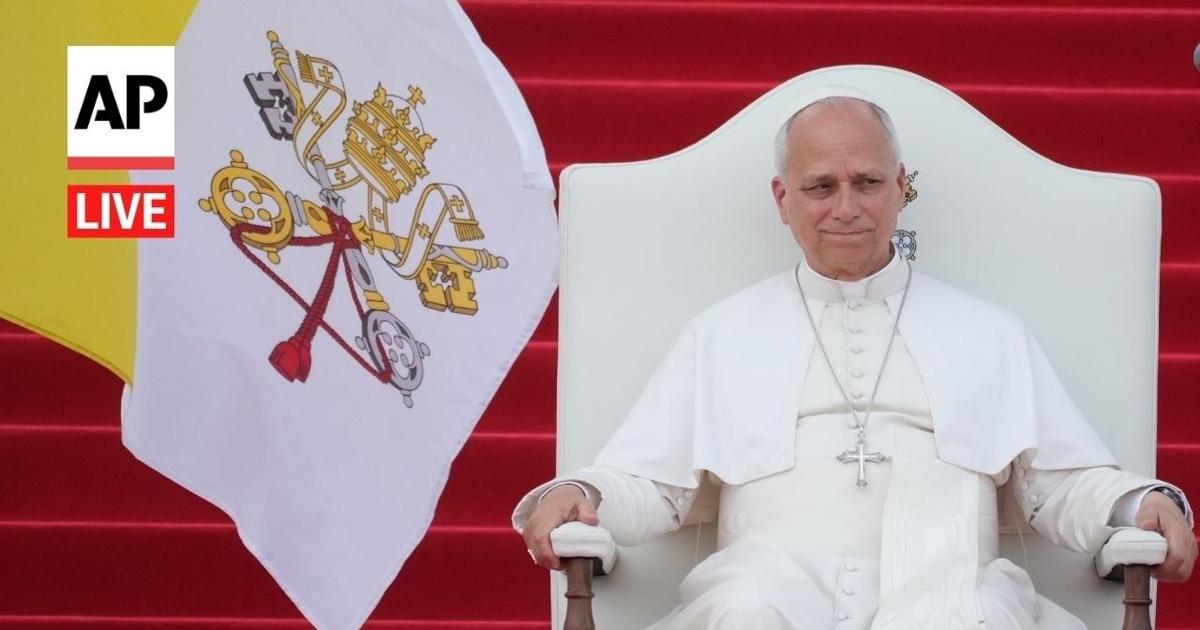
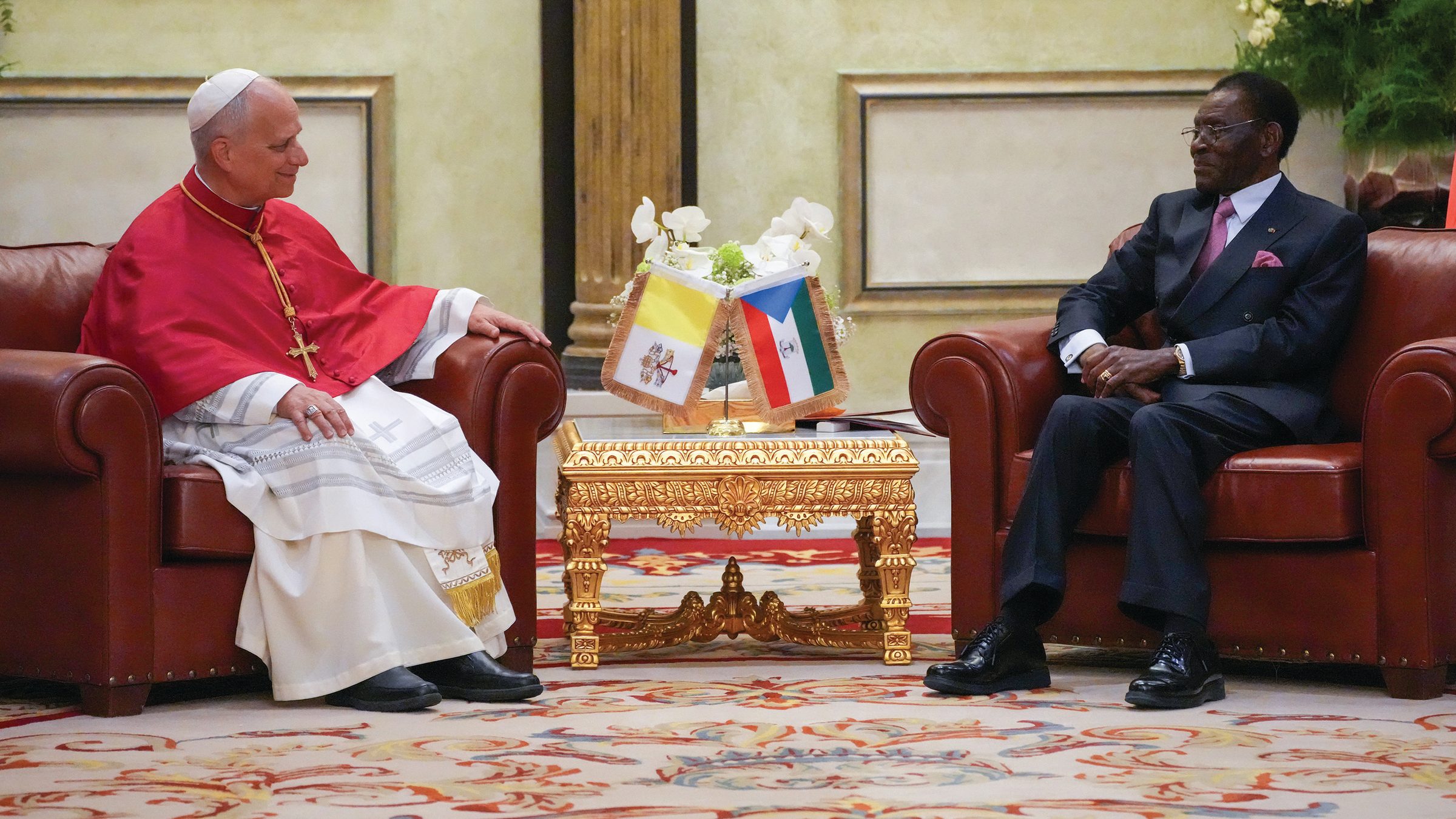
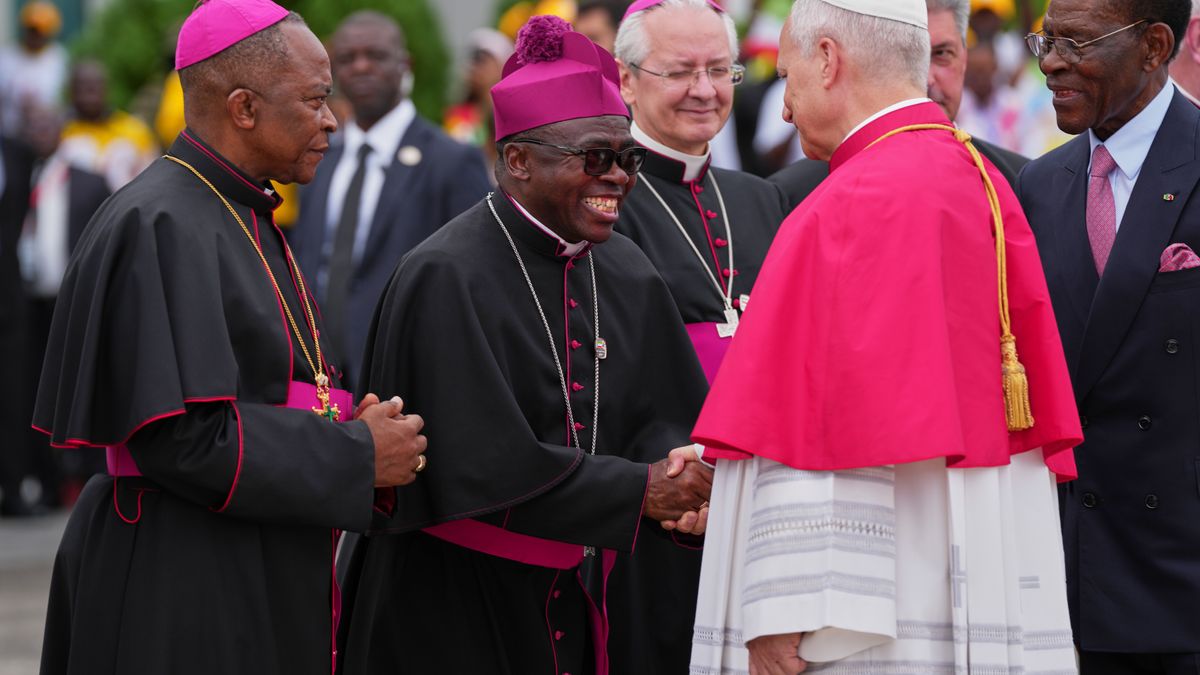
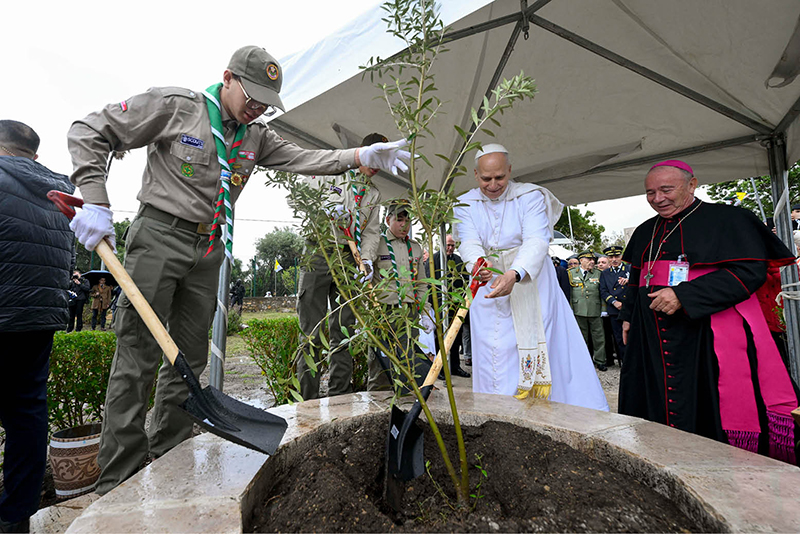
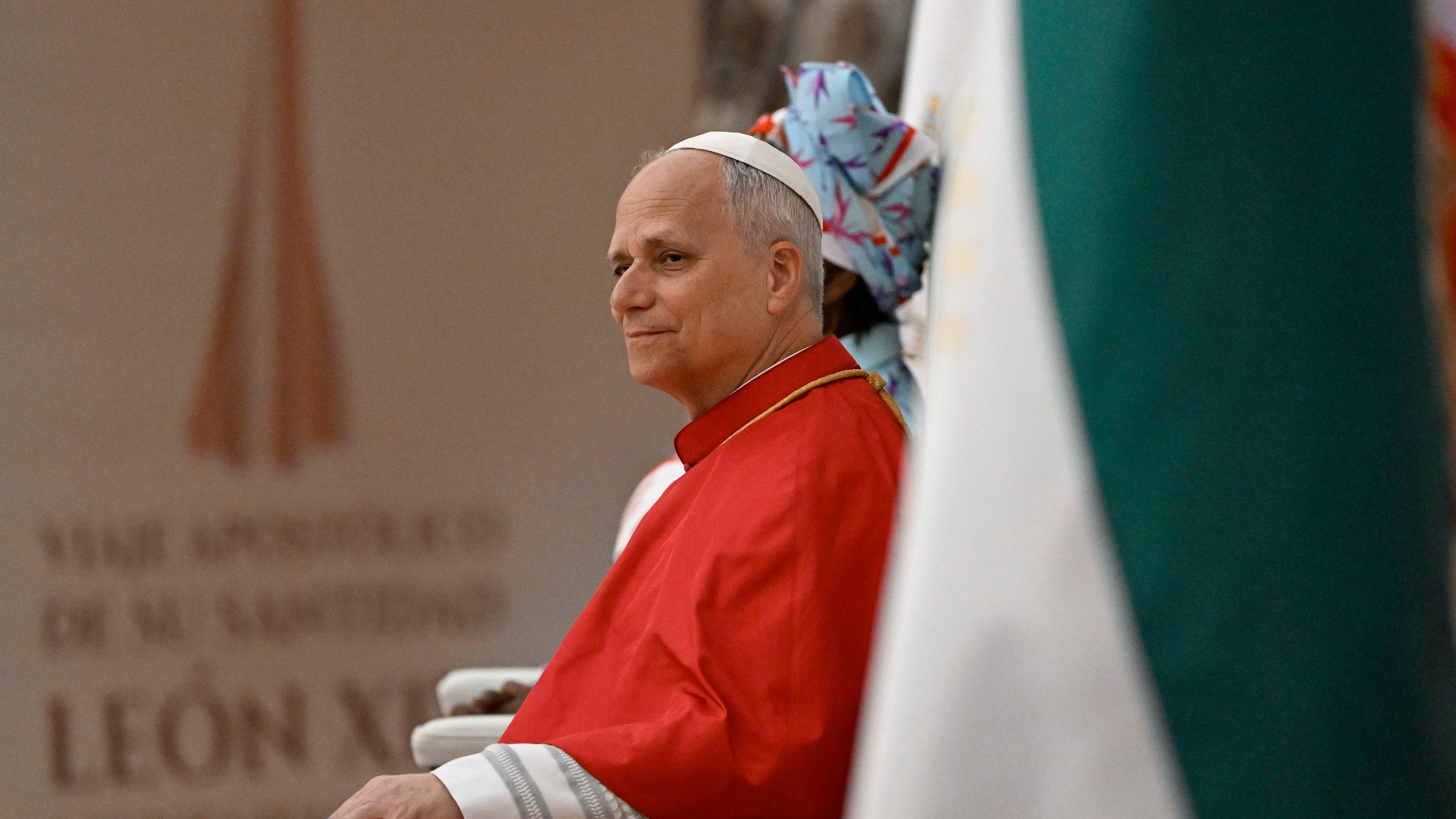
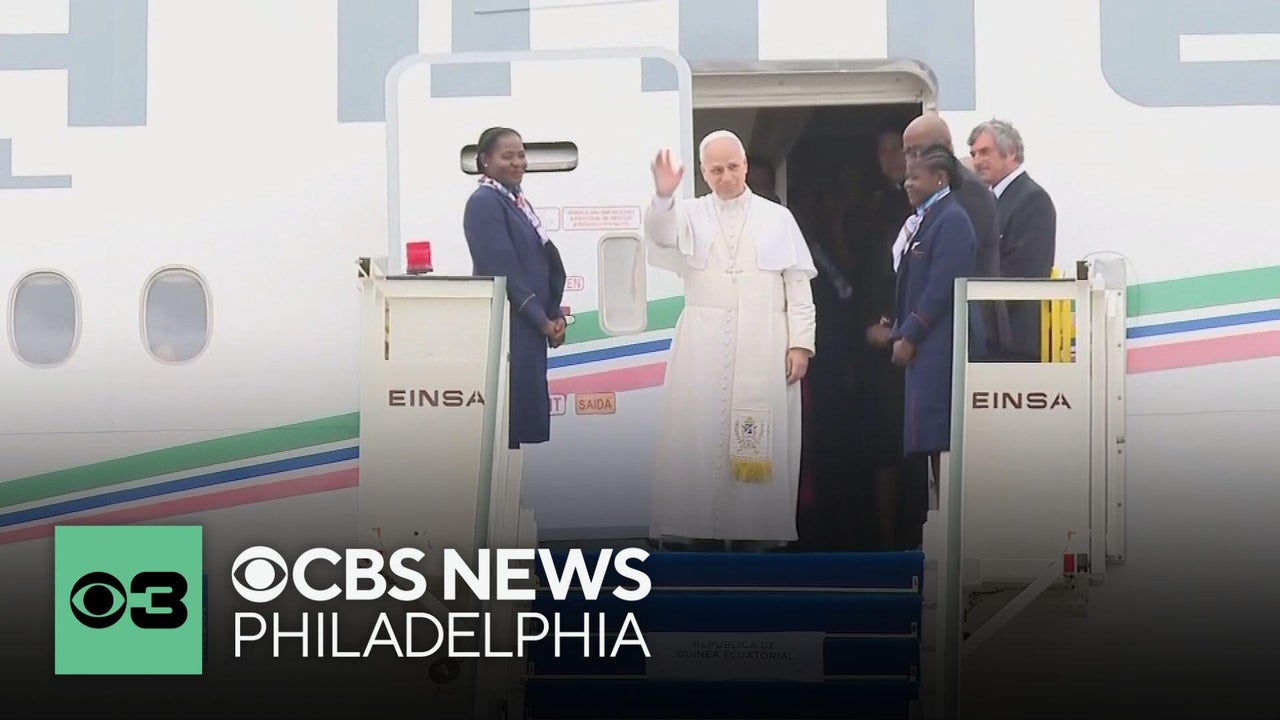
Pope Leo XIV's 11-day African tour (April 2026) spanning Algeria, Cameroon, Angola, and Equatorial Guinea represents a significant geopolitical moment with indirect but measurable implications for cross-border e-commerce sellers operating in or shipping to these regions. The papal visit to Equatorial Guinea, coinciding with U.S. deportation agreements affecting at least 29 migrants, highlights escalating governance instability and human rights concerns that directly impact logistics infrastructure, customs clearance timelines, and regulatory compliance for sellers.
Key Market Context: Equatorial Guinea, Africa's only Spanish-speaking nation, serves as a strategic logistics hub for West/Central African e-commerce operations. The country's documented human rights abuses (per U.N. reports and U.S. State Department 2023 findings) and judicial system deficiencies create operational risks for sellers. The Pope's prison visit and 70 human rights organizations' open letter signal intensifying international scrutiny, which historically precedes trade sanctions, customs delays, and payment processing complications. Sellers currently shipping to Cameroon (substantial Catholic population, 8M+ potential consumers) and Angola (oil-rich economy with growing middle class) face potential supply chain disruptions if diplomatic tensions escalate.
Operational Impact for Sellers: The selective papal itinerary—visiting Cameroon and Angola while bypassing DRC and Nigeria (collectively 90M Catholics)—reveals Vatican's assessment of regional security risks. This mirrors logistics providers' risk calculations: ongoing conflict in eastern DRC and recent terrorist attacks in Nigeria have already forced 3PL providers to reroute shipments through Cameroon and Angola, increasing transit times 5-8 days and costs $150-300 per container. Equatorial Guinea's governance instability directly affects sellers' ability to establish local fulfillment centers or negotiate favorable customs terms. The deportation controversy and international pressure on President Teodoro Obiang Nguema Mbasogo (ruling since 1979) create unpredictability in regulatory enforcement—customs duties may be applied inconsistently, payment processing delays can extend 2-4 weeks, and seller account restrictions may occur without notice.
Strategic Implications: The Pope's emphasis on healthcare and education infrastructure development (per News 2) signals potential market opportunities in medical supplies, educational products, and wellness categories for Angola and Cameroon. However, sellers must account for 15-25% margin compression due to increased logistics costs and currency volatility in these regions. The international attention on Equatorial Guinea's judicial system may trigger enhanced due diligence requirements from payment processors (Stripe, PayPal), potentially freezing seller accounts pending compliance reviews. Sellers with existing inventory in Equatorial Guinea warehouses face heightened risk of customs holds or regulatory complications.
Questions 7
How does Pope Leo's Equatorial Guinea visit affect seller logistics to West Africa?
The papal visit and accompanying international scrutiny on Equatorial Guinea's governance create operational risks for sellers. The U.N. and U.S. State Department have documented serious judicial system deficiencies, which typically precede customs enforcement changes and payment processing delays. Sellers shipping through Equatorial Guinea as a logistics hub should expect 2-4 week delays in customs clearance and potential account restrictions from payment processors conducting enhanced due diligence. The 70 human rights organizations' open letter signals sustained international pressure, making this region higher-risk for 6-12 months. Sellers should diversify routing through Cameroon and Angola instead, accepting 5-8 day longer transit times but reducing regulatory uncertainty.
What compliance risks do sellers face from the deportation controversy?
The U.S. deportation agreement with Equatorial Guinea and subsequent international criticism create heightened compliance scrutiny for sellers. Payment processors like Stripe and PayPal conduct enhanced due diligence on transactions involving countries with documented human rights concerns. Sellers with existing operations in Equatorial Guinea may face account reviews, transaction holds, or restrictions pending compliance verification. The U.S. State Department's 2023 report listing violations (unlawful killings, political detentions, torture) triggers automatic risk flags in payment processing systems. Sellers should proactively update compliance documentation, avoid Equatorial Guinea as a fulfillment location, and establish clear audit trails for any transactions in the region.