




Truth Social Platform Instability Signals Risk for Seller Payment Infrastructure | Digital Payment Ecosystem Alert
- Trump Media stock plummets 67% ($6B+ investor loss), CEO replaced amid $1.1B accumulated losses; cryptocurrency payment ventures face legal challenges affecting seller payment options and fintech ecosystem stability

















!role~Preview!mt~photo!fmt~JPEG%20Baseline)
Overview
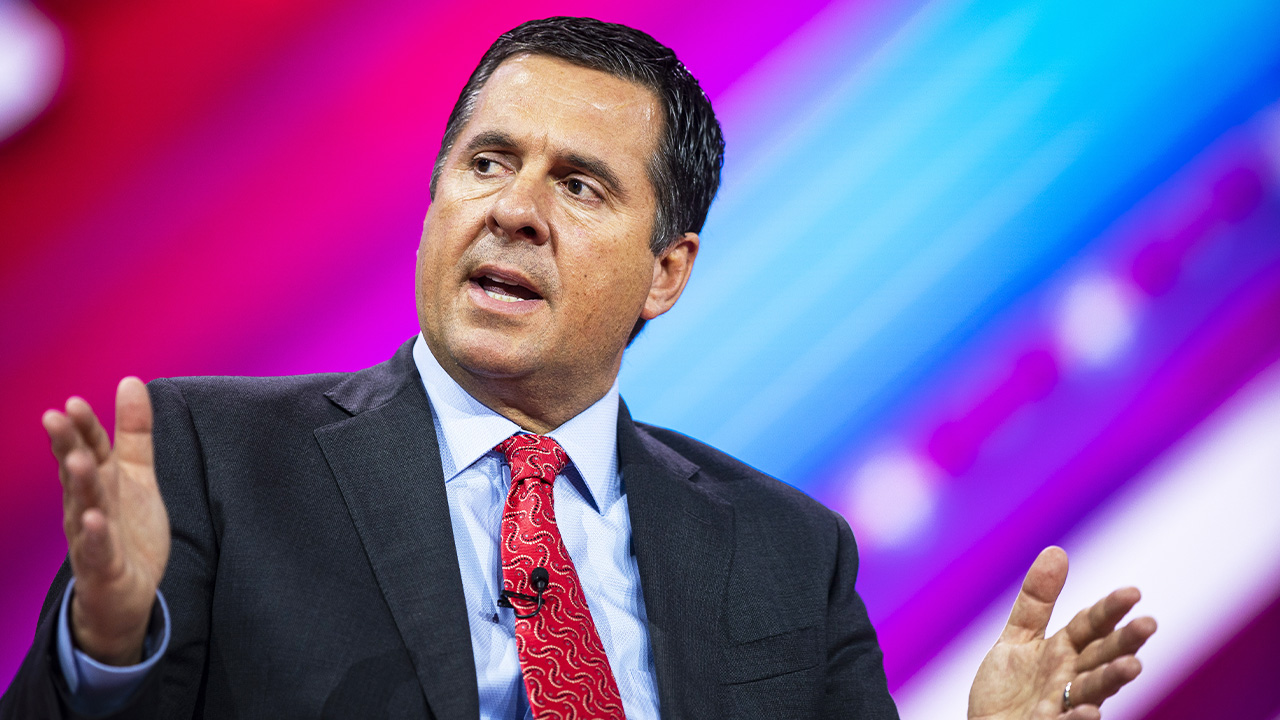
Trump Media & Technology Group's leadership crisis and severe financial deterioration present indirect but significant implications for cross-border e-commerce sellers relying on emerging payment infrastructure and cryptocurrency-adjacent financial services. The company's stock (ticker: DJT) has collapsed 67% from pre-election highs near $58 to below $10, erasing over $6 billion in investor value since its 2024 SPAC merger. CEO Devin Nunes departed in 2021 and was replaced by interim CEO Kevin McGurn, a digital media executive, following the company's catastrophic financial performance: only $3.7 million in revenue during the last fiscal year against net losses exceeding $712 million, with accumulated losses now surpassing $1.1 billion.
The cryptocurrency and fintech exposure creates operational risks for sellers using alternative payment systems. Trump Media's diversified portfolio includes cryptocurrency ventures (World Liberty Financial), prediction markets, and proposed mergers with fusion energy firms—an unusual combination reflecting strategic desperation rather than coherent business planning. Entrepreneur Justin Sun's lawsuit seeking to unfreeze tokens tied to World Liberty Financial signals deeper legal and regulatory complications within the cryptocurrency ecosystem. For sellers utilizing emerging payment processors, stablecoin settlement options, or cryptocurrency-based payment gateways, the instability of major players in this ecosystem creates counterparty risk and potential service disruptions. The company's inability to stabilize operations or generate meaningful revenue suggests its fintech initiatives may face accelerated wind-down or acquisition, potentially affecting sellers who've integrated these payment solutions.
Truth Social's failure to build audience engagement despite presidential use demonstrates the fragility of platform-dependent business models. Positioned as a "free-speech alternative" following Trump's removal from major platforms post-January 6, 2021, Truth Social has struggled to achieve meaningful user adoption or monetization. This platform instability matters to sellers because it illustrates how political polarization and niche positioning limit platform viability—a cautionary tale for sellers considering exclusive reliance on alternative social commerce channels. The company's multiple strategic pivots (cryptocurrency, prediction markets, fusion energy mergers, potential Truth Social spin-offs) indicate management uncertainty and resource dilution, typical precursors to asset liquidation or forced consolidation. Multiple senior figure departures, though officially attributed to non-dispute reasons, suggest internal dysfunction affecting operational continuity.
For cross-border sellers, the immediate risk involves payment infrastructure fragmentation and reduced access to emerging fintech solutions. Sellers who've adopted cryptocurrency payment options, stablecoin settlement, or World Liberty Financial-affiliated services face potential service interruptions as legal disputes and financial pressures force the company to prioritize survival over product development. The $1.1 billion accumulated loss trajectory suggests the company cannot sustain operations without dramatic restructuring or external capital injection—neither of which appears forthcoming given the stock's collapse and investor confidence erosion. Additionally, the ethics concerns raised regarding conflicts between presidential office and business interests create regulatory uncertainty that could trigger government investigations affecting the company's fintech operations and seller relationships.
Questions 8
How does Trump Media's financial collapse affect sellers using cryptocurrency payment options?
Trump Media's $1.1 billion accumulated loss and 67% stock collapse directly threatens the viability of its cryptocurrency ventures, including World Liberty Financial. Sellers who've integrated cryptocurrency payment processing or stablecoin settlement through Trump Media-affiliated services face significant counterparty risk. The company's inability to generate revenue ($3.7M annually against $712M+ losses) indicates it cannot sustain fintech product development or customer support. Sellers should immediately audit their payment processor dependencies and identify alternative payment gateways before potential service disruptions occur. Consider diversifying across established payment processors (Stripe, PayPal, Square) rather than emerging platforms with unproven business models.
How does the leadership transition from Devin Nunes to Kevin McGurn affect seller relationships with Trump Media services?
The CEO replacement signals organizational instability and potential operational disruptions. Nunes brought political experience but lacked media/commerce expertise, while McGurn's digital media background suggests possible pivot toward content monetization rather than fintech expansion. However, the company's fundamental financial crisis ($712M annual losses) cannot be resolved through leadership changes alone. Sellers should expect continued service instability, potential product discontinuation, and reduced customer support quality during this transition. The appointment of an interim CEO rather than permanent replacement indicates the board lacks confidence in long-term viability. Monitor for announcements regarding service consolidation, asset sales, or bankruptcy proceedings that could affect seller payment processing.