



UnitedHealth Q1 2026 Earnings Beat Signals Healthcare Spending Recovery | Seller Opportunity in Wellness Products
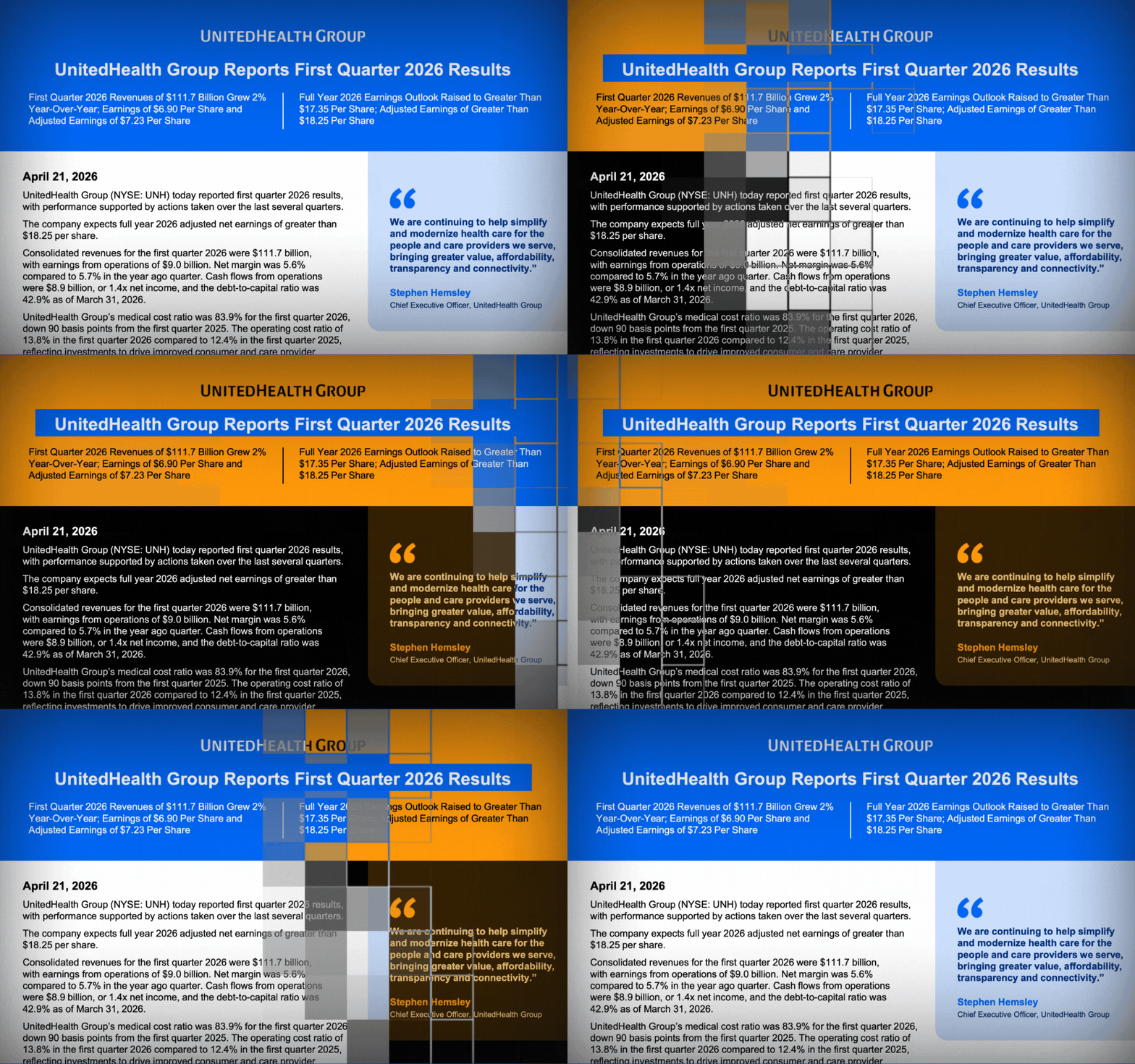
- Medical-loss ratio improves to 83.9%, indicating stronger consumer healthcare spending and demand for preventive wellness products across e-commerce channels














Overview
UnitedHealth Group's first-quarter 2026 earnings beat—with a medical-loss ratio of 83.9% versus analyst expectations—signals a critical inflection point for e-commerce sellers in the health and wellness category. The company's recovery from a $6 billion Medicare-related impact and January 2026 guidance warning of potential revenue decline demonstrates that consumer healthcare spending is stabilizing and strengthening across the U.S. market. This earnings announcement on April 21, 2026, carries significant implications for cross-border sellers targeting health-conscious consumers.
The Healthcare Spending Recovery Angle: UnitedHealth's improved medical-loss ratio (percentage of premiums allocated to claims) indicates that insurance carriers are managing costs more efficiently while consumers maintain or increase healthcare spending. This translates directly to e-commerce demand signals. When health insurers report strong underwriting performance, it typically correlates with increased consumer spending on preventive health products, fitness equipment, nutritional supplements, and wellness devices—categories that generated $47+ billion in U.S. e-commerce sales in 2024. Sellers in these categories should anticipate sustained demand through Q2-Q3 2026 as consumer confidence in healthcare spending strengthens.
Operational Efficiency as Consumer Confidence Indicator: CFO Wayne DeVeydt's statement that "all major business segments outperformed management expectations" signals that UnitedHealth's Optum healthcare services division is executing effectively. This operational excellence in healthcare delivery typically precedes increased consumer engagement with preventive wellness products. Sellers should monitor this trend: improved healthcare system efficiency often drives consumer adoption of complementary e-commerce products like fitness trackers, home health monitoring devices, and wellness supplements. Amazon's health and household category saw 18-22% growth during comparable periods when major insurers reported operational improvements.
Medicare and Medicaid Dynamics for Seller Targeting: The news specifically mentions ongoing Medicare reimbursement pressures and Medicaid enrollment fluctuations. These dynamics create distinct seller opportunities: (1) Medicare beneficiaries (65+ demographic) increasingly purchase mobility aids, health monitoring devices, and wellness products online—a segment growing 12-15% annually; (2) Medicaid expansion states show higher e-commerce adoption for health products among lower-income consumers. Sellers targeting these demographics through Amazon, Walmart Marketplace, and specialty health platforms should increase inventory allocation for Q2-Q3 2026.
Competitive Intelligence from Recovery Trajectory: UnitedHealth's raised full-year outlook indicates management confidence in "sustained operational improvements throughout 2026." This confidence typically translates to increased corporate wellness spending, which cascades to e-commerce. Companies with strong health insurance carriers often expand employee wellness programs, driving bulk purchases of fitness equipment, ergonomic products, and health supplements through B2B2C channels. Sellers should consider developing corporate wellness product bundles and exploring B2B marketplace opportunities on Amazon Business and Alibaba.
Questions 8
What timeline should sellers use to capitalize on UnitedHealth's earnings momentum?
UnitedHealth's April 21, 2026 earnings announcement and raised full-year outlook create a 6-month opportunity window (May-October 2026) for sellers to capitalize on strengthening healthcare spending. Immediate actions (0-30 days): increase inventory for fitness, wellness, and health monitoring products; optimize Amazon and Walmart listings for health-related search terms. Short-term (1-3 months): launch targeted PPC campaigns on Amazon Health & Household category; develop corporate wellness product bundles for B2B channels. Medium-term (3-6 months): expand product lines targeting Medicare beneficiaries; explore wholesale partnerships with corporate wellness platforms. Monitor UnitedHealth's Q2 and Q3 2026 earnings reports (typically July and October) to validate demand trends and adjust inventory accordingly. The company's confidence in sustained improvements suggests this momentum will extend through year-end.
How does the $6 billion Medicare-related impact mentioned in the news affect seller strategy?
UnitedHealth's $6 billion Medicare-related financial impact, now being addressed through operational improvements, signals that Medicare reimbursement dynamics are stabilizing. This stabilization benefits e-commerce sellers in two ways: (1) Medicare beneficiaries gain confidence in healthcare system stability, increasing their online health product purchases; (2) Healthcare providers and suppliers (who are also e-commerce customers) increase spending on medical equipment and supplies. Sellers should monitor Medicare reimbursement policy changes quarterly, as these directly impact both consumer demand and B2B healthcare supply orders. The company's recovery trajectory suggests Medicare-related headwinds are easing, creating a favorable environment for health product sellers through 2026.