



Seismic Tremors Expose Japan's High-Stakes Geological Vulnerability
- Escalating Earthquake Risks Demand Comprehensive National Preparedness Strategy








)


Overview
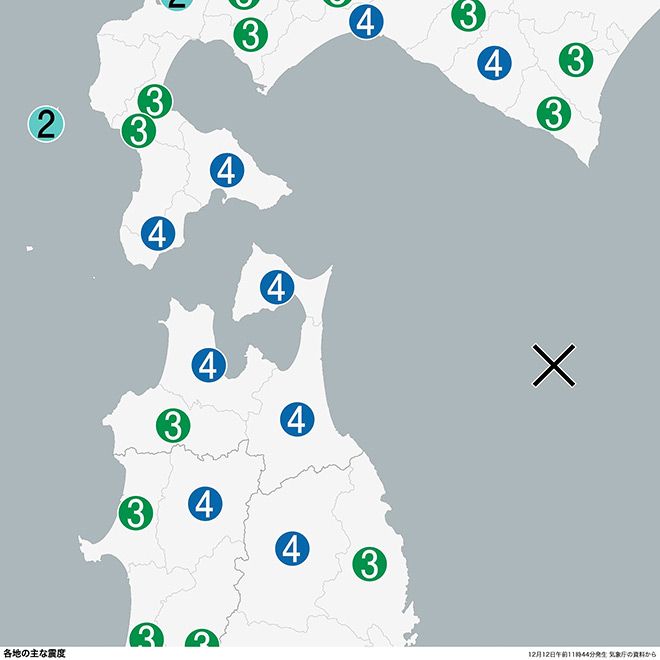
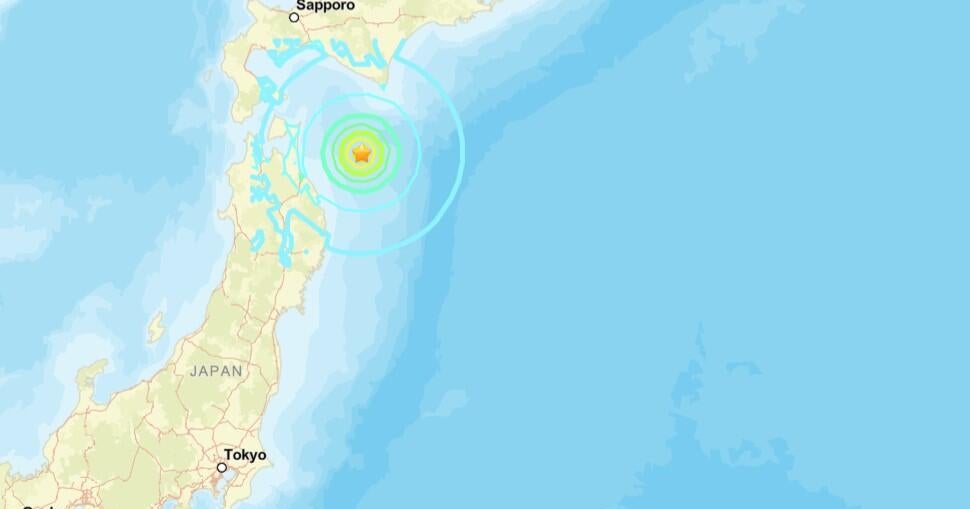
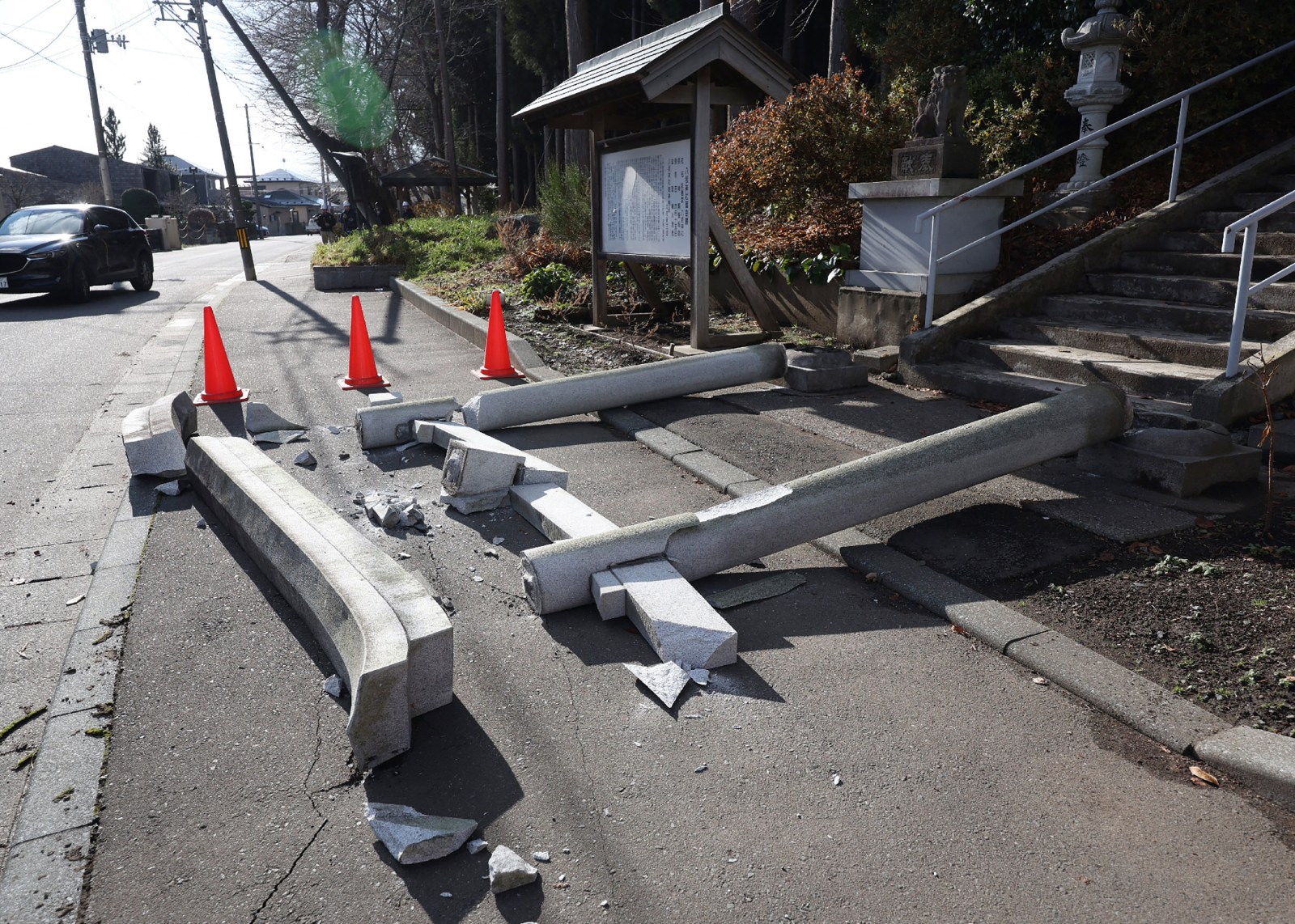
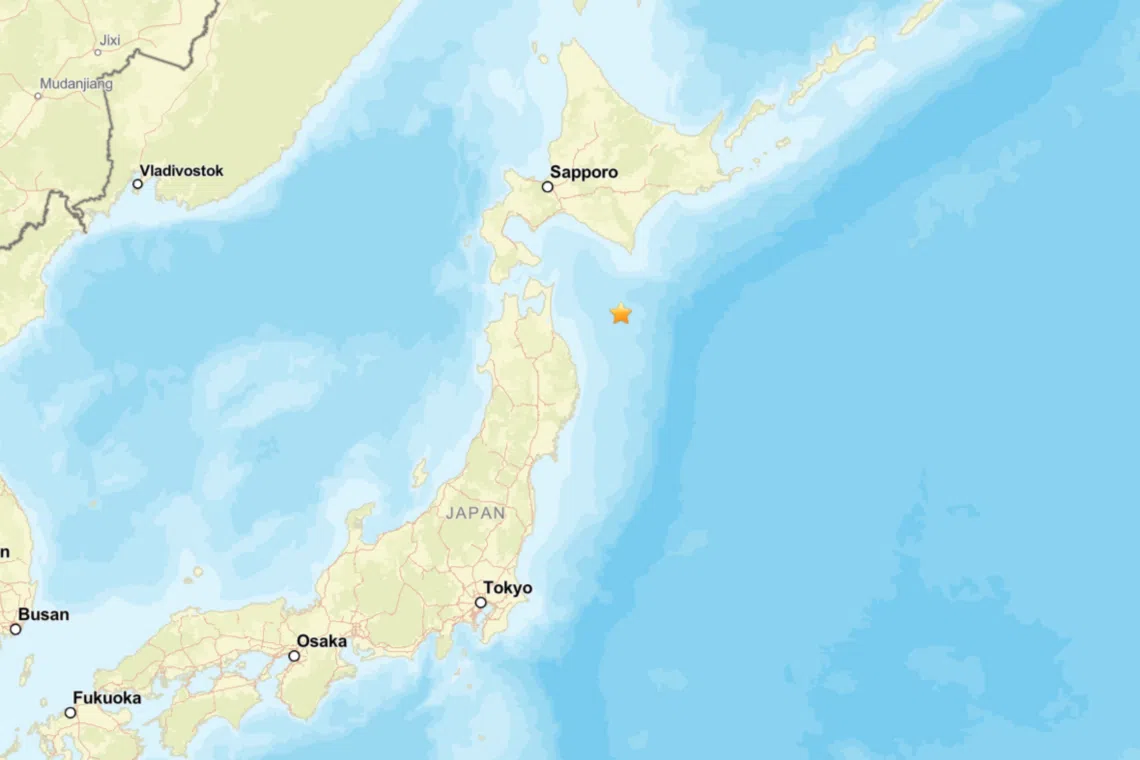
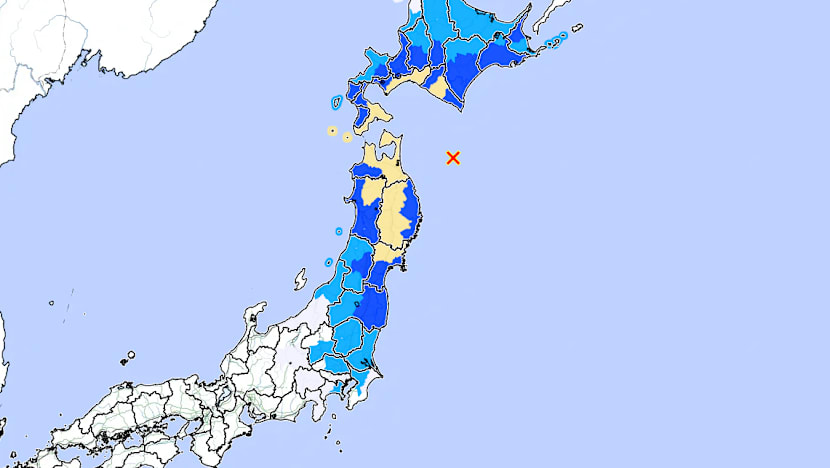
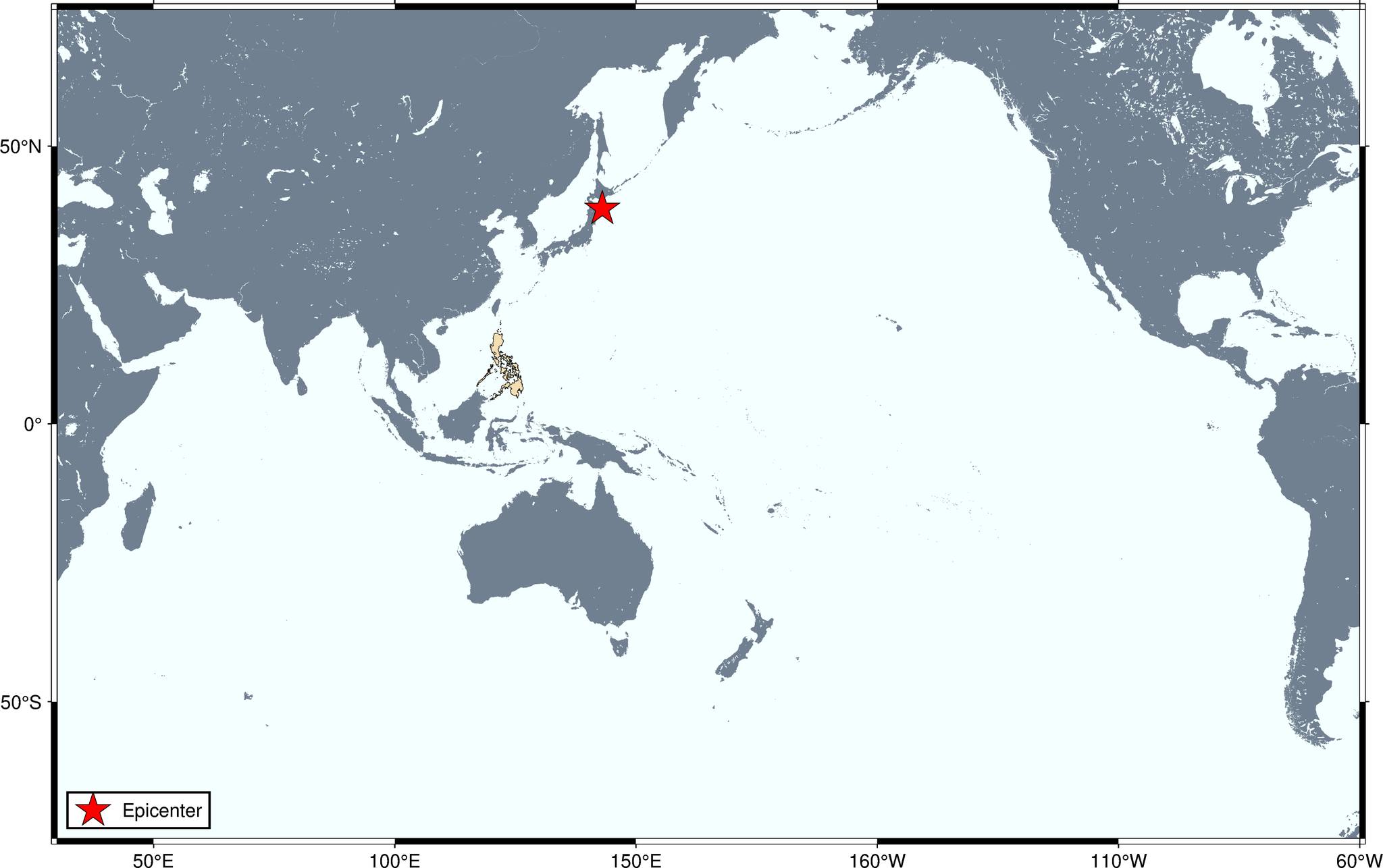
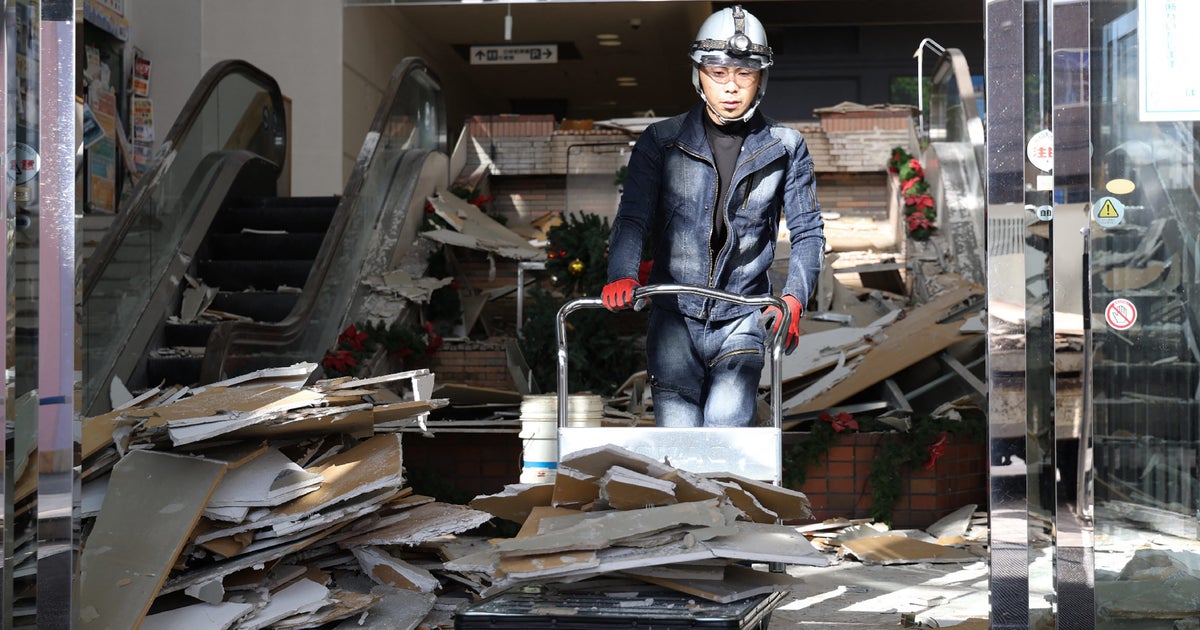
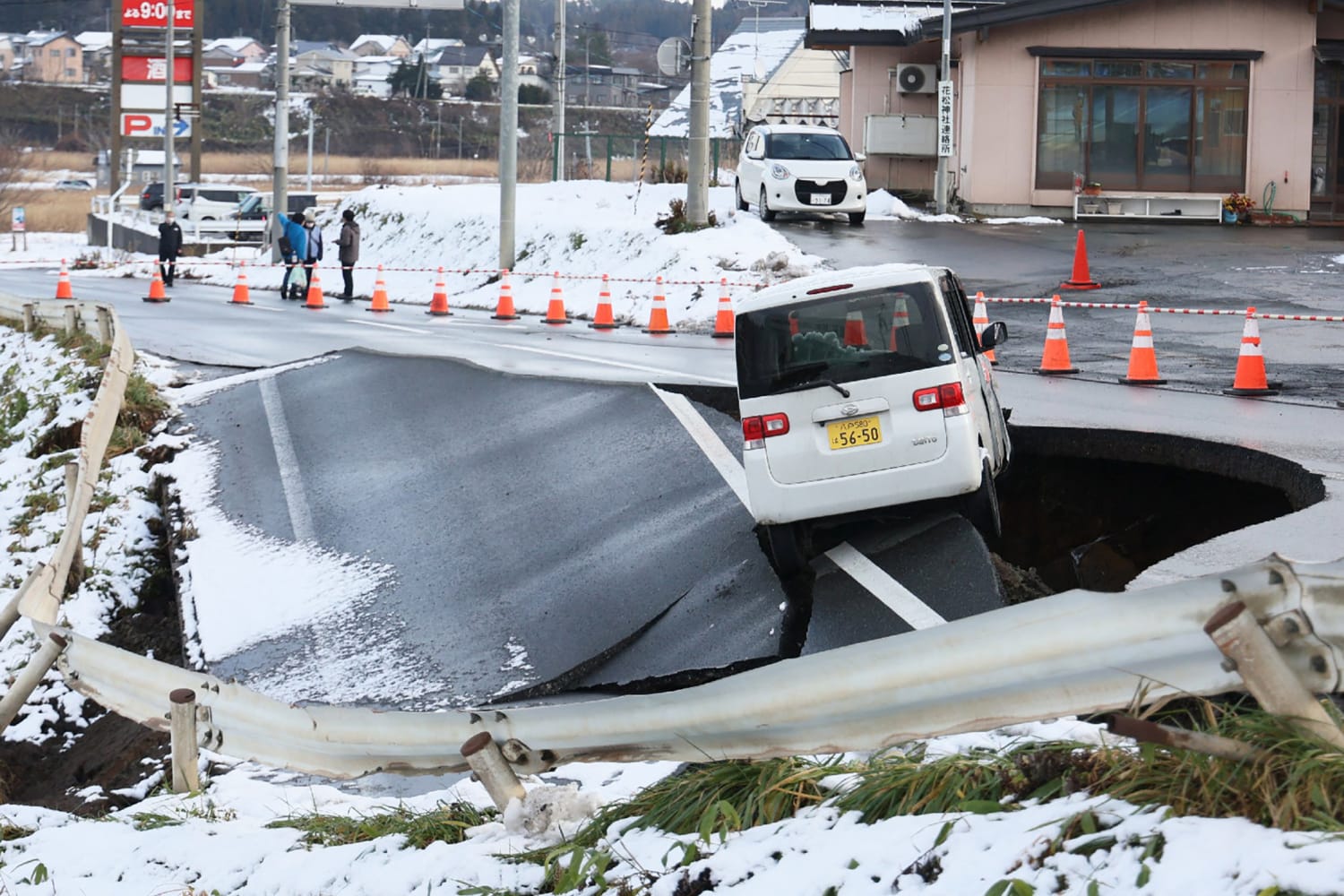
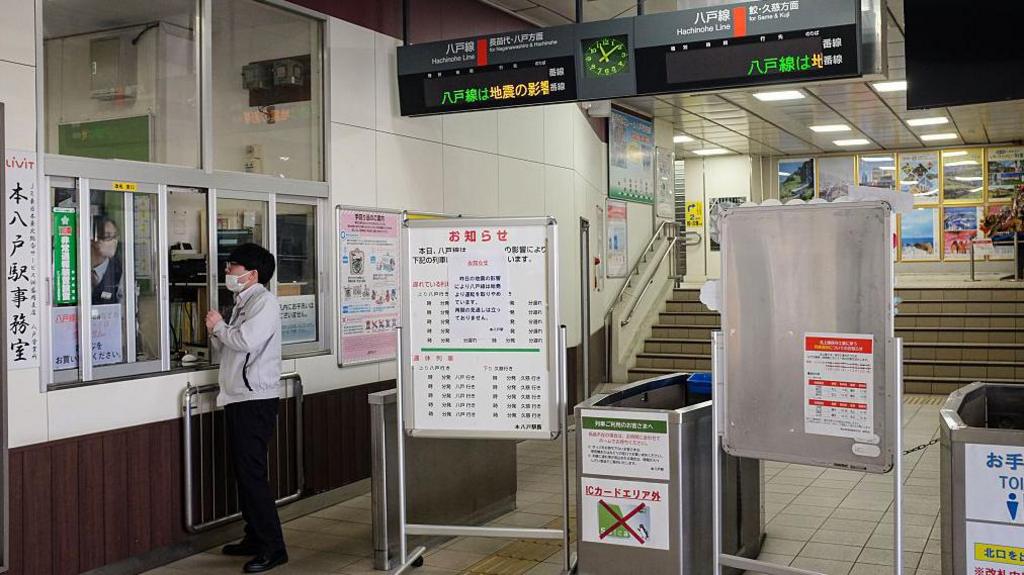
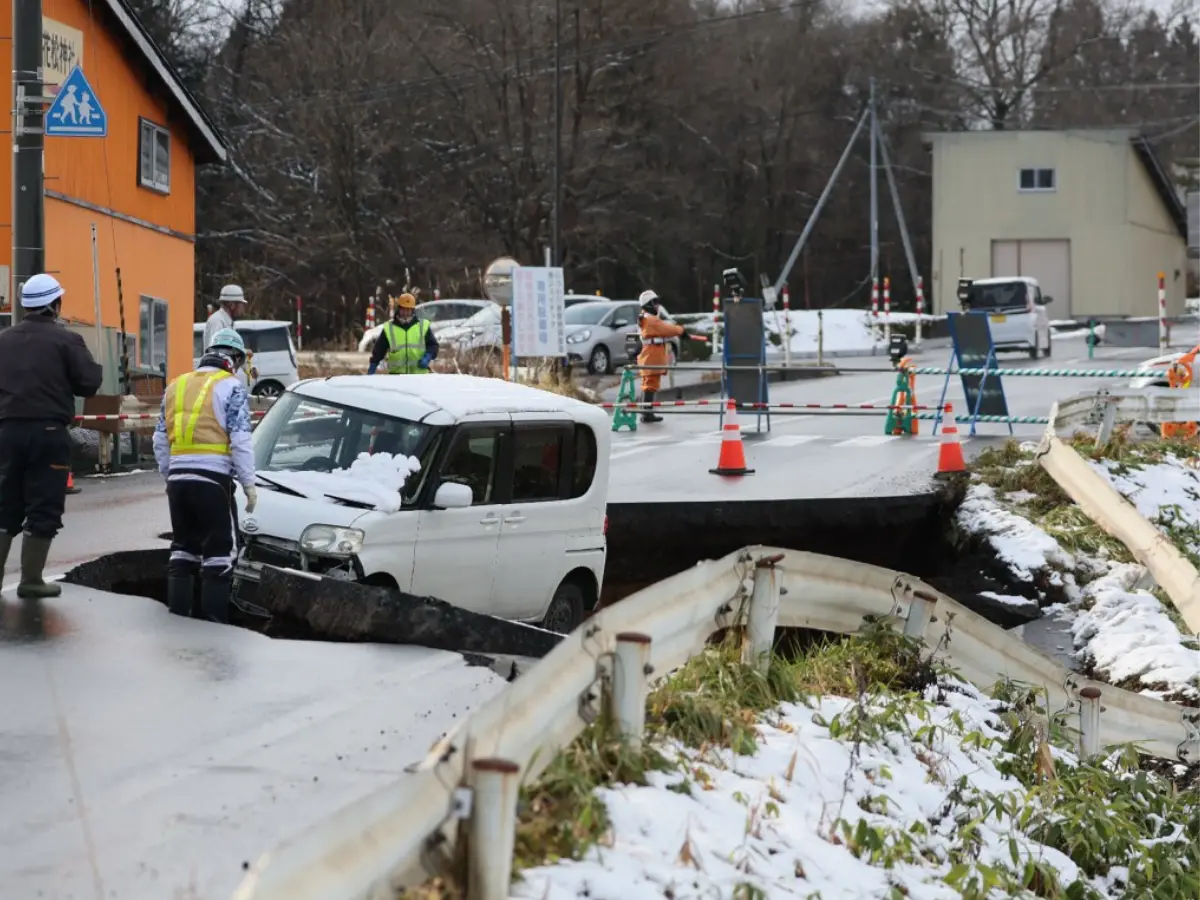
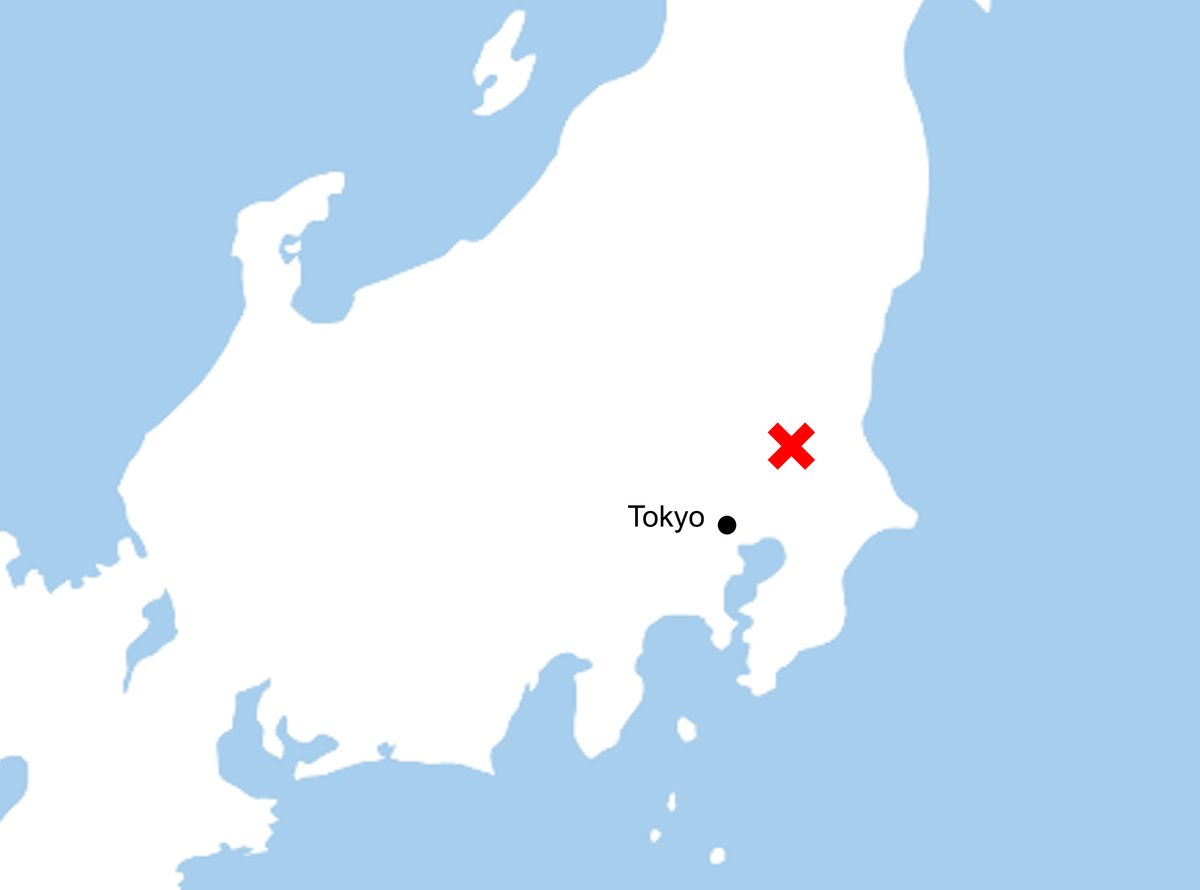
The recent seismic events in northeastern Japan underscore a critical geopolitical and economic vulnerability that extends far beyond immediate geological disruptions. With two significant earthquakes striking within days—a magnitude 7.5 quake followed by a 6.7 magnitude tremor—Japan's Ring of Fire location presents a persistent and complex risk management challenge.
Geological Precision and Economic Implications are starkly evident in the data. Japan experiences approximately 1,500 earthquakes annually, with the Japan Meteorological Agency estimating a 60-90% probability of a major earthquake in the Nankai Trough within the next 30 years. This isn't just a geological statistic—it's a potential multi-billion dollar economic disruption scenario that demands sophisticated national and international risk mitigation strategies.
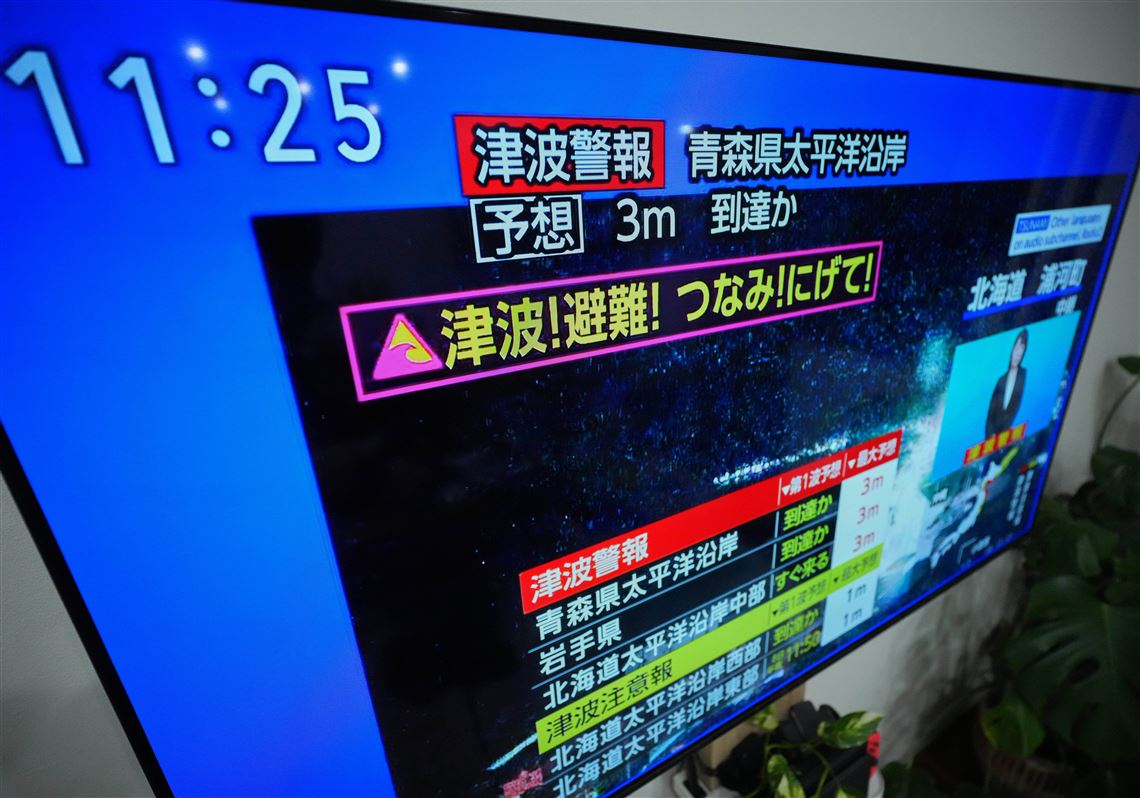
The strategic response reveals Japan's world-class resilience infrastructure. Despite evacuating 6,000 people in Mutsu city and recording tsunami waves, the country's engineering and emergency response protocols demonstrate remarkable adaptability. Prime Minister Sanae Takaichi's emphasis on vigilance and emergency preparedness reflects a systemic approach to managing chronic geological uncertainty. The Nuclear Regulation Authority's immediate assessment of facility safety further highlights Japan's commitment to comprehensive risk management.
From a logistics and supply chain perspective, these seismic events underscore the critical need for adaptive infrastructure design. Companies operating in or sourcing from Japan must develop multi-layered contingency plans that account for potential infrastructure disruptions. This includes diversified supplier networks, flexible transportation routes, and robust emergency communication systems that can rapidly respond to sudden geological events.
The broader implications extend beyond immediate recovery. Japan's continuous improvement of engineering and building codes represents a global benchmark in resilient infrastructure development. For international businesses, this presents both a challenge and an opportunity to learn from one of the world's most advanced risk management ecosystems.
Questions 3
What makes Japan's geological location so earthquake-prone?
Japan sits on the **Ring of Fire**, where multiple tectonic plates converge, creating a highly unstable geological environment. The country experiences around 1,500 earthquakes annually, with a 60-90% chance of a major earthquake in the Nankai Trough within 30 years, making it one of the most seismically active regions globally.
What makes Japan's earthquake response unique?
Japan's approach combines advanced **engineering standards**, comprehensive emergency protocols, and continuous infrastructure improvement. The country has developed world-class building codes, sophisticated early warning systems, and a national culture of preparedness that allows for rapid, coordinated responses to geological events.