
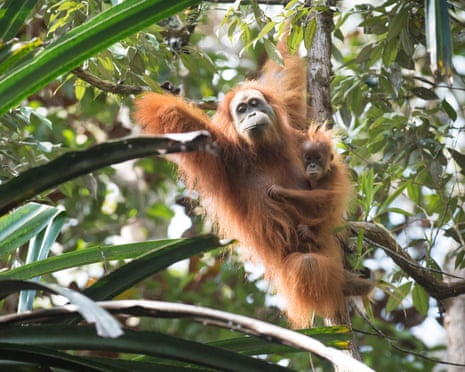



Extinction's Edge: How Catastrophic Floods Threaten the World's Rarest Orangutans
- Extreme Weather Pushes Critically Endangered Tapanuli Orangutans to the Brink of Survival



















)








Overview
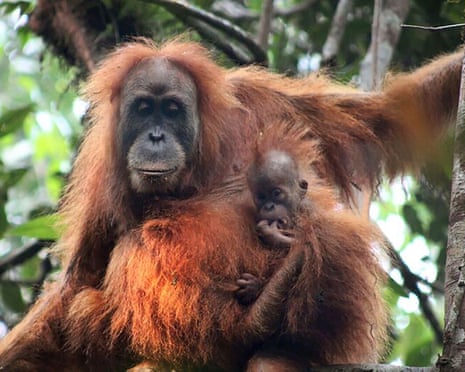
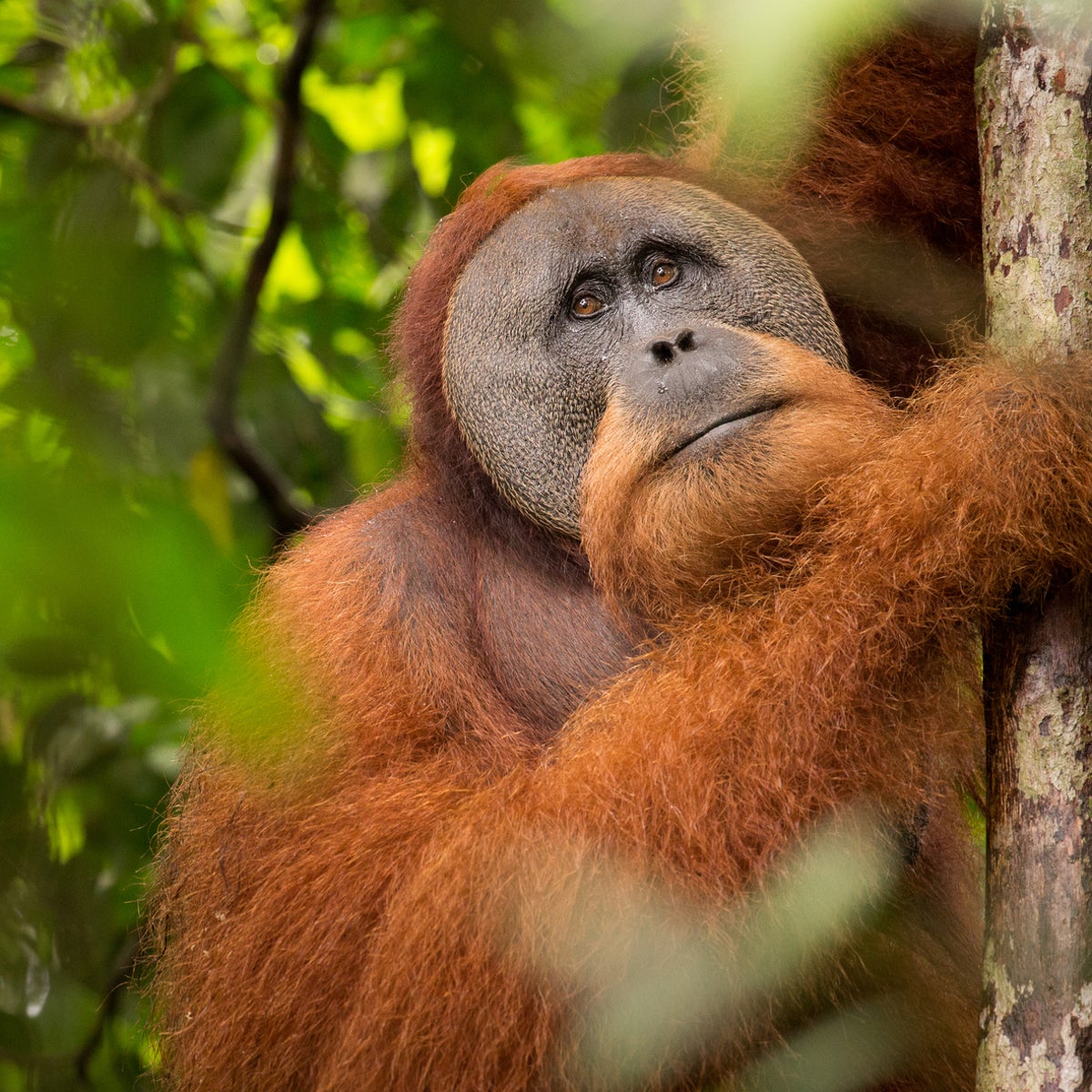
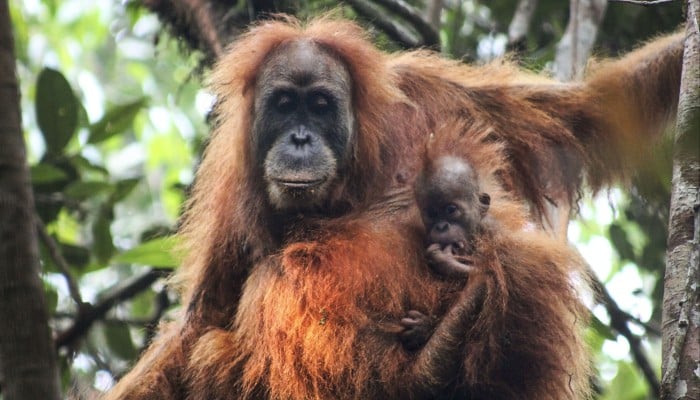
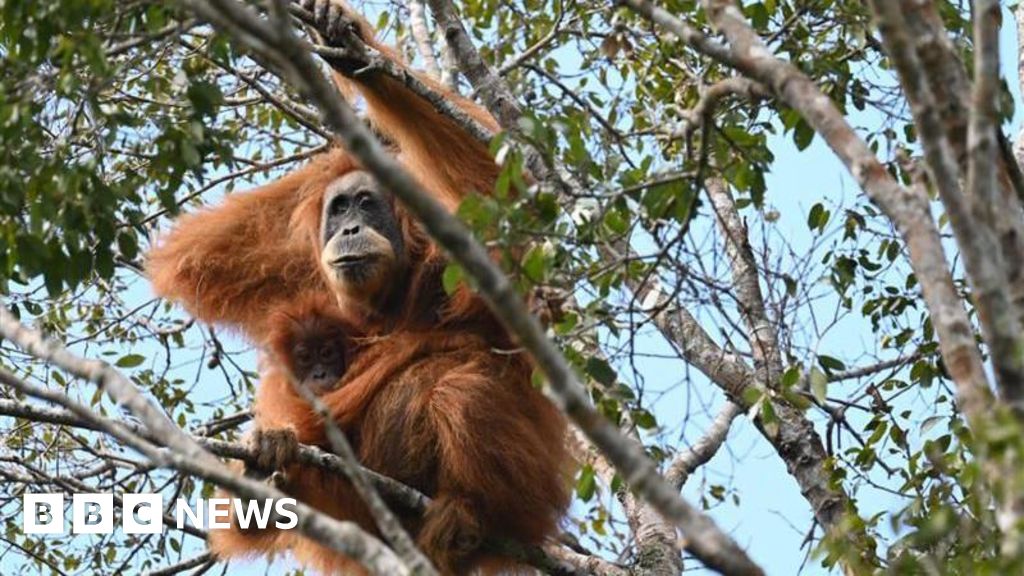
In a stark illustration of ecological vulnerability, the Tapanuli orangutan faces an unprecedented existential threat following catastrophic floods in Sumatra. With fewer than 800 individuals remaining globally, these primates have suffered a potentially extinction-level disturbance that could dramatically accelerate their path to complete disappearance.
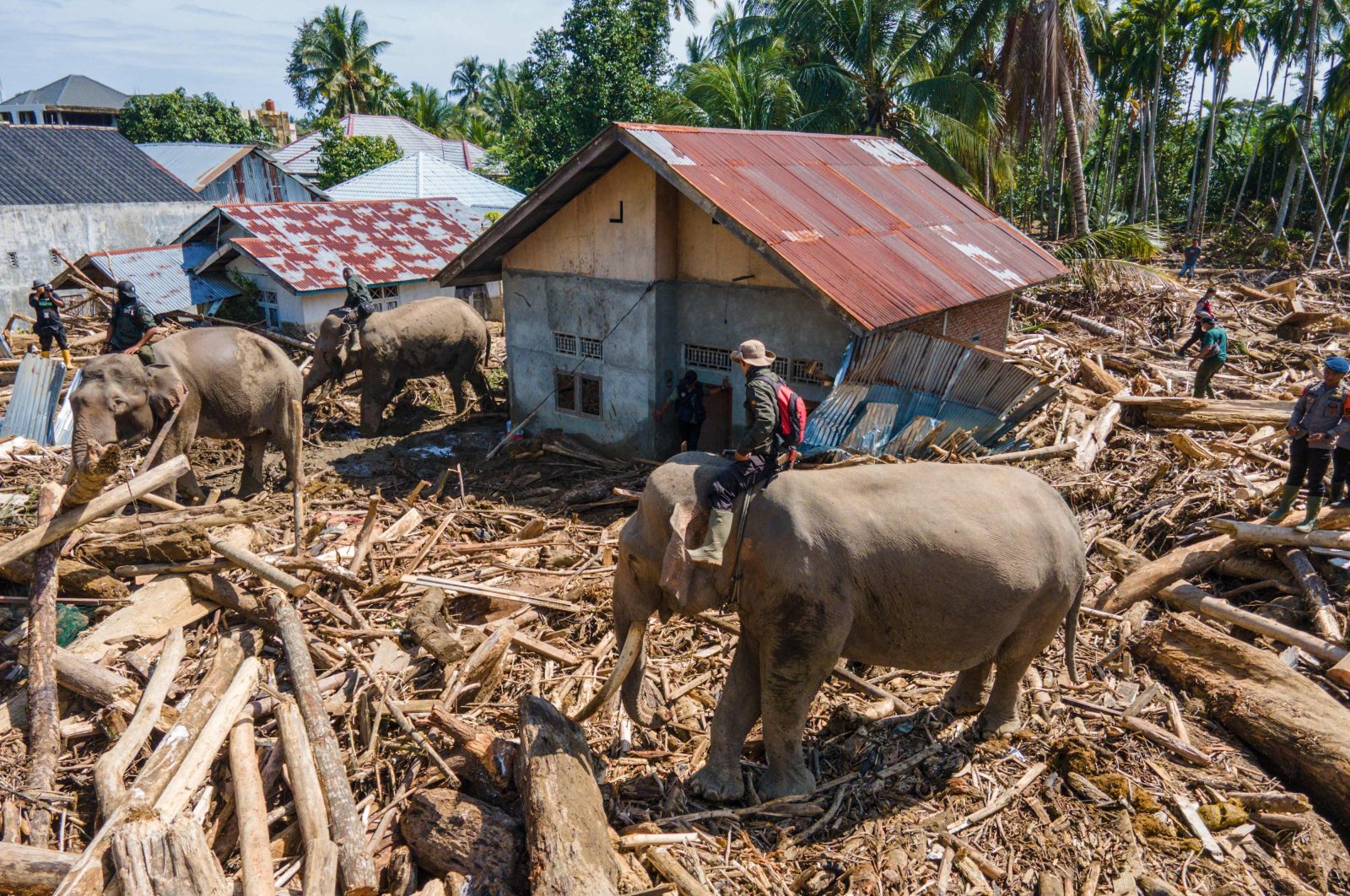
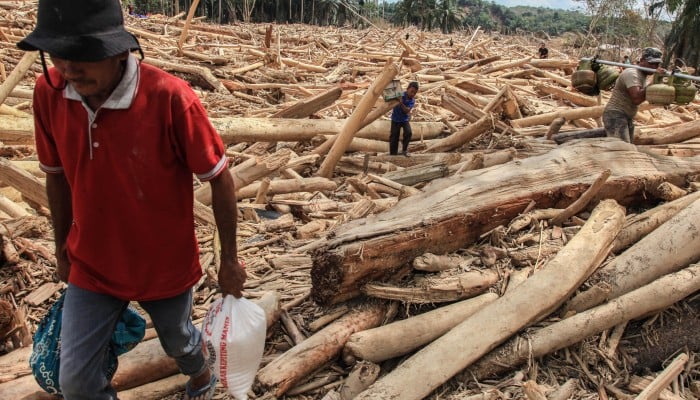
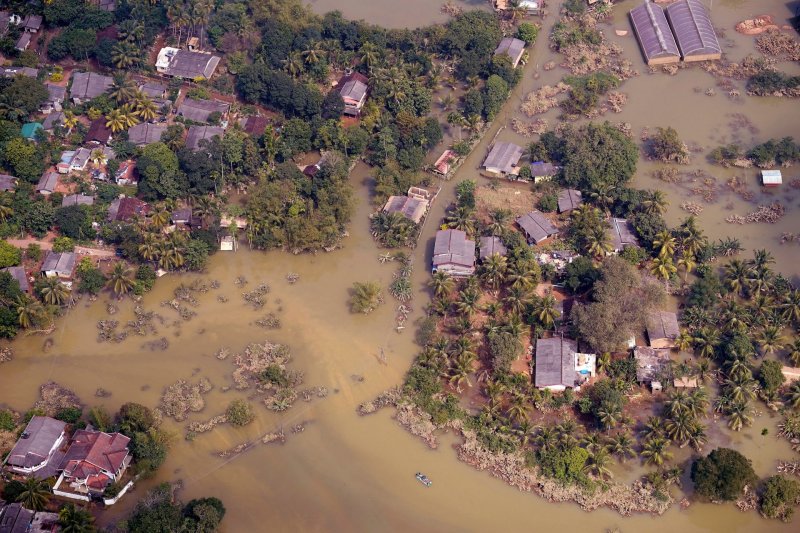
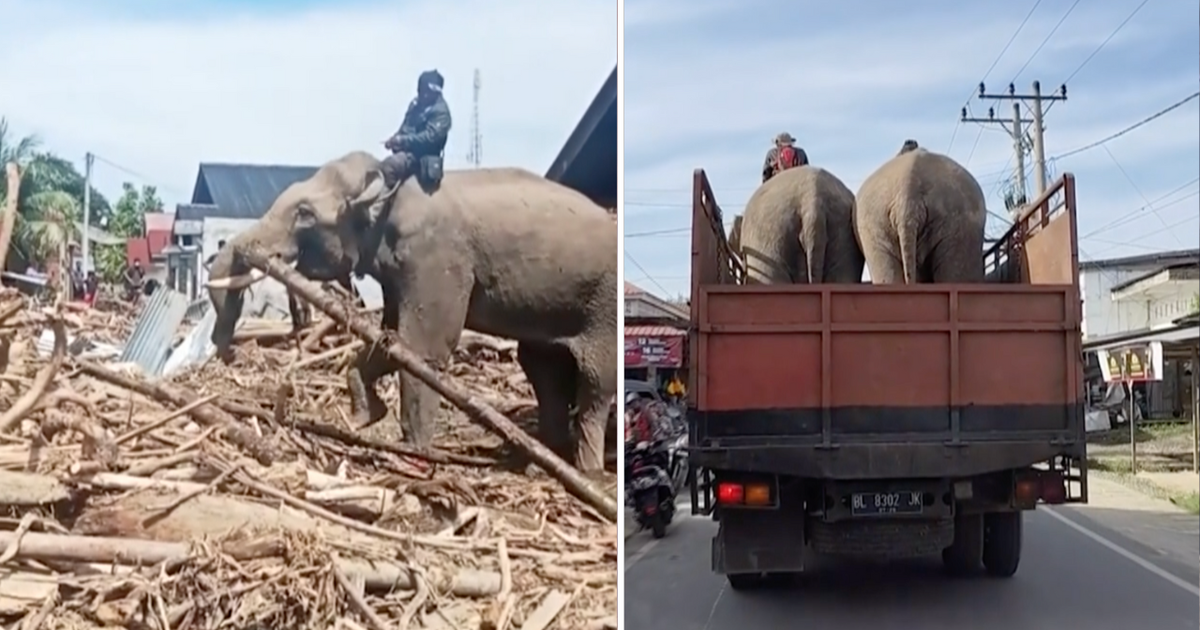
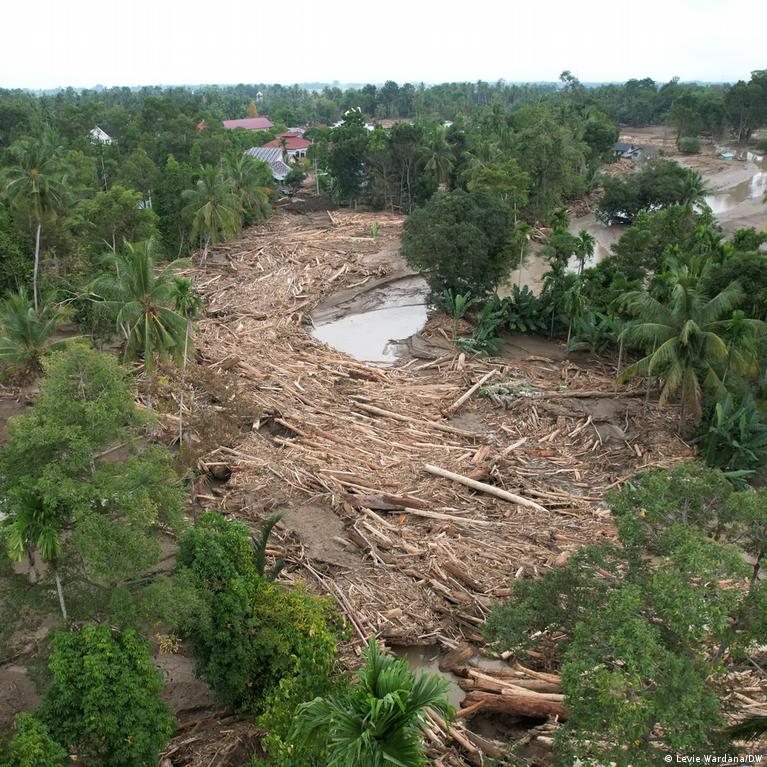
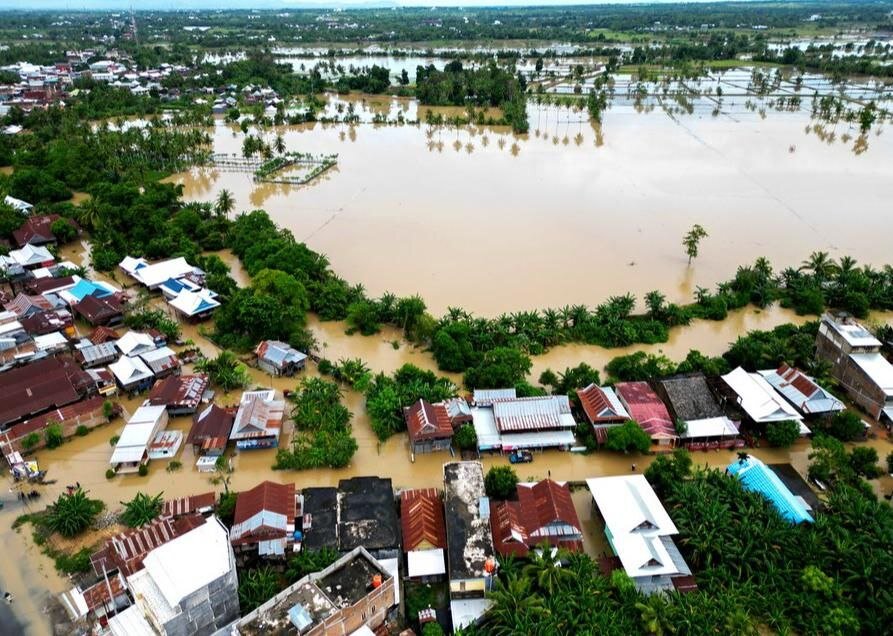
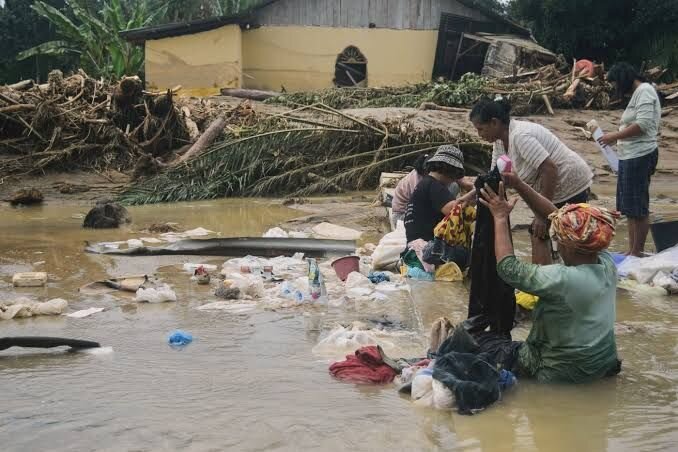
Extreme Weather as Extinction Catalyst: The late November floods, characterized by over 1,000mm of rainfall in just four days, triggered massive landslides that destroyed approximately 7,200 hectares of critical forest habitat. Experts like biological anthropologist Erik Meijaard warn that this represents a critical demographic shock, with estimates suggesting between 33 and 54 orangutans may have perished—a devastating loss for a species reproducing only every six to nine years.
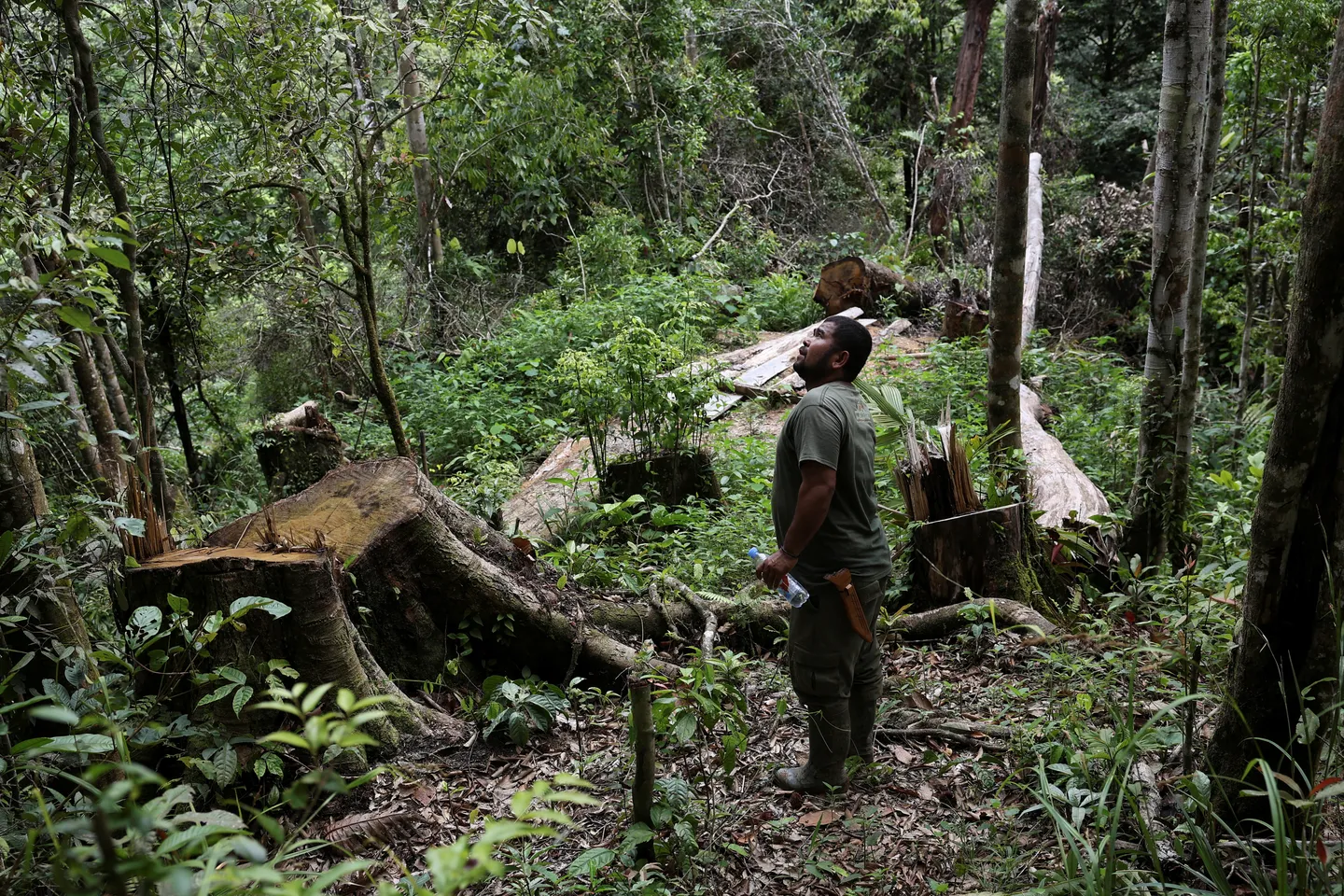
The disaster's impact extends far beyond immediate casualties. Habitat Destruction means remaining Tapanuli orangutans face compounded survival challenges. The floods eliminated not just individual animals but entire ecosystem infrastructures—destroying food sources, shelter, and the delicate ecological networks supporting these primates. Satellite imagery reveals nearly 4,000 hectares of intact forest were swept away, with an additional 2,500 hectares potentially affected.
What makes this event particularly alarming is the pre-existing vulnerability of the Tapanuli orangutan population. Already confined to a small forest area threatened by mining, palm oil plantations, and hydropower projects, these primates were operating on an extremely narrow survival margin. Losing even 1% of the population annually could drive the species to extinction—a threshold potentially breached by this single catastrophic event.
The destruction extends beyond wildlife, with critical research infrastructure also decimated. The world's first orangutan research centre in Ketambe was almost completely destroyed, further compromising scientific understanding and conservation efforts for this unique species.
This environmental catastrophe underscores a broader, more profound narrative: the increasing fragility of critically endangered species in the face of accelerating climate disruptions. For the Tapanuli orangutan, these floods represent more than a natural disaster—they are a potential point of no return in their struggle for survival.
Questions 4
What makes the Tapanuli orangutan unique among primate species?
The Tapanuli orangutan is the most recently discovered great ape species and is endemic to a small region in Sumatra. They are critically endangered, with an extremely limited population and habitat range, making them particularly susceptible to environmental changes.
What additional threats do Tapanuli orangutans face beyond flooding?
Beyond extreme weather, these orangutans are threatened by mining, palm oil plantations, and hydropower projects that continue to shrink their already limited forest habitat. Their confined geographic range makes them exceptionally vulnerable to environmental disruptions.