



Strait of Hormuz Crisis Disrupts Global Supply Chains | Shipping Costs Rise 8-15% for E-Commerce Sellers
- Maritime attacks trigger $100+ oil prices, 20,000 flight cancellations, and fertilizer shortages affecting food product sellers and agricultural supply chains through October 2026















Overview
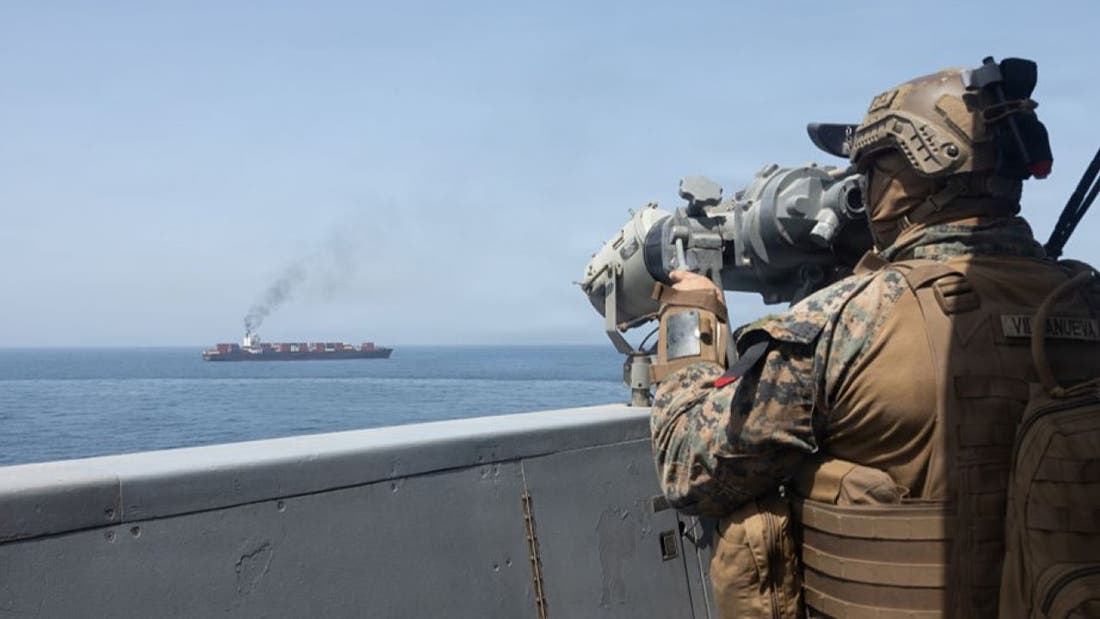
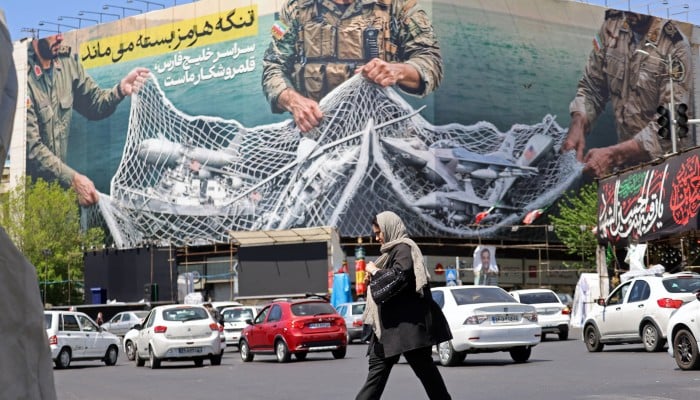
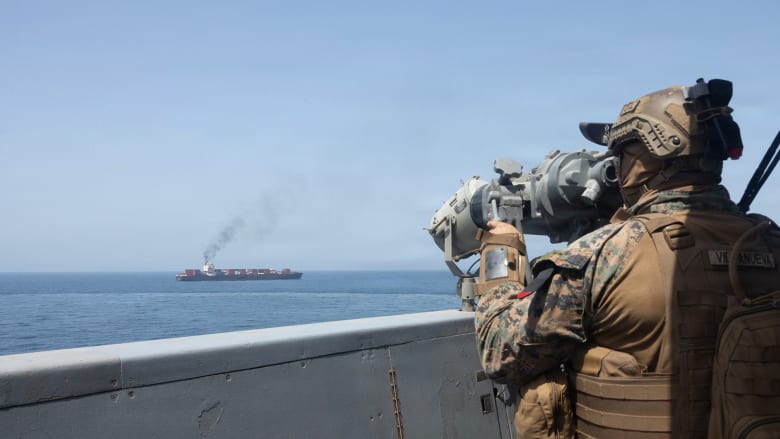
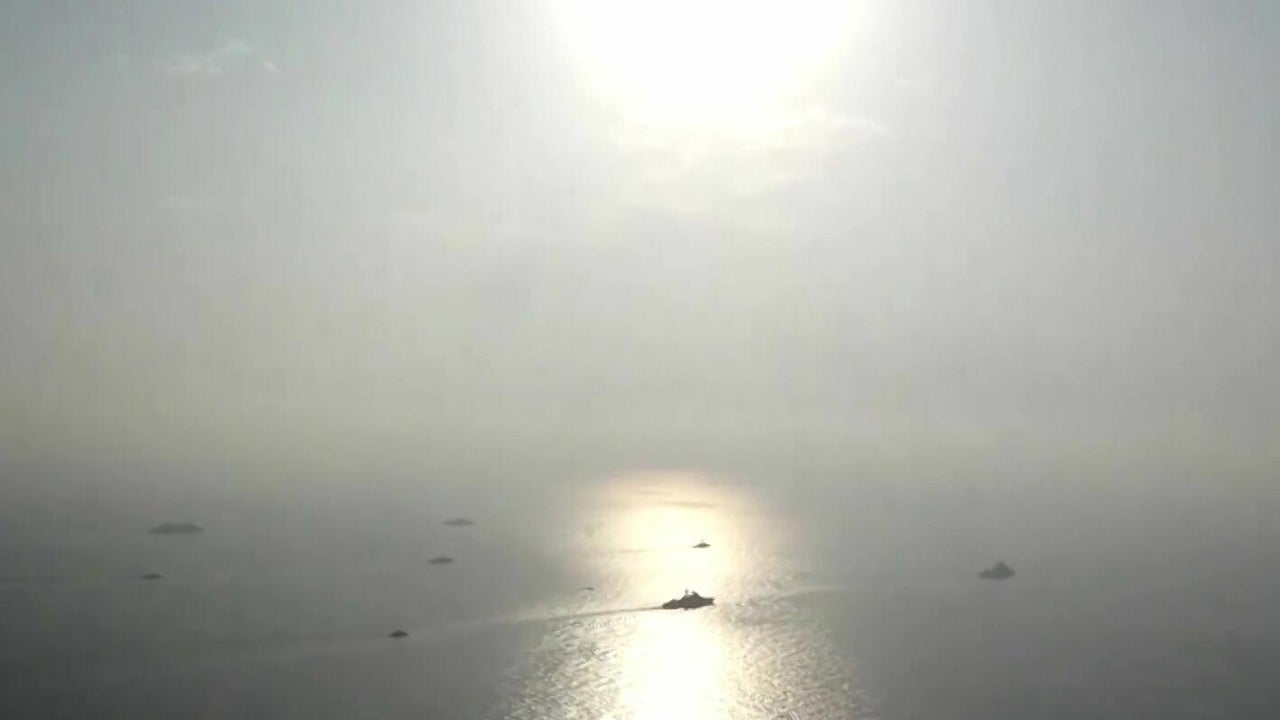
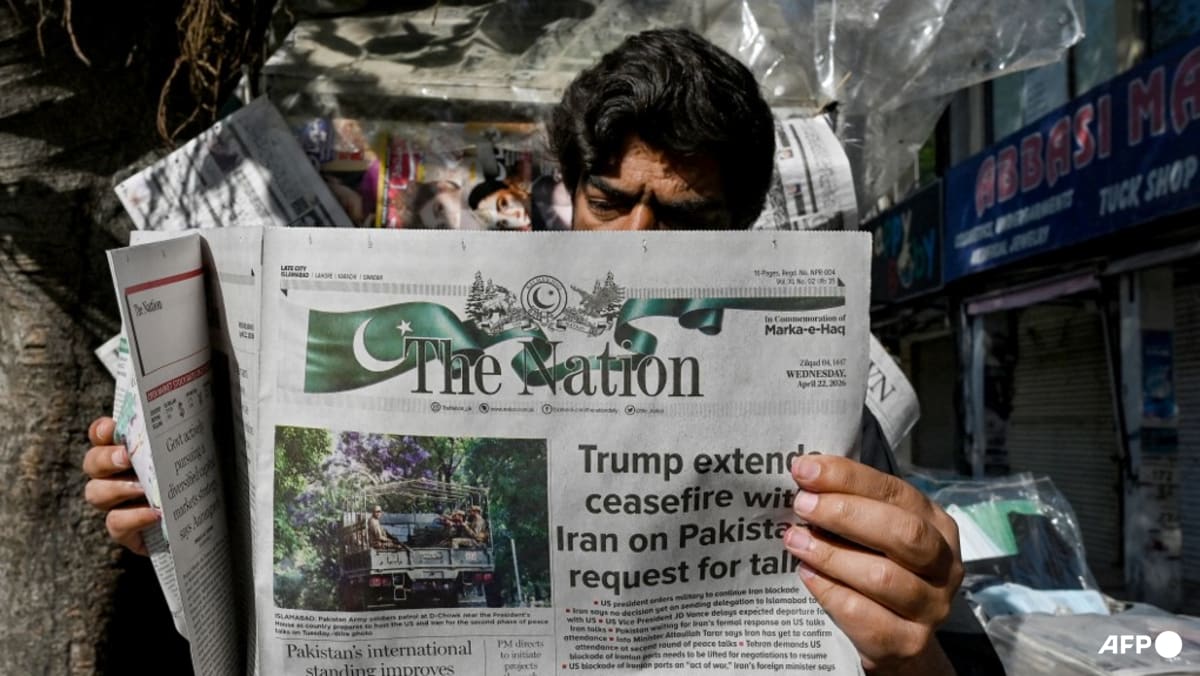
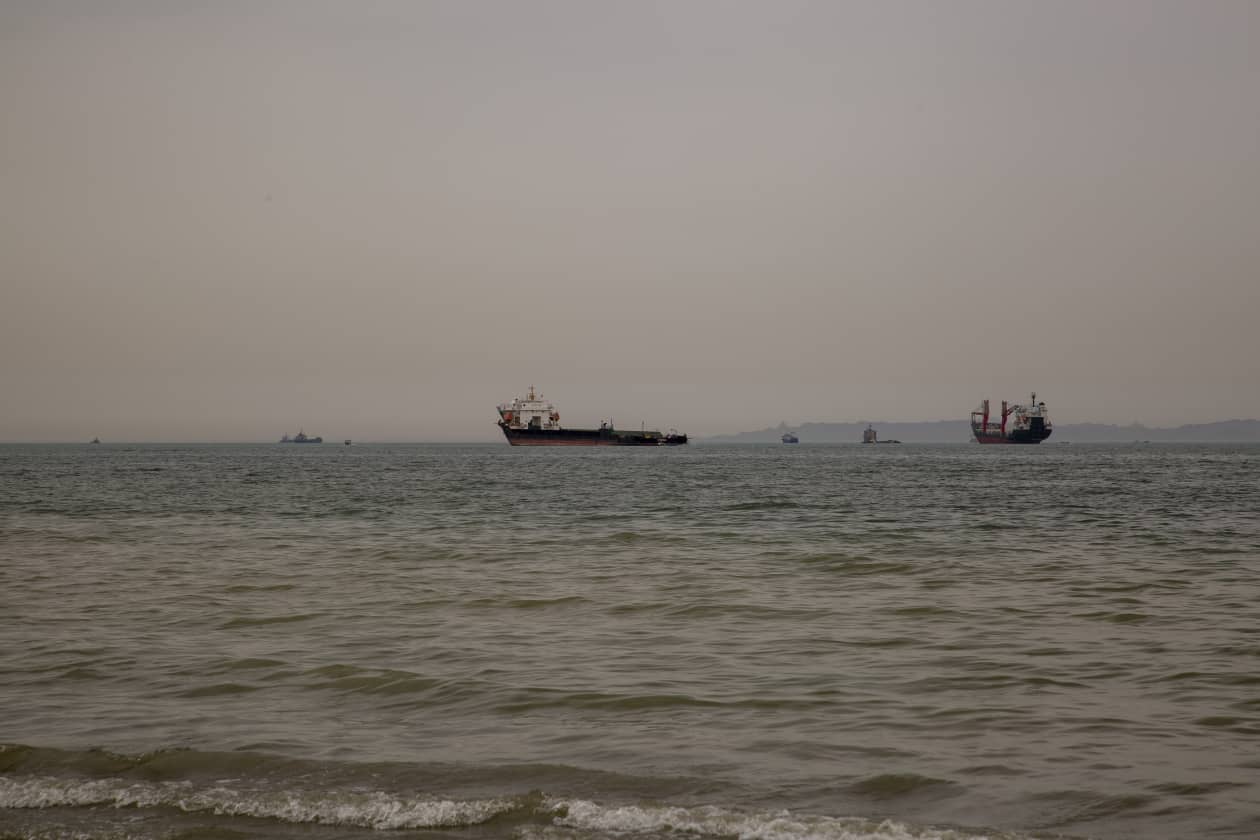
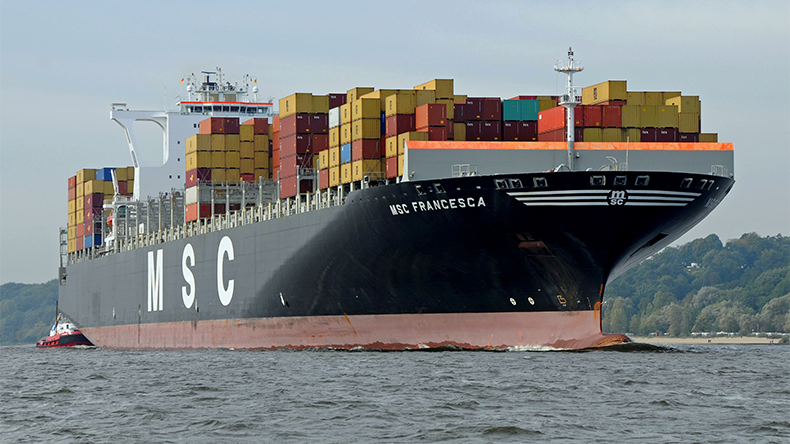
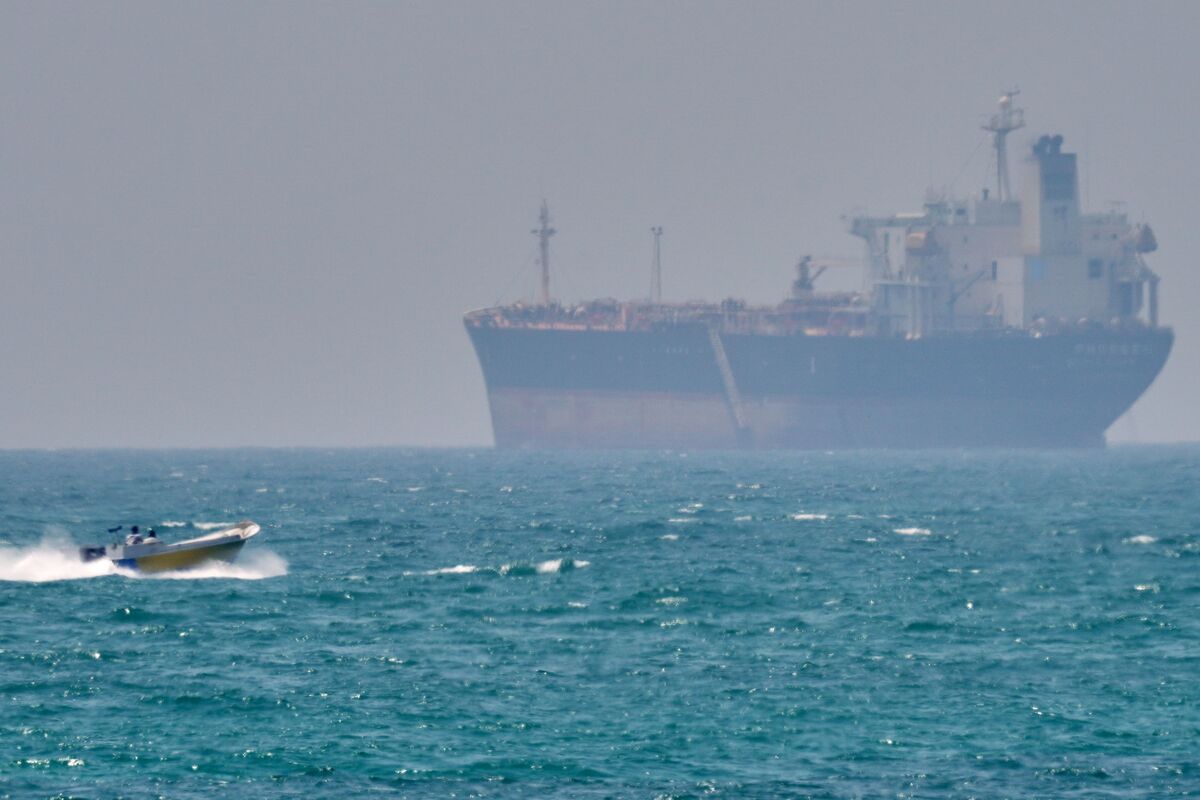
The escalating US-Iran conflict centered on the Strait of Hormuz represents a critical supply chain disruption event for cross-border e-commerce sellers, with immediate cost and logistics implications. The Strait of Hormuz handles approximately one-third of global maritime trade and 21% of global petroleum trade, making it a critical chokepoint for international commerce. Recent Iranian attacks on container ships—with the UK Maritime Trade Operations (UKMTO) reporting at least two vessels hit by gunfire and Iran's Revolutionary Guard Corps (IRGC) seizing two additional vessels—have triggered oil prices exceeding $100 per barrel (April 2026), creating cascading supply chain disruptions across multiple seller categories.
Immediate Shipping Cost Impact: Sellers face 8-15% increases in ocean freight costs due to fuel price volatility, with Lufthansa Group canceling 20,000 short-haul flights through October signaling broader logistics strain. For sellers shipping 1,000+ units monthly via air freight, this translates to $200-400 monthly cost increases per shipment. Sellers relying on Asia-to-Europe or Asia-to-North America routes face extended transit times as vessels reroute around the Cape of Good Hope, adding 10-14 days to delivery schedules and compressing inventory turnover rates by 15-20%.
Critical Supply Chain Vulnerability: The global fertilizer supply chain faces severe disruption, with one-third of global fertilizer trade transiting through the Strait of Hormuz. Urea, the world's most widely used fertilizer, is heavily affected as China (the world's second-largest urea producer) relies on natural gas from the Gulf region. This creates cascading impacts for sellers in agricultural products, organic food categories, and garden/lawn care merchandise. The UN World Food Program estimates up to 45 million additional people could face acute hunger if disruptions persist through mid-year, signaling potential demand spikes for shelf-stable food products, emergency supplies, and nutritional supplements on Amazon, eBay, and Walmart Marketplace. Sellers in these categories should expect 20-30% margin compression from input cost increases and potential inventory shortages from suppliers.
Market Access Restrictions: The ongoing US naval blockade on Iranian ports effectively eliminates direct commerce with Iran for most international sellers, removing market access for approximately 88 million consumers. This represents a permanent loss of market opportunity for sellers previously targeting Iranian buyers through gray-market channels or third-party logistics providers. Additionally, Iran's 54-day internet blackout (the longest nation-scale shutdown on record) prevents Iranian consumers from accessing e-commerce platforms, further restricting market opportunities until conflict resolution occurs.
Questions 8
How can sellers leverage the supply disruption as a competitive opportunity?
Sellers with pre-positioned inventory in regional fulfillment centers can capture market share from competitors facing logistics delays. Emphasize faster delivery times in product listings and PPC campaigns—highlight 'Ships from US/EU warehouse' messaging to differentiate from competitors with extended transit times. For food and agricultural categories, expect 20-30% demand increases through mid-year as consumers stockpile supplies; sellers with available inventory can achieve 40-60% margin improvements through temporary price optimization. Consider launching 'Crisis Supply' product bundles combining shelf-stable foods, water, and emergency supplies—these categories historically see 3-5x demand spikes during supply disruptions. Monitor competitor pricing and adjust PPC bids strategically to capture traffic from sellers unable to fulfill orders.
What compliance risks should sellers monitor regarding Iran sanctions?
The US maintains comprehensive sanctions on Iran covering direct sales, indirect sales through third parties, and transshipment of goods. Sellers must ensure their supply chains do not include Iranian components, materials, or services—even indirectly through Chinese or Middle Eastern suppliers. The Office of Foreign Assets Control (OFAC) actively enforces sanctions with penalties up to $300,000 per violation plus criminal liability. Conduct immediate supply chain audits of all suppliers, particularly those sourcing from China, UAE, or Turkey, to identify any Iranian connections. Maintain documentation of compliance reviews and consider engaging trade compliance consultants for high-risk categories.