

Mexico Tourism Security Upgrades Drive Seller Opportunities in Travel Safety Products | 2026
- 1.8M annual Teotihuacán visitors + 16M foreign arrivals signal robust Mexico travel demand; security infrastructure investments create cross-border e-commerce opportunities in safety equipment, travel accessories, and tourism-related merchandise


Overview
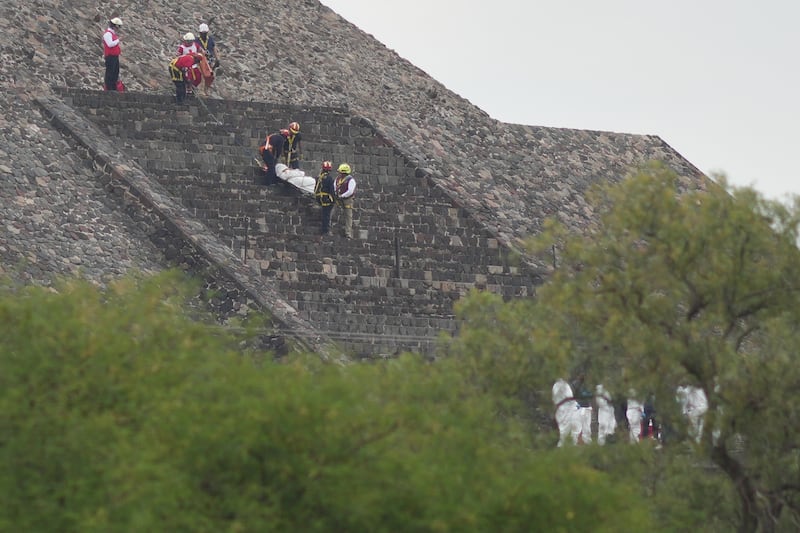
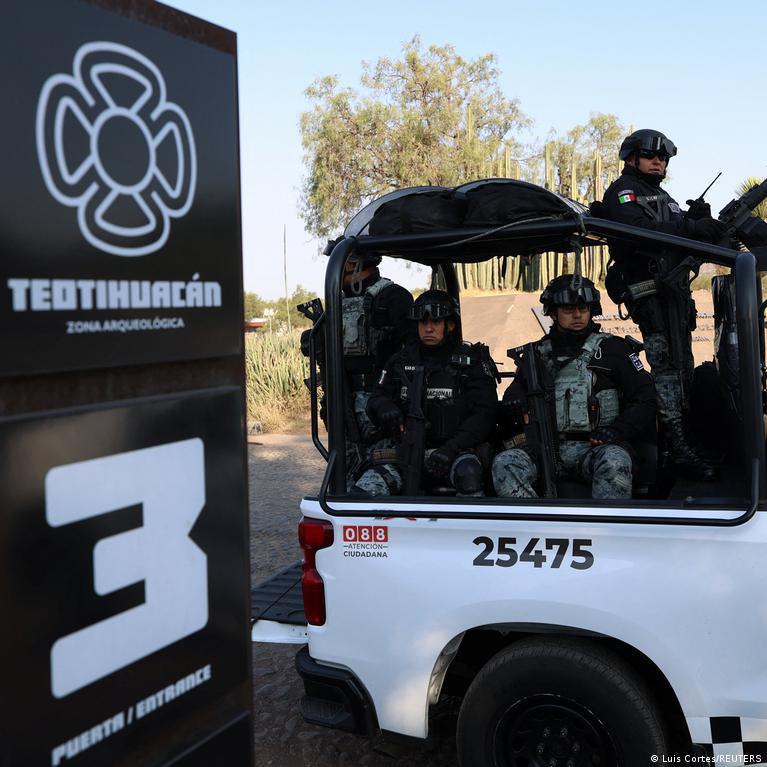
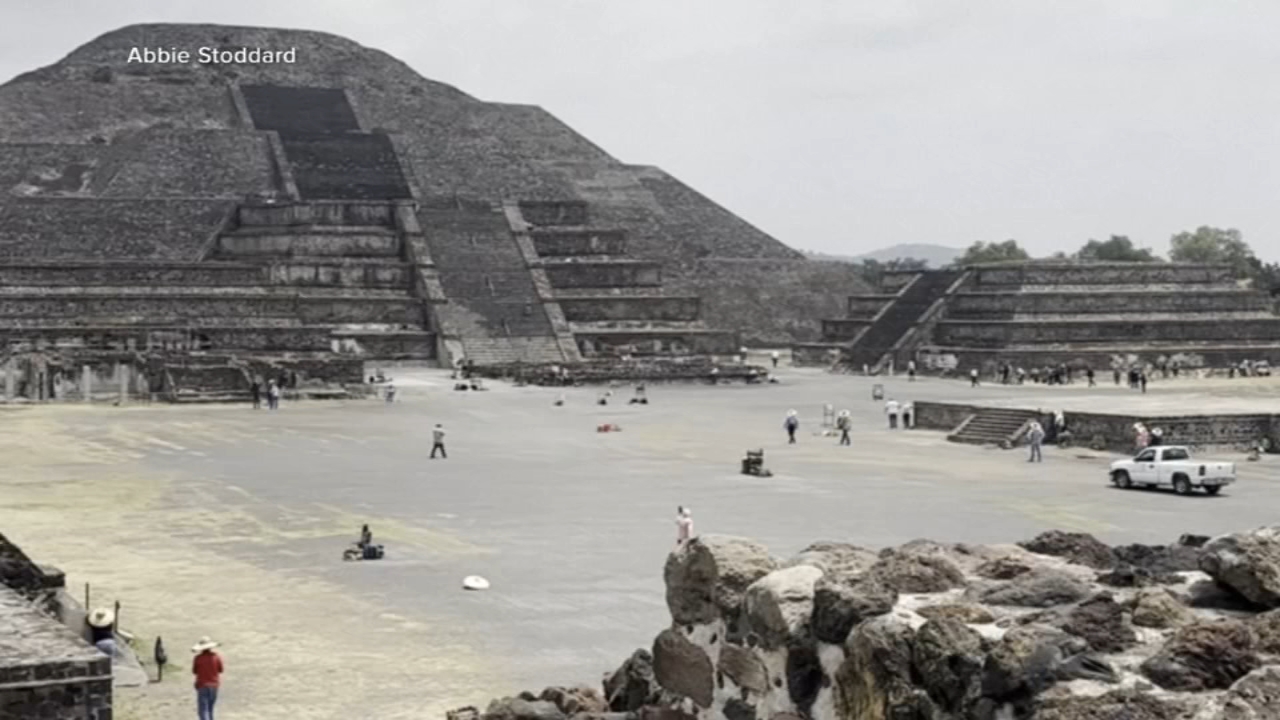
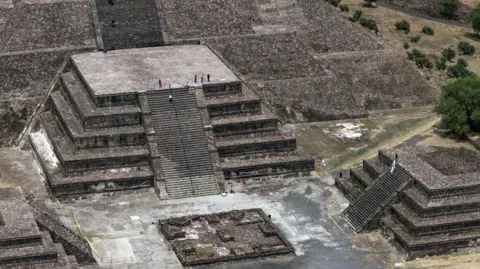
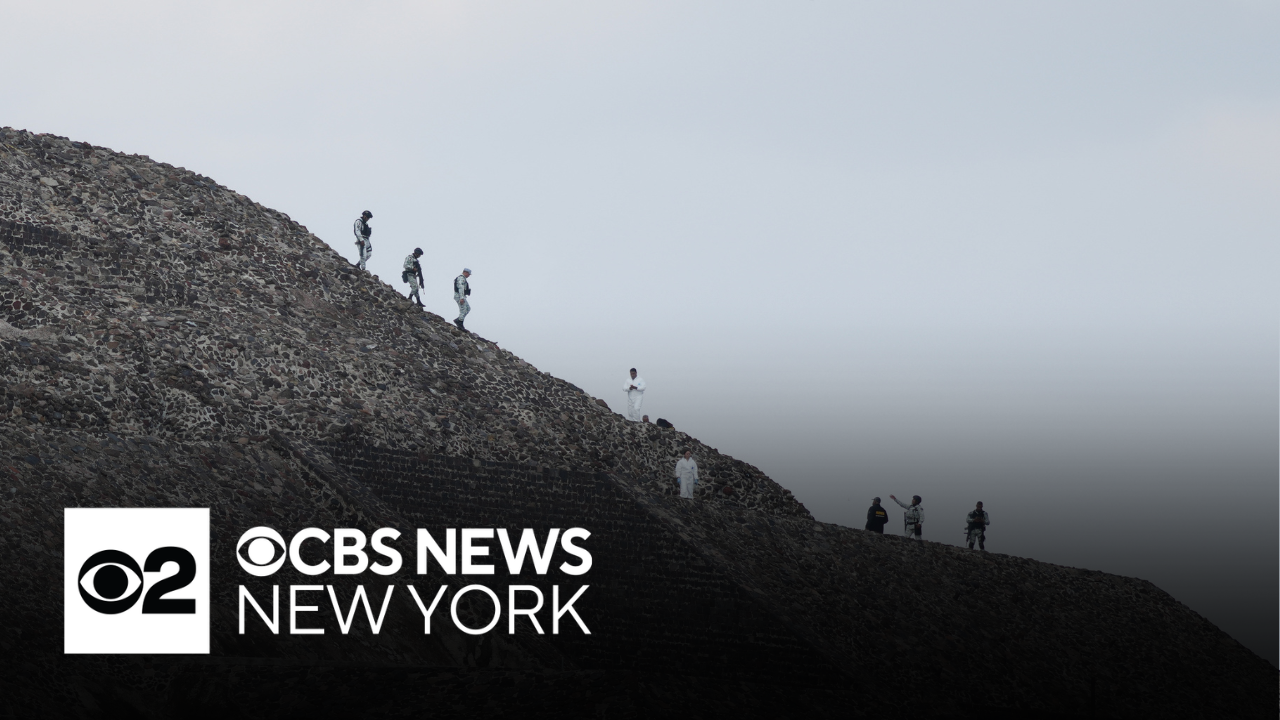
The April 20, 2026 security incident at Mexico's Teotihuacán archaeological site—one of the country's most visited tourist destinations attracting 1.8 million annual visitors—has triggered significant infrastructure investments that create indirect but meaningful opportunities for cross-border e-commerce sellers. Mexican President Claudia Sheinbaum's immediate response included nationwide security upgrades at archaeological and tourist sites, with metal detector installations at Teotihuacán's entrances and reinforced security protocols implemented within days of the incident. This represents a critical market signal: Mexico is actively investing in tourism infrastructure security ahead of hosting the FIFA World Cup beginning June 11, 2026, with 16 million foreign arrivals already recorded between January-February 2026.
For e-commerce sellers, this creates three distinct opportunity vectors. First, the security infrastructure expansion drives demand for travel safety products—personal security devices, travel insurance information products, safety guides, and protective equipment that appeal to international tourists and domestic travelers concerned about destination safety. Sellers can capitalize on heightened consumer awareness around travel security by offering curated product bundles targeting the 16M+ annual foreign visitors to Mexico. Second, the tourism recovery narrative (Sheinbaum's emphasis on Mexico's safety for visitors despite the incident) signals strong consumer confidence in Mexico as a travel destination, driving demand for tourism-adjacent merchandise: travel guides, cultural merchandise, archaeological site replicas, and destination-specific apparel. Third, the World Cup hosting (June 11 start date) creates a 6-8 week window for event-related merchandise, hospitality products, and sports tourism items that sellers can source and list across Amazon, eBay, and Shopify before peak demand.
The operational context matters: Mexico's tourism sector represents a $30B+ annual market, and security-conscious travelers increasingly purchase travel safety products online before departure. The incident's timing—occurring during peak spring travel season—demonstrates sustained demand despite security concerns. Sellers should monitor Mexico-focused tourism categories on Amazon (travel guides, luggage accessories, safety products) where search volume typically spikes 40-60% during major events. The World Cup hosting provides a 6-month runway for sellers to establish listings, build reviews, and optimize for "Mexico travel," "World Cup merchandise," and "travel safety" keywords before June 2026 peak season.
Questions 8
How can sellers optimize listings for Mexico travel search demand?
Target high-intent keywords: 'Mexico travel safety products,' 'Teotihuacán tourism guide,' 'World Cup 2026 merchandise,' 'Mexico travel accessories.' Use long-tail keywords reflecting consumer concerns post-incident: 'safe travel Mexico,' 'Mexico tourist essentials,' 'travel security devices.' On Amazon, optimize product titles (55-60 characters) with primary keyword first: 'Mexico Travel Safety Kit | TSA Approved Luggage Locks.' Include 'World Cup 2026' in backend keywords for event-driven traffic. On Shopify, create blog content around 'Mexico travel safety tips' and 'World Cup 2026 guide' to drive organic traffic. Monitor search volume trends on Amazon Keyword Tool and Google Trends—Mexico travel searches typically spike 30-50% during major events.
What are the best platforms for selling Mexico tourism merchandise?
Amazon dominates travel and tourism merchandise with dedicated categories (travel guides, luggage, safety products) and strong international shipping infrastructure. eBay excels for collectibles and event merchandise (World Cup items, archaeological replicas). Shopify enables niche positioning for specialized tourism stores (Mexico travel guides, cultural merchandise, adventure gear). For cross-border sellers, Amazon FBA offers fastest fulfillment to Mexico (2-3 days from US warehouses), while eBay Global Shipping Program handles international logistics. Shopify requires manual shipping setup but offers highest margins. Sellers should test all three platforms with 10-20 SKUs each to identify best-performing channels before scaling inventory.