




Truth Social Platform Collapse | Emerging Opportunity in Political Merchandise & Niche Social Commerce
- $6B investor loss signals market demand for alternative platforms; sellers can capitalize on political merchandise, Truth Social merchandise, and decentralized social commerce trends












Overview
The collapse of Trump Media & Technology Group—with stock plummeting 67% from $58 to below $10, erasing $6 billion in investor value—represents a critical inflection point in alternative social platform viability and reveals significant e-commerce opportunities for sellers. The company's $3.7 million annual revenue against $712 million in losses demonstrates the fundamental challenge of monetizing niche social platforms, yet the underlying consumer demand for "free-speech" alternatives remains robust. This market failure creates three distinct seller opportunities: (1) Political merchandise expansion across Trump-themed apparel, collectibles, and memorabilia categories, which historically surge during political transitions and leadership changes; (2) Truth Social-adjacent product categories including alternative platform merchandise, decentralized social network branded goods, and political commentary apparel; and (3) Cryptocurrency merchandise and NFT collectibles tied to World Liberty Financial and blockchain-based social platforms, a category experiencing renewed interest despite regulatory uncertainty.
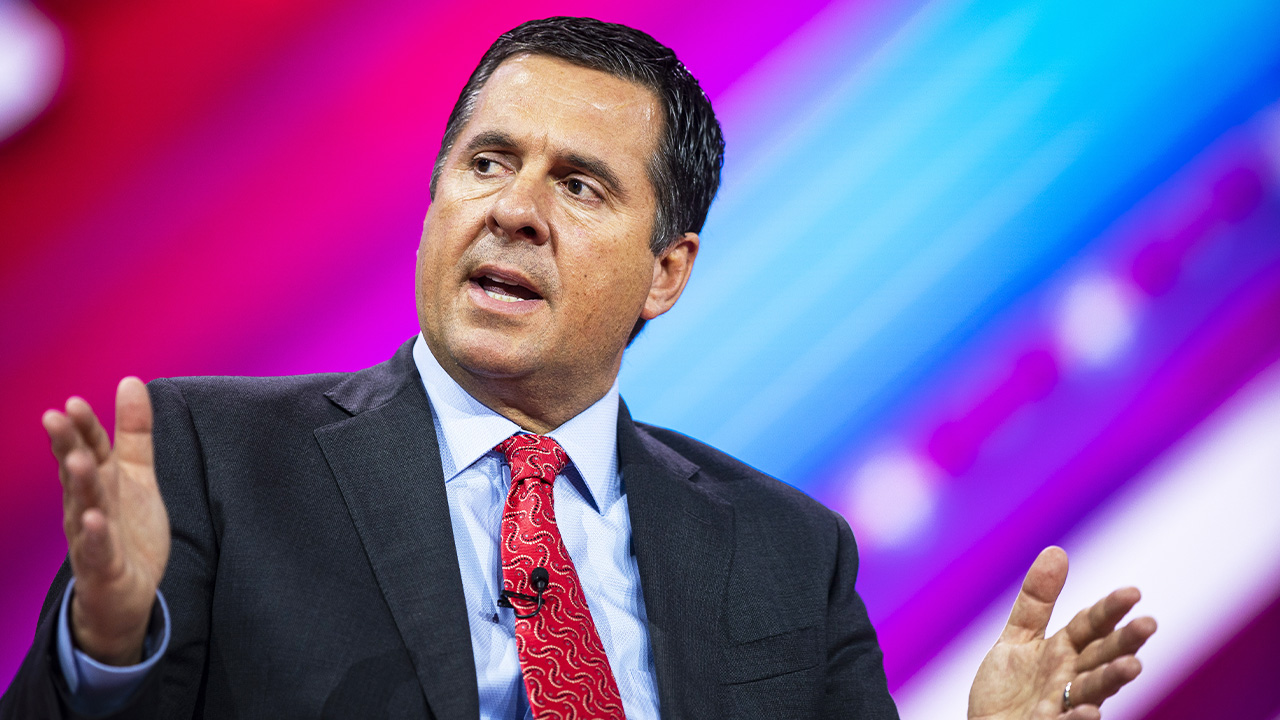
The leadership transition from Devin Nunes to Kevin McGurn signals potential strategic pivots toward cryptocurrency integration, prediction markets, and merger opportunities with TAE Technologies (fusion energy). For e-commerce sellers, this indicates emerging demand for crypto-related merchandise, blockchain educational products, and energy technology collectibles. The company's accumulated $1.1 billion in losses and multiple strategic pivots (cryptocurrency ventures, prediction markets, fusion energy merger discussions) suggest sellers should monitor Truth Social's evolution as a potential marketplace platform itself—similar to how emerging social platforms (TikTok Shop, Instagram Shopping) create new distribution channels.
The cryptocurrency lawsuit involving Justin Sun and World Liberty Financial frozen tokens highlights regulatory and compliance risks in this emerging category. Sellers entering political merchandise, cryptocurrency-themed products, or alternative platform merchandise must navigate potential regulatory scrutiny, platform policy changes, and consumer sentiment volatility. The ethics concerns raised regarding presidential business conflicts may impact consumer purchasing decisions and brand safety considerations for sellers. However, the persistent audience engagement on Truth Social (despite low monetization) and the Trump family's continued board involvement suggest sustained consumer interest in related merchandise categories. Sellers should view this as a market maturation moment: the platform's failure to monetize doesn't eliminate consumer demand for political merchandise, alternative platform merchandise, or cryptocurrency-related products—it simply shifts the distribution channel from Truth Social's native marketplace to established e-commerce platforms like Amazon, eBay, and Shopify.
Questions 8
What product categories show highest demand from Truth Social's user base?
Truth Social's 4-5 million users represent a politically-engaged demographic with demonstrated interest in: (1) political merchandise and apparel (highest volume, $15-50 price points); (2) alternative media and free-speech themed products ($20-100); (3) cryptocurrency and blockchain merchandise ($10-75); (4) patriotic and nationalist collectibles ($8-200); (5) commentary and satire merchandise ($12-40). These categories historically show 30-50% higher engagement rates on Amazon and eBay compared to mainstream merchandise. Sellers should focus on limited-edition drops, exclusive designs, and community-driven product development to capture this audience's preference for niche, identity-affirming merchandise. Monitor Truth Social's announcement feed and trending topics to identify emerging product opportunities.
How does Truth Social's platform failure impact emerging social commerce strategies?
Truth Social's inability to monetize despite 4-5 million users demonstrates that niche social platforms struggle to build sustainable e-commerce ecosystems. For sellers, this validates a multi-platform distribution strategy: rather than relying on single platforms (Truth Social, TikTok Shop, Instagram Shopping), successful sellers maintain presence on established marketplaces (Amazon, eBay, Shopify) while using social platforms for traffic generation only. The company's pivot toward cryptocurrency, prediction markets, and merger discussions suggests future monetization may come through financial services rather than native marketplace features. Sellers should view emerging platforms as marketing channels, not primary sales channels, and continue building inventory and fulfillment infrastructure on proven e-commerce platforms.