


)
UK Inflation 3.3% & Food Price Surge | Critical Seller Margin Compression Alert
- Food producers warn 9-10% price increases by year-end; energy costs up 25-40p/litre; consumer spending caution threatens retailer margins across UK/EU marketplaces



































Overview
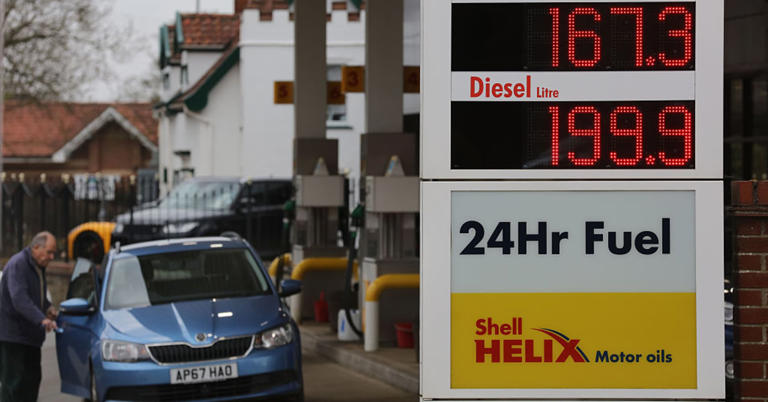
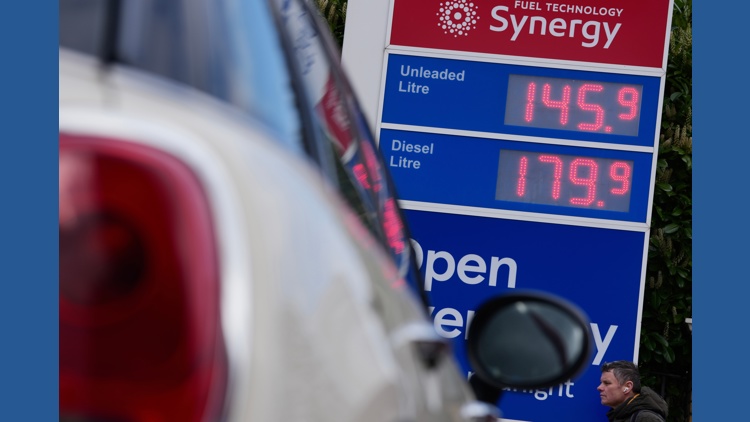
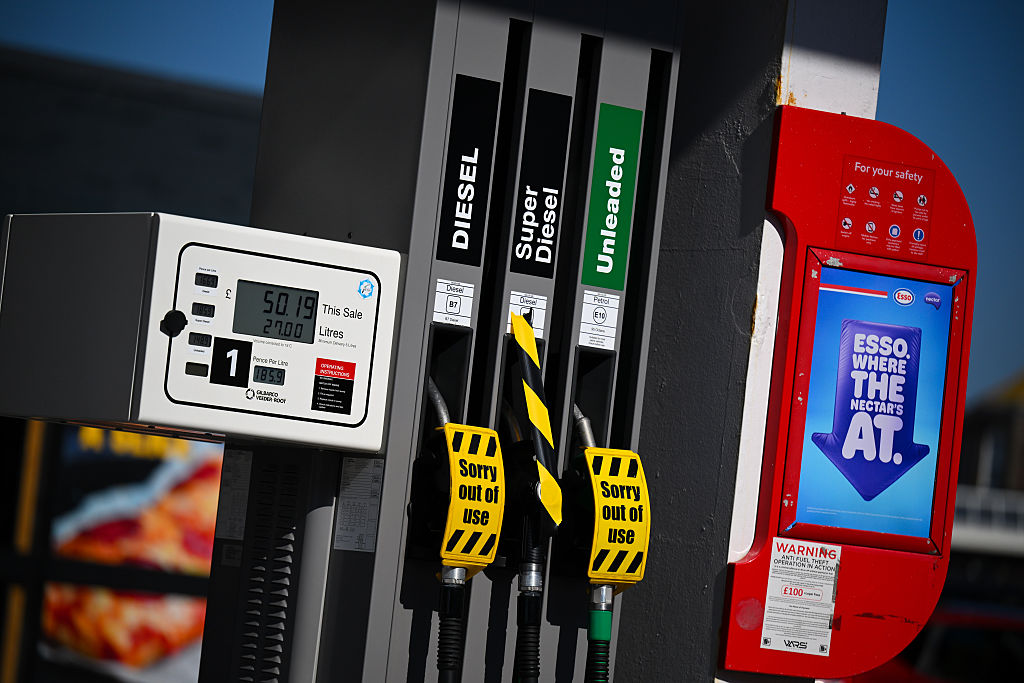
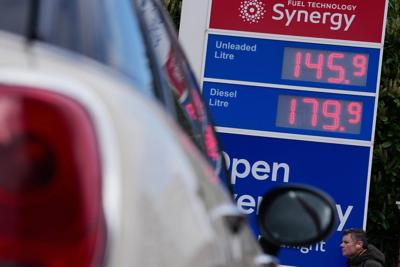
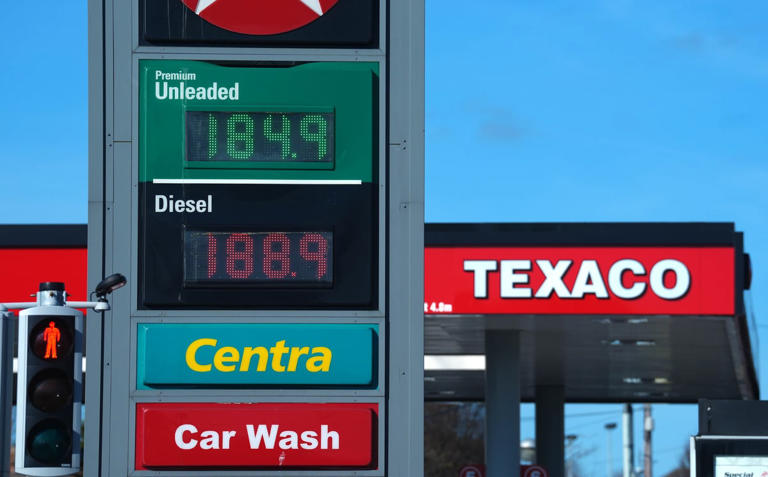
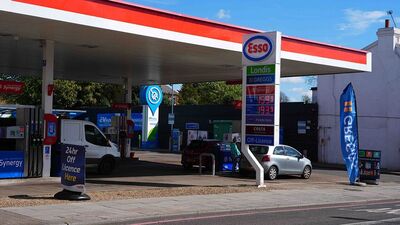
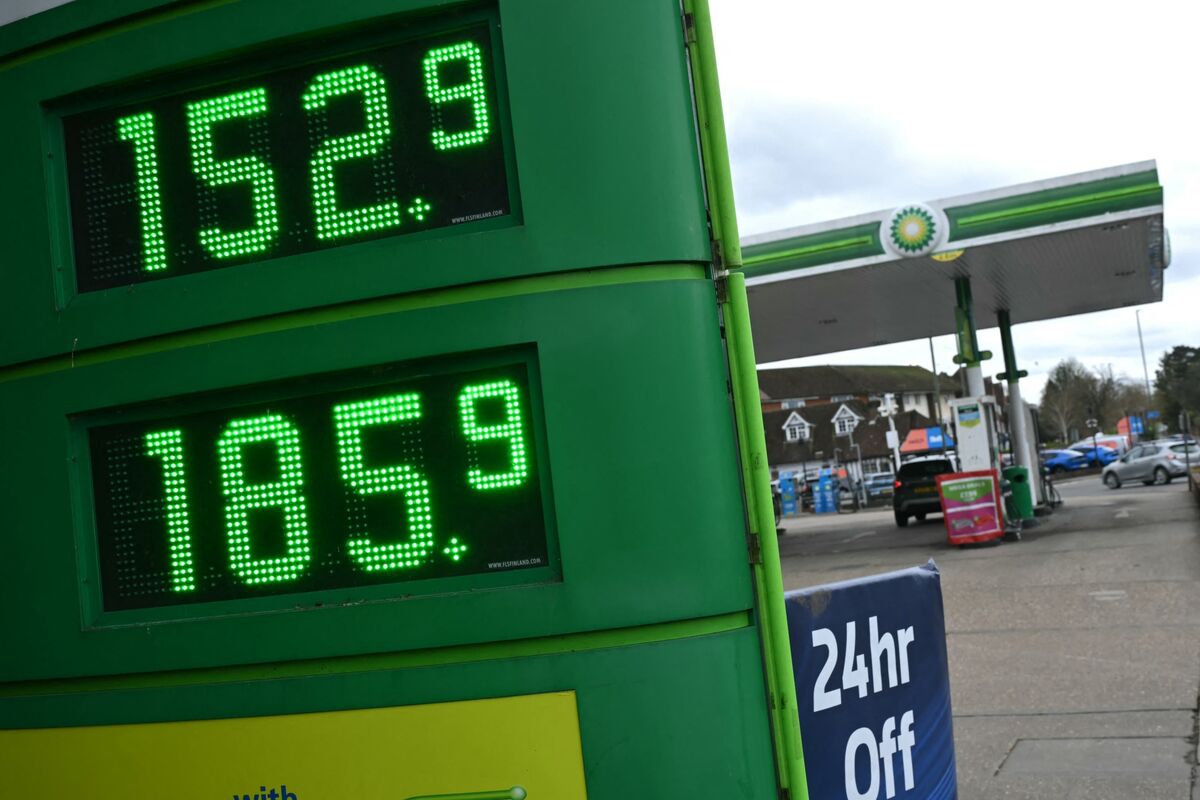
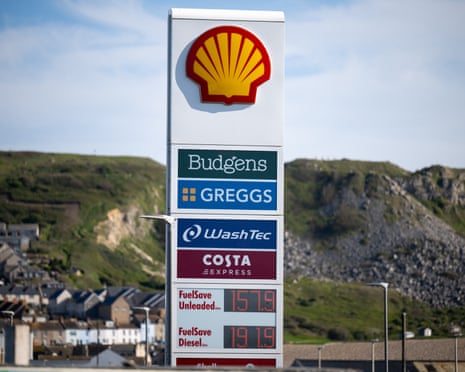
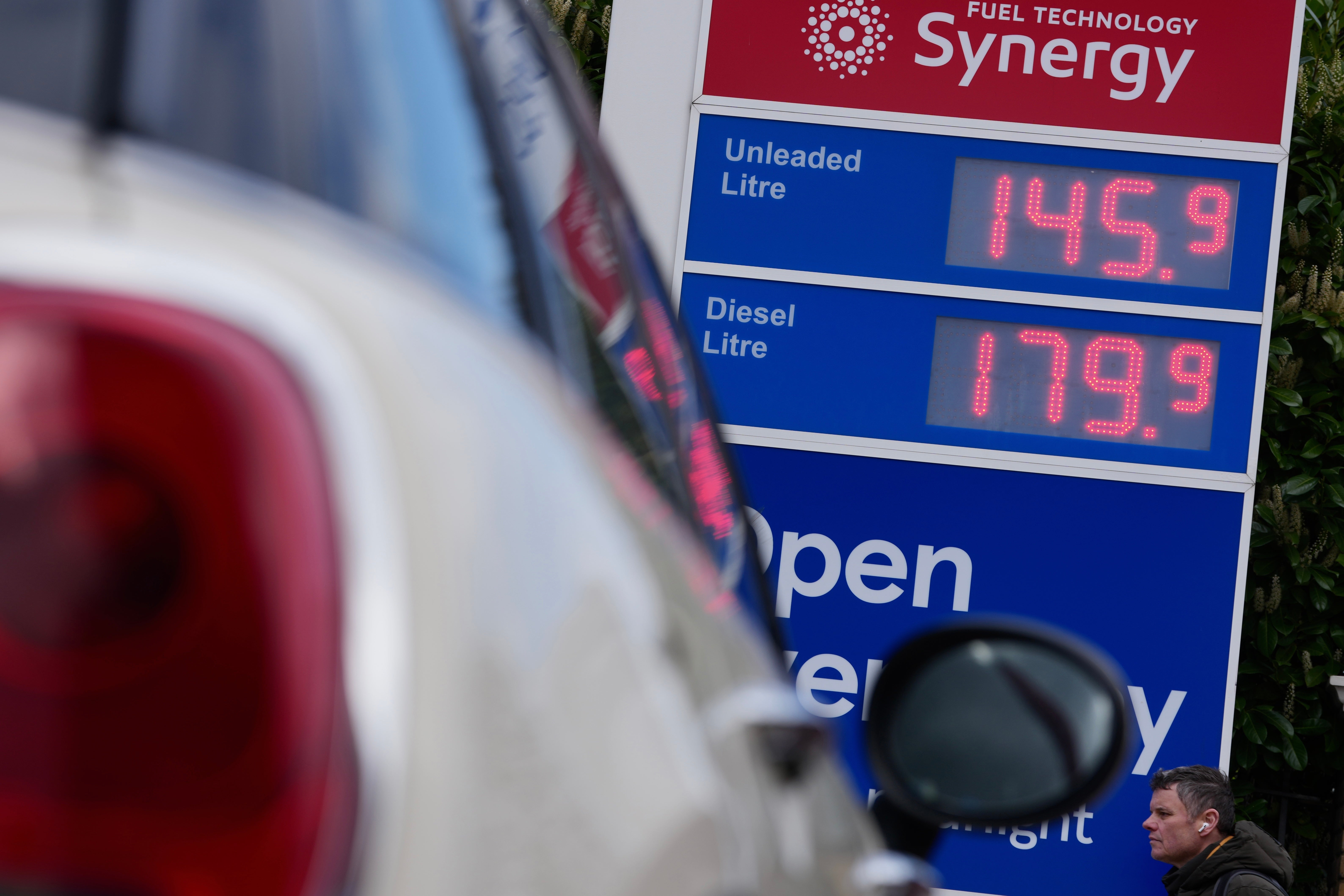
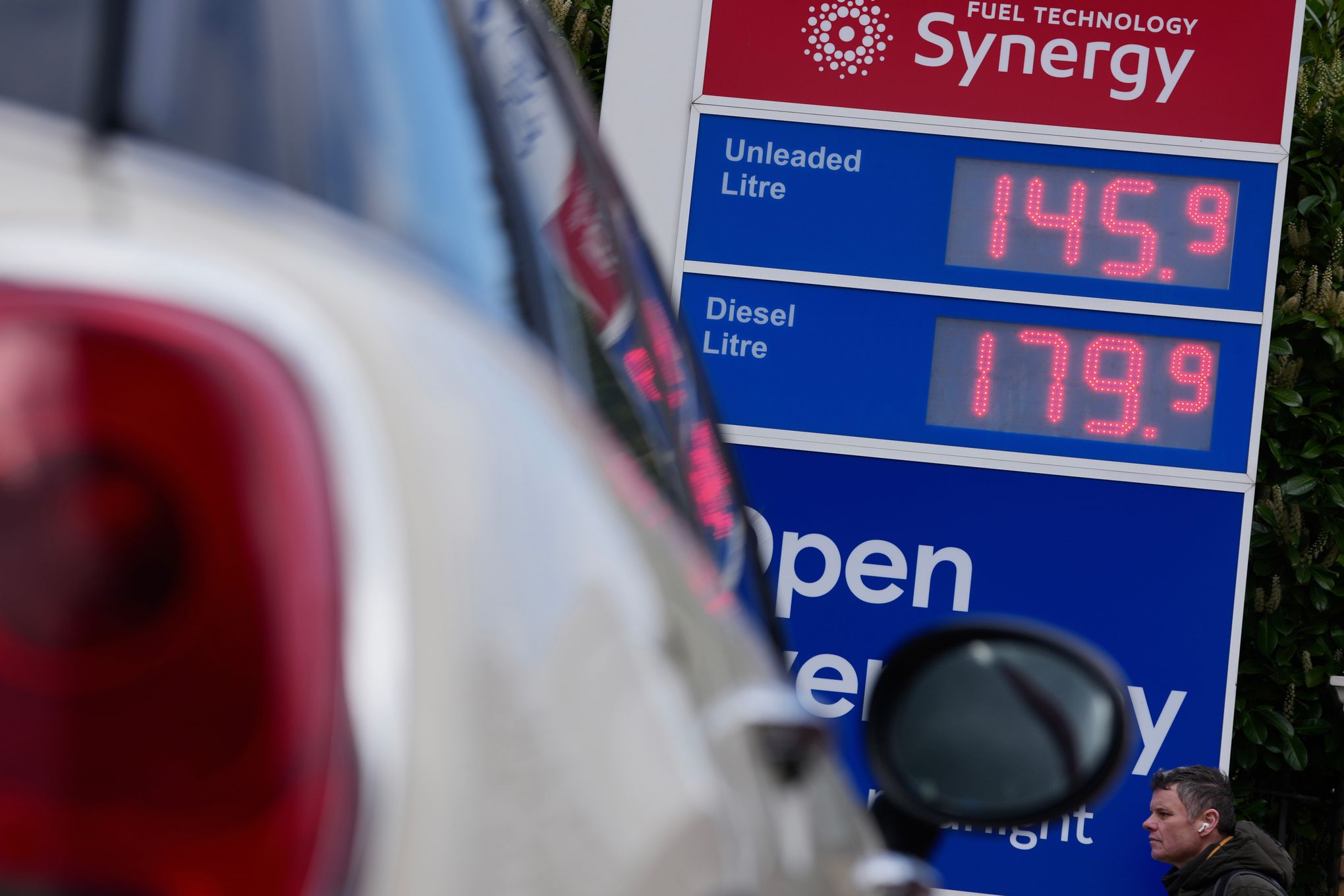
UK inflation has surged to 3.3%, with energy and food costs creating a critical margin compression crisis for cross-border e-commerce sellers operating in British and European markets. The Office for National Statistics (ONS) data reveals that while energy price caps provided temporary relief (£10/month household savings), future increases are locked in from July onwards due to sustained global energy market pressures. Petrol prices remain 25 pence above pre-war levels per litre, with diesel elevated by over 40 pence—directly impacting logistics costs for sellers shipping to UK warehouses and fulfillment centers.
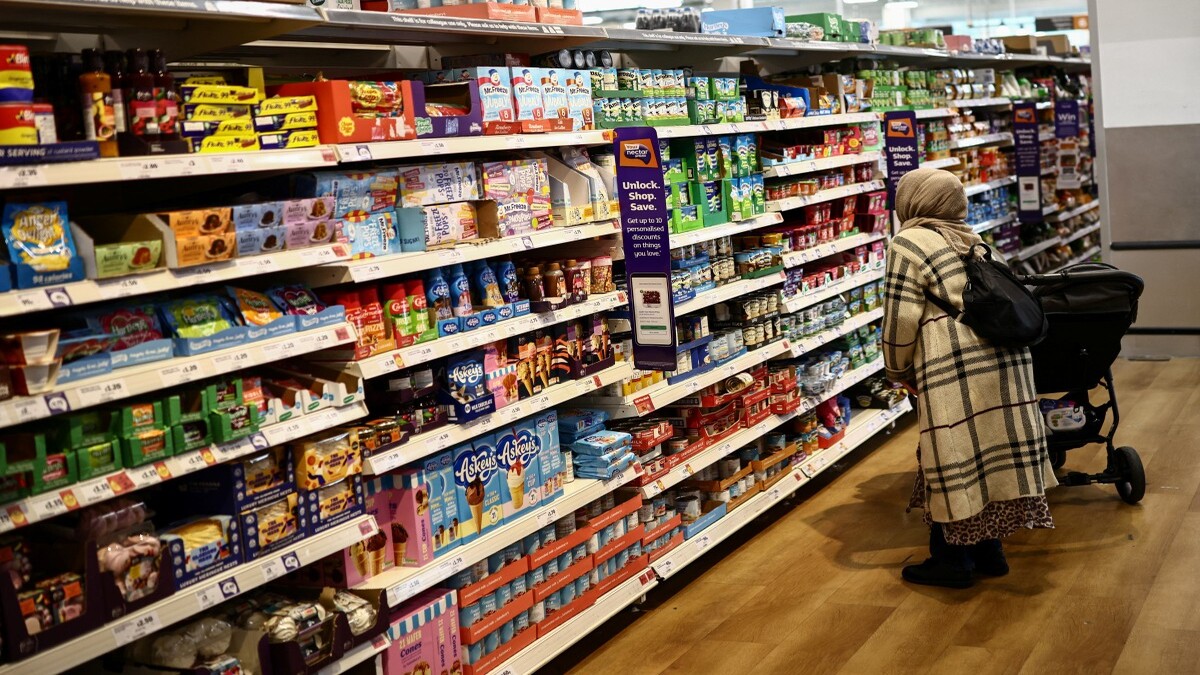
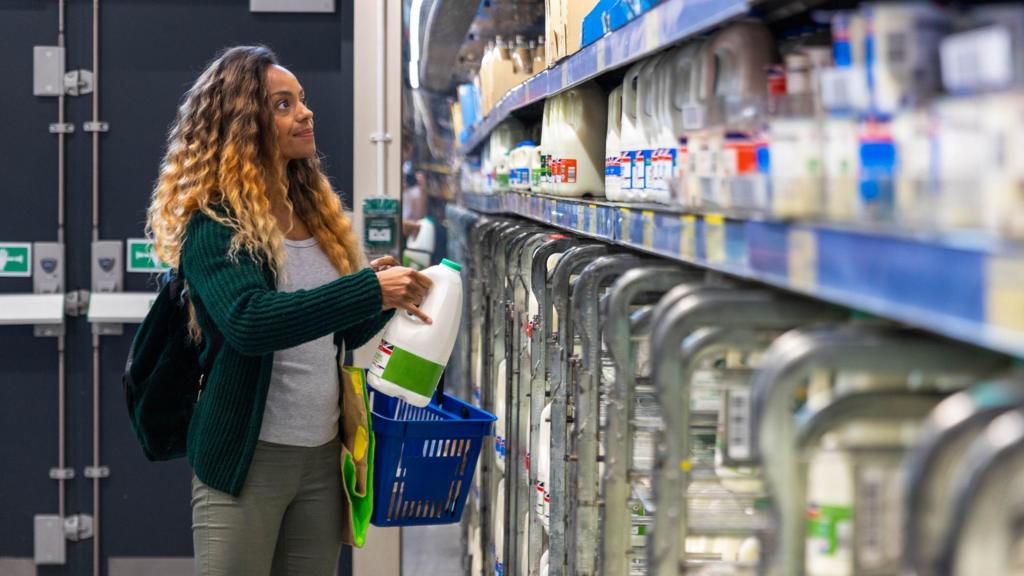
The food inflation crisis presents dual challenges for sellers in grocery, confectionery, and specialty food categories. The Food and Drink Federation warns members could increase prices by 9-10% by year-end, but consumer caution and reduced spending capacity may limit retailers' ability to pass costs forward without damaging sales volumes. Food producers purchase war-affected commodities (energy, fertiliser) months in advance, creating a 6-12 month lag before supermarket price impacts materialize—meaning sellers face margin compression NOW while retail prices remain sticky. Easter-related items (confectionery, meat) show immediate seasonal concentration, but broader pressures will emerge gradually through Q2-Q4 2024. Unlike 2022, wheat prices have stabilized due to adequate global supply, but energy and fertiliser costs remain elevated.
For cross-border sellers, the operational impact is immediate and multifaceted. Fulfillment costs increase 8-15% for sellers using UK 3PL providers and Amazon FBA warehouses, as logistics providers pass through fuel surcharges. Consumer spending patterns show income growth outpacing price increases recently, providing some relief—but reduced purchasing power limits retailers' ability to raise prices without losing Buy Box competitiveness. Bank of England rate holds (no increases expected near-term) mean fixed-rate mortgage costs ease, potentially stabilizing consumer discretionary spending. However, the 6-12 month commodity lag means sellers must absorb cost increases NOW while competing on price through mid-2024. Analysts project inflation could dip below 3% in April before peaking near 4% later this year—substantially lower than 2022's 11%, but still creating margin pressure for sellers with thin 15-25% operating margins.
Immediate seller actions: Review inventory sourcing costs by March 15 and model 9-10% price increase scenarios; audit 3PL fuel surcharge clauses expiring July 1; shift 15-20% of food/confectionery inventory to dropship models to reduce holding costs during price volatility. Strategic adjustments: Consider geographic diversification away from UK-dependent fulfillment (shift 25-30% to EU warehouses with lower energy costs); evaluate private label food products with locked-in supplier contracts; monitor competitor pricing weekly to maintain Buy Box position without margin erosion. Risk mitigation: Track Bank of England rate announcements (next decision April 2024); monitor Food and Drink Federation member price announcements for category-specific trends; establish price floor alerts in repricing software to prevent race-to-bottom dynamics.
Questions 8
Should UK sellers shift inventory to EU warehouses to reduce energy cost exposure?
Yes, consider geographic diversification. UK energy price caps increase from July onwards, while EU energy markets show more stability in some regions (Germany, Netherlands). Shifting 25-30% of inventory from UK FBA to EU 3PL providers or Amazon EU warehouses can reduce exposure to UK-specific energy shocks. However, calculate Brexit customs costs and VAT compliance overhead—these may offset energy savings. Conduct a cost-benefit analysis comparing UK FBA fees + fuel surcharges vs. EU warehouse costs + customs duties. For sellers with £500K+ annual UK revenue, EU diversification typically breaks even within 6 months while reducing energy risk exposure.
What is the 6-12 month commodity lag and how does it affect seller margins?
Food producers purchase energy and fertiliser months in advance at locked-in prices. When global commodity costs spike (as with Ukraine war), producers absorb those costs immediately but don't pass them to retailers until existing inventory is depleted—typically 6-12 months later. For sellers, this creates a margin squeeze: your COGS increase now (suppliers raise prices on new orders), but retail prices remain sticky because downstream retailers haven't yet raised consumer prices. This forces sellers to either absorb losses or reduce margins to stay competitive. Monitor your supplier cost increases weekly and adjust pricing strategy accordingly to avoid margin erosion.