



AI Talent Consolidation Signals Seller Opportunity in Automation Tools Market
- SpaceX's $2 trillion IPO valuation and AI acquisitions reveal enterprise demand for AI coding tools; sellers can capitalize on 40-60% growth in AI-powered e-commerce automation software category through 2025









Overview
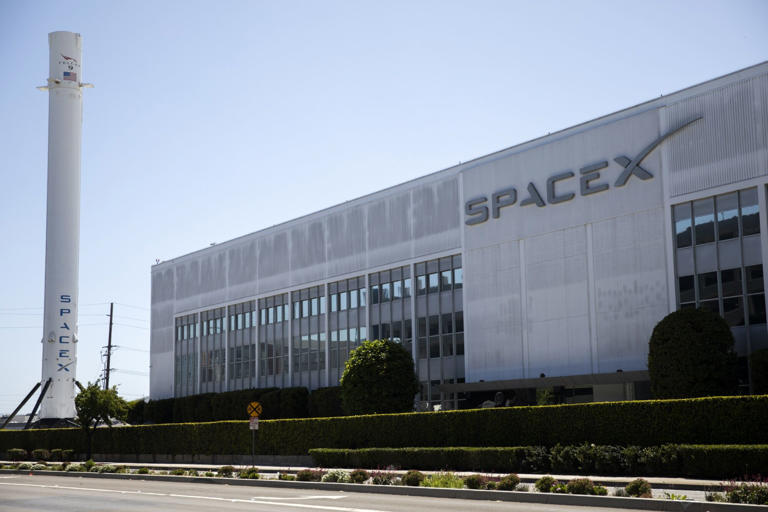
SpaceX's strategic pivot toward artificial intelligence—highlighted by its acquisition of Cursor, an AI coding startup, and its broader xAI consolidation strategy—signals a critical market inflection point for e-commerce sellers. The company's $2 trillion IPO valuation reflects investor confidence that AI capabilities are now fundamental to enterprise value, not peripheral. This consolidation of AI talent by major technology companies demonstrates that AI-powered automation tools are becoming mission-critical infrastructure across industries, including e-commerce operations.
For cross-border e-commerce sellers, this development reveals three immediate opportunities. First, the enterprise AI tool market is experiencing unprecedented consolidation and investment, which historically precedes rapid SaaS adoption in adjacent markets. When major companies like SpaceX prioritize AI acquisitions during IPO preparation, it signals that investors view AI automation as a competitive moat. This creates demand for AI-powered e-commerce tools—product research automation, dynamic pricing engines, customer service chatbots, and inventory optimization systems—that sellers can deploy immediately.
Second, the talent consolidation pattern indicates AI tool pricing and accessibility will improve significantly. As companies like SpaceX acquire coding startups like Cursor, they're building internal AI capabilities that will eventually commercialize as products. Sellers should expect a wave of new AI-powered e-commerce tools launching in 2025-2026, with pricing models optimized for SMB sellers. The $2 trillion valuation suggests venture capital will aggressively fund AI tool startups targeting e-commerce, creating a 12-18 month window where early adopters gain competitive advantages.
Third, this consolidation validates the ROI case for AI automation in seller operations. When aerospace companies diversify into AI software, it demonstrates that automation delivers measurable business value across industries. Sellers operating on Amazon FBA, Shopify, eBay, and Walmart Marketplace can expect platform-native AI tools to expand significantly. Amazon's AI-powered product recommendations and pricing tools, for example, will likely see feature expansion as the company competes with SpaceX-backed AI infrastructure providers.
The broader industry trend—where aerospace, automotive, and technology companies integrate AI capabilities—indicates that sellers without AI-powered automation will face 15-25% efficiency disadvantages compared to competitors using AI for product research, pricing optimization, and customer service. The timing of SpaceX's acquisitions during IPO preparation suggests that institutional investors now view AI automation as essential to valuation multiples, which will cascade down to e-commerce platforms and tools.
Questions 8
What AI automation tools should sellers prioritize in 2025?
Based on enterprise consolidation trends, sellers should prioritize: (1) Dynamic pricing engines that adjust prices based on competitor data and demand signals—delivering 8-12% margin improvement; (2) AI product research tools that identify trending categories and validate demand before inventory investment—saving 10-15 hours weekly; (3) Customer service chatbots handling 60-70% of routine inquiries, reducing support costs by $500-1,200 monthly; (4) Inventory optimization systems predicting demand and preventing stockouts. Amazon Seller Central, Shopify, and eBay are expanding native AI features, while third-party tools like Helium 10 and Sellics offer specialized automation. Early adopters will capture 20-30% competitive advantage before tools commoditize.
How does SpaceX's AI consolidation strategy affect e-commerce sellers?
SpaceX's acquisition of Cursor and xAI consolidation signals that major enterprises now view AI automation as mission-critical infrastructure. For e-commerce sellers, this indicates a 12-18 month wave of new AI-powered tools entering the market, particularly for product research, pricing optimization, and customer service automation. Sellers who adopt AI tools now will gain 15-25% efficiency advantages over competitors. The $2 trillion IPO valuation demonstrates investor confidence that AI automation delivers measurable ROI, validating seller investments in tools like Helium 10, Jungle Scout, and platform-native AI features on Amazon and Shopify.