
Best Buy Marketplace Expansion Under New CEO | Third-Party Seller Opportunities in AI-Driven Electronics Retail
- Jason Bonfig's marketplace-focused leadership signals aggressive third-party seller recruitment; Best Buy Ads platform expansion creates $500M+ advertising revenue opportunity for electronics sellers by 2026















Overview
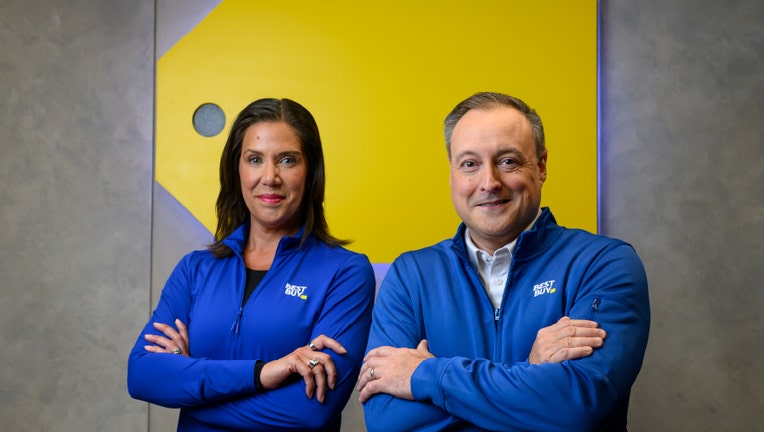
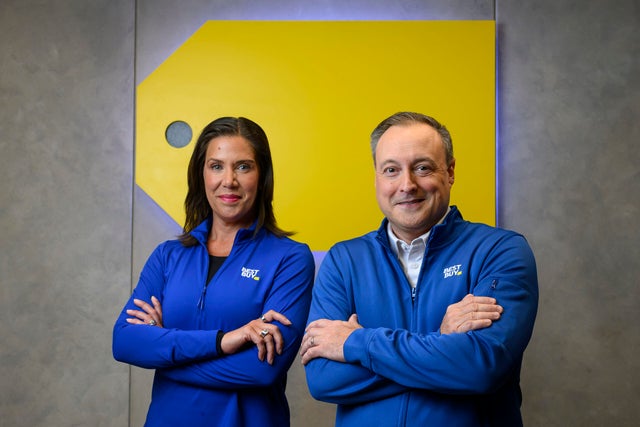
Best Buy's leadership transition to Jason Bonfig, effective October 31, 2026, represents a critical inflection point for third-party sellers and cross-border electronics retailers. Bonfig, a 27-year company veteran who currently serves as Chief Customer, Product and Fulfillment Officer, architected Best Buy's third-party marketplace launch in August 2024—a strategic pivot that directly addresses the retailer's stagnant comparable sales (flat over 4 years) and declining market position against Amazon and Home Depot. Unlike his predecessor Corie Barry's pandemic-focused tenure, Bonfig's appointment signals Best Buy's commitment to accelerate marketplace growth and capitalize on AI-enabled device demand, creating immediate opportunities for electronics sellers seeking alternative distribution channels beyond Amazon's saturated marketplace.
The marketplace opportunity is substantial and time-sensitive. Best Buy projects revenue between $41.2-42.1 billion for the current fiscal year with comparable sales expected to range from -1% to +1% growth, indicating the company is aggressively seeking third-party seller inventory to drive profitability. Bonfig's oversight of merchandising, marketing, supply chain, e-commerce, and Best Buy Ads—the company's nascent advertising business—suggests he will implement aggressive seller recruitment programs within his first 90-180 days as CEO. Historical precedent shows new retail CEOs typically announce marketplace incentive programs, commission reductions, or seller support initiatives during their first quarter to signal strategic direction. For electronics sellers, this creates a 6-month window (November 2024-April 2025) to establish Best Buy marketplace presence before potential policy normalization.
Best Buy Ads represents the highest-value opportunity for sellers. The advertising platform, which Bonfig oversees, is positioned to compete with Amazon Advertising and eBay Ads. Given Best Buy's $13.93 billion market cap and declining stock performance (down 0.5% YTD vs. S&P 500's 3% gain), the company is likely to offer aggressive advertising rates and seller incentives to build advertiser volume. Electronics sellers currently spending $5,000-50,000 monthly on Amazon PPC can expect 20-40% lower cost-per-click rates on Best Buy Ads during the initial growth phase, with potential for 15-25% higher conversion rates due to Best Buy's brand authority in consumer electronics. The platform's integration with Best Buy's 1,000+ physical stores creates omnichannel attribution opportunities unavailable on pure-play marketplaces.
Offline retail partnerships emerge as a secondary opportunity. Bonfig's background in supply chain and fulfillment suggests he will pursue strategic partnerships with regional electronics retailers and big-box chains (Best Buy's competitive weakness against Home Depot and Lowe's in appliances indicates potential partnership expansion). Sellers of smart home devices, AI-enabled appliances, and consumer electronics can negotiate co-marketing agreements, in-store displays, and fulfillment partnerships with Best Buy's 1,000+ locations. This O2O strategy allows sellers to test products in physical retail environments while maintaining online marketplace presence—a critical advantage for building brand trust in the $41B+ U.S. consumer electronics market.
Questions 8
How can sellers prepare for Best Buy marketplace expansion before Bonfig takes office?
Sellers should immediately apply for Best Buy marketplace access and establish seller accounts during the current growth phase (November 2024-October 2026). Optimize product listings for electronics categories with high conversion potential: smart home, computing, audio, appliances, and gaming. Allocate 15-25% of advertising budgets to Best Buy Ads testing to establish baseline performance data. Develop omnichannel fulfillment capabilities to support in-store pickup and same-day delivery options. Monitor Best Buy Seller Central for policy updates and participate in seller forums to identify early partnership opportunities.
What AI-enabled product categories should sellers prioritize on Best Buy's marketplace?
Bonfig's appointment reflects Best Buy's strategy to capitalize on AI-enabled devices and accelerate growth. Priority categories include AI-powered smart home devices, AI-enabled appliances, AI-assisted computing devices, and AI-powered audio/video equipment. These categories align with Best Buy's brand positioning and consumer expectations. Sellers of AI-enabled products can expect preferential placement, marketing support, and advertising incentives from Best Buy during 2025-2026 as the company positions itself as an AI retail leader.