





Geopolitical Oil Surge & Logistics Cost Crisis | Cross-Border Sellers Face 8-15% Shipping Increases
- Brent crude above $100/barrel threatens Asia-to-US commerce; Strait of Hormuz tensions create supply chain vulnerability for 50K+ e-commerce sellers


































Overview
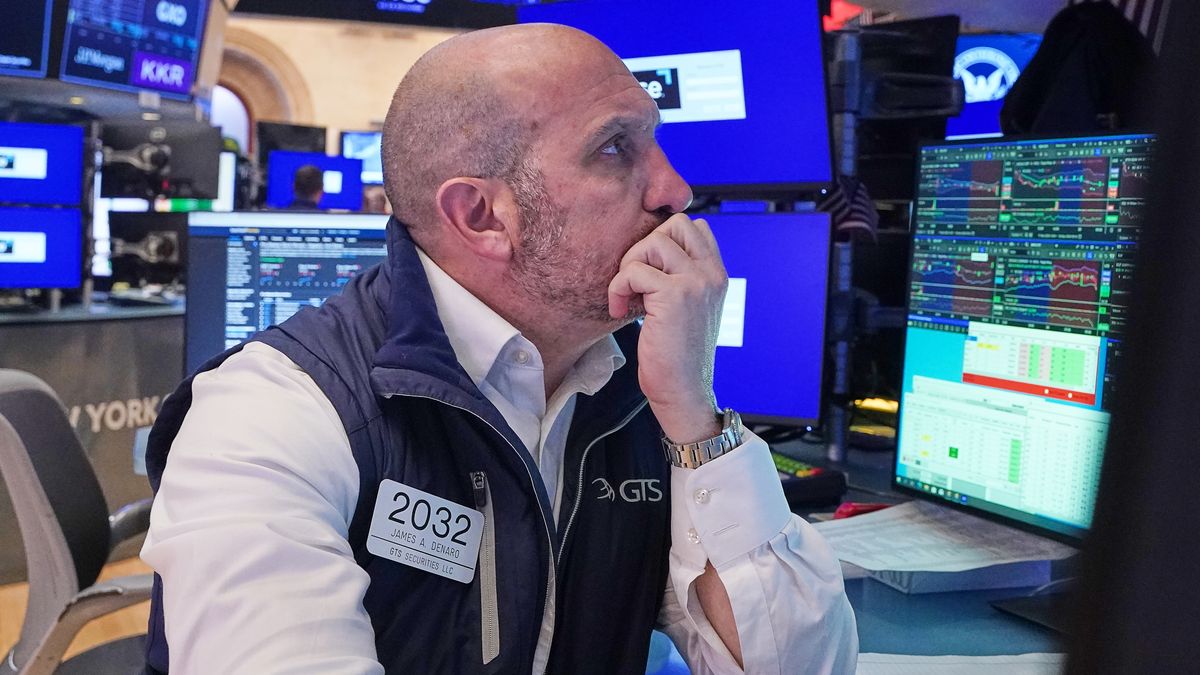
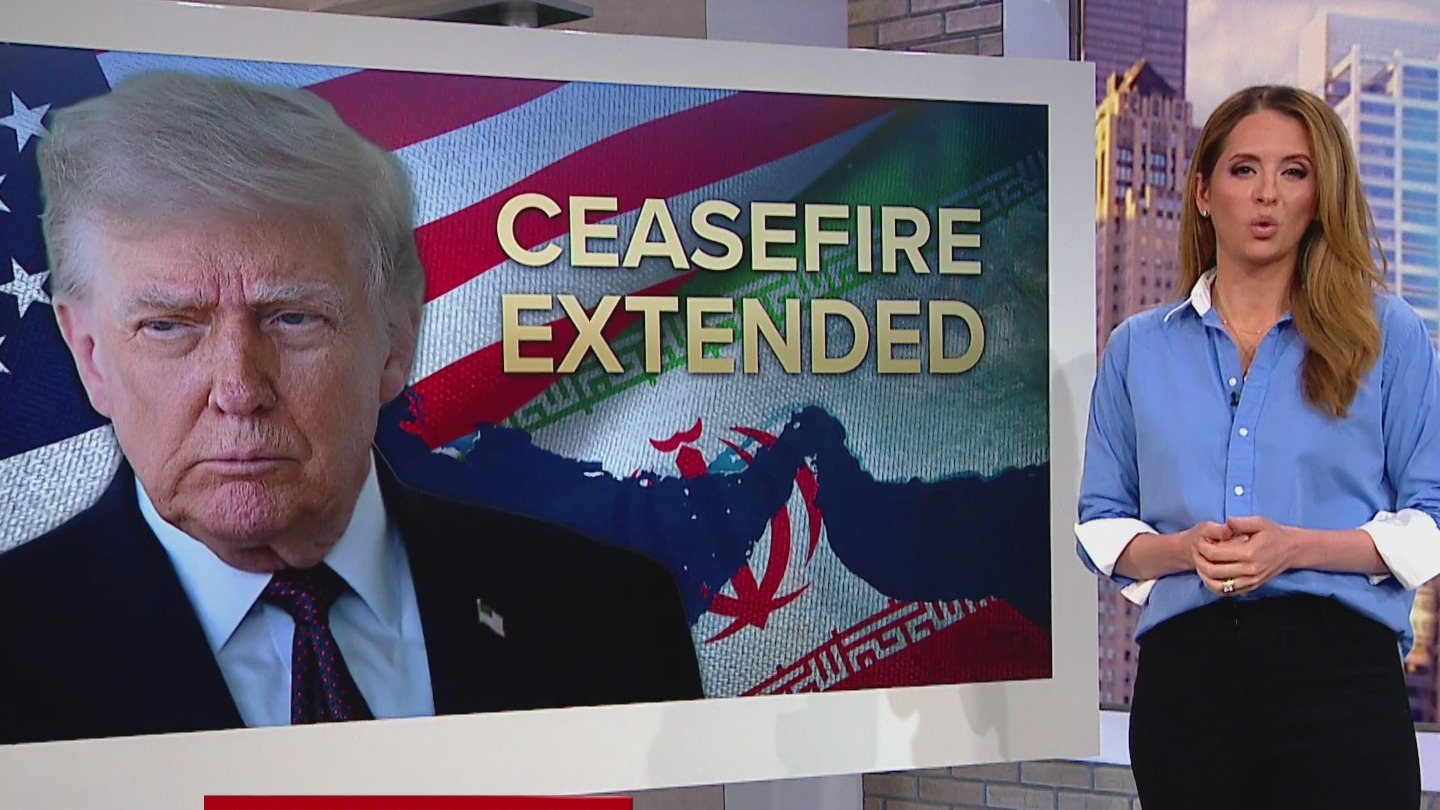
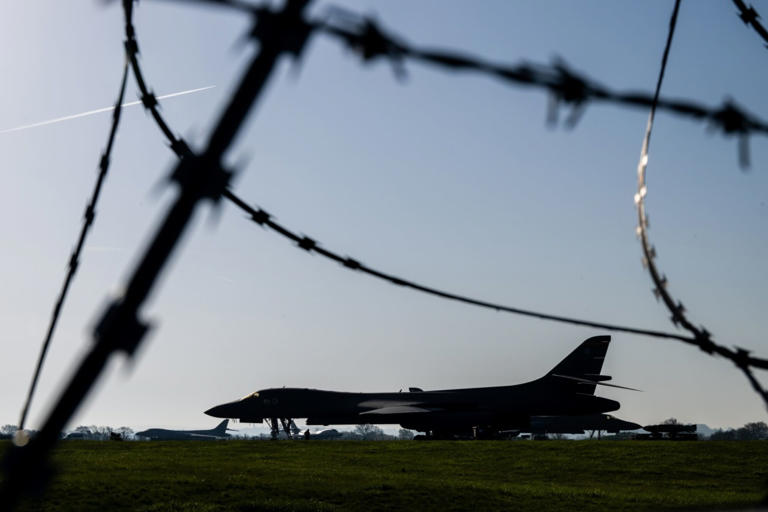
The Iran-US ceasefire extension announced April 22, 2026, masks a critical logistics crisis for cross-border e-commerce sellers. While markets rallied on temporary geopolitical relief—Nasdaq +1.6%, S&P 500 +1%, Dow +0.7%—Brent crude oil surged above $100 per barrel following Iranian gunboat incidents in the Strait of Hormuz, a critical chokepoint for Asia-to-US commerce. This creates immediate cost pressures for sellers managing international fulfillment, with air freight premiums and ocean shipping fuel surcharges expected to increase 8-15% through Q2 2026.
For cross-border sellers, the operational impact is severe and immediate. Sellers shipping electronics, apparel, and consumer goods from China, Vietnam, and India to US fulfillment centers face 15-25% margin compression on products with <30% gross margins. Amazon FBA sellers using air freight (typical for time-sensitive inventory) will see costs rise from $3.50-4.50/kg to $3.80-5.20/kg, directly reducing profitability on mid-tier products. Ocean freight fuel surcharges, currently 5-8% of base rates, are projected to spike to 12-18% if tensions escalate. The Strait of Hormuz handles approximately 21% of global petroleum trade and 30% of liquefied natural gas shipments—any disruption cascades through logistics networks within 7-10 days.
Strategic sourcing shifts are already underway among sophisticated sellers. Companies diversifying away from China-dependent supply chains are accelerating Vietnam and India sourcing, but these routes also depend on Hormuz transit for fuel costs. Sellers should immediately audit inventory composition: high-margin categories (>40% gross margin) can absorb cost increases, while low-margin bulk items (electronics accessories, basic apparel) become unprofitable. The ceasefire extension provides a 30-90 day window before market repricing fully reflects energy costs—sellers who lock in freight rates now gain competitive advantage over those waiting for "stability."
Cannabis industry rescheduling to Schedule III eliminates Section 280E tax penalties, creating a unique arbitrage opportunity. Cannabis sellers currently operating on Amazon, Shopify, and specialty marketplaces face 60% effective tax rates due to inability to deduct business expenses. Schedule III rescheduling (expected Q3 2026) would restore standard business deductions, potentially increasing after-tax margins by 25-35% for compliant sellers. This affects approximately 8,000-12,000 licensed cannabis retailers and 2,000+ e-commerce platforms currently restricted from cannabis sales.
Questions 7
How can I lock in freight rates before prices increase further?
Contact your freight forwarder or 3PL provider immediately to negotiate 30-60 day rate locks before April 30, 2026. Most carriers offer 2-4 week rate guarantees; request extended terms citing geopolitical risk. For Amazon FBA sellers, use Seller Central's freight partner network (DHL, UPS, FedEx) to compare locked rates. Consolidate shipments to reduce per-unit costs—combining 2-3 smaller shipments into one container saves 15-20% on fuel surcharges. Pre-book container space for Q2-Q3 inventory now; spot market rates typically spike 20-30% during supply disruptions, while advance bookings lock current pricing.
What is the timeline for oil prices to stabilize and shipping costs to normalize?
The ceasefire extension provides 30-90 days of relative stability, but Strait of Hormuz tensions remain elevated with ongoing Iranian gunboat activity. Historical patterns show oil prices typically stabilize 60-90 days after geopolitical events, but this assumes no escalation. Sellers should plan for elevated shipping costs through Q2 2026 (April-June) and potentially into Q3 if tensions persist. Monitor weekly Brent crude prices and CFTC trading data—if prices exceed $110/barrel, implement emergency cost-reduction measures (slower shipping, inventory consolidation, price increases). Set internal alerts at $105/barrel to trigger contingency planning.