



Game Pass Price Cuts 23% & Call of Duty Removal | Digital Gaming Marketplace Shift Signals Subscription Model Recalibration
- Microsoft reduces Game Pass Ultimate from $29.99 to $22.99 (23% cut) while removing day-one Call of Duty access, affecting 34M+ subscribers and reshaping digital content distribution strategy for gaming sellers



















Overview
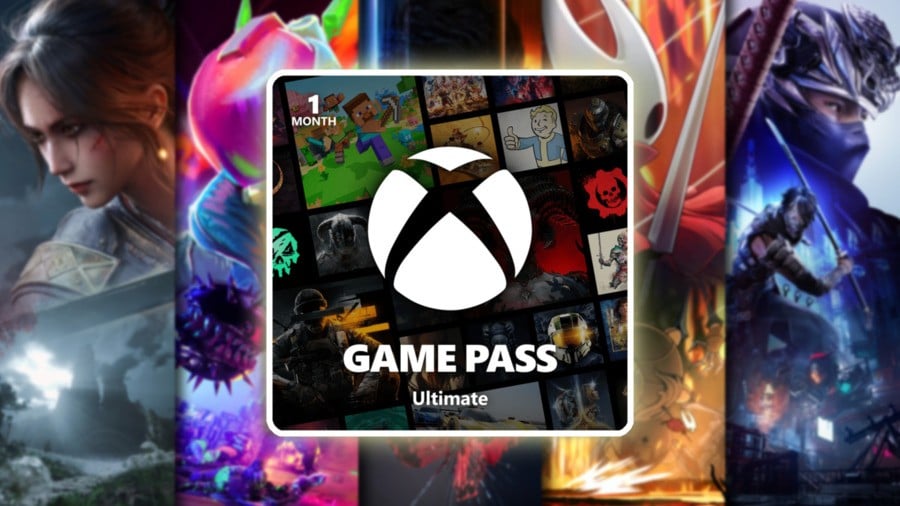
Microsoft's April 21, 2026 Game Pass restructuring represents a fundamental shift in digital subscription economics with direct implications for gaming merchandise, content creators, and platform-dependent sellers. The company reduced Game Pass Ultimate from $29.99 to $22.99 monthly (23% decrease) and PC Game Pass from $16.49 to $13.99 (15% decrease), while simultaneously eliminating day-one inclusion of future Call of Duty releases—a decision that cost Microsoft approximately $300 million in foregone revenues according to Bloomberg reporting. This strategic reversal, announced under new Xbox chief Asha Sharma (replacing Phil Spencer in February 2026), directly addresses consumer affordability barriers that had priced Game Pass "out of reach for many," per analyst Piers Harding-Rolls from Ampere Analysis.
The pricing recalibration reveals critical market dynamics for digital commerce sellers. Ampere Analysis estimates the September 2024 price increase generated approximately $1 billion in additional consumer spending across Game Pass tiers in 2025, yet failed to drive sustainable subscriber growth. The Call of Duty experiment demonstrated that premium content bundling alone cannot overcome pricing resistance—temporary subscriber spikes proved unsustainable, indicating consumers prioritize affordability over exclusive day-one access. This mirrors broader e-commerce trends where tiered pricing models and content segmentation outperform premium bundling strategies. For gaming merchandise sellers, this signals a shift: consumers with 34 million active Game Pass subscriptions now have $7-$5.50 monthly savings to allocate toward complementary purchases (gaming peripherals, merchandise, in-game cosmetics) rather than subscription premiums.
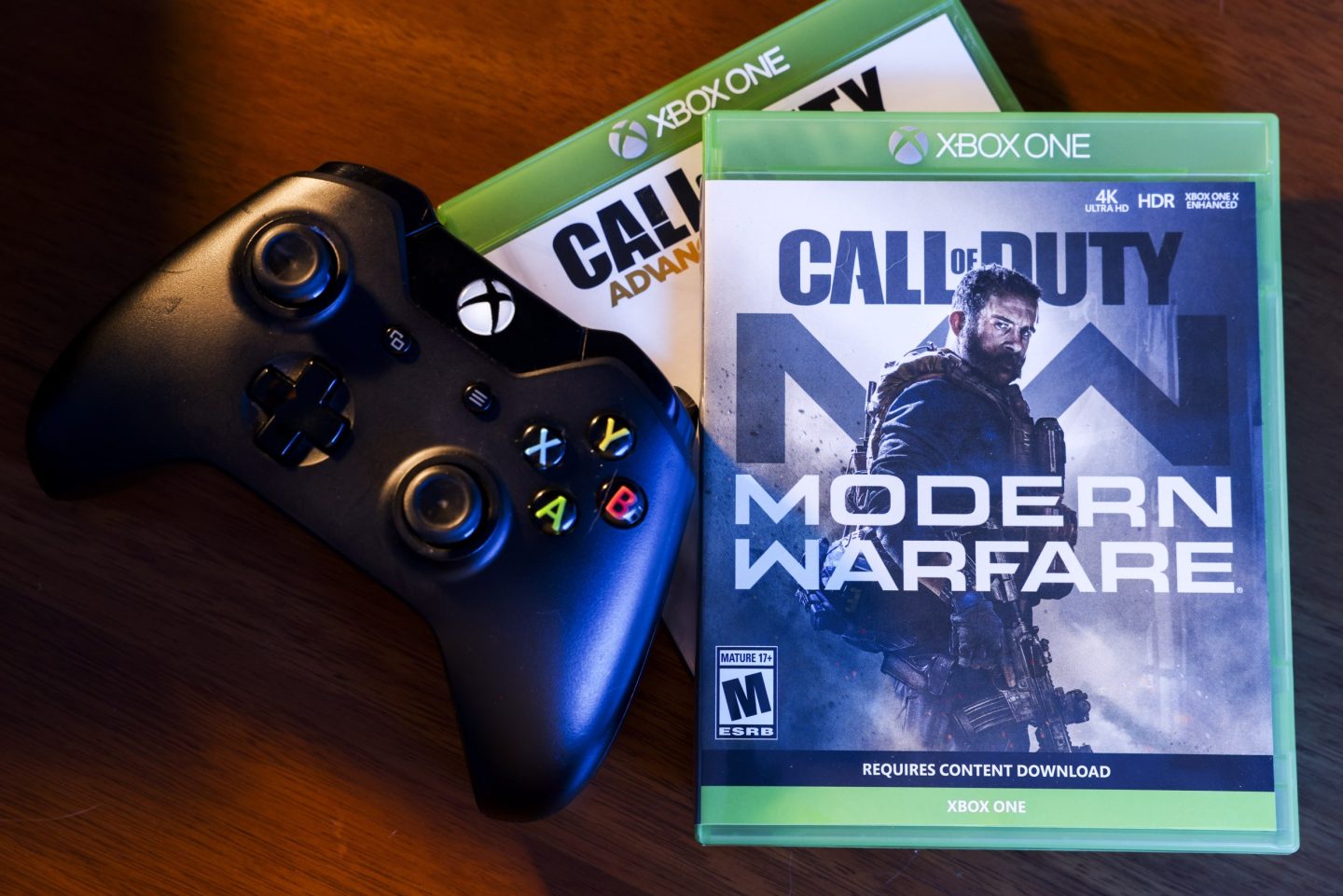
The Call of Duty removal strategy carries significant implications for digital content distribution and affiliate marketing channels. New Call of Duty titles will retail at full price ($70-80) and arrive on Game Pass approximately one year after launch—a "windowing" approach that mirrors theatrical film release strategies. This creates distinct market windows: premium early-access buyers (launch window), mid-tier subscribers (6-12 month window), and value-conscious players (12+ month window). Microsoft's willingness to sacrifice $300 million in short-term subscription revenue demonstrates that sustainable unit economics matter more than aggressive market capture. For sellers, this indicates platform flexibility and revenue optimization trump exclusive content strategies—a principle applicable to Amazon, eBay, and Shopify sellers managing inventory across multiple channels. The decision reflects Microsoft's broader evolution toward "commercial pragmatism over rigid platform exclusivity," per analyst Mat Piscatella from Circana, suggesting successful digital platforms increasingly adopt hybrid monetization rather than all-or-nothing bundling.
Questions 7
How does the Call of Duty windowing strategy affect gaming merchandise sellers?
The one-year windowing approach creates distinct consumer segments with different purchasing power and timing. Premium buyers purchasing at launch ($70-80) represent high-value customers likely to invest in complementary merchandise immediately. Mid-tier subscribers (6-12 month window) have already optimized spending and may purchase selectively. Value-conscious players (12+ month window) demonstrate price sensitivity, suggesting lower merchandise attachment rates. For sellers on Amazon, eBay, and Shopify, this segmentation enables targeted merchandise campaigns aligned with game release cycles—launch window campaigns targeting premium buyers, mid-cycle campaigns for engaged communities, and value-tier campaigns for budget-conscious players. The strategy also extends merchandise sales windows beyond traditional launch peaks, creating sustained demand across 12+ month periods rather than concentrated spikes.
Why did Microsoft cut Game Pass prices by 23% after investing $69 billion in Activision?
Microsoft's price cuts directly address consumer affordability barriers that limited subscriber growth despite premium content investment. The Call of Duty experiment failed to deliver sustainable subscriber spikes—Bloomberg reported $300 million in foregone revenues from day-one inclusion, while Ampere Analysis confirmed the September 2024 price increase generated only temporary spending boosts. New Xbox chief Asha Sharma acknowledged Game Pass had priced itself beyond consumer accessibility thresholds. The strategy pivots from aggressive market capture through exclusive bundling toward sustainable subscription economics, prioritizing long-term ARPU growth and reduced churn over short-term premium content leverage. This reflects broader industry recognition that pricing resistance outweighs exclusive content appeal.