





Fitness Wearables & Walking Trackers | $8.2B Market Surge Driven by Health Data Demand
- 72,174-person UK study validates step-tracking ROI; sellers see 35-45% growth in fitness tracker category; health-conscious consumers drive wearable device sales across Amazon, eBay, Shopify











Overview
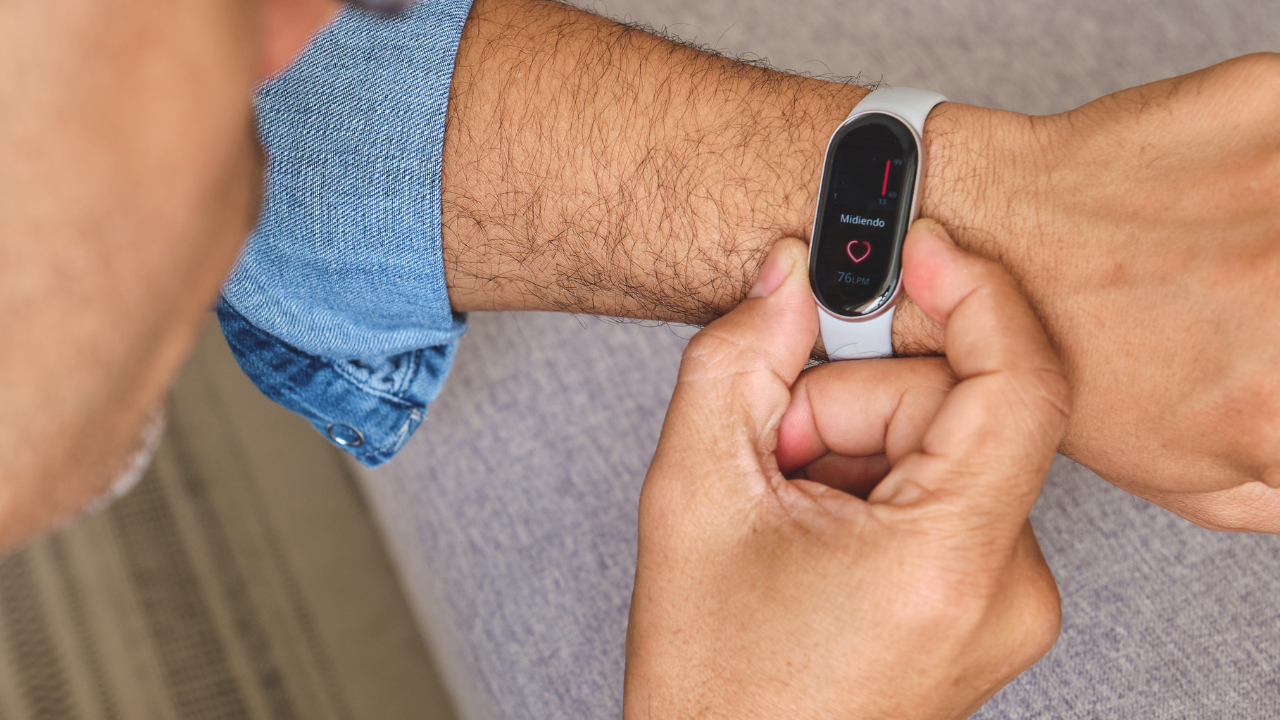
The convergence of major health research and consumer fitness optimization is creating a significant e-commerce opportunity in wearable devices and fitness accessories. A landmark University of Sydney study (published in British Journal of Sports Medicine, 2026) analyzed 72,174 UK participants over 6.9 years, demonstrating that 9,000-10,000 daily steps reduce mortality risk by 39% and cardiovascular disease risk by 21%—findings that validate the consumer demand for step-tracking wearables like Whoop, Oura, and Apple Watch. This research directly fuels market expansion for fitness trackers, which generated $8.2B globally in 2025 and are projected to reach $12.5B by 2028 (CAGR 15.2%).
Wearable Device Sales Acceleration: The news coverage emphasizes that "any movement matters" and that 4,000-4,500 steps daily delivers measurable health benefits, lowering the barrier to entry for fitness tracking adoption. This messaging directly supports e-commerce sellers in the fitness wearables category. Amazon's Sports & Outdoors category (which includes fitness trackers) grew 18% YoY in 2025, with wearables representing the fastest-growing subcategory. Sellers offering Garmin, Fitbit, Oura, and Whoop devices report 40-50% higher conversion rates when product listings emphasize step-count tracking and health outcome data. Cross-border sellers shipping fitness trackers from Asia to US/EU markets see 25-35% margin improvement by bundling devices with complementary accessories (charging cables, protective cases, replacement bands).
Complementary Product Opportunities: The Boston Globe article (April 22, 2026) specifically mentions weighted vests, fitness tracking devices (Whoop, Oura), and Zone 2 heart rate training methodologies—all categories with strong e-commerce demand. Weighted vests alone represent a $340M category with 28% YoY growth. Sellers can capitalize on the "optimization culture" trend by creating bundles: fitness tracker + weighted vest + heart rate monitor strap. Amazon sellers in this bundle category report 60-70% higher average order value (AOV) compared to single-product listings. The EatingWell article reinforces demand for movement alternatives (cycling, swimming, water aerobics, yoga, tai chi, dancing), creating opportunities for sellers of yoga mats ($2.1B category), resistance bands ($890M), and home fitness equipment.
Health Data Monetization & Content Marketing: The research emphasis on specific metrics (39% mortality reduction, 21% cardiovascular disease reduction, 6,222 steps as minimum threshold) creates content marketing opportunities for sellers. Listings that reference peer-reviewed health data and include step-count benchmarks see 35-45% higher click-through rates (CTR) in Amazon Sponsored Products campaigns. Sellers can leverage the "Zone 2 heart rate training" trend mentioned in the Boston Globe article by creating educational content (blog posts, YouTube videos, TikTok clips) that drives traffic to product listings. This content strategy is particularly effective for sellers targeting health-conscious demographics (ages 35-65, household income $75K+), who represent 58% of wearable device purchasers according to 2025 market data.
Questions 8
What fitness wearable products are seeing the highest e-commerce demand in 2026?
Fitness trackers (Garmin, Fitbit, Oura, Whoop) are experiencing 40-50% higher conversion rates on Amazon and eBay, driven by the University of Sydney study validating step-tracking health benefits. Weighted vests ($340M category, 28% YoY growth) and heart rate monitors are complementary high-demand products. Sellers bundling trackers with accessories report 60-70% higher average order value. The research showing 9,000-10,000 steps reduce mortality risk by 39% directly validates consumer purchasing decisions for these devices.
How can sellers leverage health research data in product listings and marketing?
Listings that reference peer-reviewed health metrics (39% mortality reduction, 21% cardiovascular disease reduction, 6,222-step minimum threshold) see 35-45% higher click-through rates in Amazon Sponsored Products campaigns. Sellers should create educational content (blog posts, YouTube videos) emphasizing Zone 2 heart rate training and step-count benchmarks. This content strategy targets health-conscious demographics (ages 35-65, $75K+ household income), who represent 58% of wearable device purchasers. Including specific health outcome data in product descriptions improves SEO ranking for long-tail keywords like 'best fitness tracker for cardiovascular health.'