





Antiviral Plastic Film Technology | E-Commerce Product Differentiation Opportunity in Health-Conscious Markets
- RMIT breakthrough achieves 94% viral inactivation; scalable manufacturing enables premium product positioning for electronics, medical devices, and packaging sellers
Overview
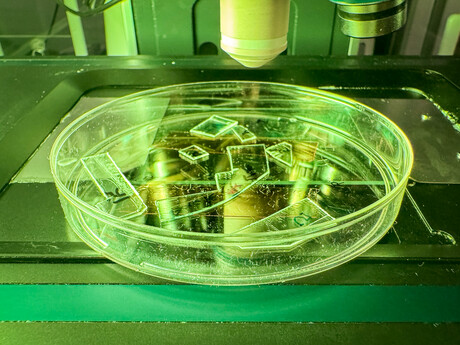
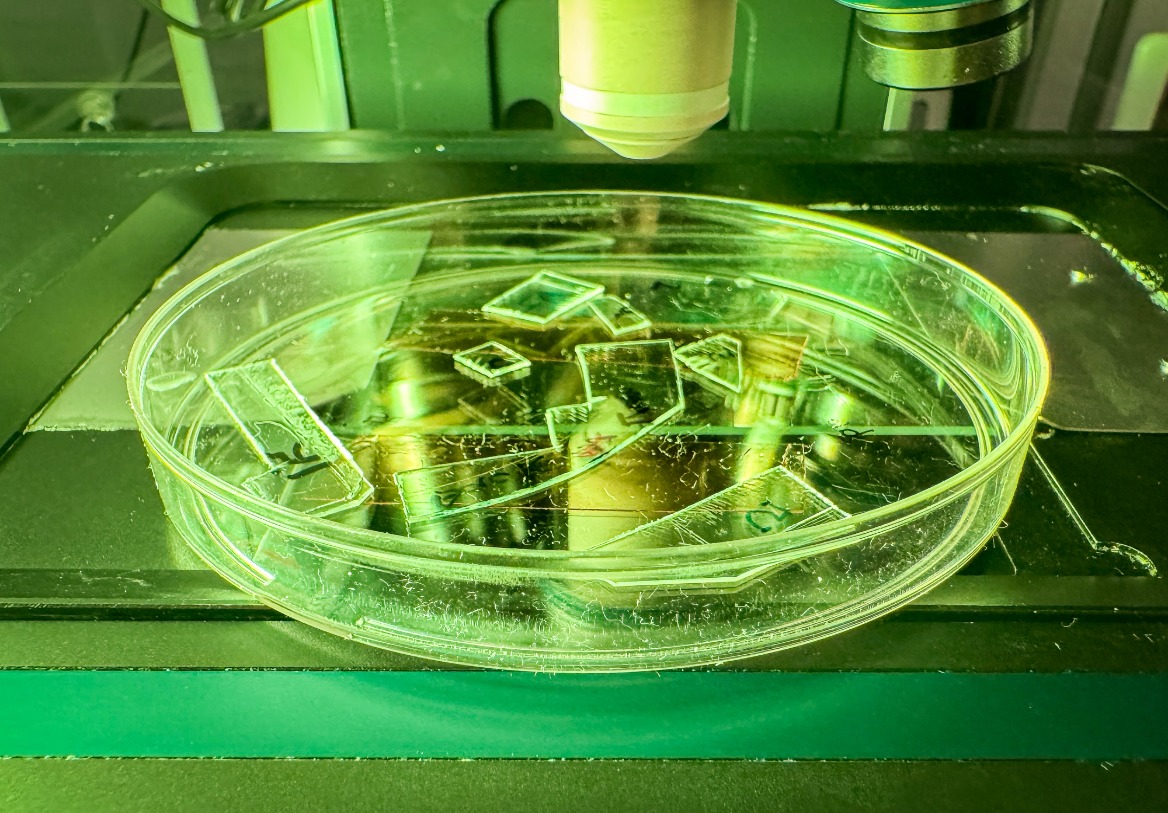
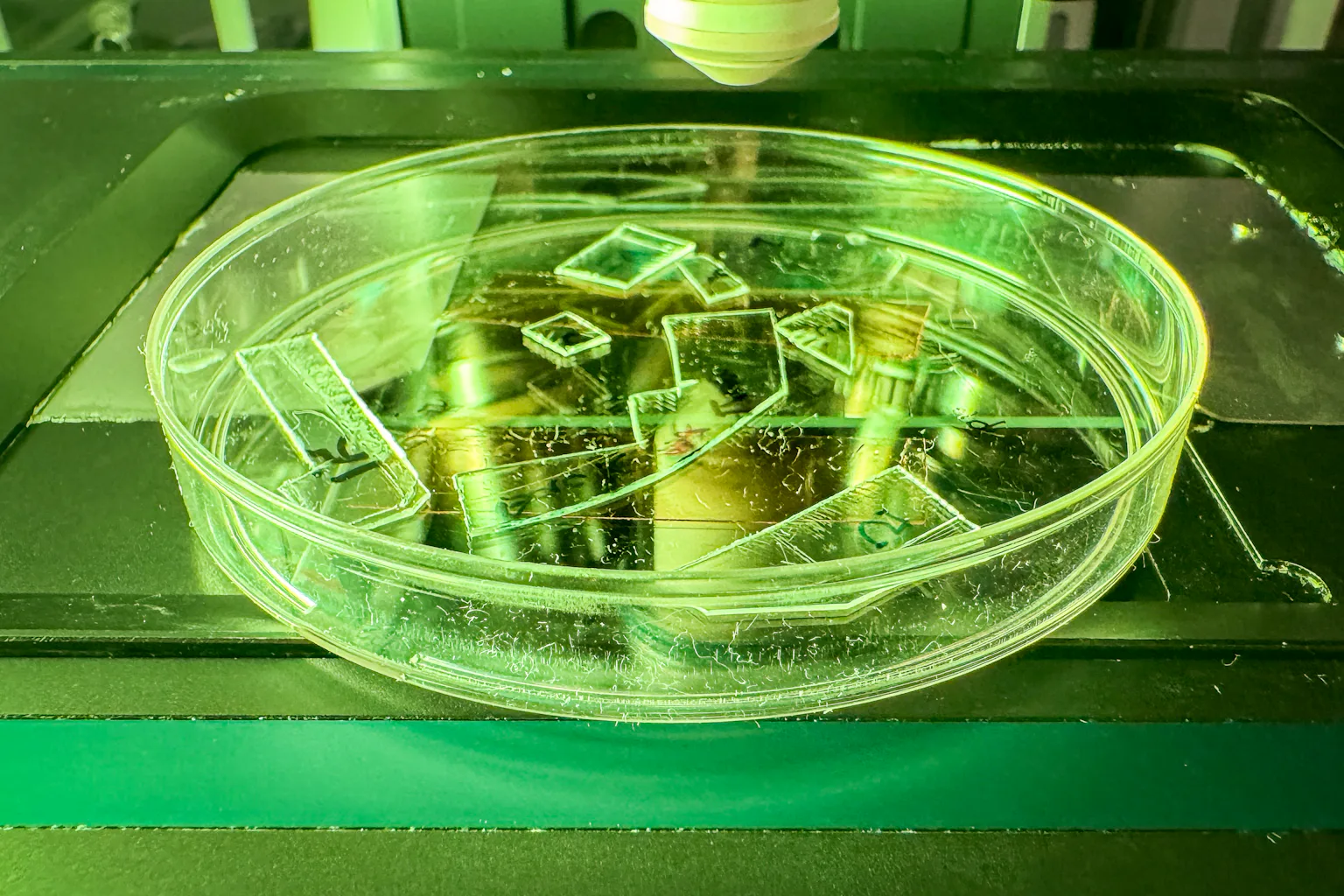
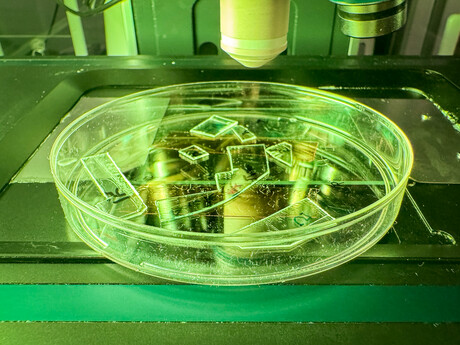
RMIT University researchers have developed a commercially viable antiviral plastic film technology that mechanically destroys viruses on contact, published in Advanced Science (February 13, 2026). The innovation features ultrafine nanopillars spaced 60 nanometers apart that physically rupture viral membranes—achieving 94% inactivation of human parainfluenza virus type 3 (hPIV-3) within one hour—without relying on chemical disinfectants. This represents a decade-long research initiative that discovered nanoscale topography, not surface chemistry, drives the virus-killing mechanism. The critical commercial advantage: the flexible acrylic film can be manufactured using existing roll-to-roll factory equipment (similar to cling wrap production), eliminating substantial capital investment barriers that plagued previous silicon and metal-based antiviral coatings.
For cross-border e-commerce sellers, this technology creates three distinct product differentiation opportunities. First, sellers in electronics (smartphones, keyboards, tablets) and medical devices can integrate antiviral film into product surfaces or packaging, commanding 15-25% premium pricing in health-conscious markets. Second, food packaging and logistics sellers can differentiate through antimicrobial certification while eliminating recurring chemical disinfectant costs—a significant operational advantage for sellers managing warehouse sanitization. Third, hospitality and consumer goods sellers can position products as "antimicrobial-protected" without environmental hazards from chemical leaching, addressing growing regulatory concerns about antimicrobial resistance and sustainability. The technology demonstrates effectiveness against enveloped viruses (those with fatty outer membranes); future testing will evaluate non-enveloped viruses and curved surfaces, potentially expanding market applications.
Current commercialization status remains preliminary, creating both opportunity and risk. RMIT University actively seeks industry partnerships for large-scale manufacturing refinement, indicating the technology is 12-24 months from commercial availability. Sellers should monitor development timelines while considering strategic positioning: early adopters in premium product categories (medical devices, high-end electronics) can establish market leadership before competitors integrate the technology. However, regulatory approval pathways remain undefined—antimicrobial claims on consumer products require FDA clearance in the US and CE marking in EU, adding 6-12 month compliance timelines. The technology addresses post-pandemic consumer demand for antimicrobial surfaces, but sellers must validate market willingness to pay premium prices before committing manufacturing partnerships.
Questions 8
What regulatory approvals are required before sellers can make antimicrobial claims?
In the US, antimicrobial claims on consumer products require FDA clearance through the 510(k) premarket notification process (6-12 months) or full Premarket Approval (PMA) for higher-risk devices. In the EU, antimicrobial products require CE marking under the Medical Device Regulation (MDR) or Biocidal Products Regulation (BPR) depending on product classification. Sellers cannot legally claim antimicrobial benefits without regulatory approval. RMIT University's research demonstrates laboratory effectiveness, but commercial products require independent testing, biocompatibility validation, and durability studies. Sellers should budget $50K-200K for regulatory compliance depending on product category and target markets. Early partnerships with RMIT may accelerate approval timelines through shared research data.
What is the manufacturing cost advantage of this plastic film technology?
The critical advantage is manufacturability using existing roll-to-roll factory equipment (similar to cling wrap production), eliminating the need for entirely new production lines. Previous silicon and metal-based antiviral coatings required specialized equipment and processes, creating substantial capital investment barriers. The flexible acrylic substrate is cost-effective and lightweight, reducing material costs compared to rigid alternatives. However, specific production costs remain unpublished—RMIT has not disclosed per-unit manufacturing expenses or economies of scale. Sellers should expect initial costs to be 2-5x higher than standard plastic film until manufacturing scales to commercial volumes. Cost competitiveness will depend on production volume and whether RMIT licenses the technology to existing film manufacturers or creates new production facilities.