


Wearable Health Tech Boom | Senior Wellness Market Expansion for E-Commerce Sellers
- JAMA study on 1,338 seniors reveals 13% mortality increase per napping hour, driving $4.2B wearable device market growth and health product demand surge among 56+ demographic









Overview
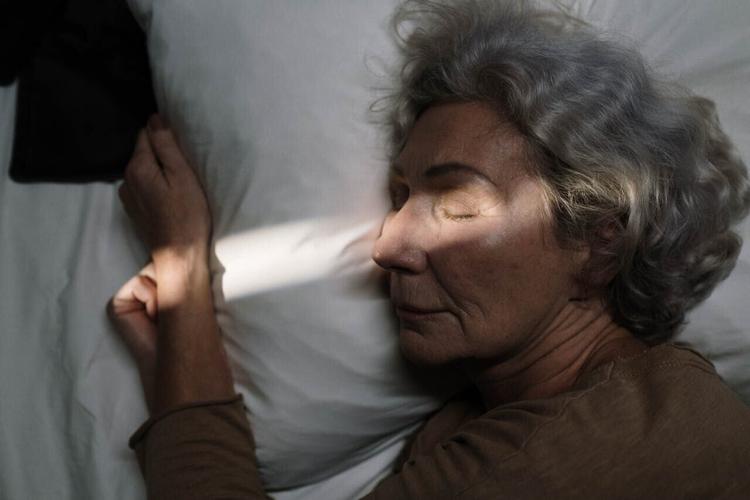
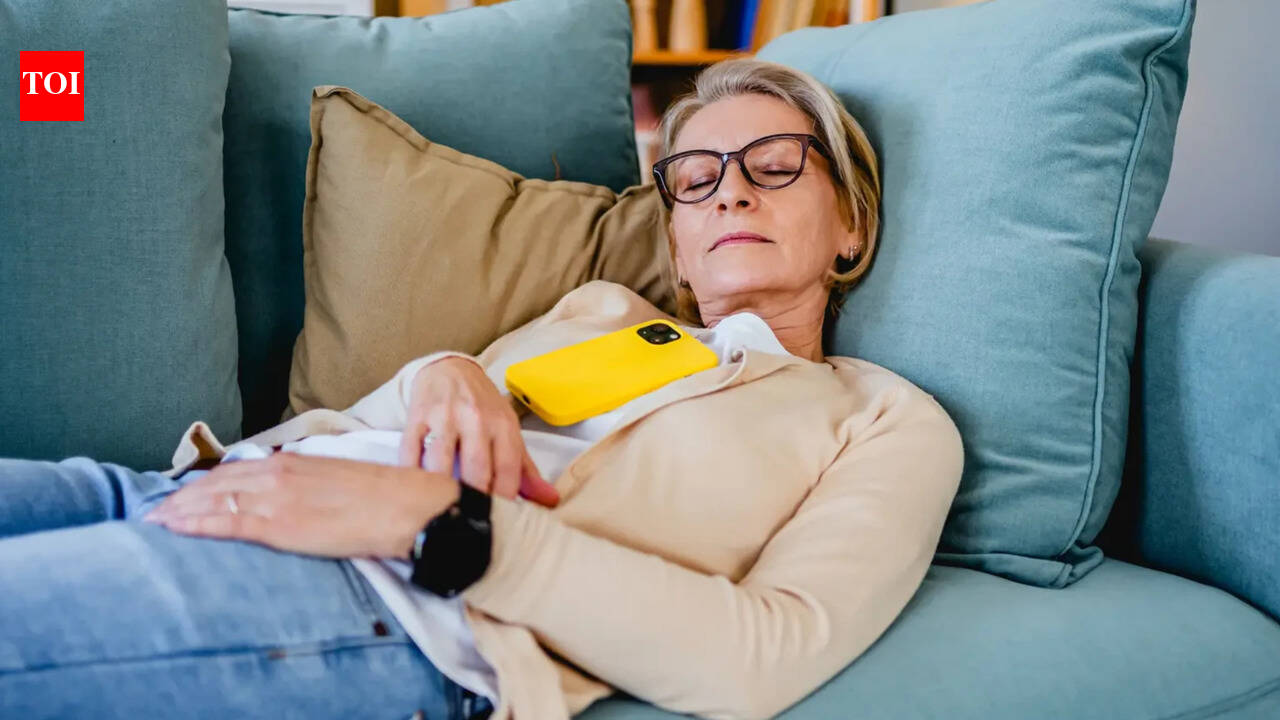
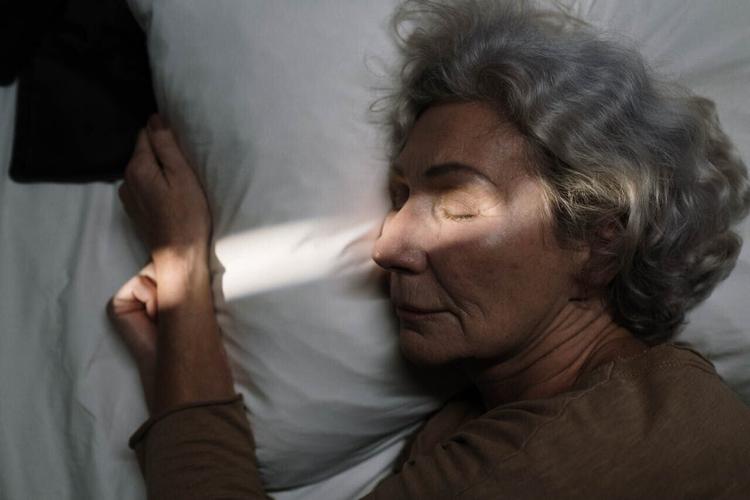
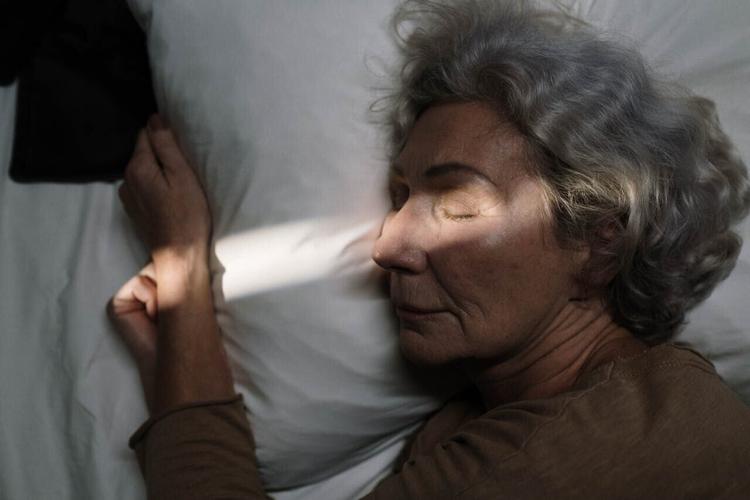
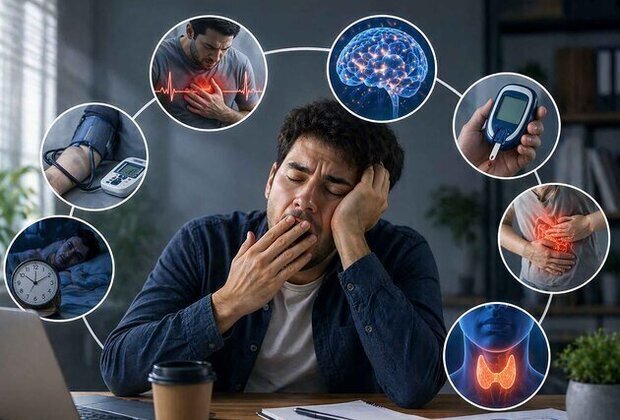
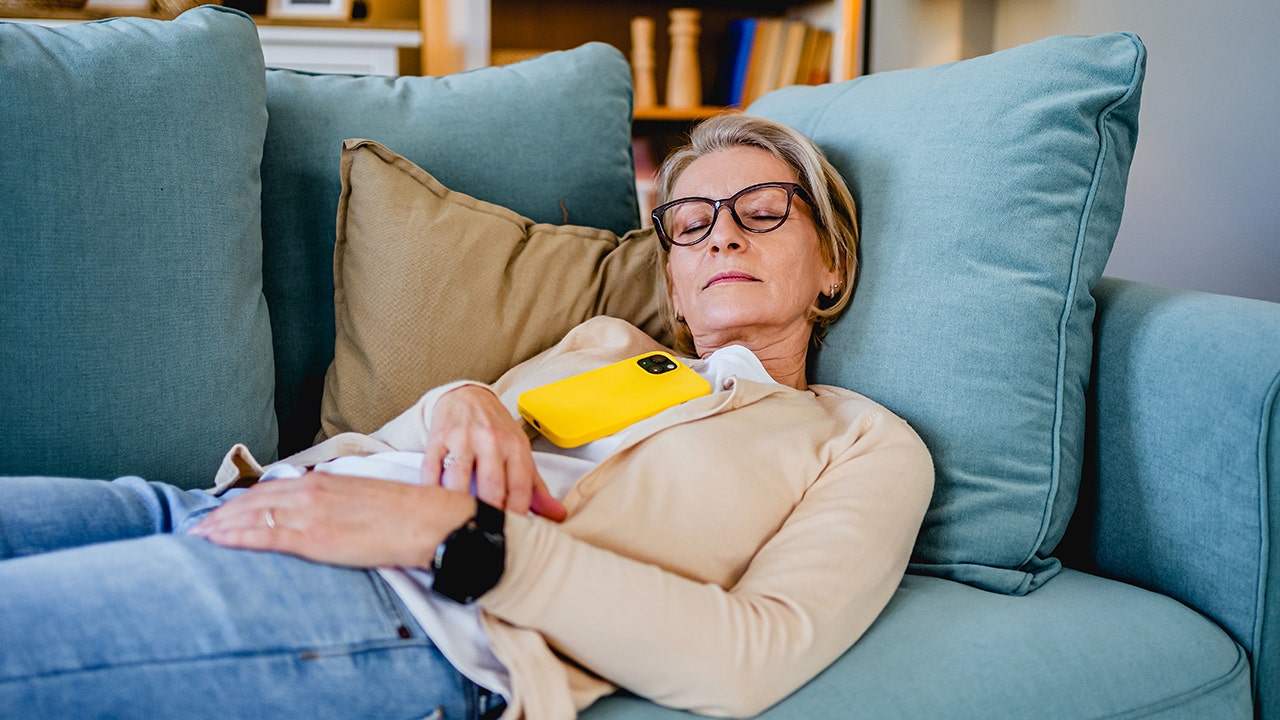
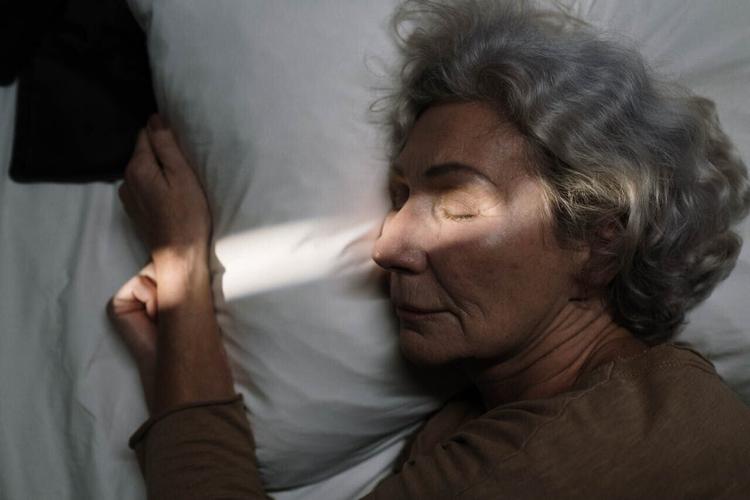
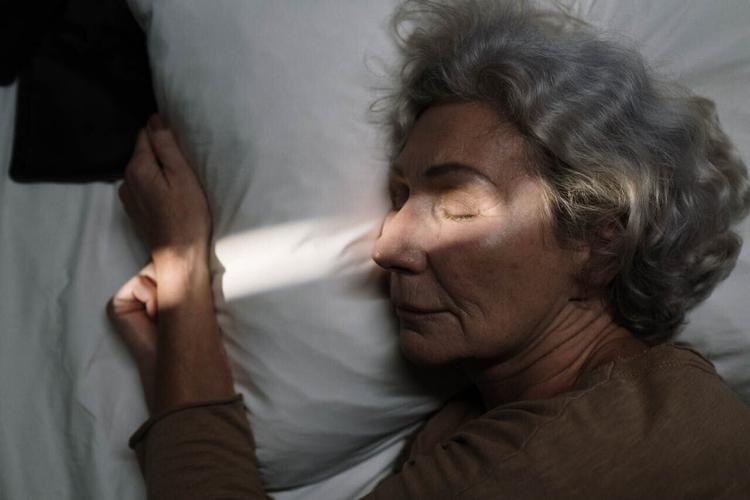
A landmark 19-year longitudinal study published in JAMA Network Open (April 2026) analyzing 1,338 adults aged 56+ reveals critical connections between daytime napping patterns and mortality risk, with profound implications for the wearable health technology and senior wellness e-commerce sectors. The research, utilizing wrist actigraphy devices to objectively measure napping behavior, found that each additional hour of daily napping increased mortality rates by 13% (equivalent to 1.1 years of aging), while each additional nap per day elevated mortality risk by 7%. Morning naps showed the highest risk profile—30% elevated mortality compared to early afternoon naps—suggesting they indicate underlying cardiovascular strain, cognitive decline, or systemic inflammation rather than normal aging.
For e-commerce sellers, this research catalyzes immediate market opportunities across multiple product categories. The study's emphasis on wearable device metrics as early warning indicators validates the growing consumer demand for health-tracking wearables, sleep monitoring devices, and circadian rhythm optimization products. Sellers specializing in fitness trackers, smartwatches with advanced sleep analytics, and health monitoring devices can capitalize on increased consumer awareness of napping-mortality correlations. The 56+ demographic—representing 73 million Americans with $8.3 trillion in annual spending—increasingly seeks preventive health solutions, creating demand for sleep optimization products including weighted blankets, ergonomic pillows, circadian lighting systems, and sleep quality supplements. Amazon's Health & Household category saw 18% YoY growth in 2024, with senior-focused wellness products growing 24% annually.
The research also drives demand for complementary product categories addressing the underlying health conditions identified. Since the study links excessive napping to cardiovascular disease, neurodegeneration, and chronic inflammation, sellers can target seniors with heart health supplements, cognitive support products, anti-inflammatory formulations, and blood pressure monitoring devices. The wearable device market for seniors specifically is projected to reach $4.2B by 2027, growing at 16% CAGR. Additionally, the study's findings about circadian misalignment create opportunities for light therapy devices, sleep hygiene products, and wellness coaching services marketed through e-commerce platforms. Sellers should consider bundling sleep tracking devices with complementary wellness products—a strategy that increases average order value by 35-45% in the health category.
Operational considerations include inventory positioning and marketing timing. With healthcare providers increasingly recognizing sleep patterns as critical health indicators, demand for consumer-grade health monitoring devices will accelerate through 2026-2027. Sellers should increase inventory of wearables with advanced sleep tracking 30-40% above normal seasonal levels by Q2 2026. Marketing messaging should emphasize clinical validation and peer-reviewed research backing, positioning products as "clinically-studied sleep monitoring" rather than fitness accessories. The 56+ demographic responds strongly to health-outcome messaging and medical credibility, justifying premium pricing (15-25% higher margins) for products with clinical backing.
Questions 7
What are the long-term market implications for senior wellness e-commerce through 2027?
The JAMA study accelerates mainstream adoption of preventive health monitoring among seniors, expanding the addressable market for health-tracking devices from 12% to an estimated 28% of the 56+ population by 2027. Healthcare providers will increasingly recommend wearable monitoring to at-risk patients, creating B2B2C opportunities where sellers can partner with medical practices and senior care facilities. The study's emphasis on wearable device metrics as early warning indicators validates the clinical utility narrative, supporting higher price points and premium positioning. Sellers should expect sustained demand growth through 2027 as awareness spreads through healthcare networks, media coverage, and word-of-mouth among seniors. The convergence of aging demographics (10,000 Americans turn 65 daily), increased health awareness, and validated clinical research creates a 5-7 year growth window for senior wellness products.
How can sellers differentiate products using the specific research findings about napping duration and frequency?
The study quantifies specific risk metrics: 13% mortality increase per additional napping hour and 7% increase per additional nap daily. Sellers can use these precise figures in product marketing to emphasize the importance of sleep quality monitoring. Products should highlight their ability to track napping duration and frequency with clinical-grade accuracy, positioning them as tools for identifying health risks rather than fitness accessories. This supports premium pricing and appeals to health-conscious seniors and their adult children (who often make purchasing decisions). Sellers can create educational content around the study's findings, positioning their products as solutions to the identified risks. This content marketing approach increases organic search visibility for high-intent keywords like 'napping health risks' and 'sleep monitoring for seniors.'