


Humanitarian Crisis in Gaza Exposes Systemic Failure of International Aid and Political Stalemate
- Winter Storm Byron Reveals Catastrophic Humanitarian Vulnerabilities for Displaced Palestinians

























)



Overview
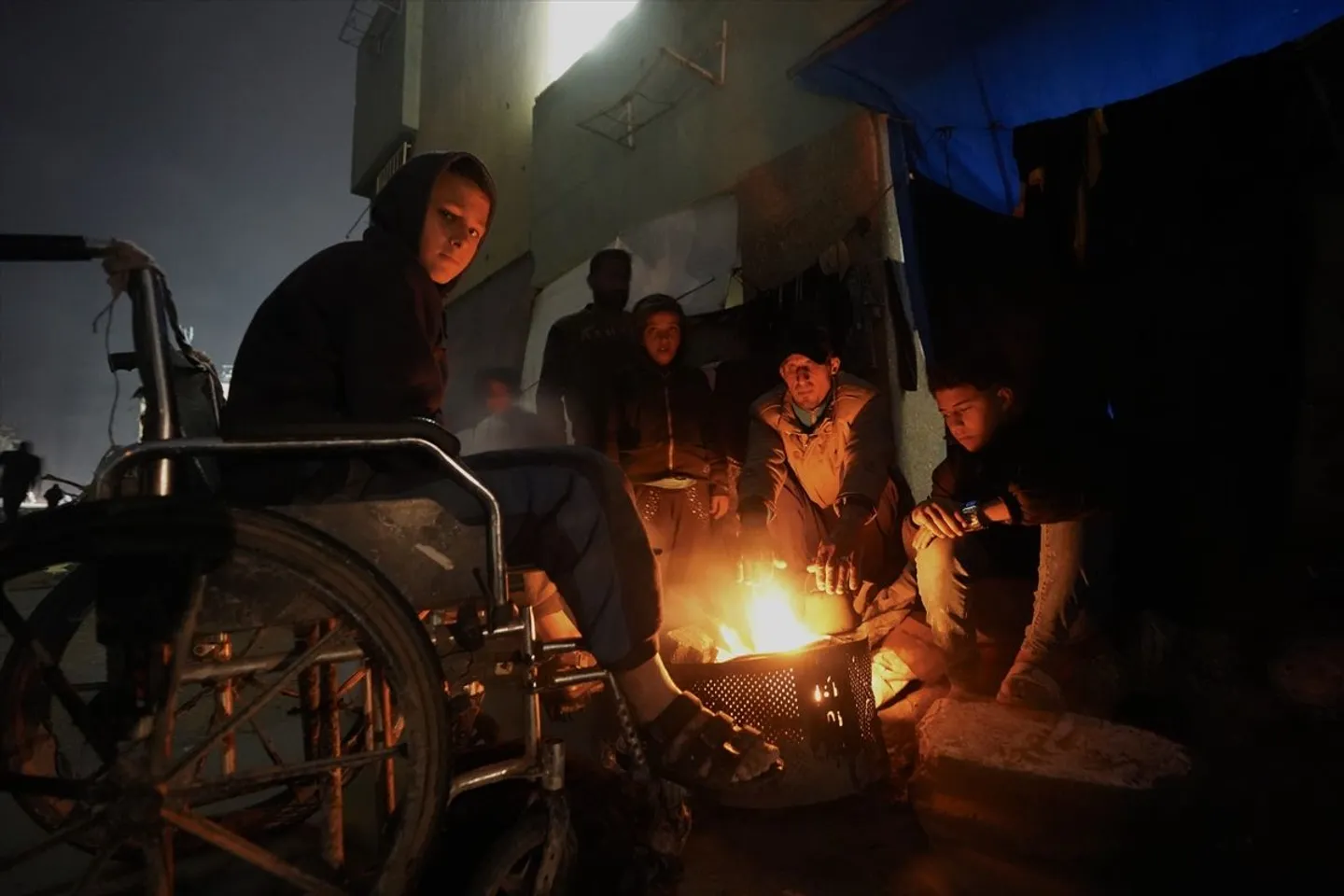
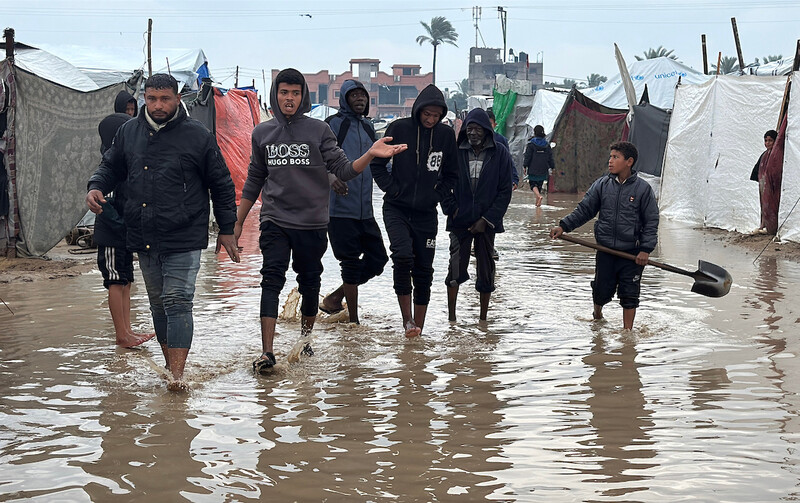
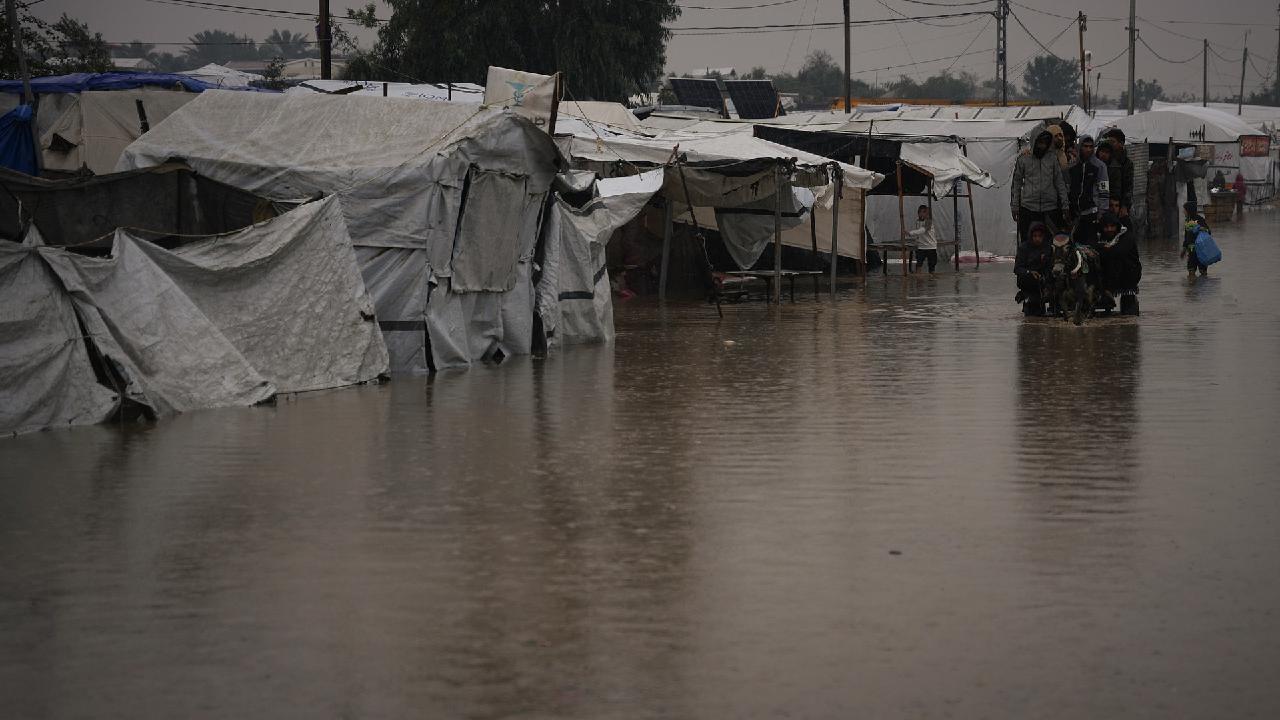
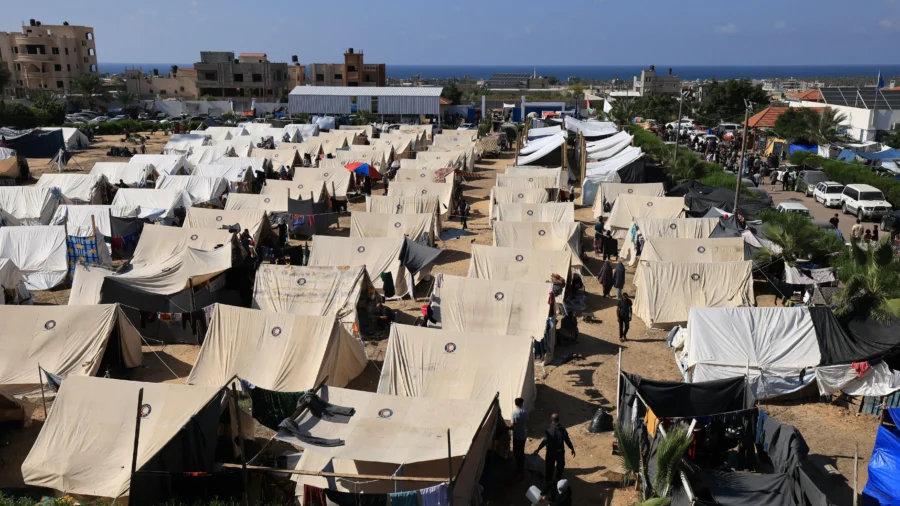
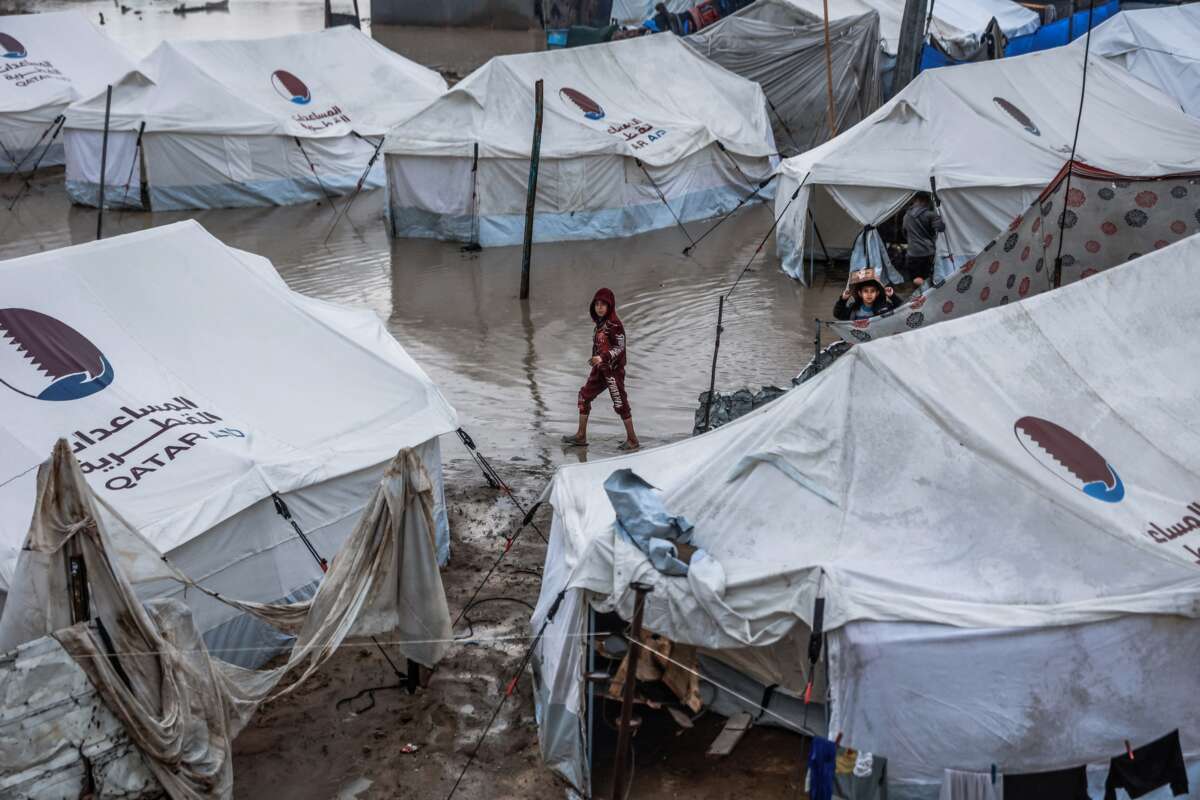
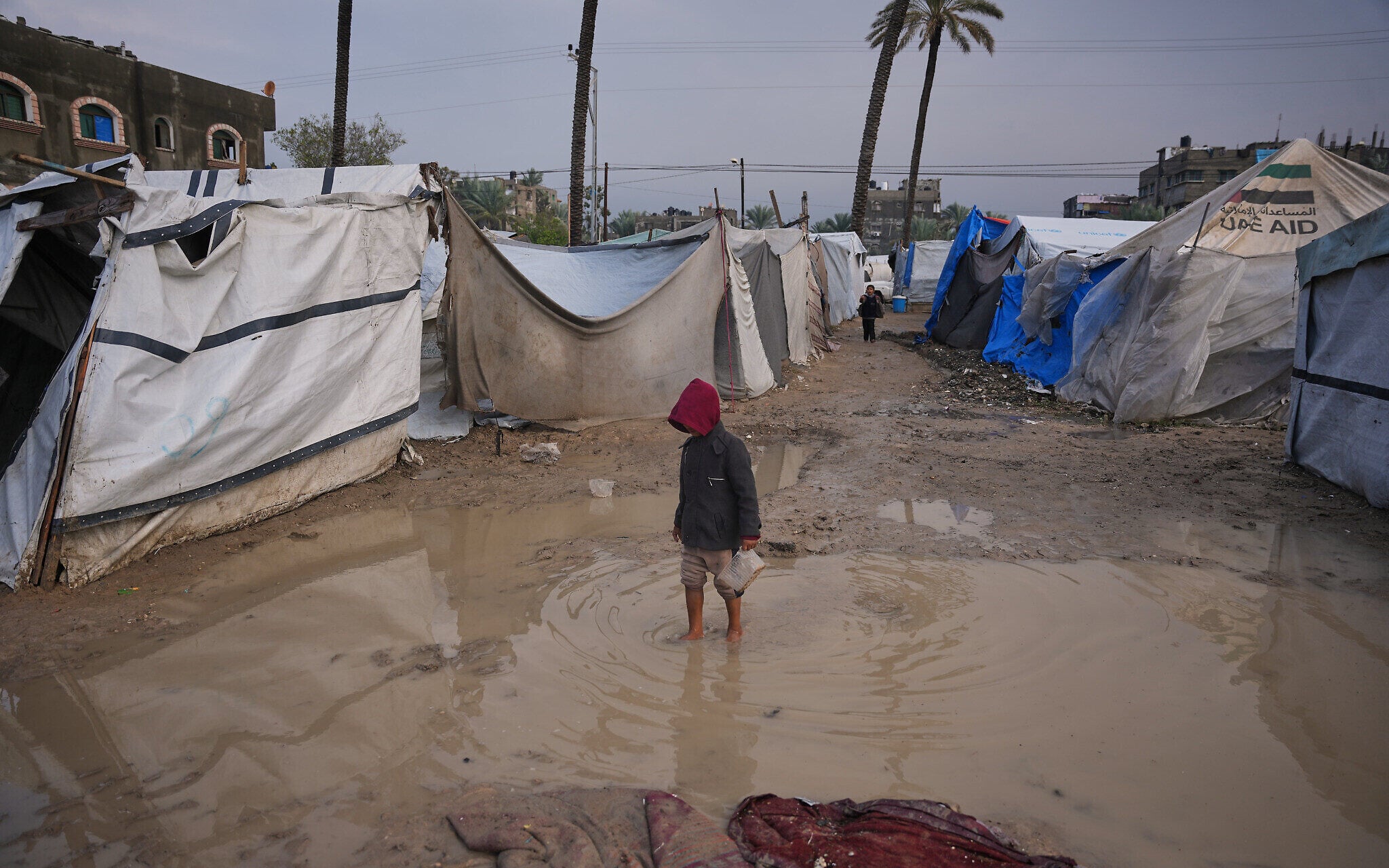
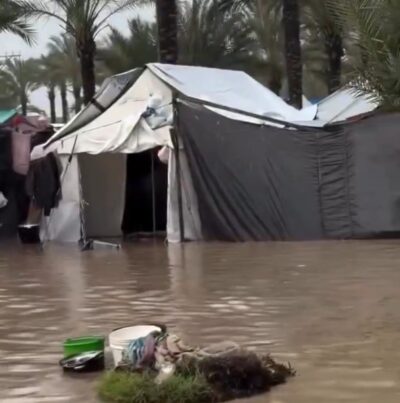
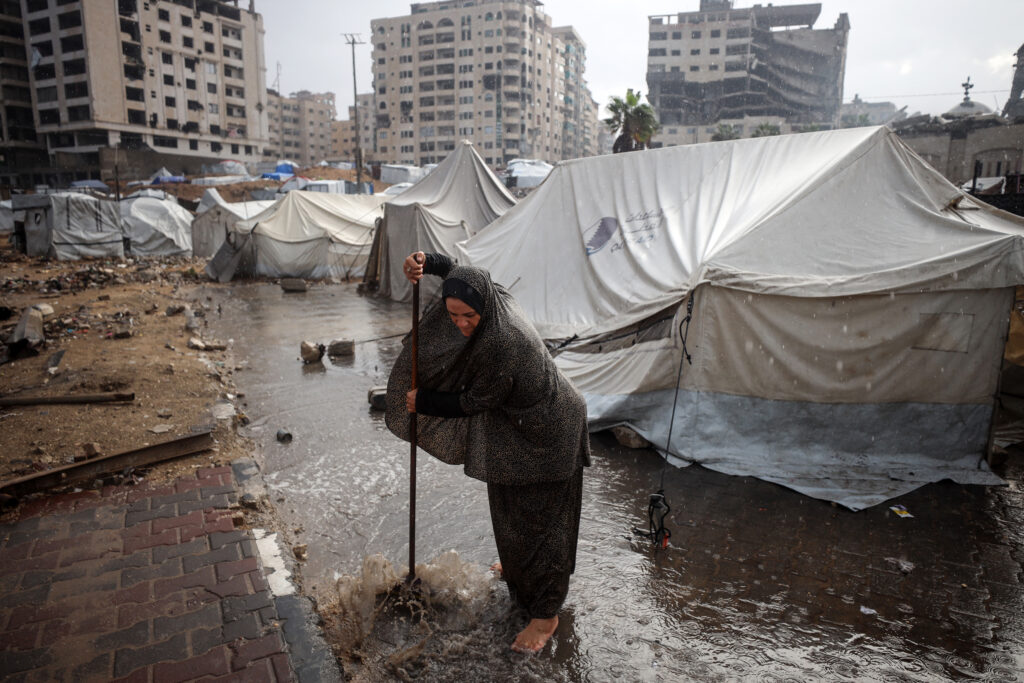
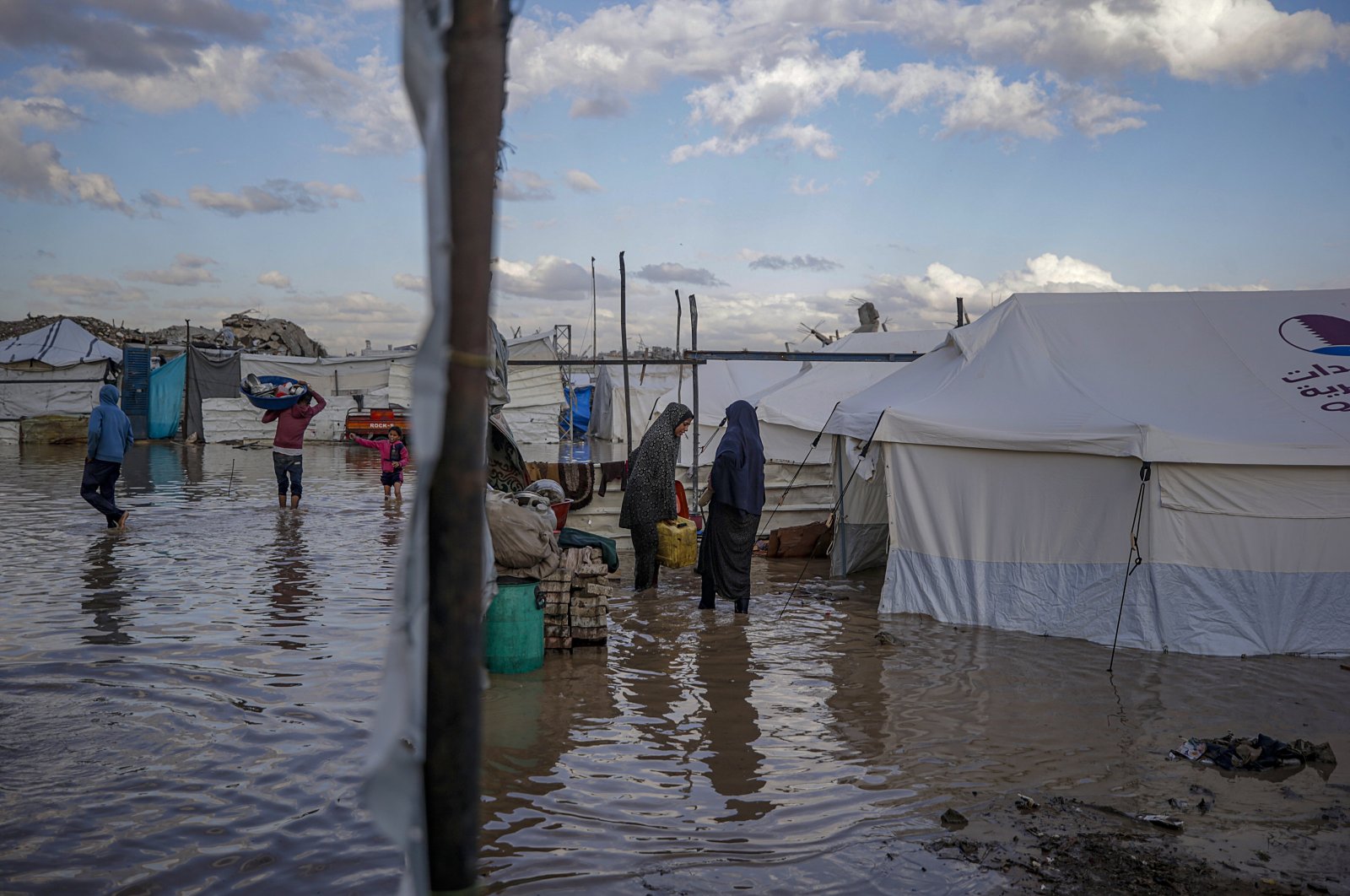
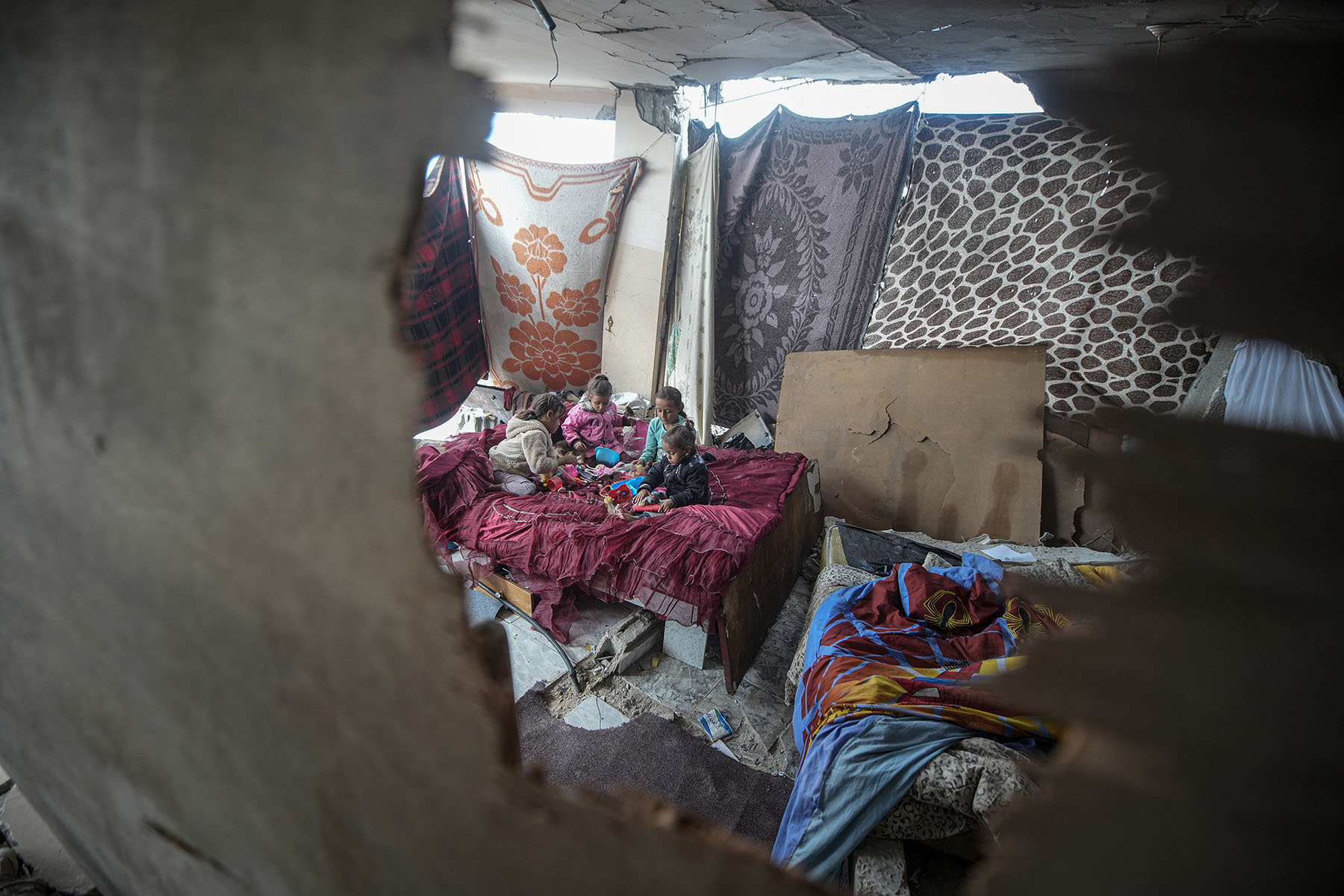
The humanitarian crisis in Gaza has reached a critical inflection point, where environmental catastrophe intersects with political gridlock, creating a perfect storm of human suffering. Winter Storm Byron has exposed the profound systemic failures in humanitarian response, with nearly 850,000 displaced people facing catastrophic living conditions that transcend mere emergency and approach a potential humanitarian collapse.
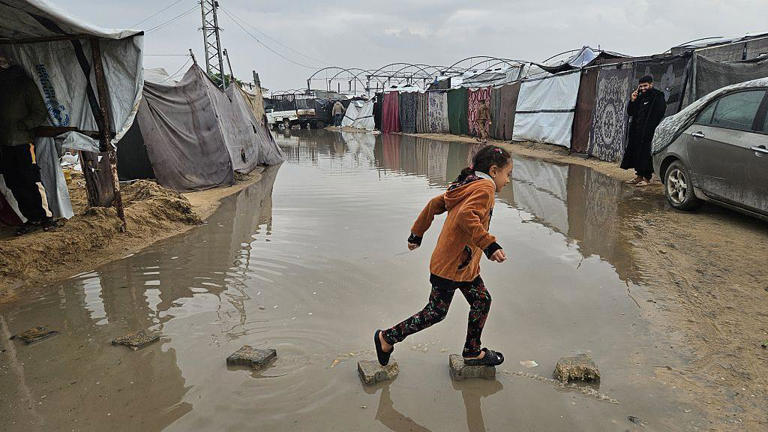
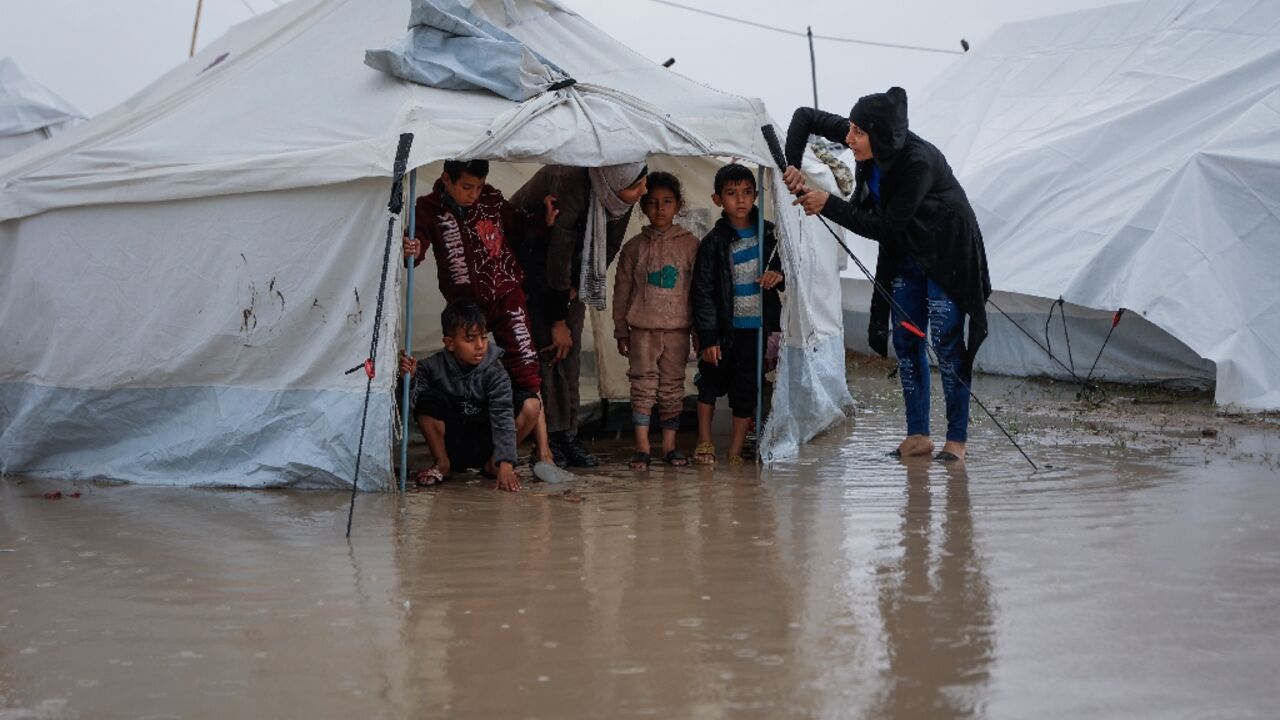
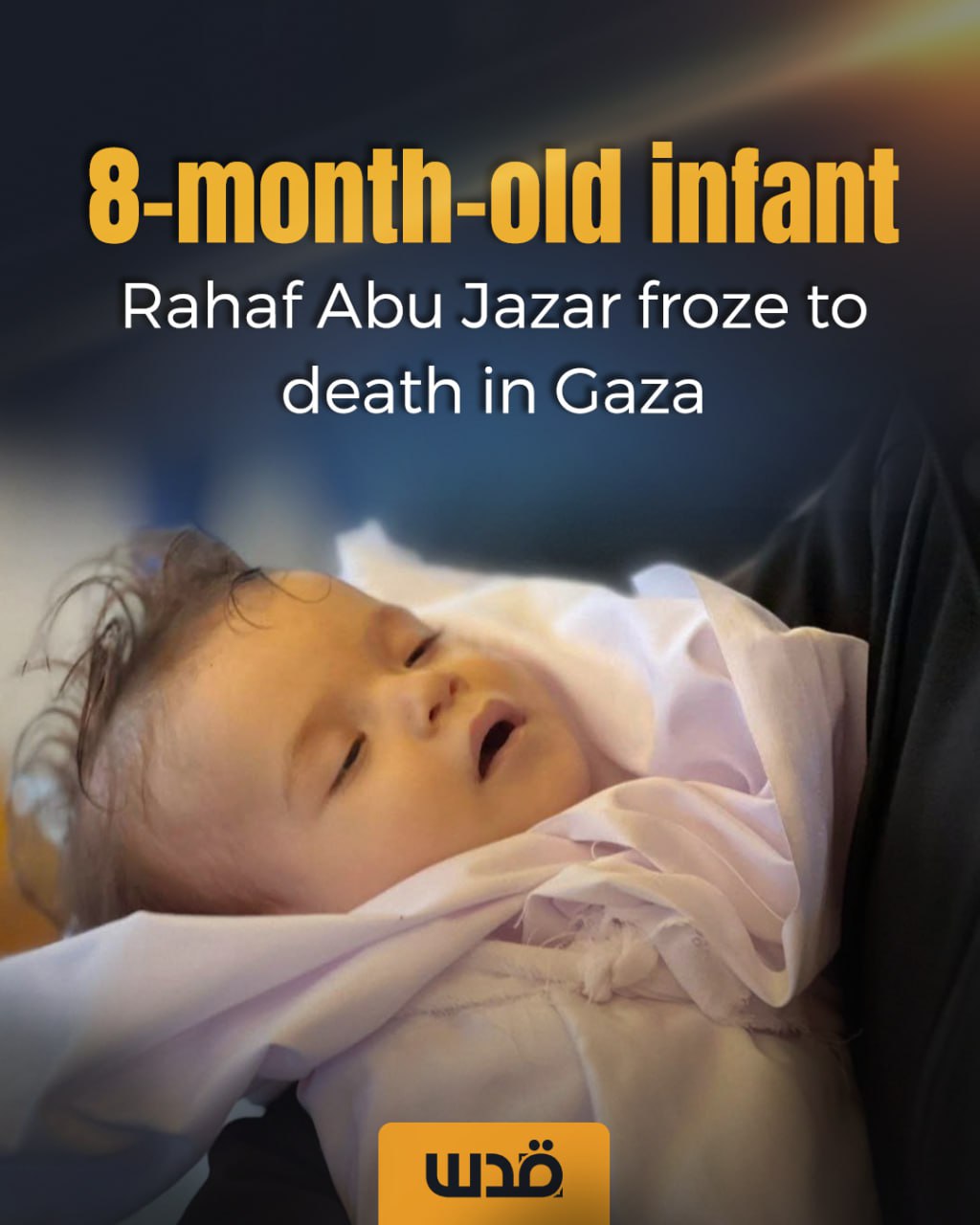
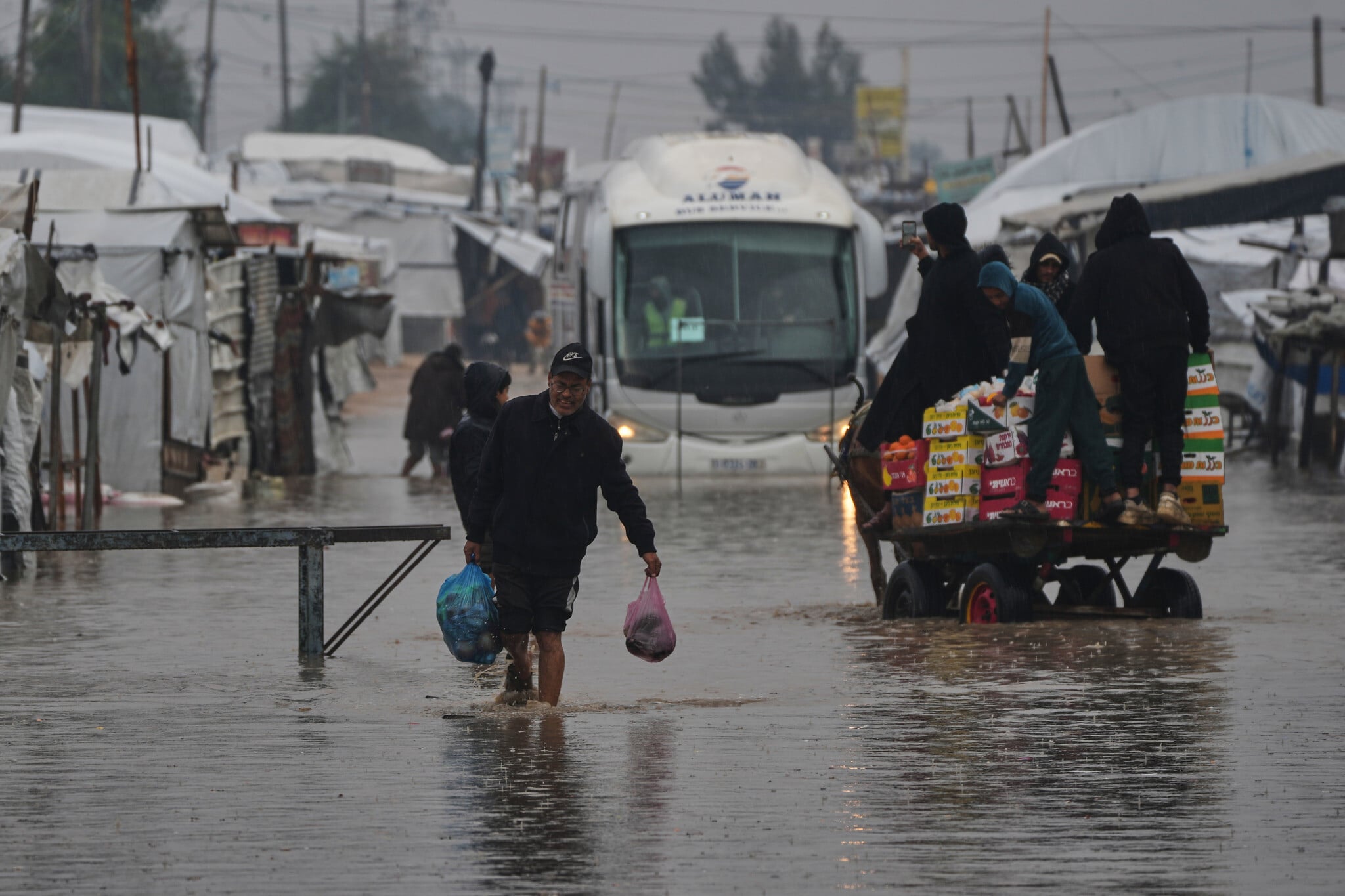
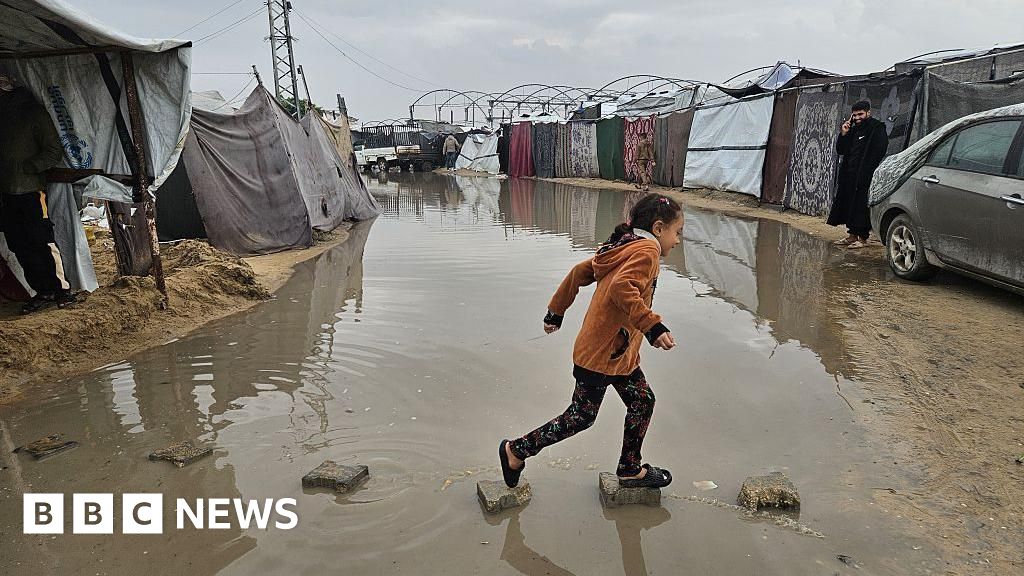
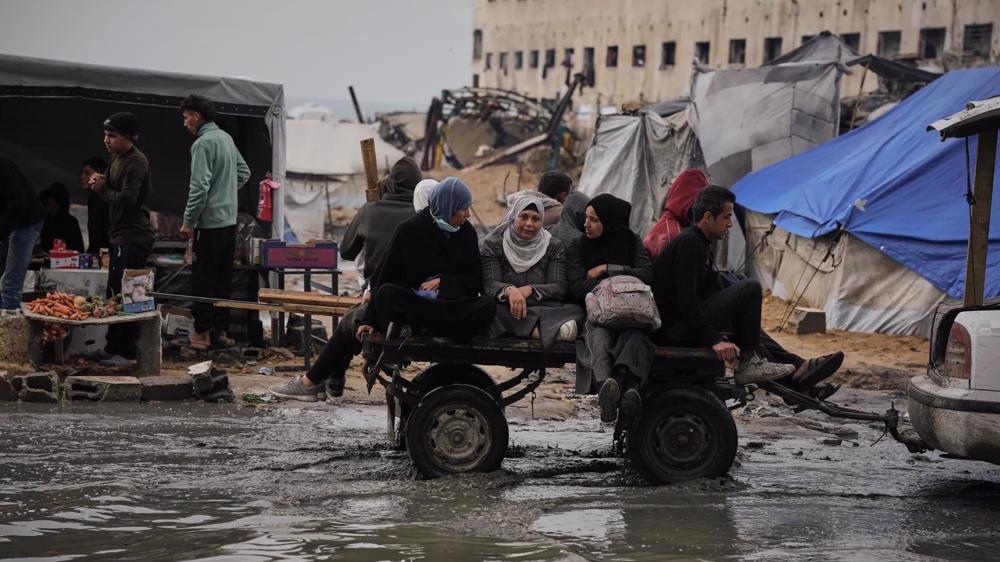
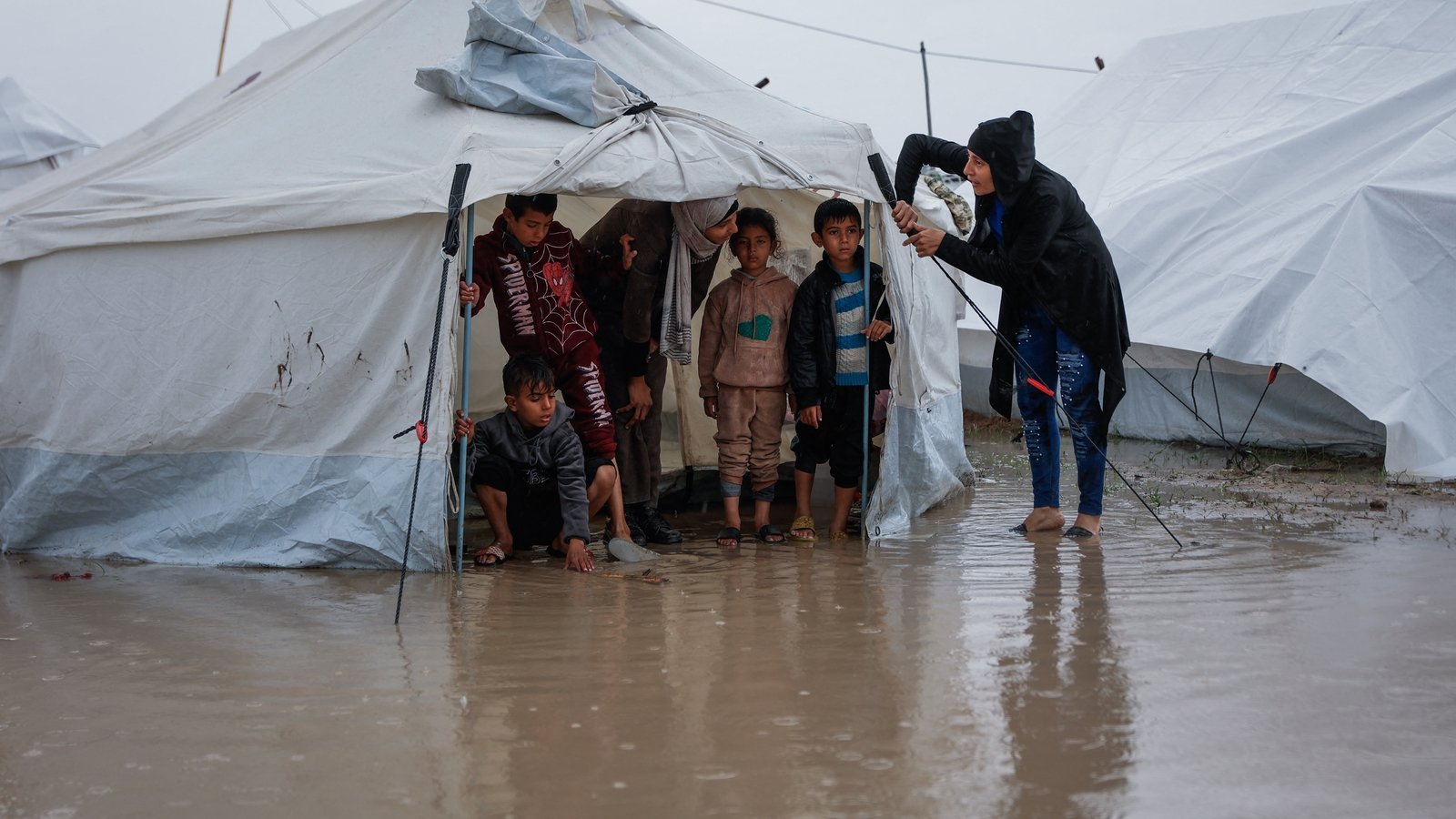
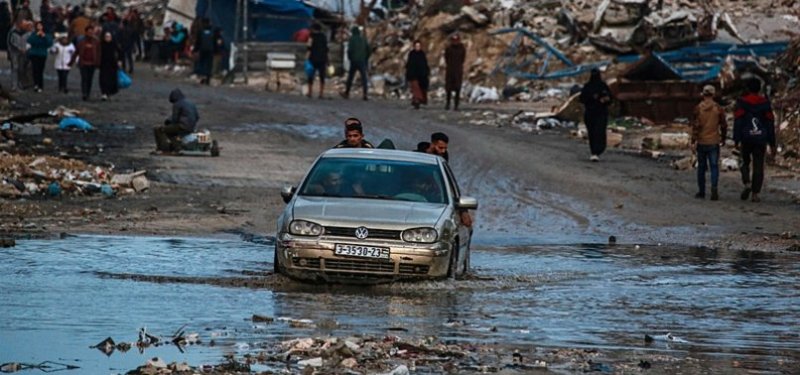
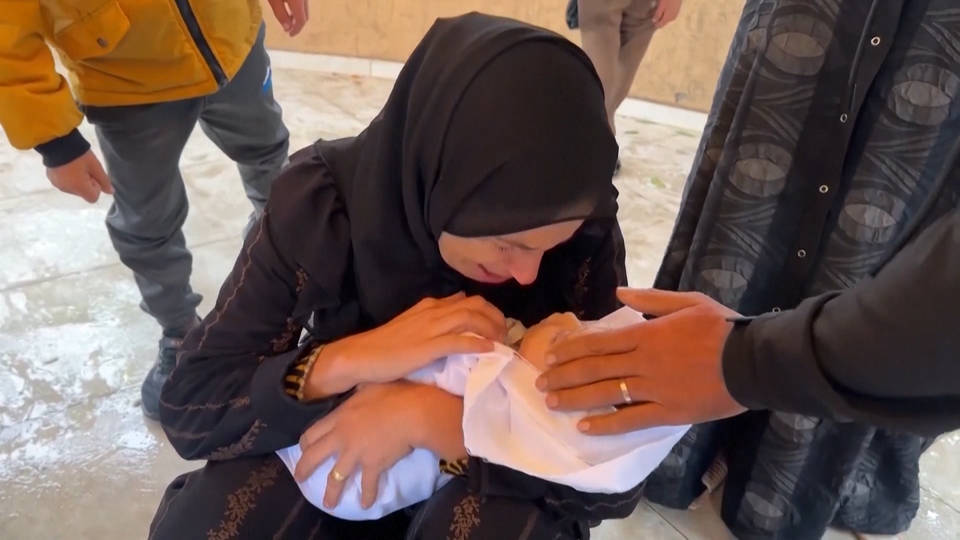
The storm's impact reveals a multi-layered crisis: infrastructural breakdown, aid supply restrictions, and geopolitical impasse have combined to create conditions where survival itself has become precarious. UN reports highlight the stark reality - approximately 2.2 million people are experiencing extreme hardship, with flood waters destroying makeshift shelters and creating high-risk disease environments. The tragic death of infants like 8-month-old Rahaf Abu Jazar symbolizes the human cost of this systemic failure.
Key structural challenges emerge from the crisis. Material restrictions play a critical role, with Gaza's Government Media Office reporting that Israel has blocked approximately 300,000 tents, mobile homes, and caravans since the October ceasefire. The UN International Organization for Migration has noted significant delays in critical supplies like timber, plywood, and water pumps. These restrictions transform a natural disaster into a human-engineered catastrophe.
The political dimension further complicates humanitarian response. The stalled peace process, characterized by mutual reluctance between Hamas and Israel, creates an environment where emergency aid becomes a geopolitical negotiation rather than a humanitarian imperative. The US-proposed 'Board of Peace for Gaza' remains theoretical, while real people suffer immediate, life-threatening conditions.
Emergency responses are critically overwhelmed. Civil defense teams are conducting rescue operations with extremely limited resources, and the scale of the crisis far outstrips current relief capabilities. With over 4,300 distress calls and multiple building collapses, the situation demands immediate, comprehensive international intervention.
The crisis represents more than a localized emergency - it is a profound indictment of current humanitarian aid models, geopolitical negotiation frameworks, and international responsibility mechanisms.
Questions 3
What are the most immediate risks facing displaced Palestinians?
Immediate risks include hypothermia, disease outbreak from unsanitary conditions, structural collapse of makeshift shelters, and potential mass displacement. With flood waters mixing with sewage and limited medical resources, vulnerable populations like children and elderly are at extreme risk.
How are material restrictions impacting humanitarian response?
Israel has reportedly blocked approximately 300,000 tents, mobile homes, and caravans since the October ceasefire. Critical supplies like timber, plywood, and water pumps are being delayed, preventing effective emergency shelter and infrastructure reconstruction for displaced populations.