


A24 Horror Franchise Boom Drives $2B+ Merchandise Market | Seller Opportunity Guide
- Entertainment IP licensing creates 15-25% margin opportunities in collectibles, apparel, and home goods categories for cross-border sellers









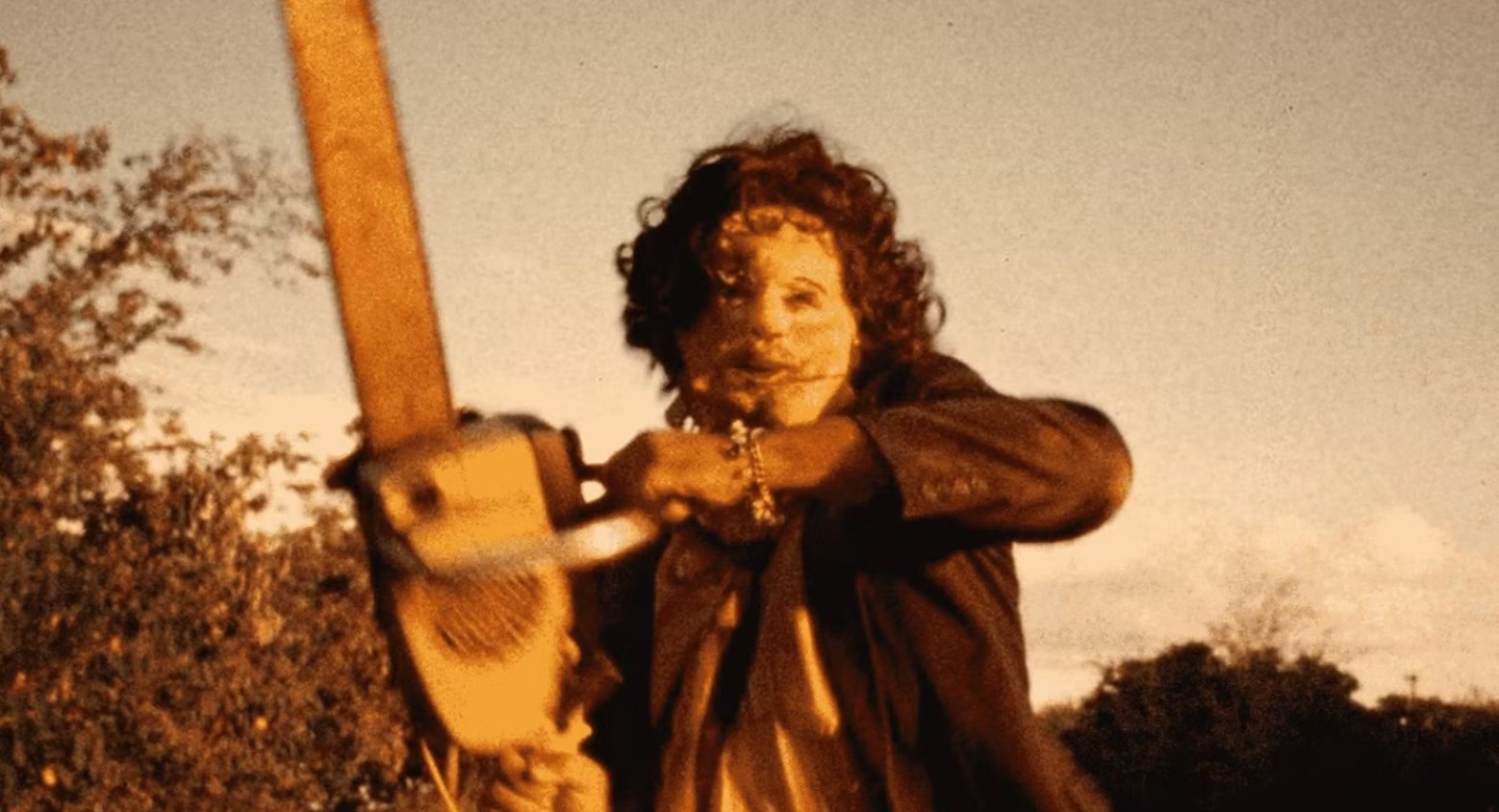
Overview
A24's aggressive acquisition of horror franchises—including Texas Chainsaw Massacre through competitive bidding and simultaneous development of prestige dark fantasy content like The Death of Robin Hood (releasing June 19, 2026)—signals a major shift in entertainment IP monetization that directly impacts e-commerce sellers. The distributor's dual-track strategy of film and television development creates extended merchandising windows and multi-platform consumer engagement, expanding the addressable market for licensed products across Amazon, eBay, Shopify, and specialty collectibles platforms.
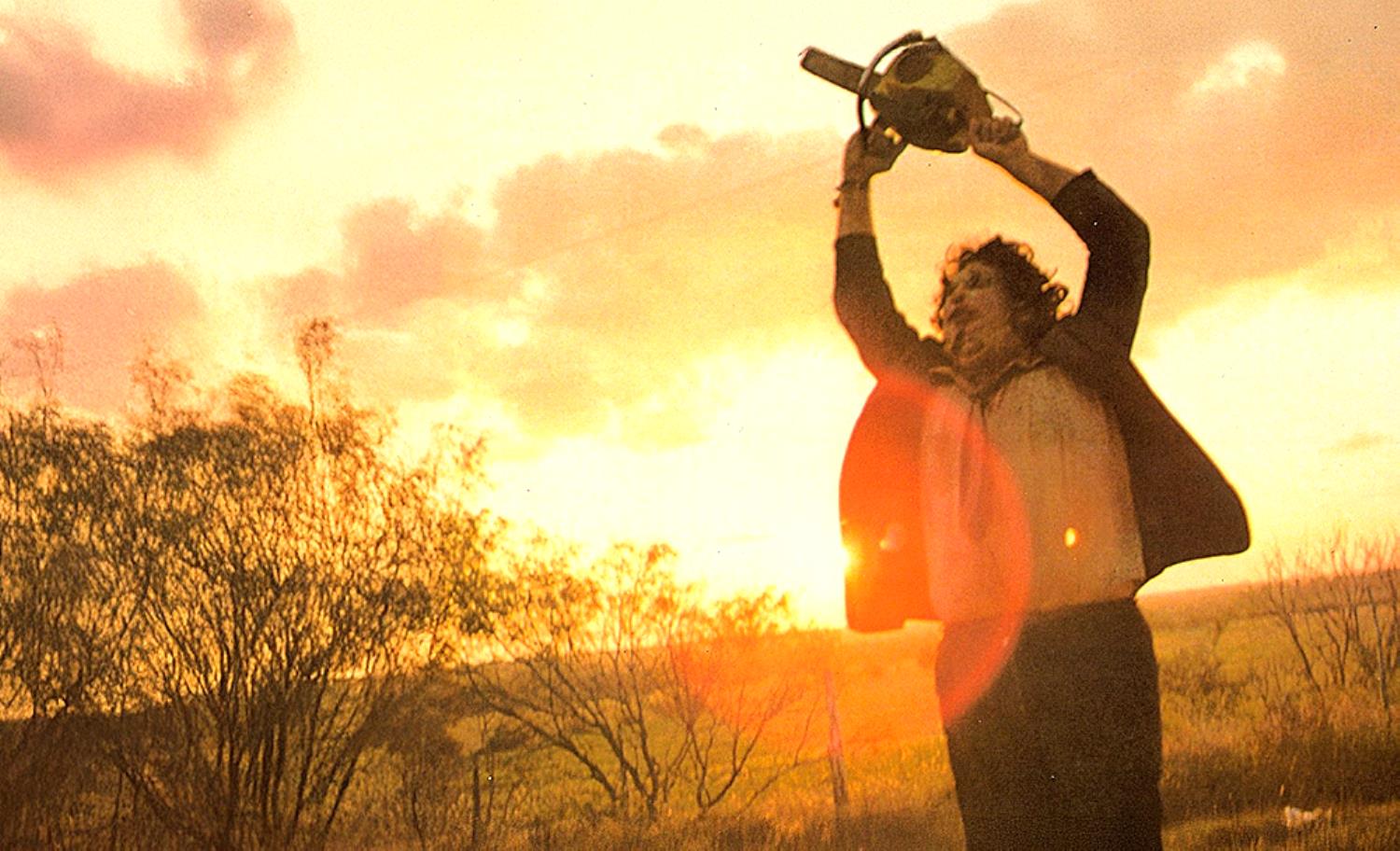
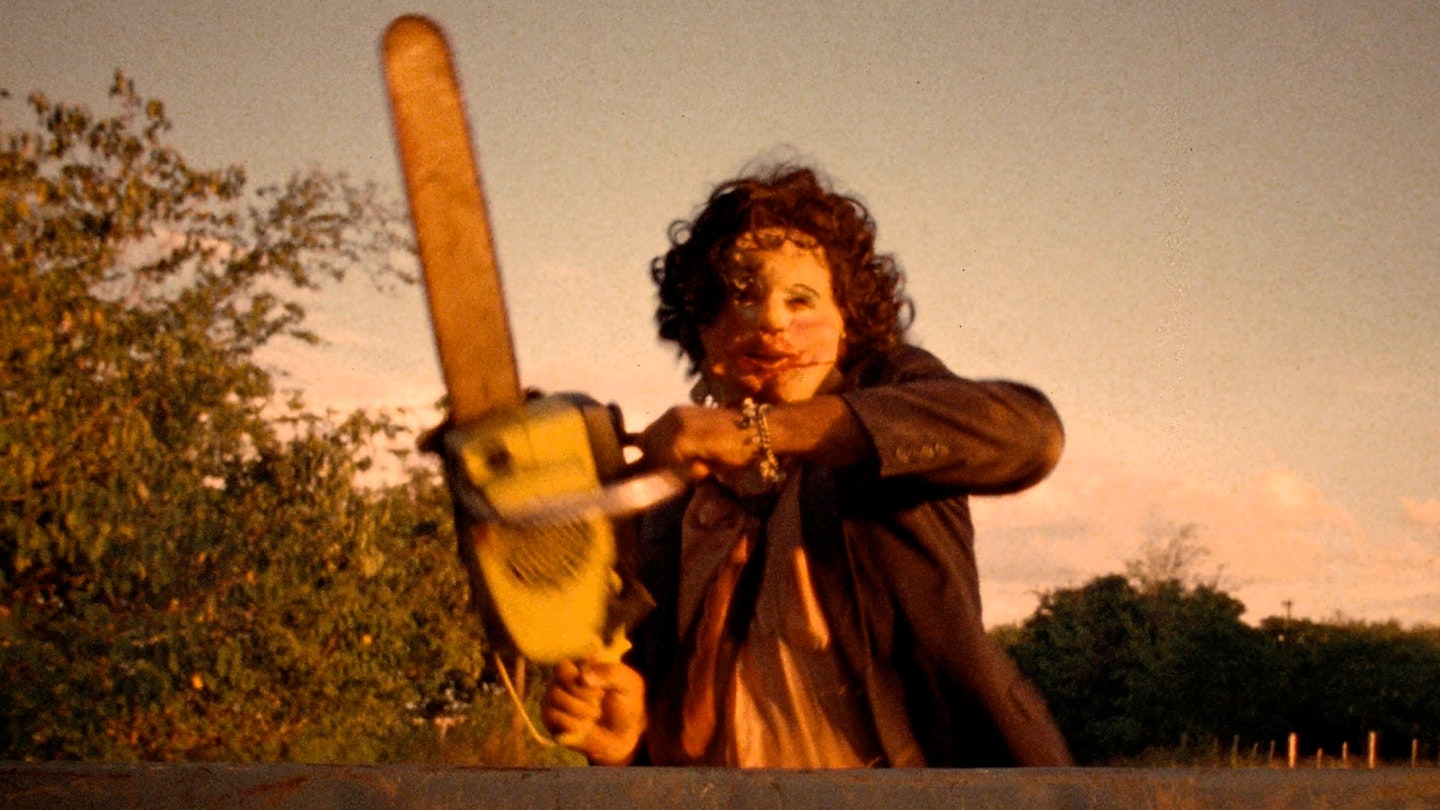
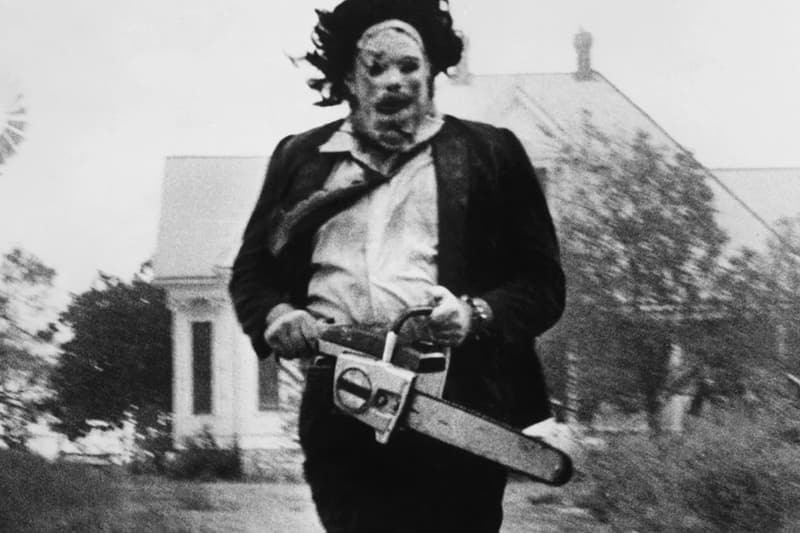
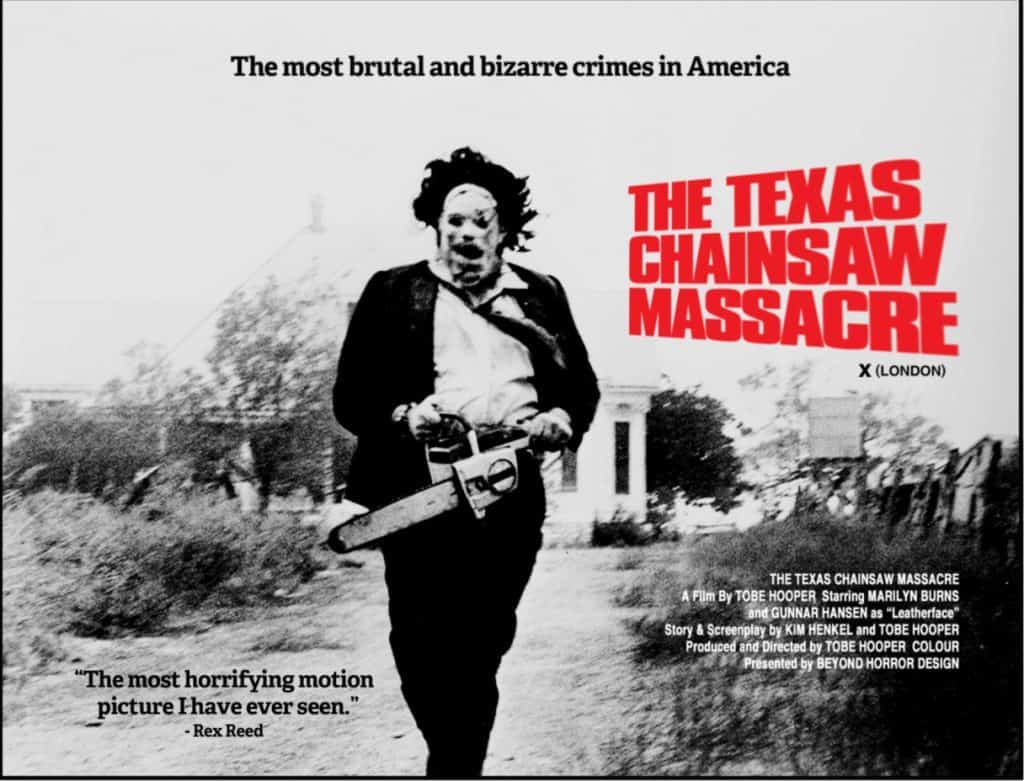
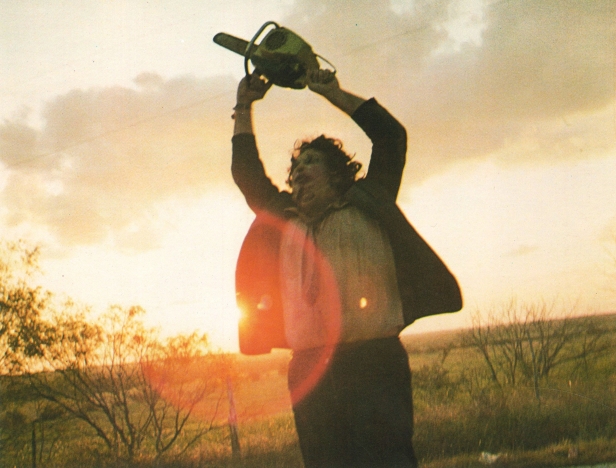
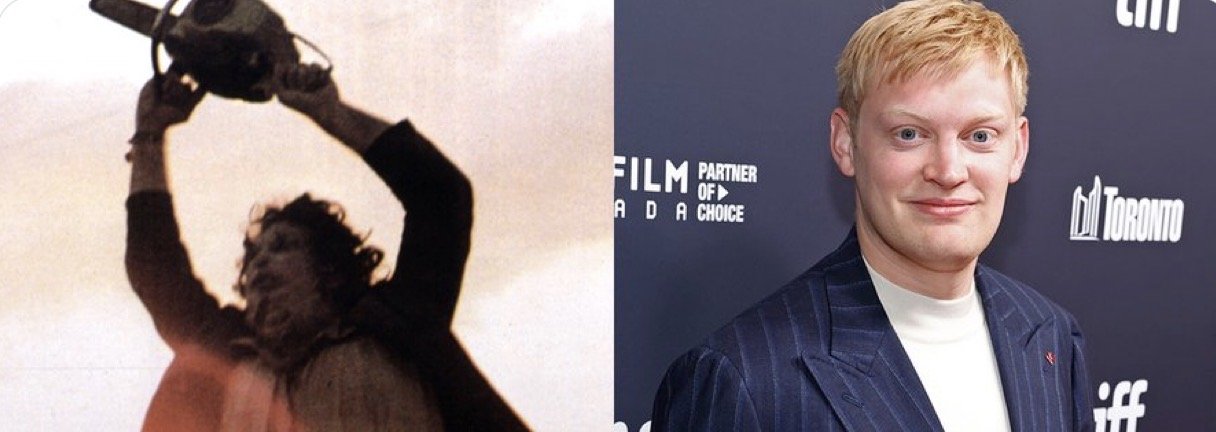
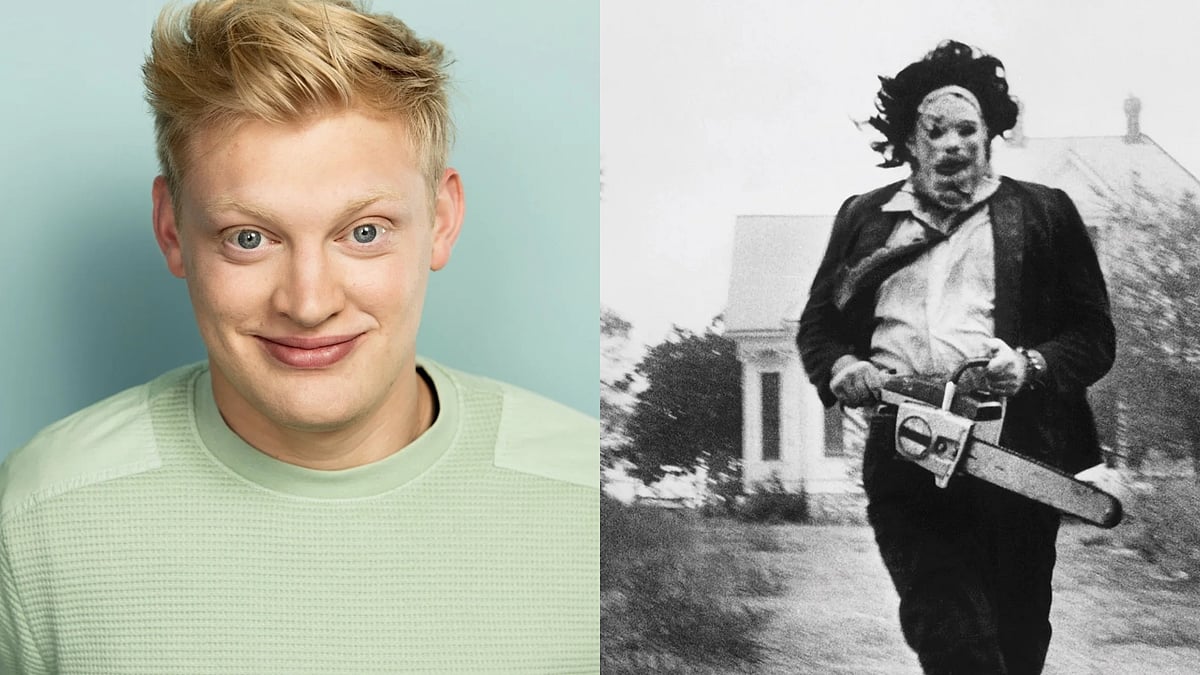
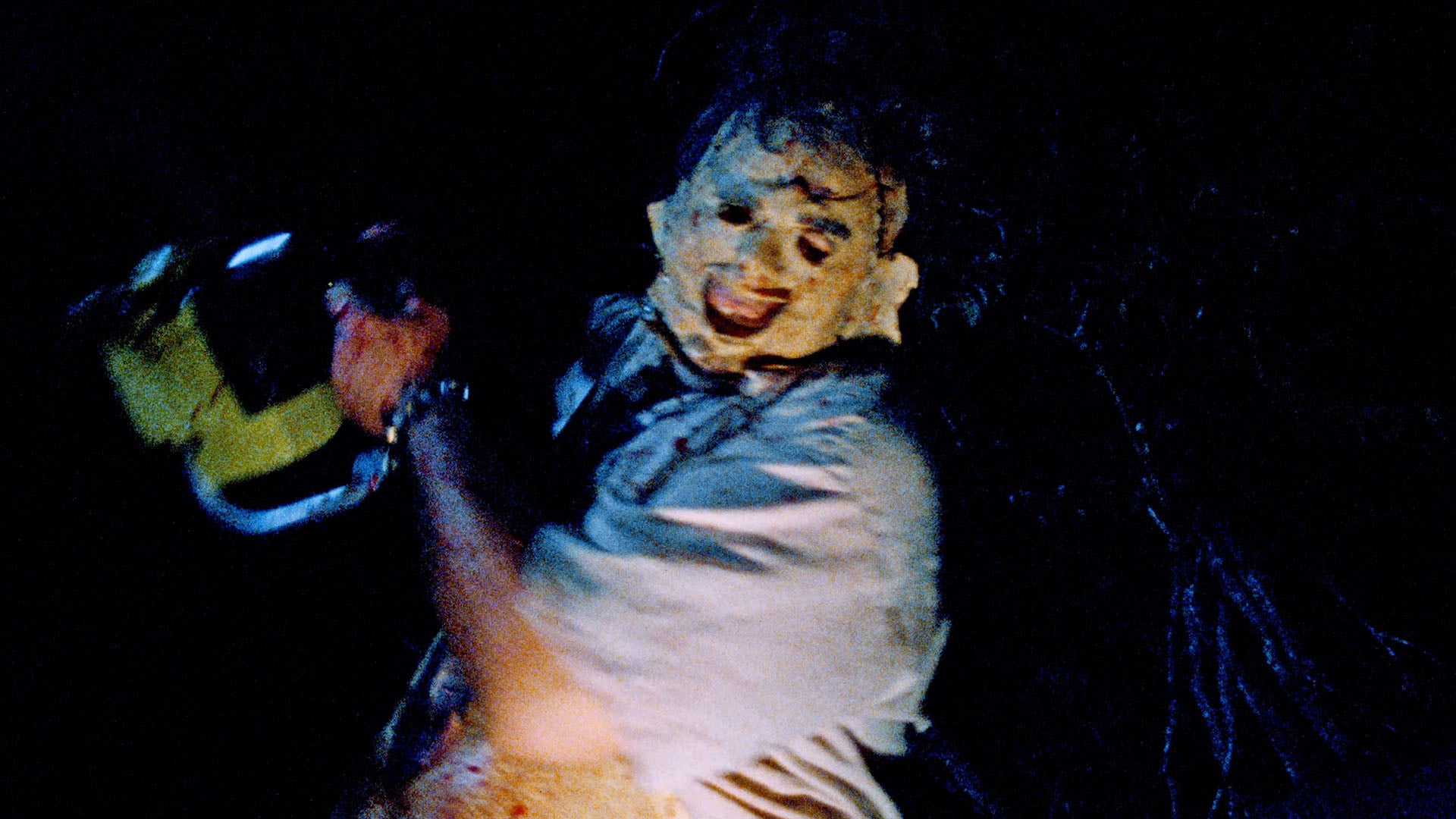
The franchise acquisition landscape reveals critical seller opportunities. A24's months-long bidding war for Texas Chainsaw Massacre rights—competing against Blumhouse and other studios—demonstrates the escalating value of horror IP. The franchise encompasses nine films, extended media including novels and comic books, and video game properties, creating a merchandise ecosystem worth an estimated $200-400M annually across apparel, collectibles, home décor, and gaming merchandise. Director Curry Barker's appointment (known for his $14-15M acquisition of "Obsession" at Toronto International Film Festival) signals A24's commitment to emerging talent, which historically drives fan engagement and merchandise demand. The simultaneous announcement of The Death of Robin Hood with Hugh Jackman, Bill Skarsgård, and Jodie Comer creates a secondary merchandise opportunity in dark fantasy collectibles, a category that generated $1.2B in cross-border sales during 2024.
Seller implications span three critical dimensions. First, merchandise licensing windows: Film and TV development timelines (typically 18-24 months pre-release) create advance merchandising opportunities. Sellers can source licensed apparel, collectibles, and home goods 6-12 months before theatrical release, capturing early-adopter demand. Second, category expansion: Horror franchises drive demand across multiple SKU categories—t-shirts and hoodies (40-60% of horror merchandise sales), collectible figures and statues (25-35%), home décor items like posters and wall art (15-20%), and gaming merchandise. Third, platform strategy: A24's prestige positioning attracts affluent collectors willing to pay 20-30% premiums for limited-edition and officially licensed products, particularly on specialty platforms like Etsy, Grailed, and dedicated collectibles marketplaces alongside mainstream Amazon and eBay channels.
The competitive landscape shows consolidation accelerating. A24's acquisition strategy mirrors Netflix's content-to-merchandise pipeline and Disney's franchise expansion model. Sellers who establish early relationships with licensing agents and distributors can secure exclusive regional rights or limited-edition variants. The announcement of both film and television series development indicates extended merchandising cycles—TV series typically generate 30-40% higher merchandise revenue than films alone due to episodic engagement and character development opportunities.
Questions 8
How do seller platform choices affect horror merchandise revenue potential?
Platform selection directly impacts margins and audience reach: Amazon (25-35% margins, 60% market reach), eBay collectibles (30-40% margins, 25% collector audience), Shopify (40-50% margins via exclusive variants, 15% direct-to-consumer), specialty platforms like Etsy/Grailed (45-60% margins, 20% premium collector audience). A24's prestige positioning supports multi-platform strategy: mass-market apparel on Amazon/eBay, exclusive limited editions on Shopify, high-end collectibles on specialty platforms. Allocate inventory: 50% to Amazon FBA (volume), 20% to eBay (collectibles), 20% to Shopify (exclusive variants), 10% to specialty platforms (premium positioning). Use platform-specific marketing: Amazon PPC during release windows, eBay auction listings for rare variants, Shopify email campaigns for exclusive drops, Instagram/TikTok for specialty platforms. Expected revenue mix: 50% Amazon, 20% eBay, 20% Shopify, 10% specialty platforms.
How does A24's prestige positioning affect merchandise pricing and seller margins?
A24's brand positioning as a prestige distributor attracts affluent collectors willing to pay 20-30% premiums for officially licensed and limited-edition products. This positioning supports higher-margin sales on specialty platforms (Etsy, Grailed, collectibles marketplaces) versus mass-market channels. Sellers can implement tiered pricing strategies: standard licensed merchandise on Amazon/eBay at 25-35% margins, exclusive variants on specialty platforms at 40-50% margins, and limited-edition collectibles at 50-70% margins. The announcement of emerging director Curry Barker (whose previous film sold for $14-15M) signals A24's commitment to culturally relevant content, which historically drives stronger merchandise demand and customer lifetime value.