





Australia's Digital Battleground: How a Social Media Ban Exposes the Fragility of Youth Protection
- A landmark regulatory experiment reveals the complex tensions between digital safety, technological circumvention, and individual rights













Overview
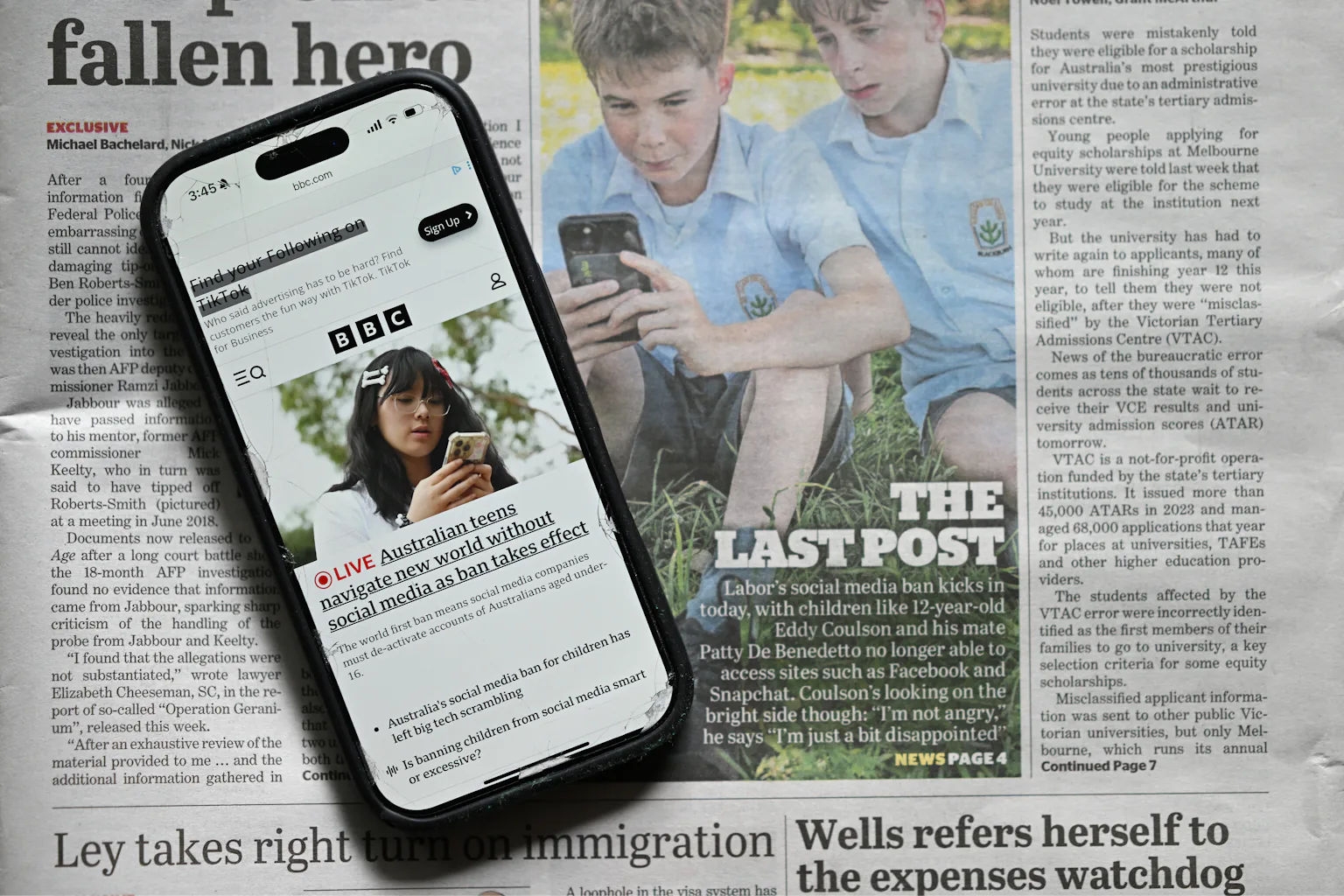
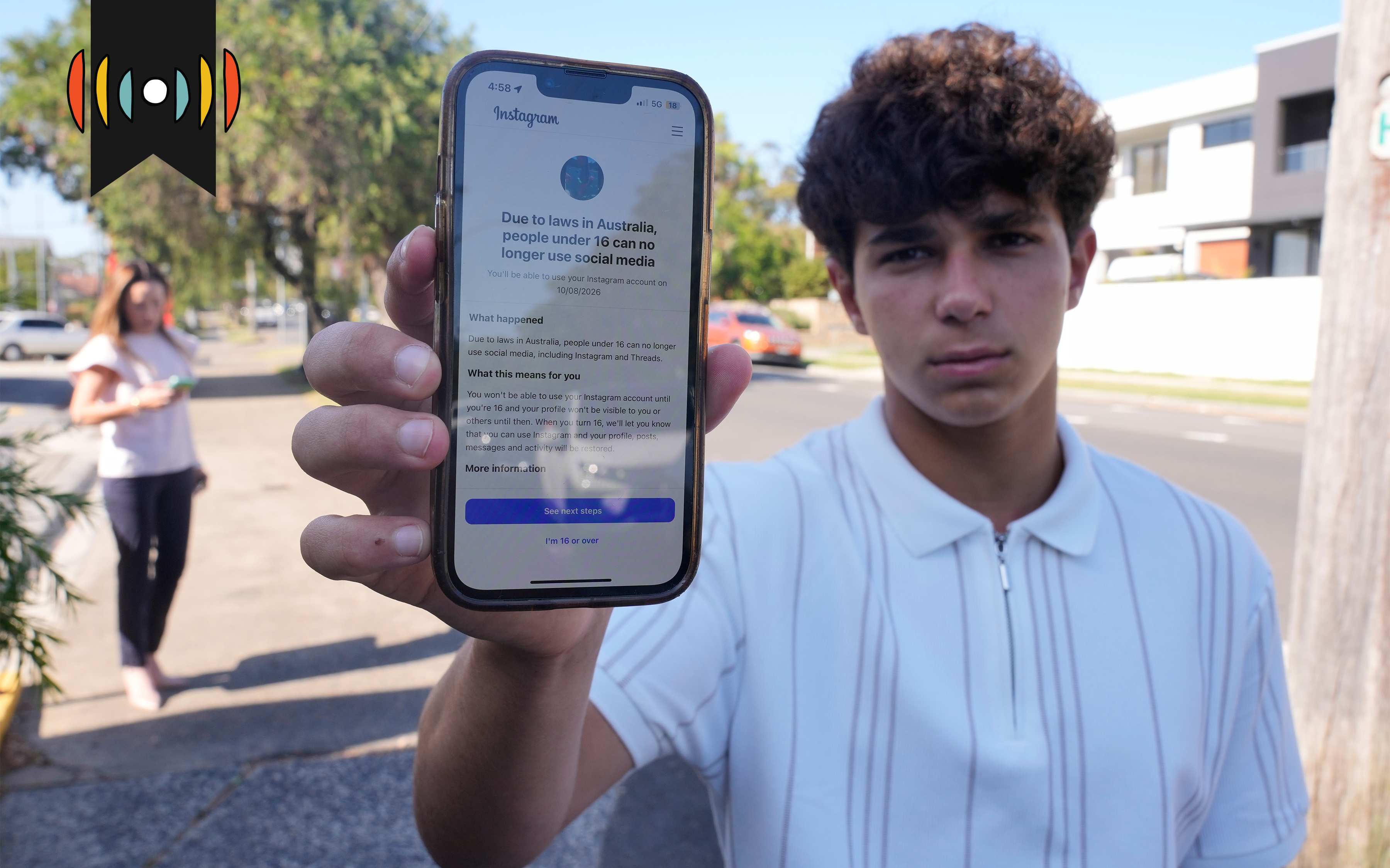
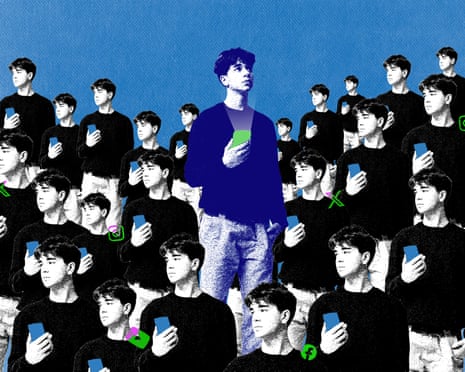
Australia's unprecedented social media ban for users under 16 represents a watershed moment in digital governance, exposing the profound challenges of protecting young users in an increasingly sophisticated technological landscape. The world's first comprehensive social media restriction, implemented on Wednesday, has already demonstrated its fundamental vulnerability: technological restrictions alone cannot control digital access for a generation that inherently understands technology better than its regulators.
The legislation's immediate impact reveals critical systemic weaknesses. Within days of implementation, teenagers have systematically demonstrated multiple bypass strategies—creating accounts using parents' identities, manipulating age verification technologies, and even using AI-generated images to circumvent restrictions. A group of 15-year-old boys interviewed showcased how trivially simple it is to misrepresent age during account registration, rendering the $49.5 million potential fine mechanism essentially toothless.
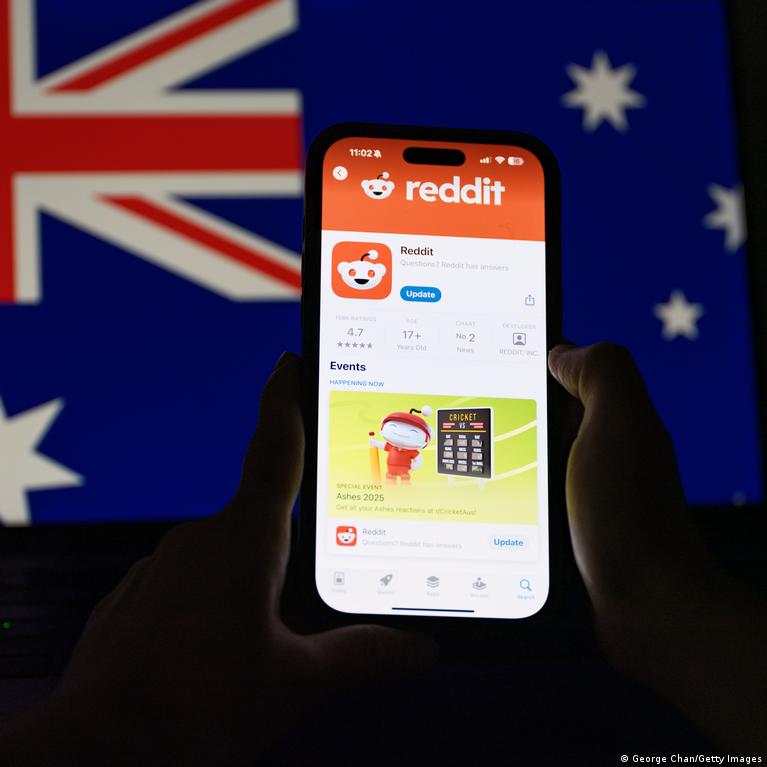
The legal landscape surrounding this ban is equally complex. Reddit's High Court challenge highlights the deeper constitutional tensions, arguing that the blanket prohibition infringes on teenagers' rights to political communication and freedom of expression. This challenge underscores a fundamental question: Can broad technological restrictions be reconciled with individual digital rights? The lawsuit suggests that the law's potential harm reduction is minimal, given that much social media content remains accessible without an account.
Critically, the ban's implementation has triggered fascinating market adaptations. Alternative platforms like Yope and Lemon8 have seen significant download increases, demonstrating how regulatory pressure can rapidly reshape digital ecosystems. Experts now view policing age restrictions as a perpetual "Whack-a-Mole" challenge, with tech-savvy youth consistently outmaneuvering institutional controls.
The most profound insight emerges not from the ban's immediate implementation, but from its broader implications. This regulatory experiment reveals that technological solutions alone cannot address complex social challenges. Young users like Lucy Brooks and Leo Puglisi argue that nuanced approaches—such as time limits or educational interventions—would be far more effective than outright prohibition.
Questions 3
What are the key legal challenges to the social media ban?
Reddit has launched a High Court challenge arguing the ban infringes on teenagers' constitutional rights to political communication and freedom of expression. Two Australian teenagers have also filed legal challenges, questioning the law's broad restrictions and potential unintended consequences for youth digital engagement.
How effective is Australia's social media ban for users under 16?
Early evidence suggests the ban is highly ineffective. Teenagers have quickly found multiple ways to circumvent restrictions, including using parents' identities, manipulating age verification technologies, and creating accounts on alternative platforms. The ban appears more symbolic than substantive in its current form.