

Streaming's New Frontier: YouTube TV Rewrites the Content Subscription Playbook
- Genre-specific plans signal massive shift in how consumers access digital entertainment
















Overview
The digital entertainment landscape is experiencing a profound transformation, with YouTube TV emerging as a strategic innovator in personalized content consumption. By introducing genre-specific programming packages in early 2026, the platform is fundamentally reimagining how consumers interact with streaming services.
Cord-cutting trends have accelerated this strategic pivot, with traditional pay TV subscribers declining to approximately 43.2 million while streamed live TV services grow to 21.6 million homes. YouTube TV's approach represents more than a incremental change—it's a systematic deconstruction of the monolithic cable bundle model.
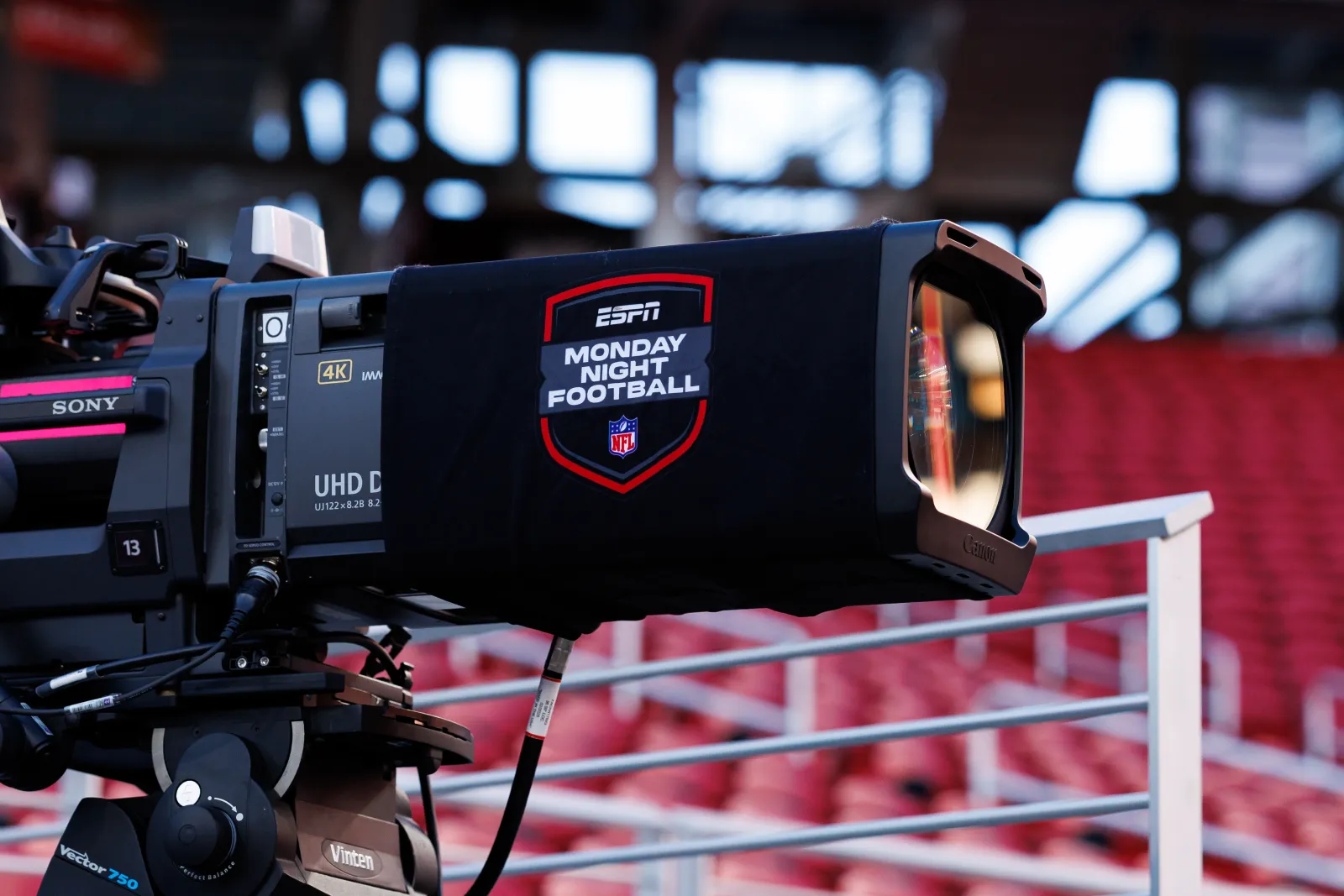
The Sports Plan serves as a prototype for this new modular content strategy, offering unprecedented customization. By including networks like ESPN, NBC Sports Network, and FS1, while providing advanced features such as unlimited DVR and fantasy football views, YouTube TV is creating a hyper-targeted experience for sports enthusiasts. This isn't just about adding channels; it's about reimagining content delivery to match evolving consumer preferences.
The strategic implications are profound. Traditional media companies have long relied on bundled packages that force consumers to purchase unwanted content. YouTube TV's genre-specific approach flips this model, allowing subscribers to curate their entertainment ecosystem. The current $82.99 base plan with 100+ channels now becomes a starting point for personalization, not a fixed offering.
Critically, this move signals a broader industry transformation. By breaking down traditional content packaging, YouTube TV is positioning itself as a consumer-centric platform that understands the streaming economics of choice and flexibility. The early 2026 timeline suggests careful market positioning, giving competitors limited time to respond to this innovative approach.
For content creators, advertisers, and media companies, this represents both an opportunity and a challenge. The era of one-size-fits-all content distribution is rapidly closing, replaced by a more dynamic, consumer-driven model that prioritizes personalization and value.
Questions 3
How does YouTube TV's new strategy differ from traditional cable packages?
Unlike traditional cable's rigid bundles, YouTube TV introduces genre-specific plans allowing consumers to select and pay for only the content categories they want. This modular approach provides unprecedented customization, with the Sports Plan serving as a prototype for targeted, flexible content consumption.
How might this impact content creators and media networks?
Content creators will need to develop more targeted, high-quality content within specific genres to remain competitive. Media networks like ESPN and NBC Sports will likely need to enhance their value proposition, focusing on premium, exclusive content that justifies standalone subscription costs.