

Tesla's $25B Capex Surge Signals AI/Robotics Shift | Supply Chain & Logistics Impact for E-Commerce Sellers
- Tesla increases capital spending 67% in Q1 2026 to $2.49B; projects $25B annual capex through 2028 for AI infrastructure, robotics manufacturing, and autonomous vehicle development—reshaping global supply chains and logistics costs for cross-border sellers


/An%20image%20of%20a%20Tesla%20humanoid%20robot%20in%20front%20of%20the%20company%20logo%20Around%20the%20World%20Photos%20via%20Shutterstock.jpg)



















Overview
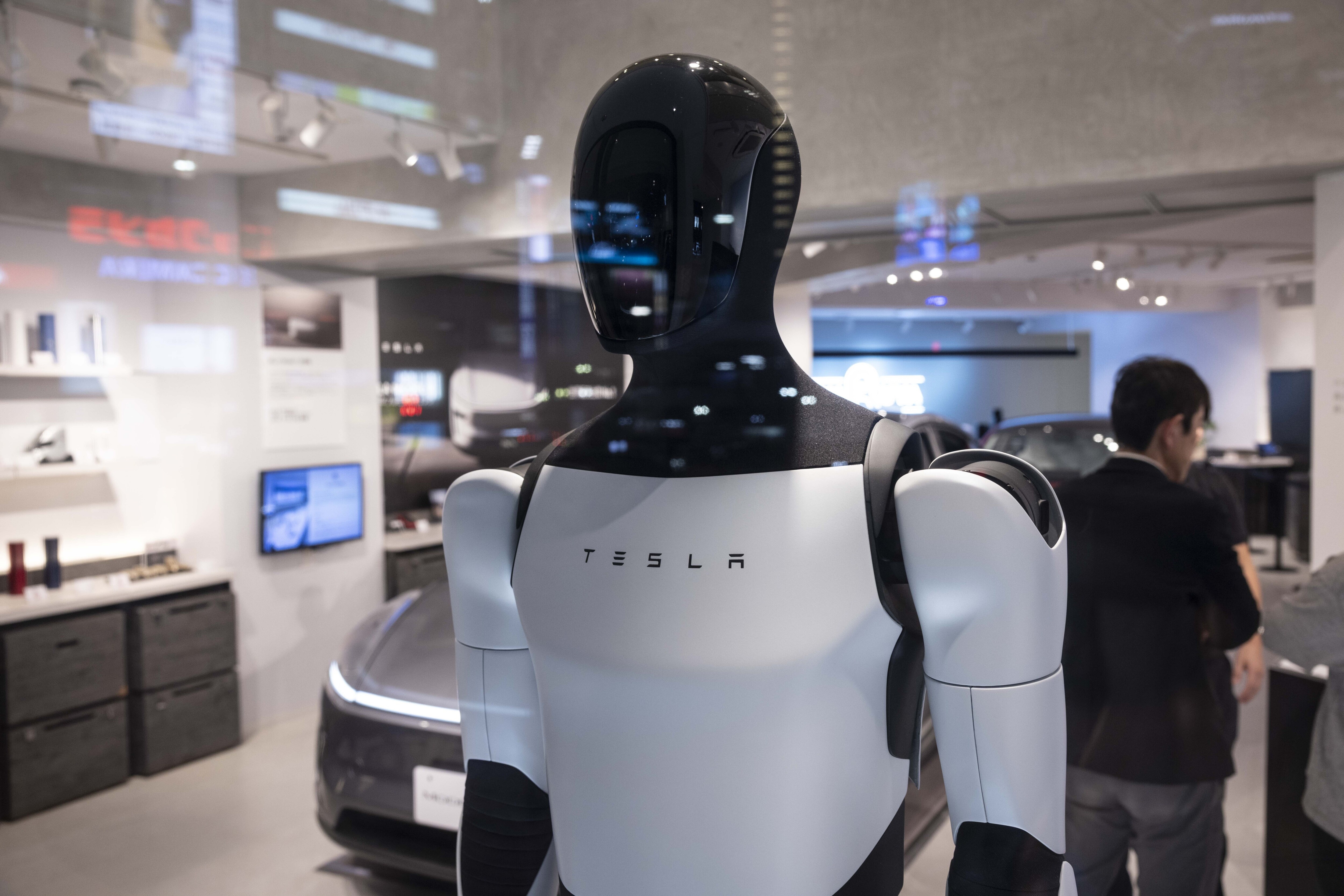
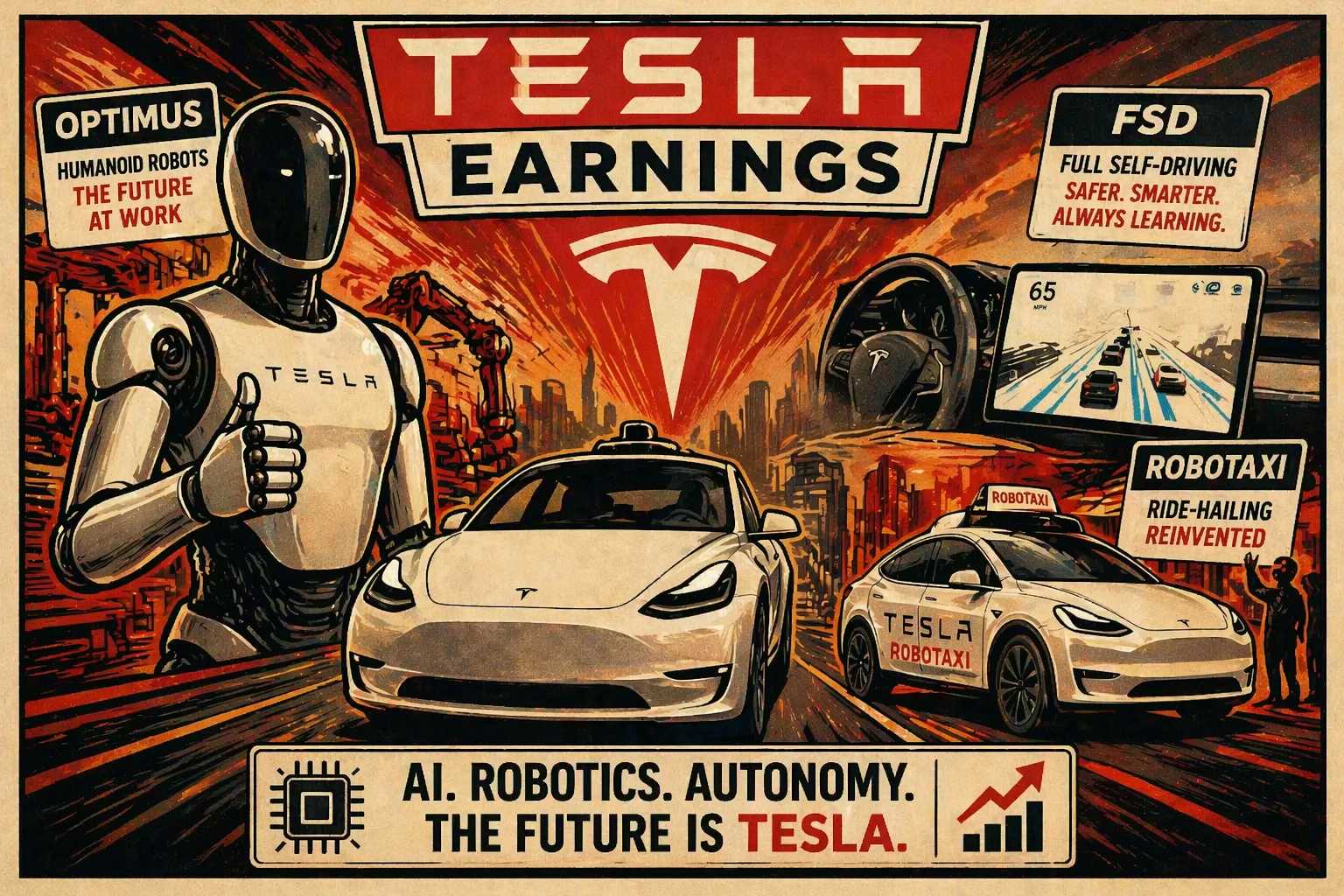
Tesla's dramatic capital expenditure acceleration—from $8.5B in 2025 to a projected $25B in 2026—represents a fundamental strategic pivot with cascading implications for cross-border e-commerce sellers and global supply chain dynamics. The company reported Q1 2026 earnings of 41 cents per share on $22.39B revenue (beating EPS expectations but missing revenue targets), with operating profit surging 136% year-over-year to $941M. However, the headline story is Tesla's $5B capex increase from January guidance, driven by aggressive investments in AI infrastructure, data center construction, semiconductor research at its Austin fab, and most critically, humanoid robot (Optimus) manufacturing scaling at Fremont and dedicated Austin facilities targeting 1M units annually by Q2 2026.
Supply Chain Implications for E-Commerce Sellers: Tesla's capex reallocation signals a fundamental reshaping of manufacturing economics. The company's automotive segment achieved 19.2% gross margins (highest in a year) through lower material costs and higher average selling prices, demonstrating successful supply chain optimization. For cross-border sellers, this creates both opportunities and pressures. Tesla's $31.4B Q1 free cash flow—despite projecting negative cash flow for remainder of 2026—indicates the company is prioritizing long-term infrastructure over near-term profitability. This mirrors broader tech industry trends: Amazon projects $200B capex in 2026 (AI, chips, robotics, satellites), while Google increased guidance to $175-185B from $91.4B. These mega-investments will intensify competition for semiconductor supply, logistics infrastructure, and manufacturing capacity globally.
Robotics Manufacturing & Logistics Automation: Tesla's Optimus factory preparation (Q2 2026 launch targeting 1M annual units) directly impacts logistics and fulfillment automation markets. E-commerce sellers relying on 3PL providers and fulfillment networks should monitor robotics adoption rates—Tesla's success could accelerate warehouse automation costs and labor dynamics. The company's shift from Model S/X production at Fremont to Optimus manufacturing signals manufacturing capacity reallocation that could affect component suppliers and logistics networks serving automotive aftermarket sellers on Amazon and eBay. Vehicle deliveries totaled 358,023 units in Q1 (up 6% YoY but down sequentially), suggesting production constraints that may ease as capex investments mature.
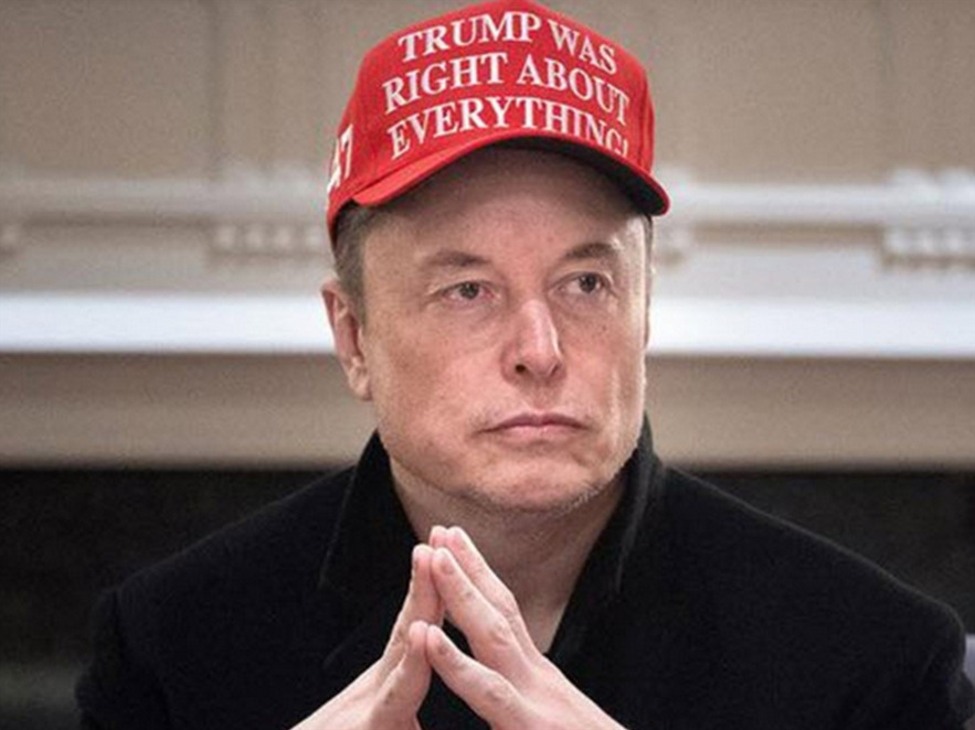
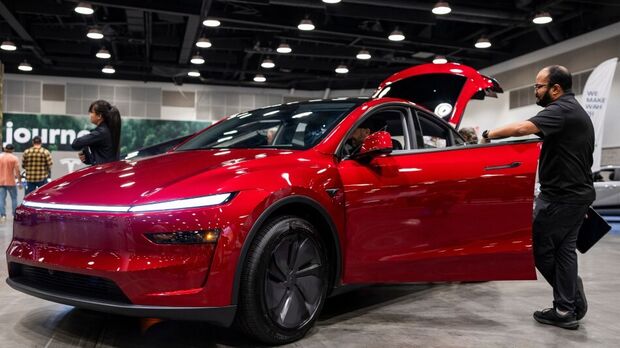
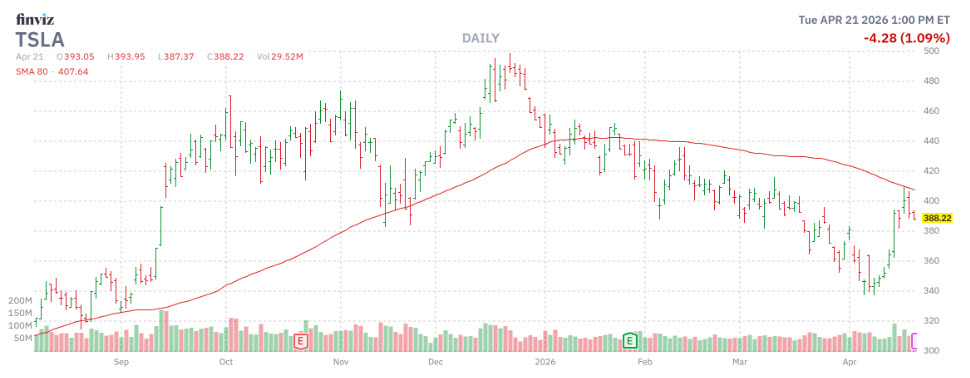
Competitive Positioning & Market Dynamics: Tesla faces 14% year-to-date stock decline despite strong earnings, reflecting investor concerns about elevated capex and negative projected cash flow. The company confirmed plans for more affordable Model Y and Model 3 trims to compete against BYD and Xiaomi—signaling intensifying EV market competition that could impact automotive parts and accessories sellers. Consumer backlash related to CEO Elon Musk's political activities presents reputational risks for sellers using Tesla logistics or partnering with Tesla-affiliated suppliers. Energy segment revenue declined 12% ($2.41B vs. $2.73B), indicating potential softness in solar/battery storage categories that sellers source from China and resell globally.
Questions 8
How does Tesla's EV competition with BYD and Xiaomi affect automotive parts sellers?
Tesla confirmed plans for more affordable Model Y and Model 3 trims to compete against BYD and Xiaomi, signaling intensifying EV market competition. This could pressure automotive parts and accessories sellers on Amazon and eBay as Tesla prioritizes cost reduction and market share over margins. Sellers in EV aftermarket categories (chargers, adapters, interior accessories) should expect increased competition and potential price compression. Monitor Tesla's pricing announcements quarterly and adjust your product positioning toward premium/specialized accessories where margin pressure is lower.
What risks do Tesla's negative projected cash flow and capex plans pose for sellers?
Tesla projects negative free cash flow for remainder of 2026 despite $31.4B Q1 cash generation, indicating aggressive capex spending will strain liquidity. While Tesla maintains $44.7B in cash reserves, this spending pattern could signal broader tech industry capital constraints affecting supplier financing and logistics partnerships. Sellers should diversify supplier relationships beyond Tesla-dependent vendors and monitor 3PL provider financial health—some may face liquidity pressure if capex investments don't generate expected returns. Consider longer payment terms and supplier diversification strategies through Q2-Q3 2026.