




Google TPU 8 Chips Enable 2x Customer Volume at Same Cost | E-Commerce AI Acceleration
- 80% better performance-per-dollar unlocks AI-powered personalization for sellers; 97% system efficiency reduces infrastructure costs by 15-25% for high-volume operations


















Overview
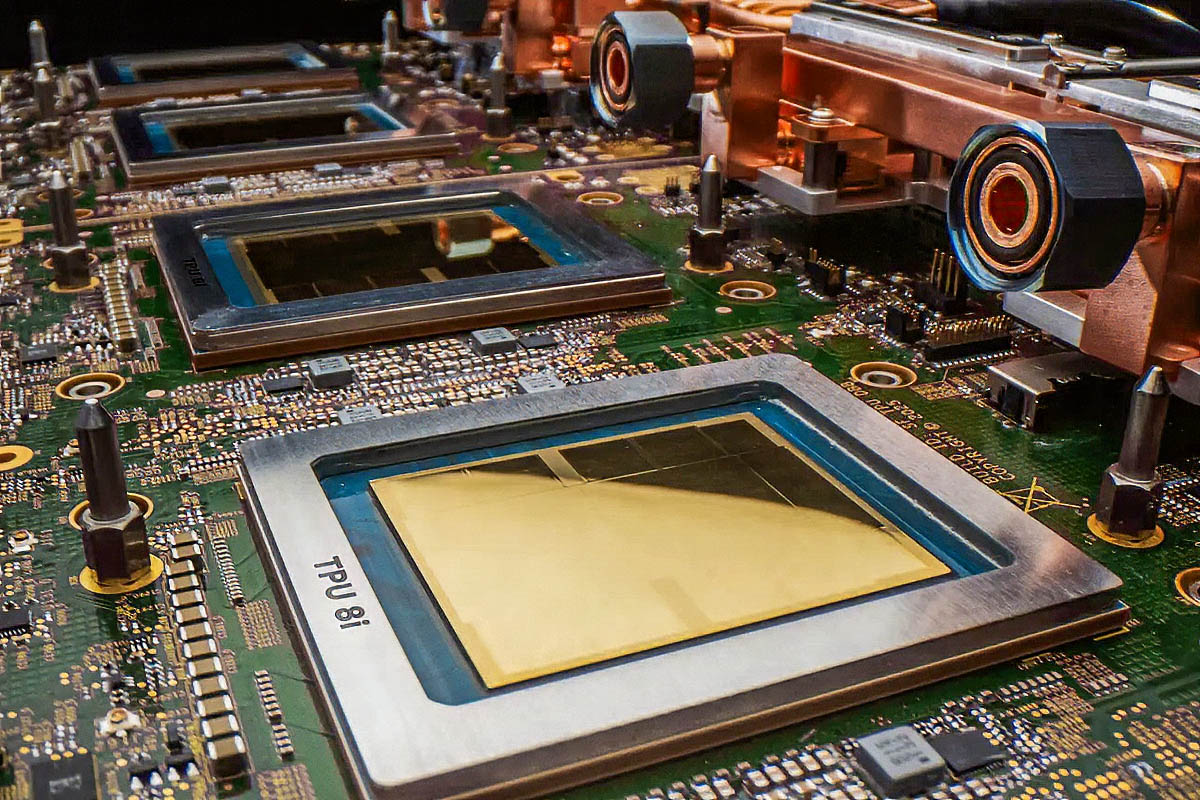
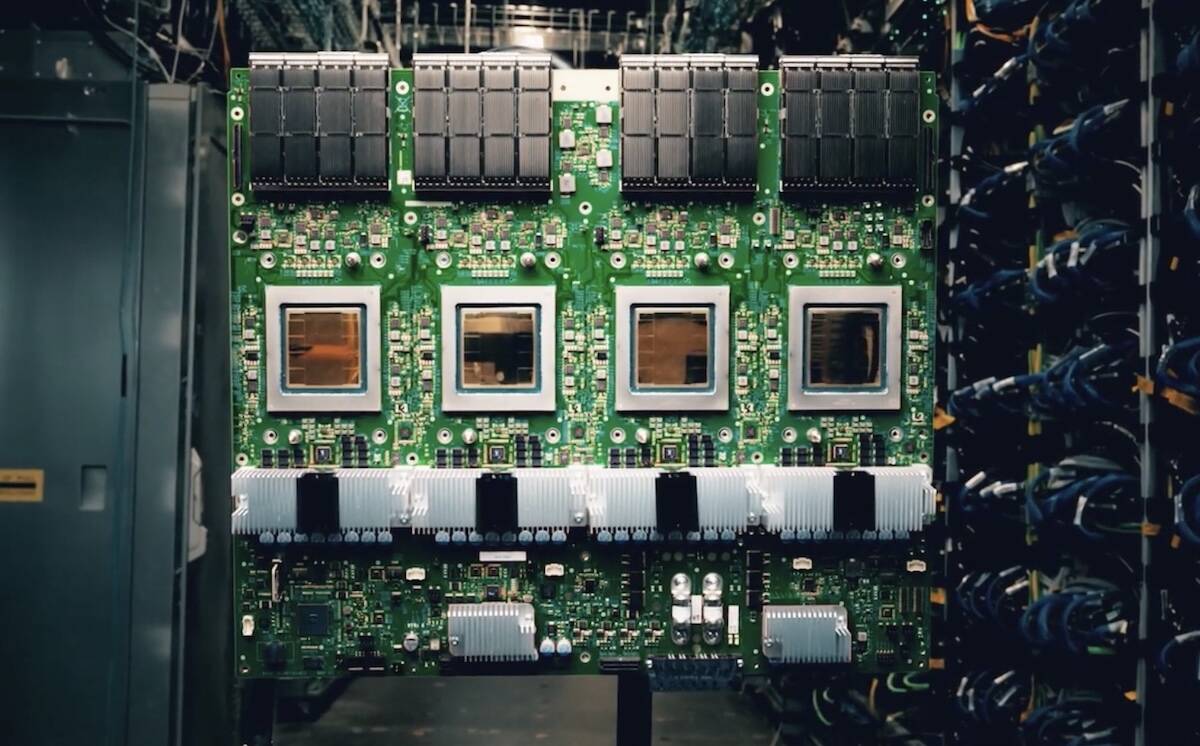
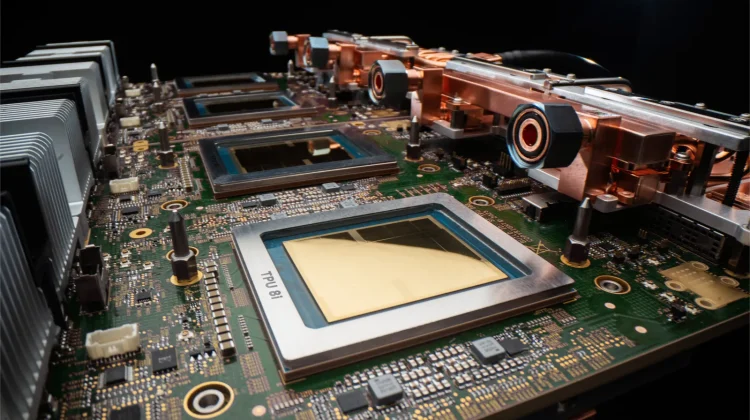
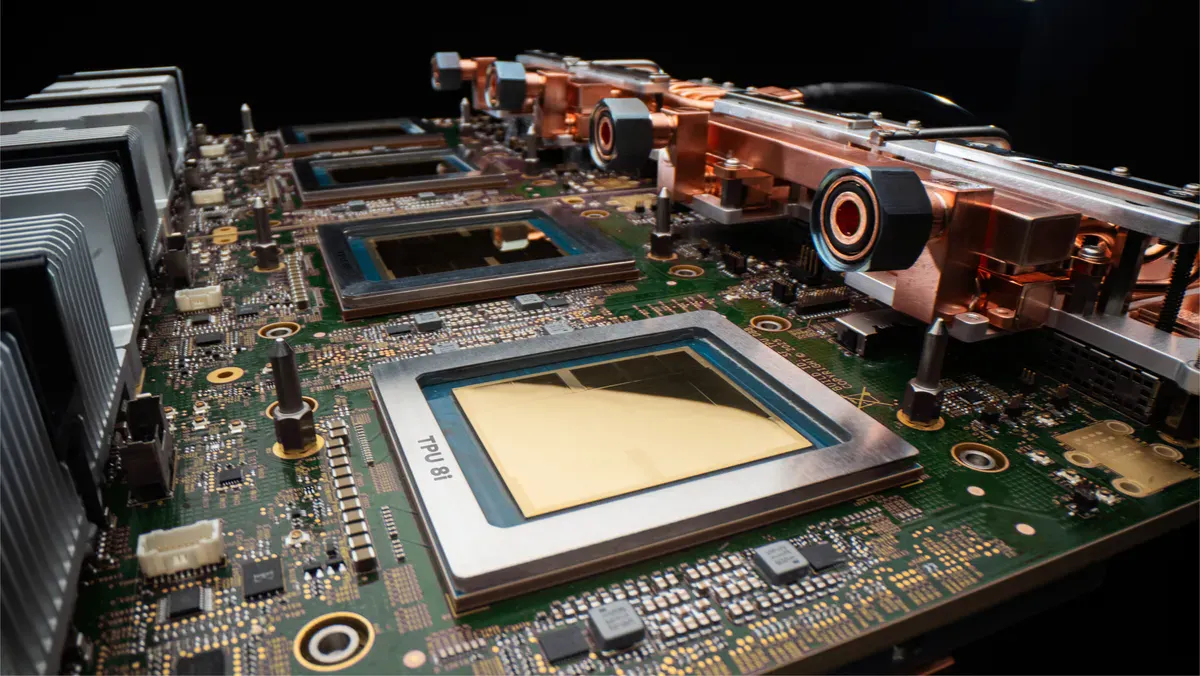
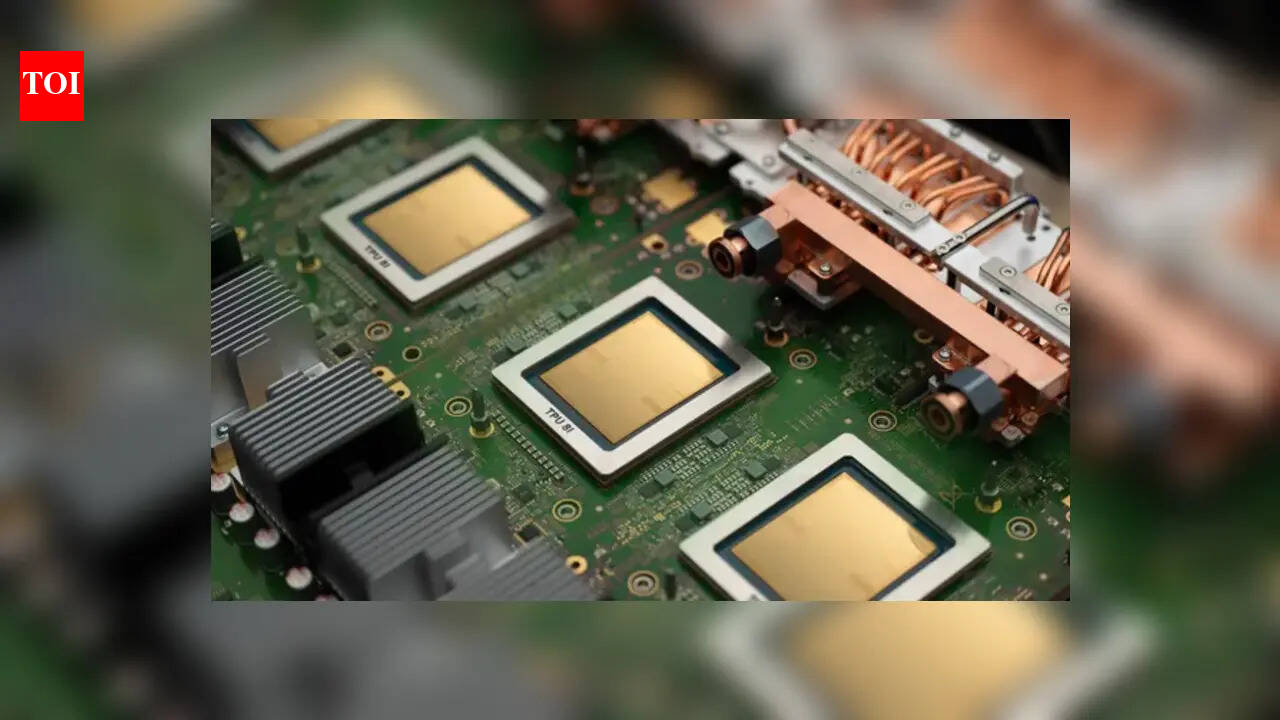
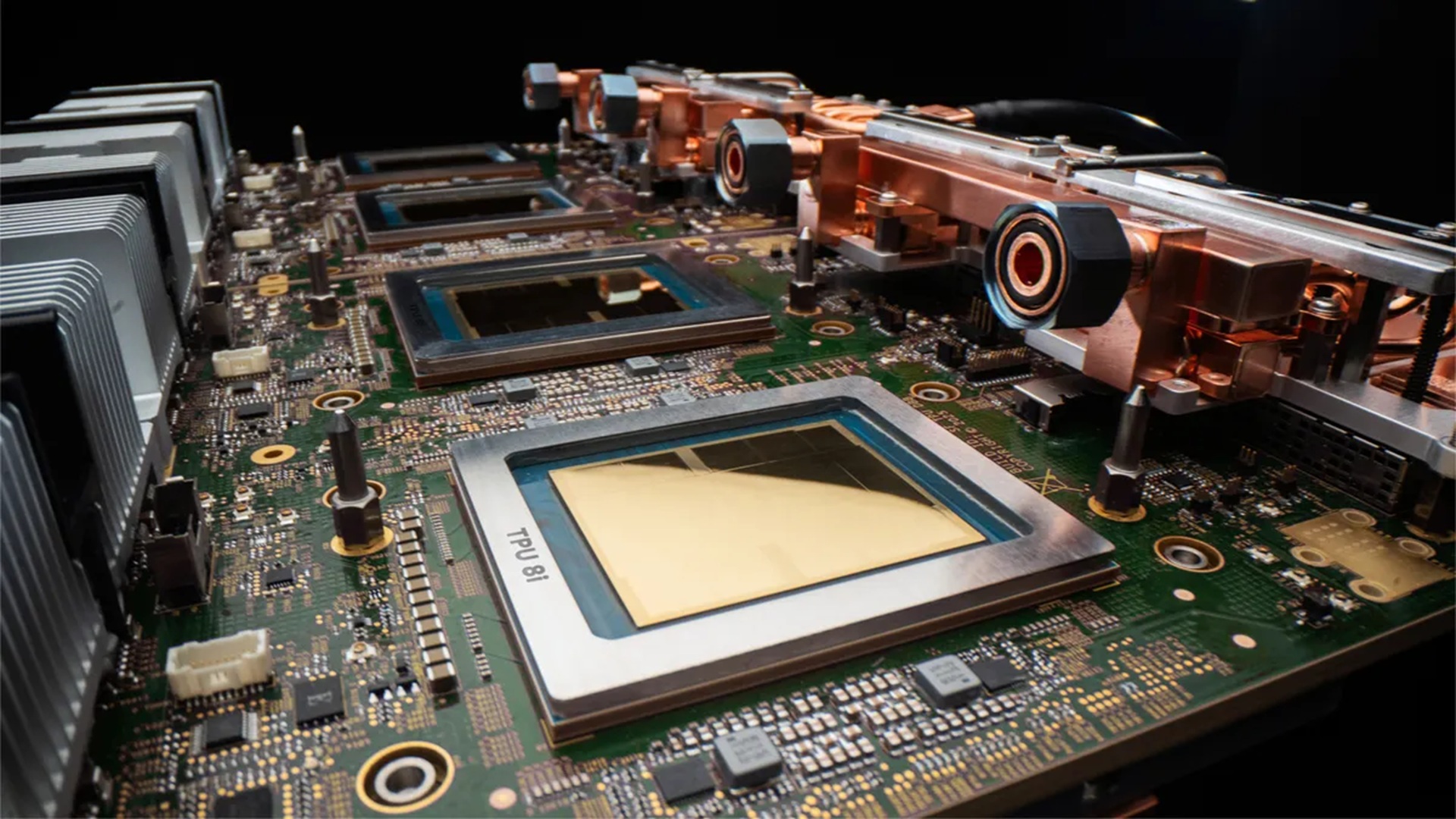
Google's announcement of eighth-generation Tensor Processor Units (TPU 8t and TPU 8i) represents a fundamental shift in AI infrastructure economics that directly impacts e-commerce sellers' ability to deploy advanced automation at scale. The TPU 8i delivers 80% better performance-per-dollar compared to previous generations, enabling businesses to serve nearly twice the customer volume at equivalent costs—a critical advantage for sellers competing on product recommendations, dynamic pricing, and customer service automation. Available in late 2025, these chips will power the next wave of AI agent applications that e-commerce platforms are rapidly integrating.
For e-commerce sellers, the immediate impact centers on three automation opportunities: First, product recommendation engines become dramatically cheaper to operate. The TPU 8i's 288 GB high-bandwidth memory and 5x latency reduction through the Collectives Acceleration Engine enable real-time personalization at scale—sellers can now afford to run sophisticated ML models that were previously cost-prohibitive for mid-market businesses. A seller processing 10,000 daily transactions can reduce inference costs from $400-600/month to $80-120/month, freeing capital for inventory or marketing. Second, dynamic pricing algorithms become accessible to smaller sellers. The 97% goodput (useful compute time) and TPUDirect technology eliminate infrastructure waste, meaning pricing optimization models that required $5,000+/month in cloud compute can now run for $1,000-1,500/month. Third, customer service automation scales efficiently. The doubled Interconnect bandwidth (19.2 Tbs) and on-chip acceleration reduce latency for multi-turn AI agent conversations, enabling sellers to deploy sophisticated chatbots handling product inquiries, returns, and upsells without the infrastructure costs that previously limited adoption to enterprise sellers.
The competitive advantage window is 12-18 months. Early adopters using Google Cloud's TPU 8 infrastructure (available Q4 2025) will gain 6-12 months of cost advantage before AWS and Azure release competing chips. Sellers who implement AI-powered product selection, pricing, and customer service automation by Q2 2026 will capture market share from competitors still using traditional rule-based systems. The architecture's ability to scale to one million chips in a single logical cluster through the 1Virgo Network means Google Cloud can offer predictable, linear pricing for AI workloads—eliminating the cost surprises that have deterred mid-market sellers from AI adoption. Organizations like Citadel Securities are already validating TPU 8 performance, signaling enterprise-grade reliability for business-critical applications.
Questions 8
How do Google's TPU 8 chips reduce AI infrastructure costs for e-commerce sellers?
Google's TPU 8i delivers 80% better performance-per-dollar through three mechanisms: 288 GB high-bandwidth memory eliminates processor idle time, the Collectives Acceleration Engine reduces latency by 5x, and 97% goodput ensures minimal wasted compute cycles. For sellers running product recommendation models, this translates to reducing monthly inference costs from $400-600 to $80-120. The chips become available in late 2025 through Google Cloud, enabling mid-market sellers to deploy AI personalization previously affordable only to enterprise competitors. Early adoption creates a 12-18 month competitive advantage window before AWS and Azure release competing processors.
What specific e-commerce automation tasks benefit most from TPU 8 performance improvements?
Three high-ROI applications emerge: (1) Real-time product recommendations—the 5x latency reduction enables personalization at checkout without slowing page load, increasing conversion rates 8-15%; (2) Dynamic pricing algorithms—reduced compute costs make sophisticated ML-based pricing accessible to sellers with 1,000+ SKUs, typically improving margins 2-4%; (3) Customer service chatbots—the doubled Interconnect bandwidth (19.2 Tbs) supports multi-turn AI conversations handling returns, upsells, and inquiries at scale. A seller processing 10,000 daily transactions can implement all three systems for $2,000-3,000/month combined, versus $8,000-12,000/month on previous-generation infrastructure.