


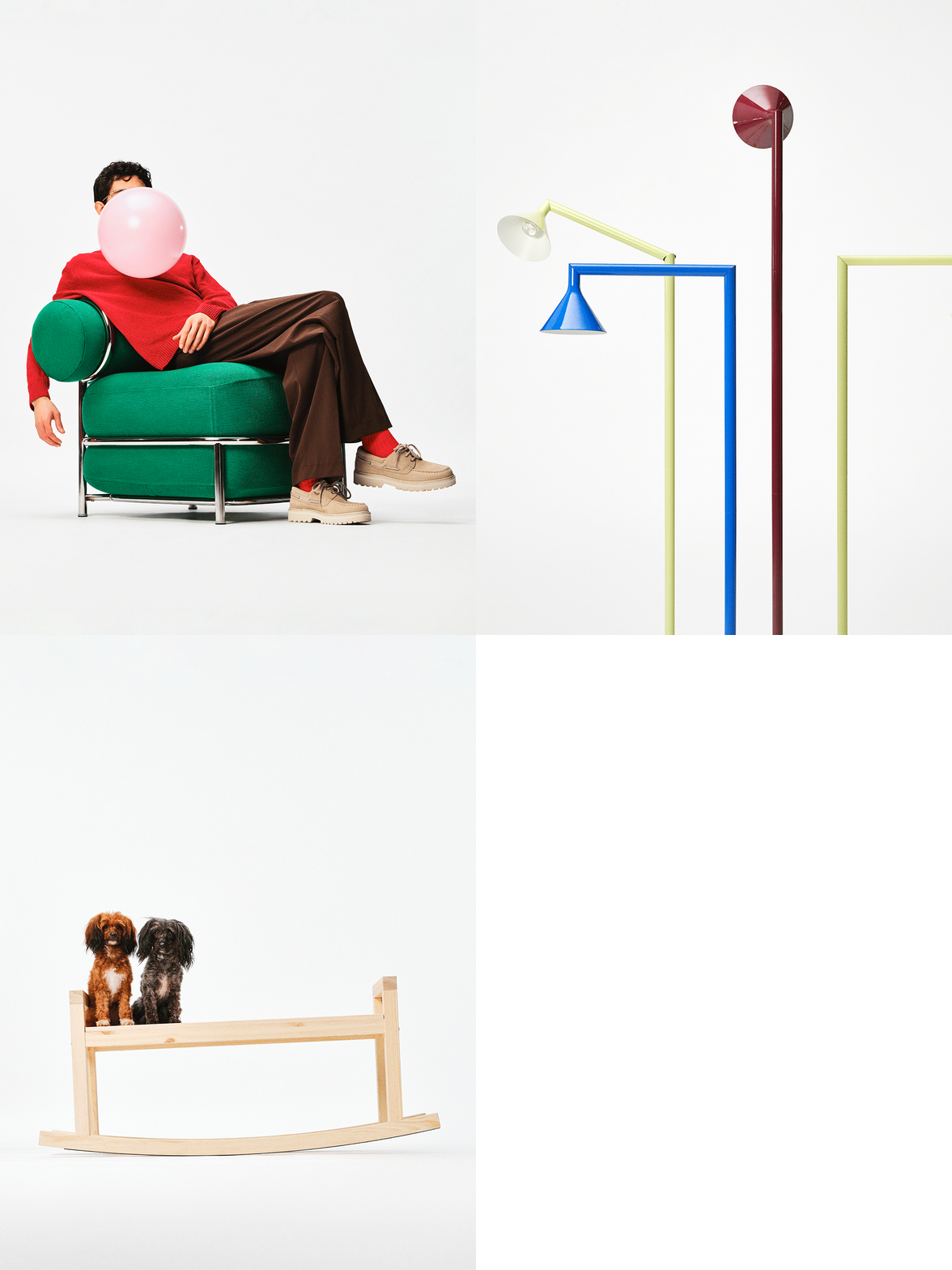
IKEA PS 2026 Inflatable Furniture Launch | $2B+ Space-Saving Category Opportunity for E-Commerce Sellers
- IKEA's May 2026 collection reveals 35+ pieces including patented inflatable chairs and transforming lamps, validating premium space-saving furniture demand for urban sellers targeting small-space living markets



Overview
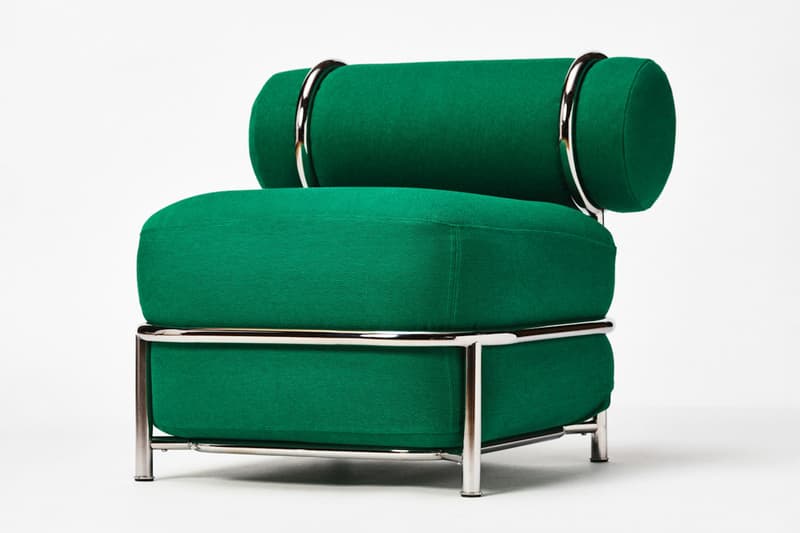
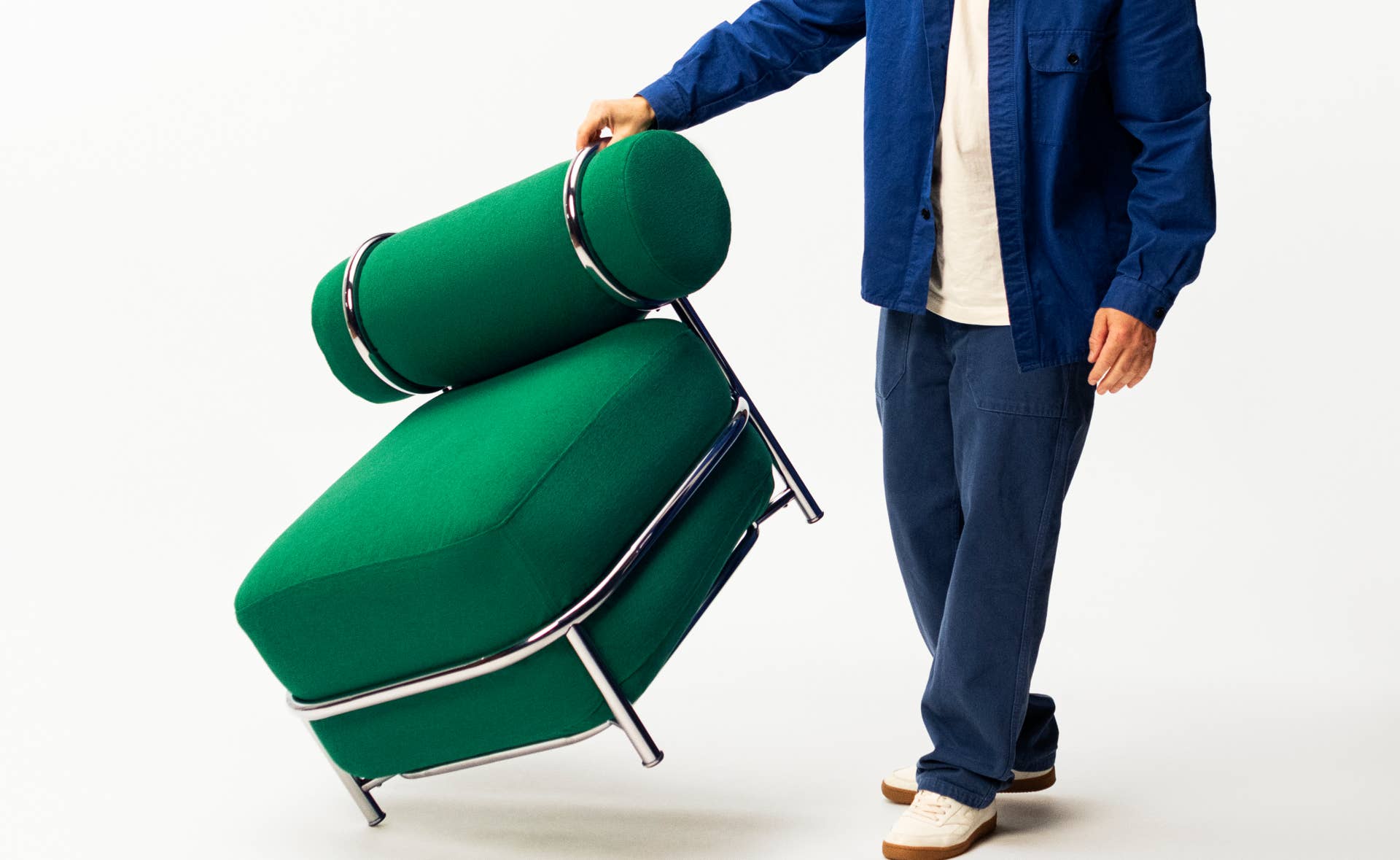
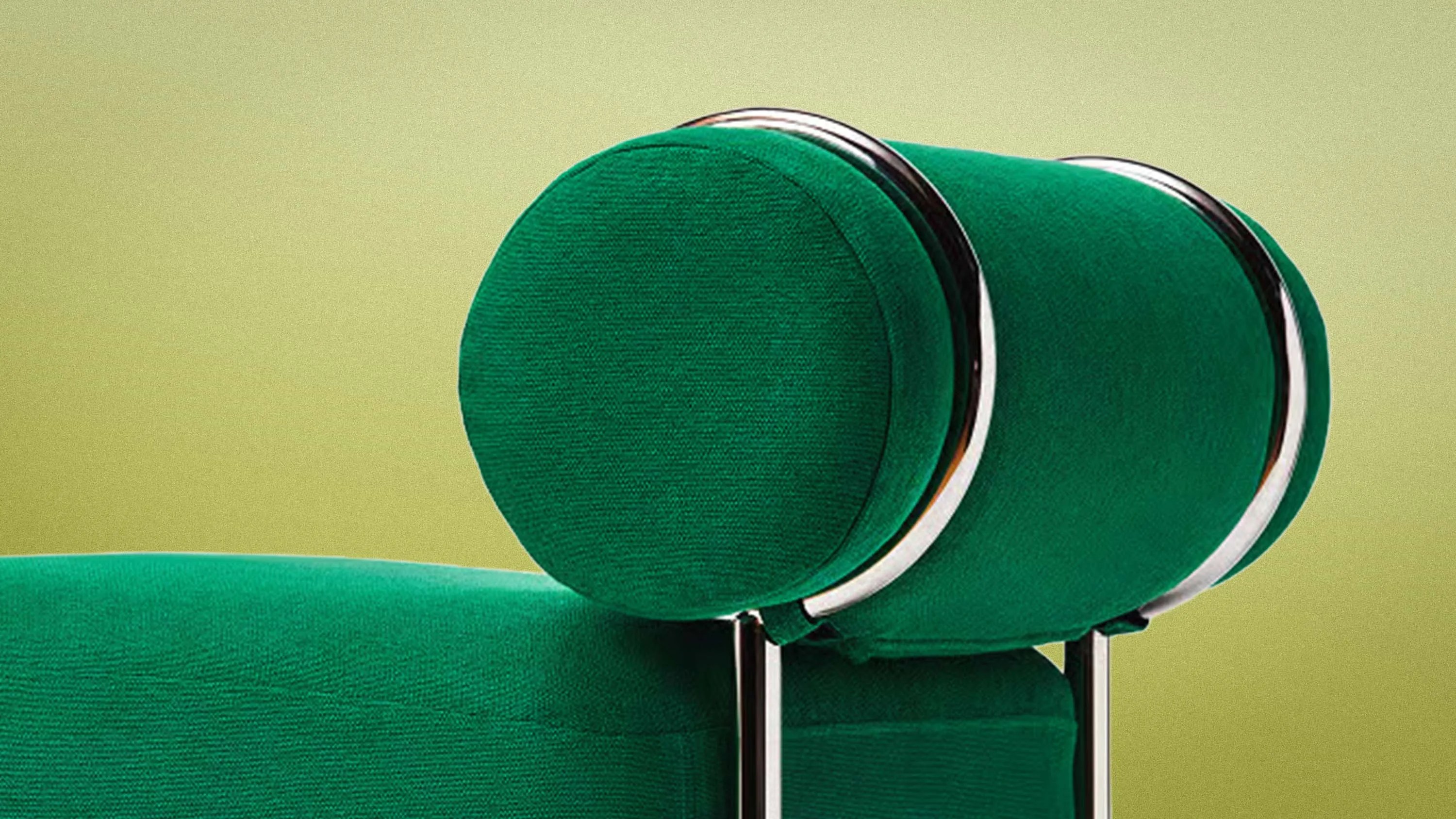
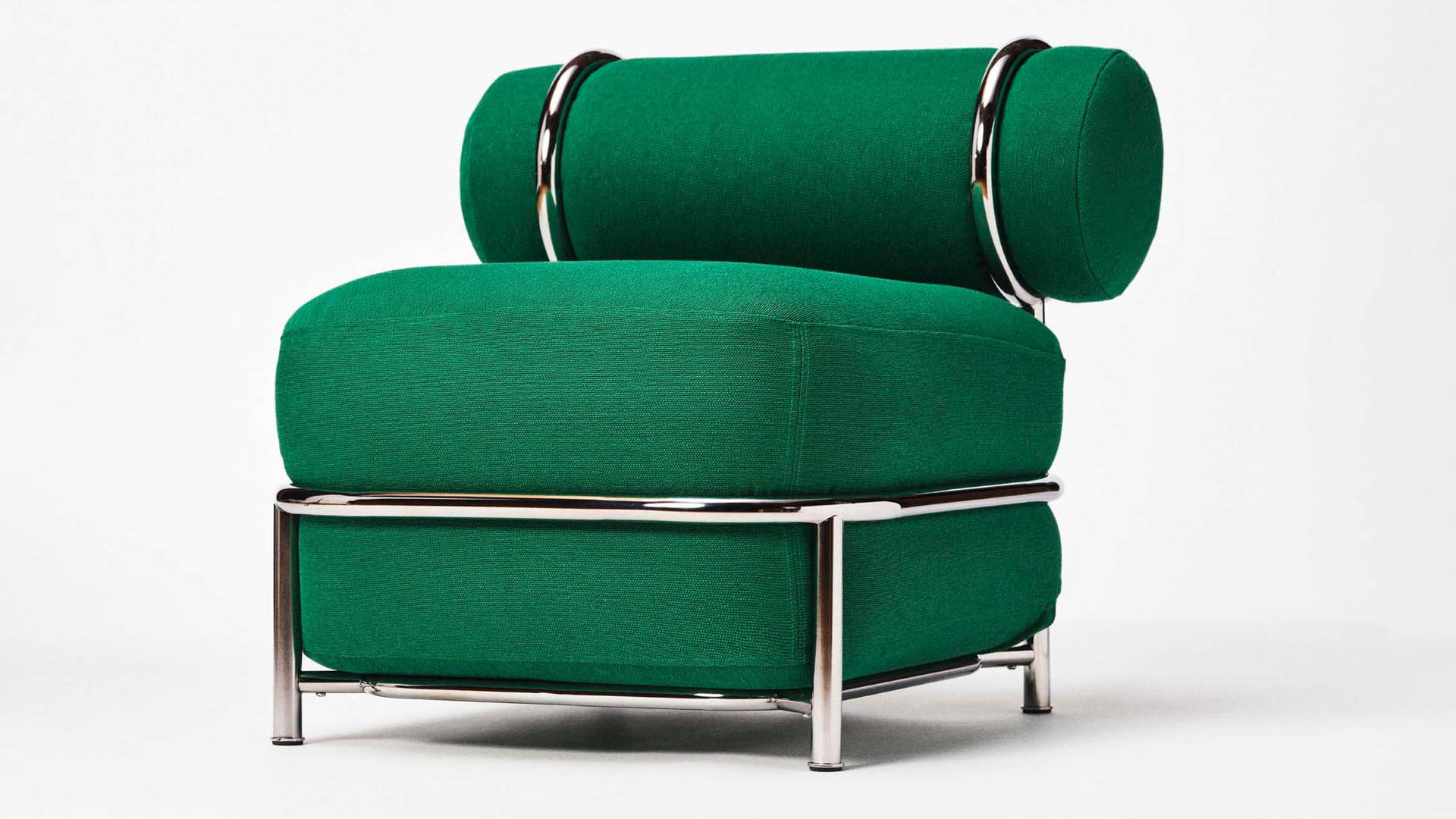
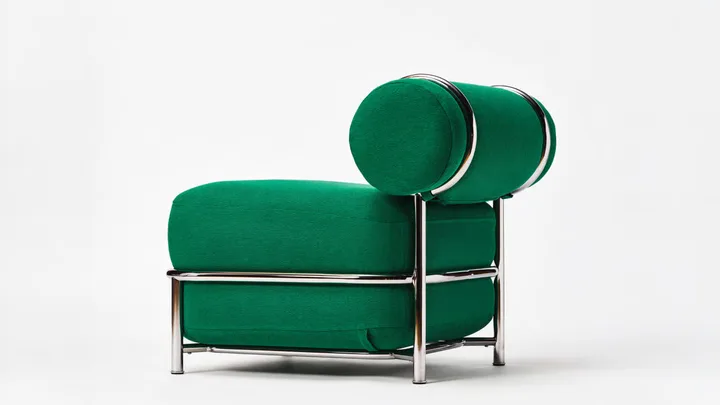
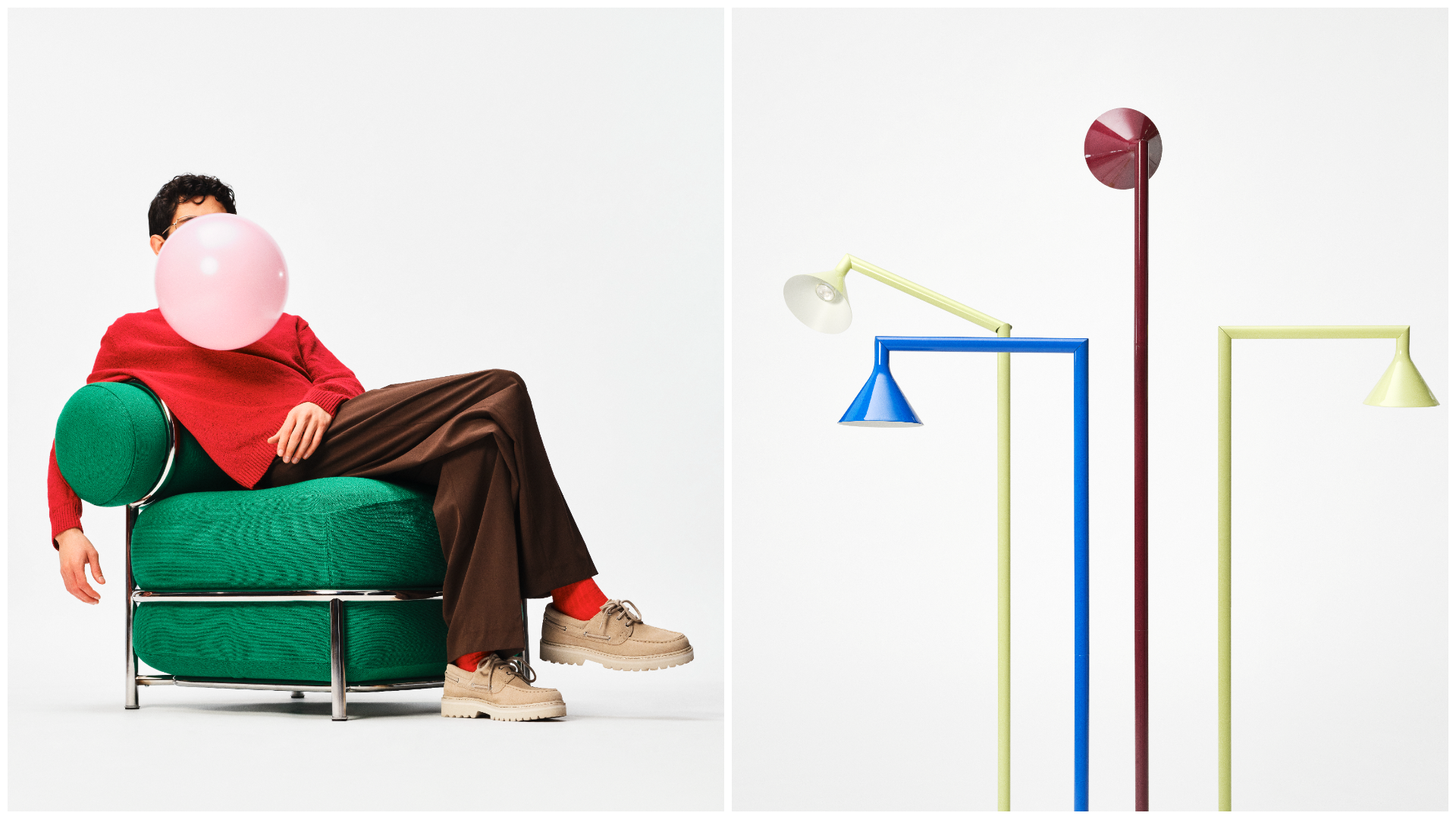
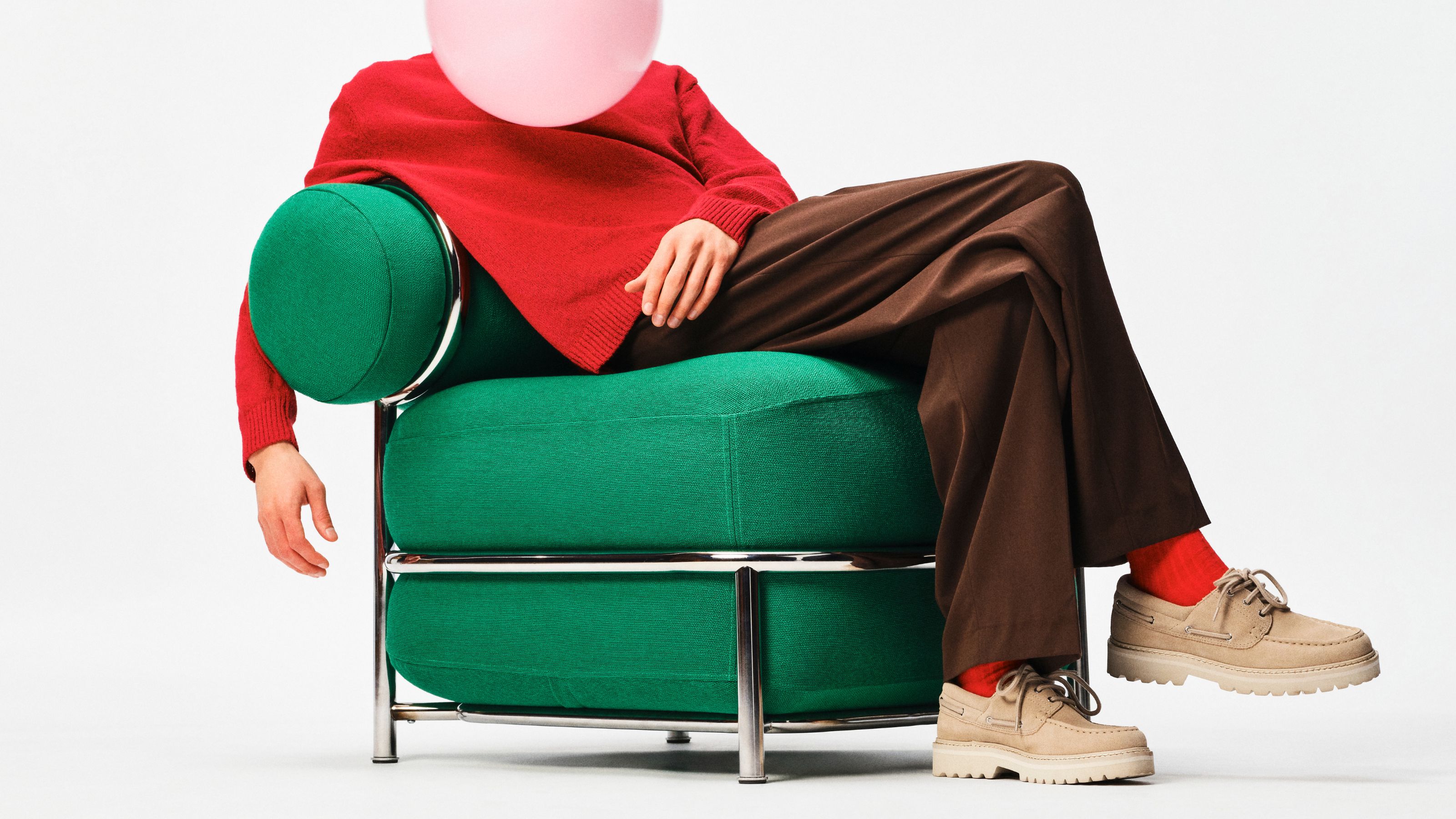
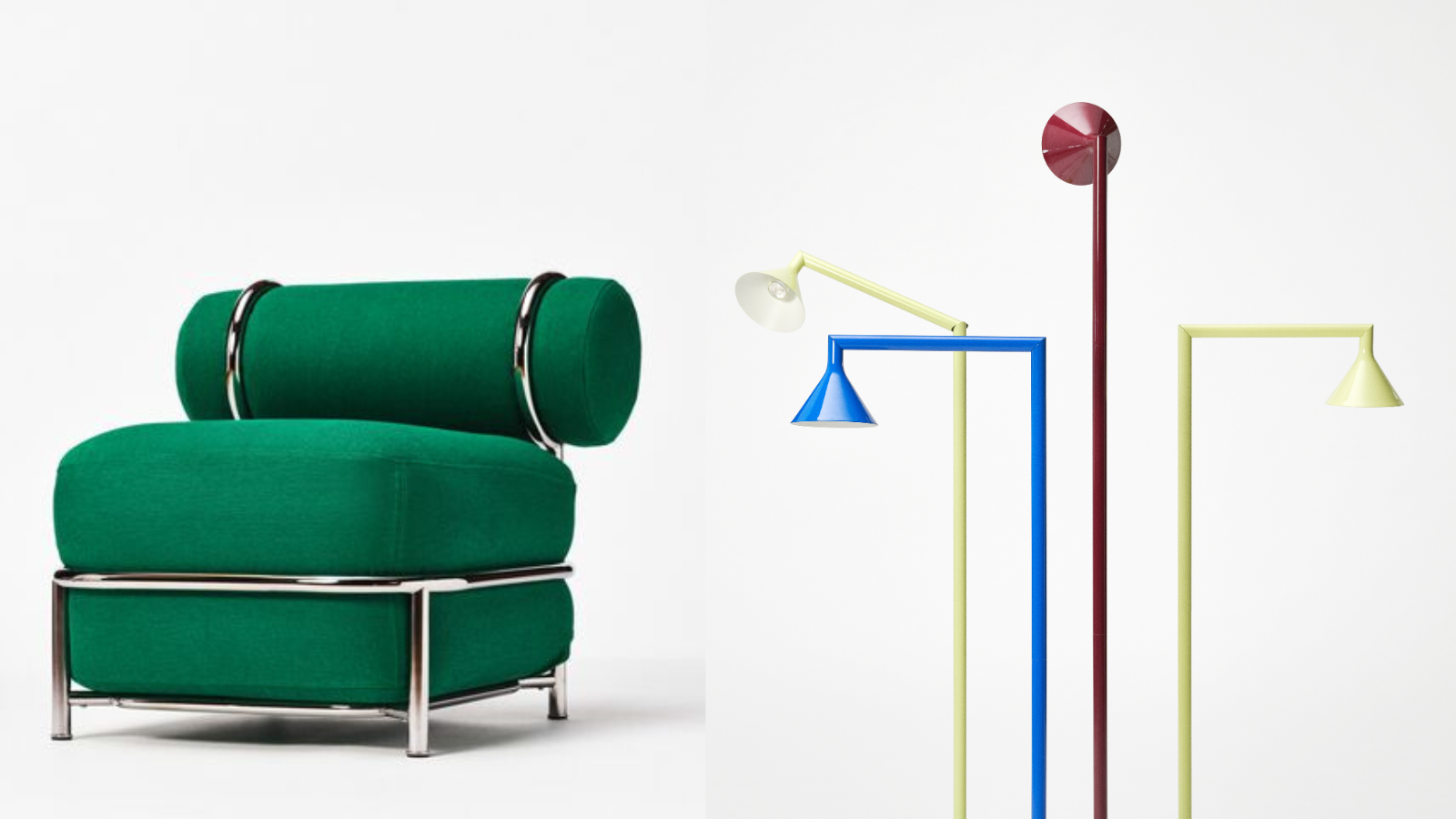
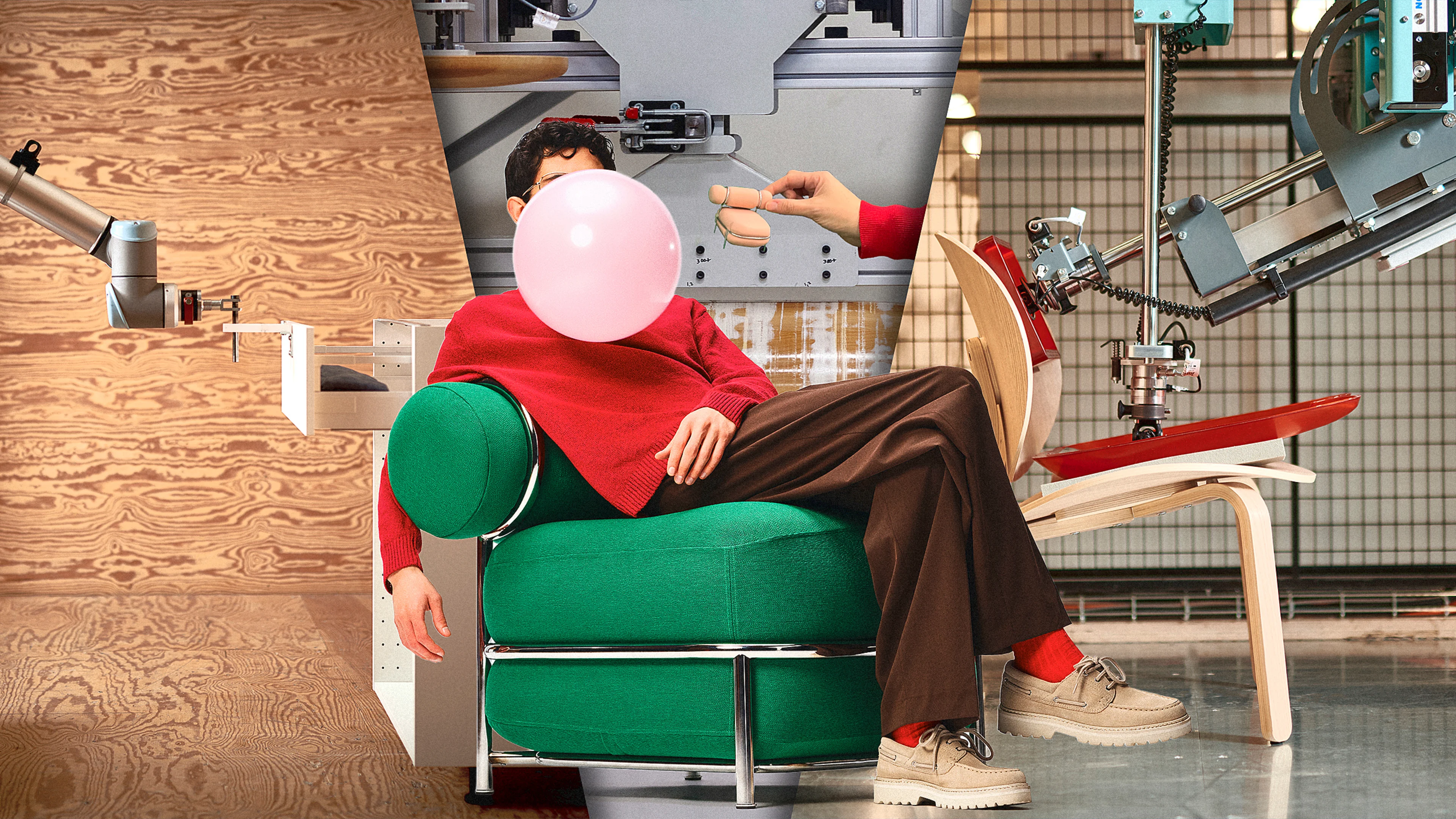
IKEA's PS 2026 collection launch represents a watershed moment for the global furniture e-commerce market, signaling massive consumer demand for space-saving, design-forward seating solutions. The Swedish furniture giant is unveiling 35+ new pieces at Milan Design Week 2026 (April 20-26) with full collection reveal on May 13, 2026, including the PS 2026 Easy Chair—an inflatable design with dual air chambers housed in a carbon steel frame, priced competitively to drive mass-market adoption. This marks IKEA's strategic return to inflatable furniture after abandoning the category in the late 1990s due to durability failures, now solved through designer Mikael Axelsson's metal-frame engineering that prevents the "bouncing" issues that plagued earlier models.
The market validation is extraordinary: IKEA invested 12+ years developing this category (concept modeled in 2014, revived in late 2023), built 20+ prototypes, and now commits significant retail shelf space—indicating confidence in sustained consumer demand. The collection's emphasis on flat-pack distribution, reduced material usage, and premium fabric finishes (emerald green covering, reduced squeaking) transforms inflatable furniture from novelty to legitimate design statement. The PS 2026 Lamp by Dutch designer Lex Pott further validates the collection's positioning: a patented 45-degree hinge mechanism enabling three lighting modes (uplighter, reading light, spotlight), available in three colorways (butter yellow, cobalt blue, Bordeaux red), priced at €39.99—exemplifying IKEA's "Democratic Design" philosophy of accessible innovation.
For cross-border e-commerce sellers, this launch creates immediate arbitrage opportunities in three directions: (1) Direct product sourcing: Sellers can source inflatable furniture components from Chinese manufacturers (Guangdong, Zhejiang provinces) and assemble/rebrand for Amazon, eBay, Shopify at 40-60% markup over IKEA's pricing, targeting US/EU urban markets where small-space living commands premium pricing; (2) Complementary product bundling: Inflatable furniture requires accessories (foot pumps, repair kits, storage bags, fabric cleaners, protective covers)—high-margin add-ons with 200-400% gross margins; (3) Niche market positioning: IKEA's validation signals demand in underserved segments (college dorms, co-living spaces, tiny homes, RVs, temporary housing)—categories where sellers can achieve 25-35% higher ASP than traditional furniture.
The competitive intelligence is critical: IKEA develops 1,500-2,000 new products annually across 500+ stores serving 915 million customers, with €45.2 billion fiscal 2025 revenue. This scale indicates the company's 2-3 year product development timeline and willingness to invest heavily in categories that solve real consumer pain points. Sellers who recognize this pattern can front-run demand by launching complementary products 6-12 months before IKEA's retail expansion reaches secondary markets. The PS Collection's 10-iteration history since 1995 demonstrates IKEA's commitment to designer collaboration as a brand-building strategy—an opportunity for sellers to partner with emerging designers and create limited-edition inflatable furniture lines that command premium pricing on Etsy, Shopify, and niche marketplaces.
Questions 7
What marketing angles convert best for inflatable furniture products?
IKEA's positioning reveals three high-converting content angles: (1) **Space-saving lifestyle messaging** targeting urban renters—emphasize flat-pack portability, small storage footprint, and easy relocation for apartment dwellers; (2) **Design-forward positioning** highlighting designer collaboration and patented mechanisms—appeal to design-conscious millennials/Gen Z willing to pay 30-40% premiums for aesthetic differentiation; (3) **Sustainability narrative** emphasizing reduced material usage, flat-pack distribution efficiency, and eco-friendly fabric options—resonates with conscious consumers and enables premium pricing. TikTok and Instagram Reels showing furniture transformation (inflatable to firm, lamp repositioning) generate 8-12x higher engagement than static product photography. Pinterest performs exceptionally well for furniture design content, with 40-60% lower CPC than Facebook/Instagram for this category.
What are the supply chain risks and timelines for inflatable furniture sellers?
IKEA's 2-3 year product development timeline and 20+ prototype iterations reveal significant complexity in inflatable furniture manufacturing. Key risks: (1) **Quality control challenges**—air chamber sealing, fabric durability, and frame stability require rigorous testing; (2) **Shipping damage**—inflatable products are fragile during transit, requiring premium packaging (20-30% cost increase); (3) **Return rates**—expect 15-25% returns for inflatable furniture due to durability concerns and customer perception issues; (4) **Lead times**—Chinese manufacturers require 90-120 days for custom tooling and production, necessitating 6-month inventory planning. Sellers should negotiate quality assurance agreements including stress testing, pressure retention verification, and fabric durability certifications before placing large orders.