




Google Workspace Intelligence Cuts Admin Tasks 9x Faster | Seller Operations Game-Changer
- Gemini AI automates data entry, invoicing, and content creation for e-commerce operations; 110M+ users adopting meeting automation features with 8.5x YoY growth

















Overview
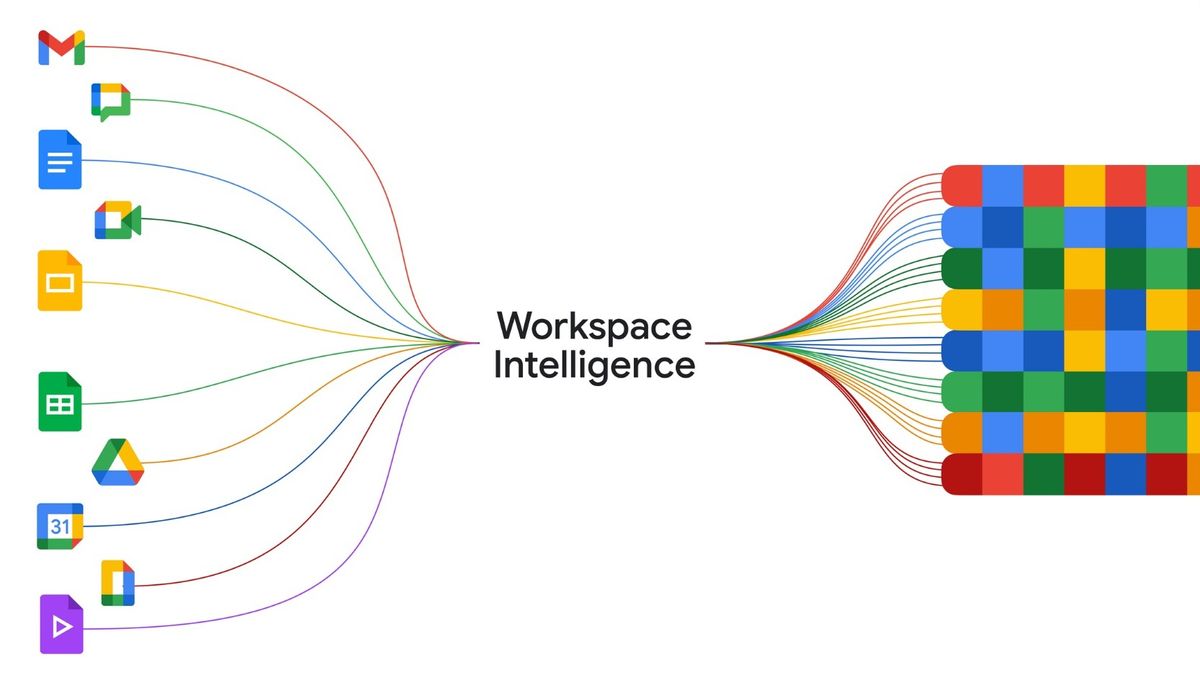
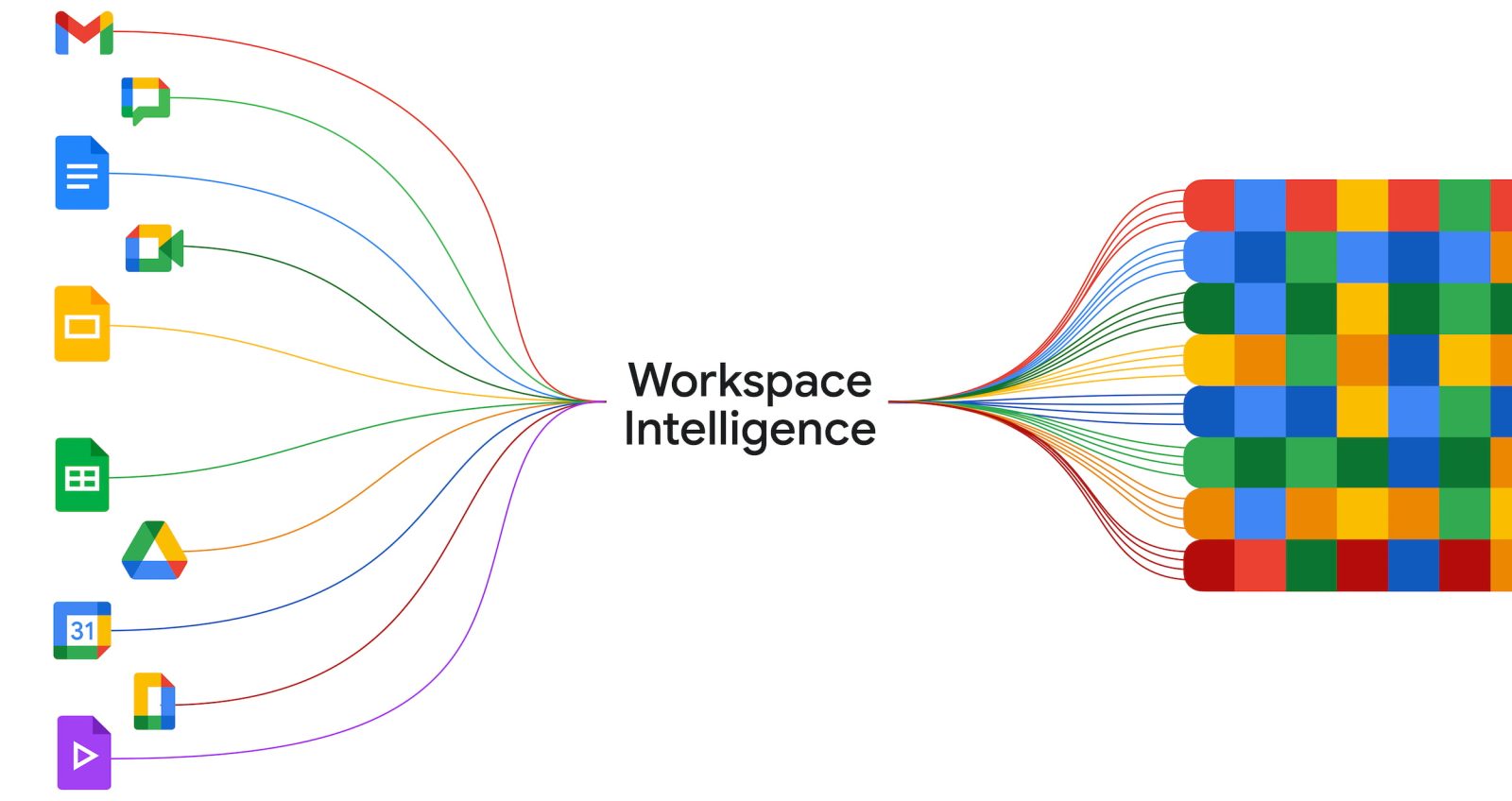
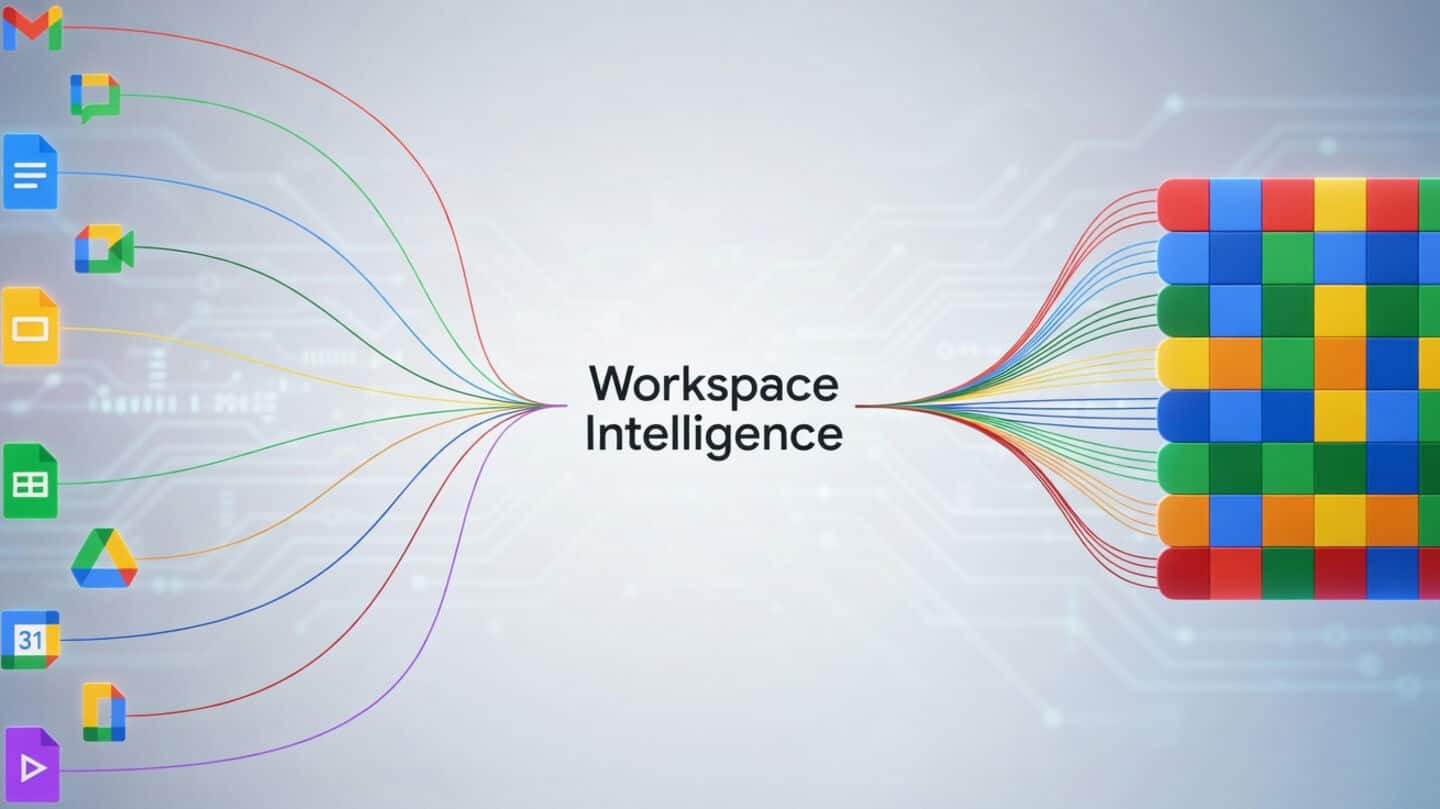
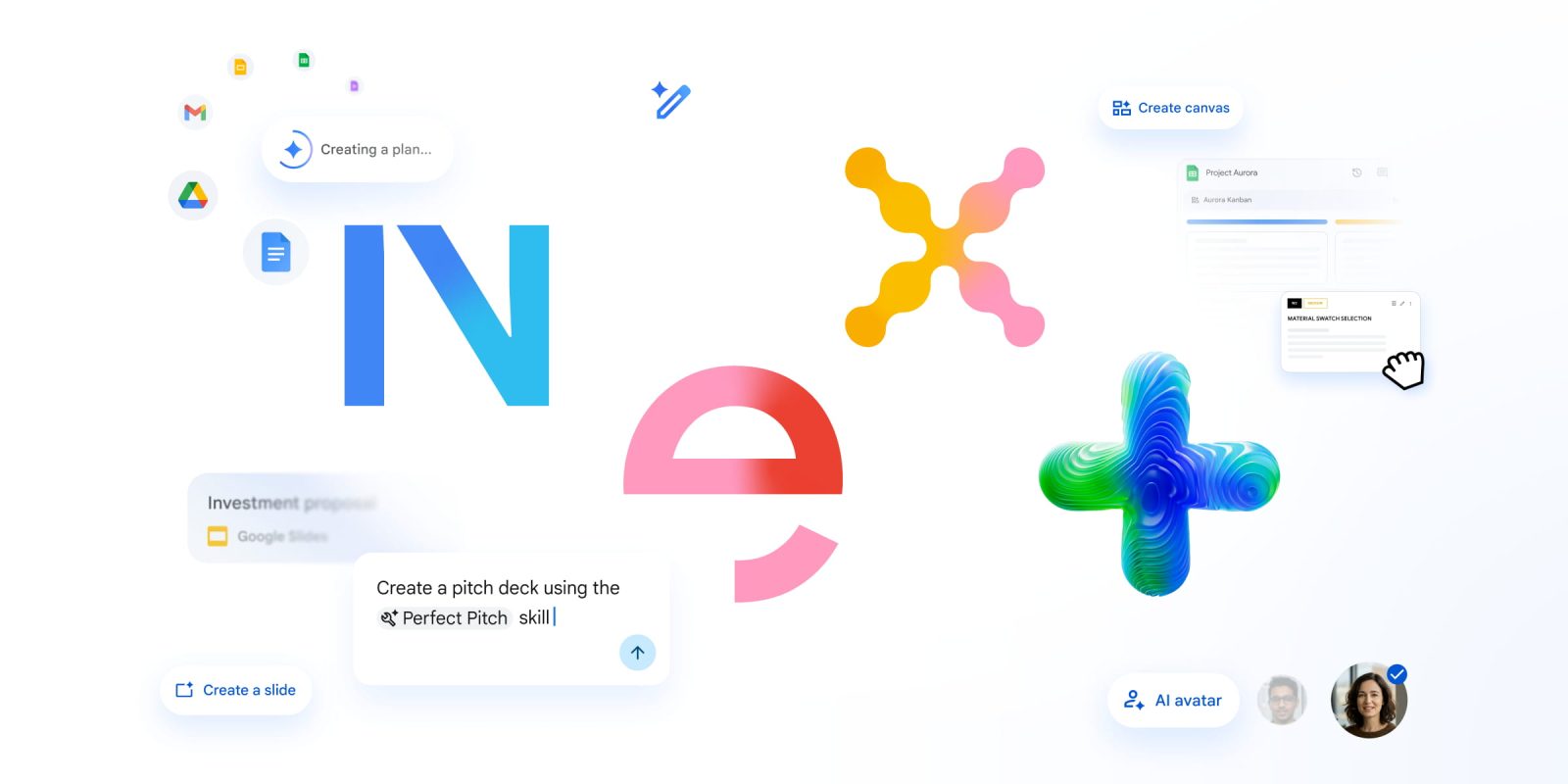
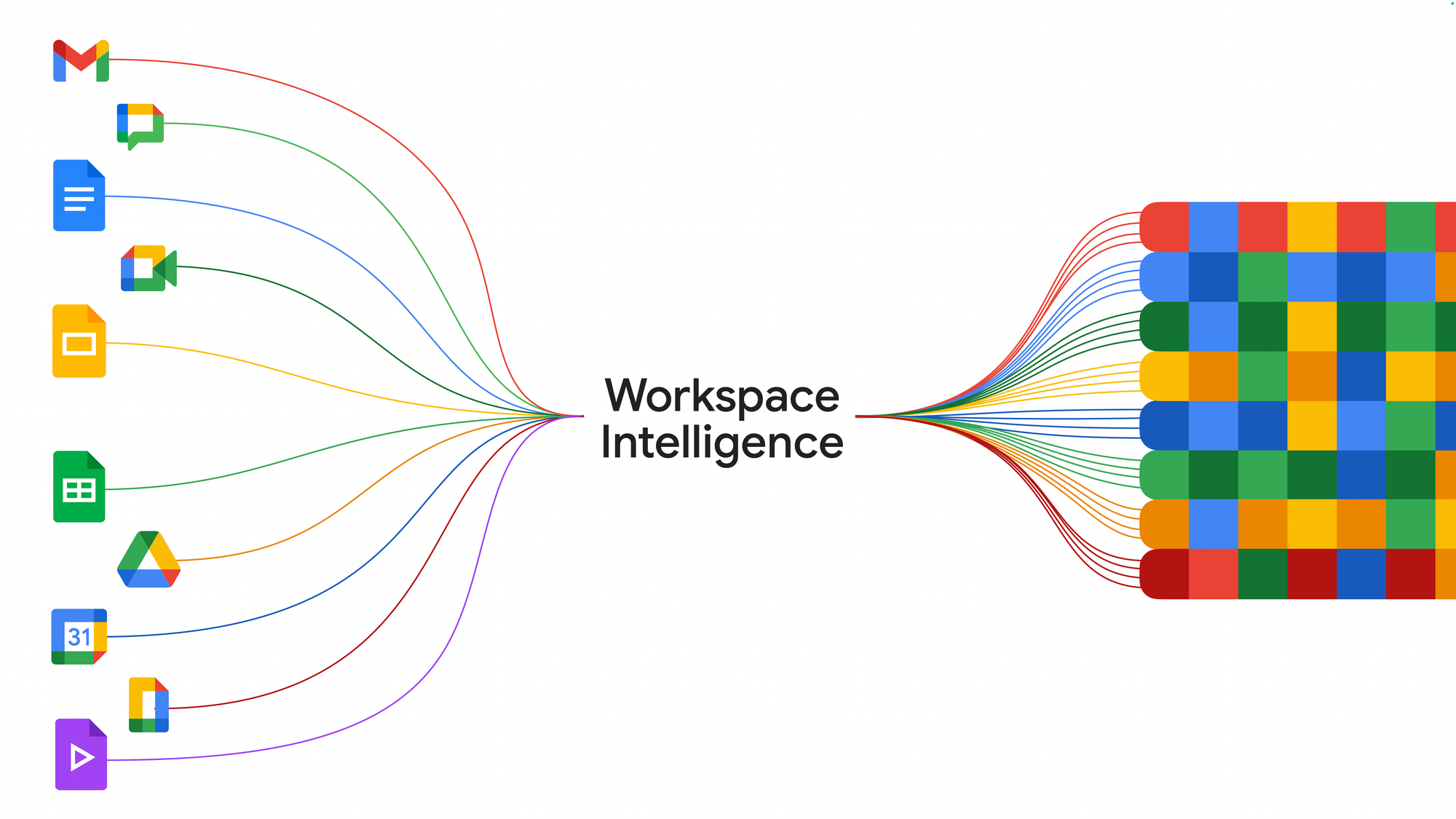
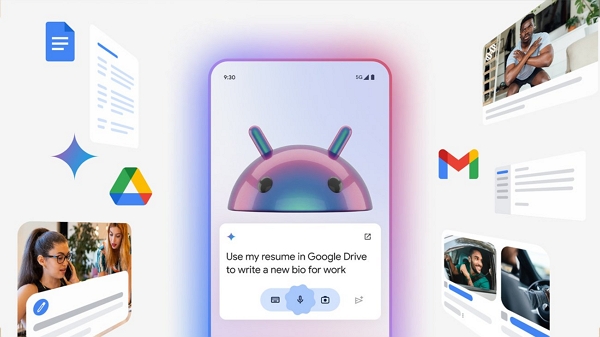
Google's Workspace Intelligence represents a fundamental shift in how e-commerce sellers can automate back-office operations, with Gemini AI agents now embedded across Gmail, Sheets, Docs, Drive, and Meet. The announcement at Google Cloud Next 2026 introduces capabilities that directly address the operational bottlenecks plaguing mid-market and enterprise sellers: invoice processing, inventory data management, supplier communication, and content creation. The "Take Notes for me" feature has already achieved 110 million monthly attendees with 8.5x year-over-year growth, now expanding to in-person meetings and cross-platform support (Teams, Zoom), while Sheets Canvas enables 9x faster data entry through natural language prompts—a critical advantage for sellers managing multi-channel inventory across Amazon, eBay, Shopify, and Walmart.
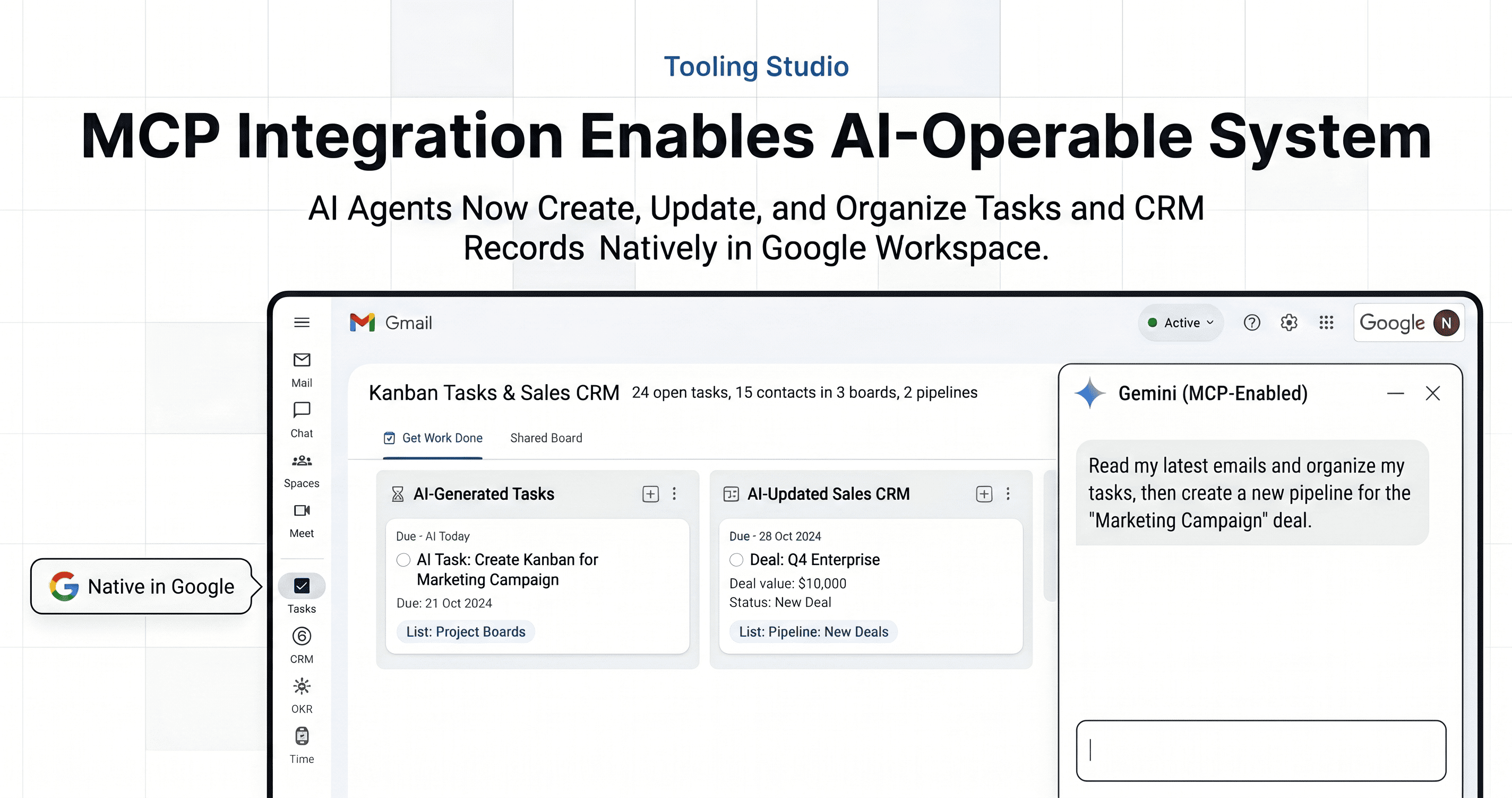
For e-commerce sellers, the immediate automation opportunities are substantial and measurable. The Gemini-powered Sheets functionality eliminates manual data entry for inventory reconciliation, pricing updates, and sales analytics—tasks that consume 15-20 hours weekly for small teams. Automated invoice review skills compare new supplier invoices against stored versions, identifying discrepancies and reducing billing error detection from 4-6 hours to under 30 minutes per batch. Google Drive's Projects feature centralizes supplier communications, product research files, and competitive intelligence in unified conversations with Gemini, replacing scattered email threads and reducing context-switching time by 40-50%. The Workspace MCP Server enables third-party integrations (Shopify, Amazon Seller Central APIs) directly into Gemini workflows, allowing sellers to query inventory levels, flag low-stock SKUs, and generate purchase orders without leaving Gmail or Sheets. Chrome Enterprise's agentic auto-browse capabilities automate multi-step web tasks like price monitoring across competitor sites, category research, and marketplace policy updates—tasks currently requiring 8-12 hours weekly of manual browsing.
The competitive advantage window is 6-12 months before Microsoft Copilot and Apple Intelligence achieve feature parity. Sellers adopting Workspace Intelligence NOW can establish operational efficiency gains worth $15,000-40,000 annually per team member (based on 15-20 hours/week automation × $50-75/hour labor cost). The system's ability to maintain consistent voice and formatting across documents accelerates product listing creation, brand guideline compliance, and customer communication templates—reducing content production time by 35-45%. However, data privacy considerations are critical: Workspace Intelligence analyzes Gmail, Calendar, Chat, and Drive data to build organizational context, requiring sellers to review data access permissions and ensure compliance with GDPR, CCPA, and marketplace data policies. The rollout timeline spans "coming weeks," making immediate adoption feasible for sellers using Google Workspace as their operational backbone.
Questions 8
How much time and cost savings can sellers expect from Workspace Intelligence adoption?
Based on the 9x faster data entry claim and 110M+ user adoption of meeting automation, sellers can expect 15-20 hours weekly time savings per team member across data entry, invoice processing, meeting documentation, and content creation. This translates to $15,000-40,000 annual labor cost savings per employee (at $50-75/hour labor rates). For a 5-person seller operations team, total annual savings could reach $75,000-200,000 in labor costs, plus additional savings from reduced billing errors ($2,000-5,000 annually), faster supplier negotiations, and improved inventory accuracy. The ROI is immediate for sellers already using Google Workspace, as Workspace Intelligence is included in existing Workspace subscriptions (Business Standard and above), requiring no additional software investment.
When will Workspace Intelligence be available and how should sellers prepare?
Google announced Workspace Intelligence rollout 'over the coming weeks' at Cloud Next 2026, with phased availability across Workspace applications. Sellers should prepare by auditing their current Google Workspace usage, identifying high-impact automation opportunities (invoice processing, inventory management, content creation), and reviewing data access permissions for compliance. Teams should establish Gemini usage guidelines, train staff on natural language prompting for Sheets and Docs, and integrate third-party tools (Shopify, Amazon APIs) through the Workspace MCP Server. Early adopters can establish competitive advantage before Microsoft Copilot and Apple Intelligence achieve feature parity, estimated at 6-12 months. Sellers should prioritize adoption for operations teams managing 50+ hours weekly of repetitive tasks (data entry, invoice processing, meeting documentation).