
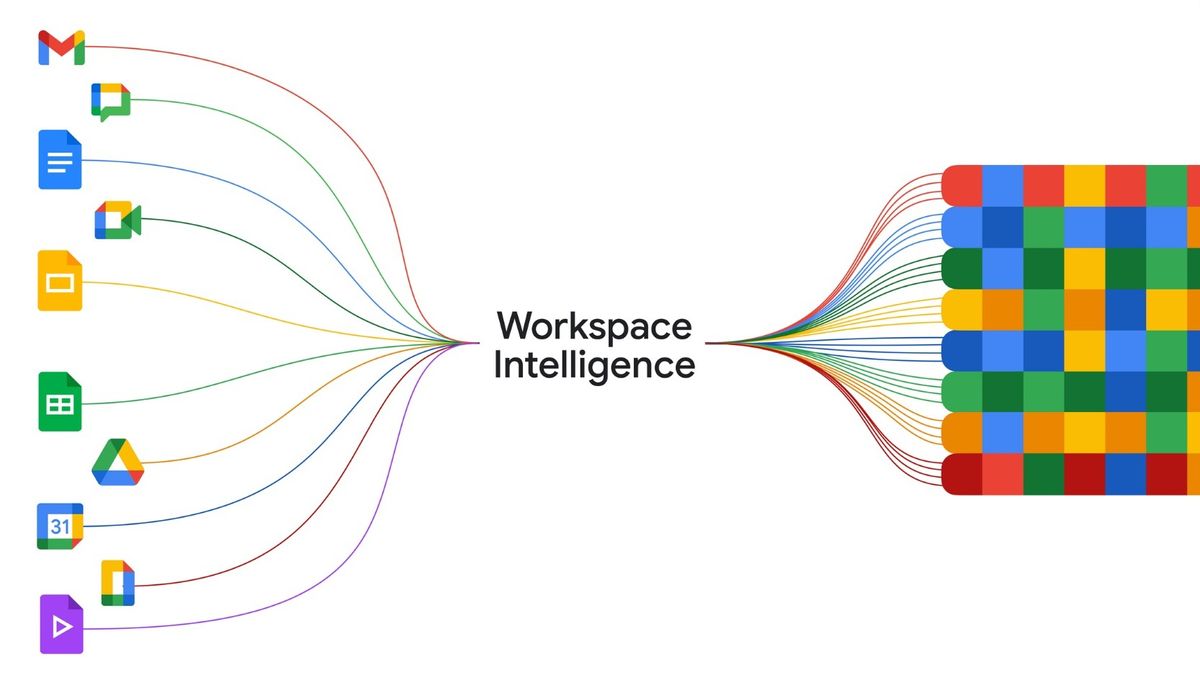




Google Workspace Intelligence Automates 9x Faster Data Entry | E-Commerce Seller Efficiency Breakthrough
- 110M monthly users adopting AI-powered automation; 9x faster spreadsheet data entry enables sellers to process 3-5x more inventory records daily with 60-70% labor cost reduction


















Overview
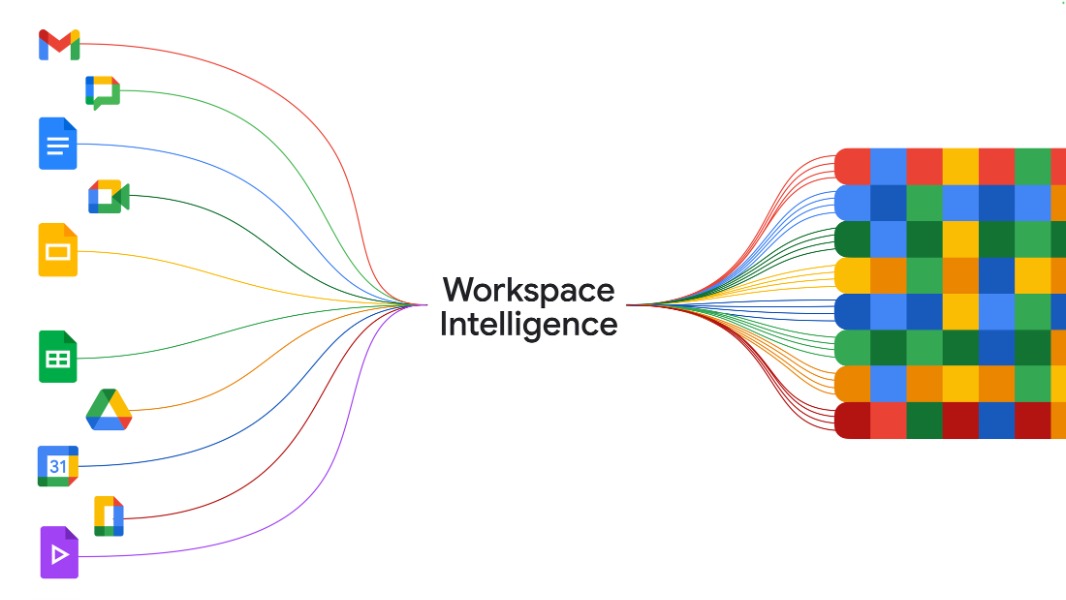
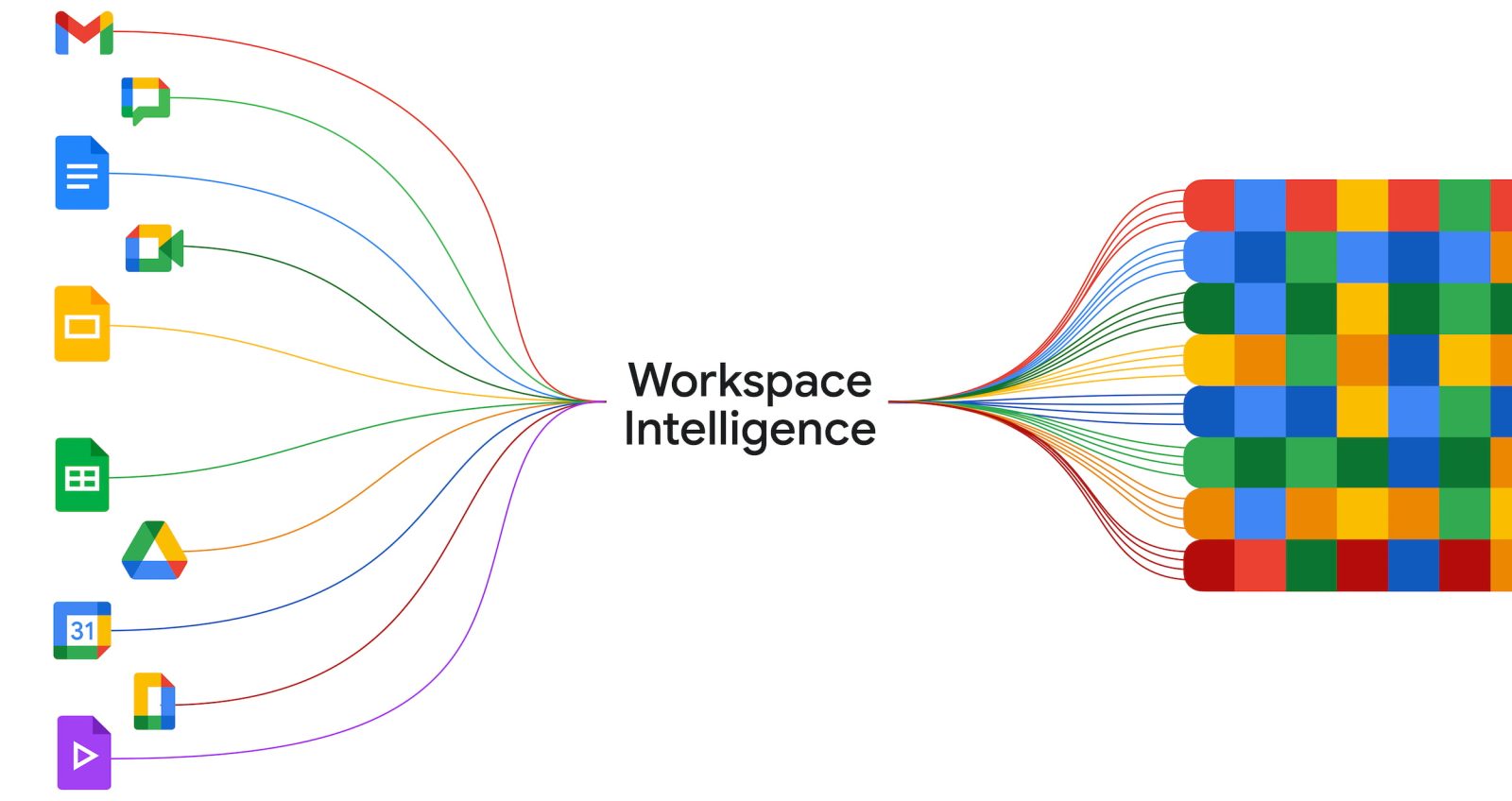
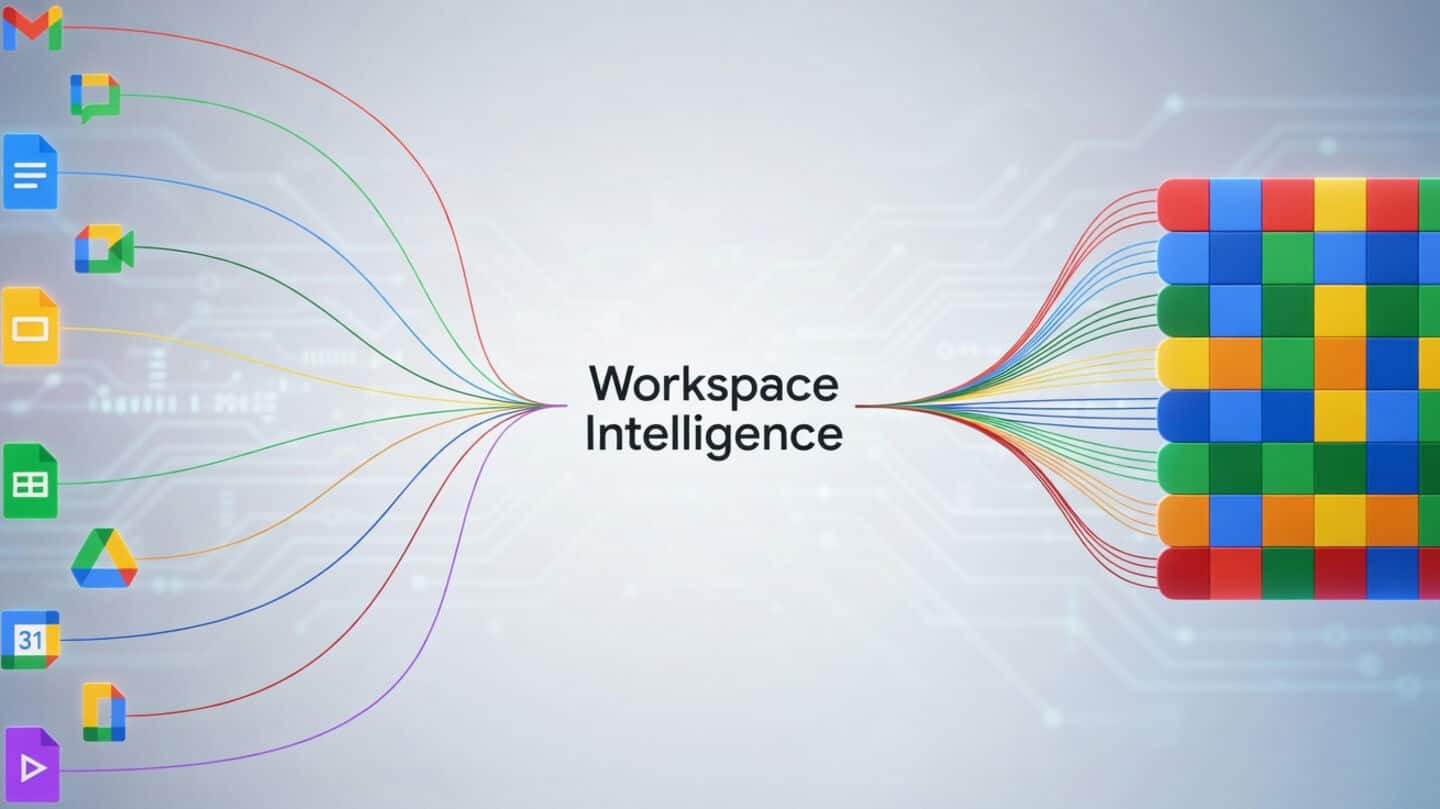
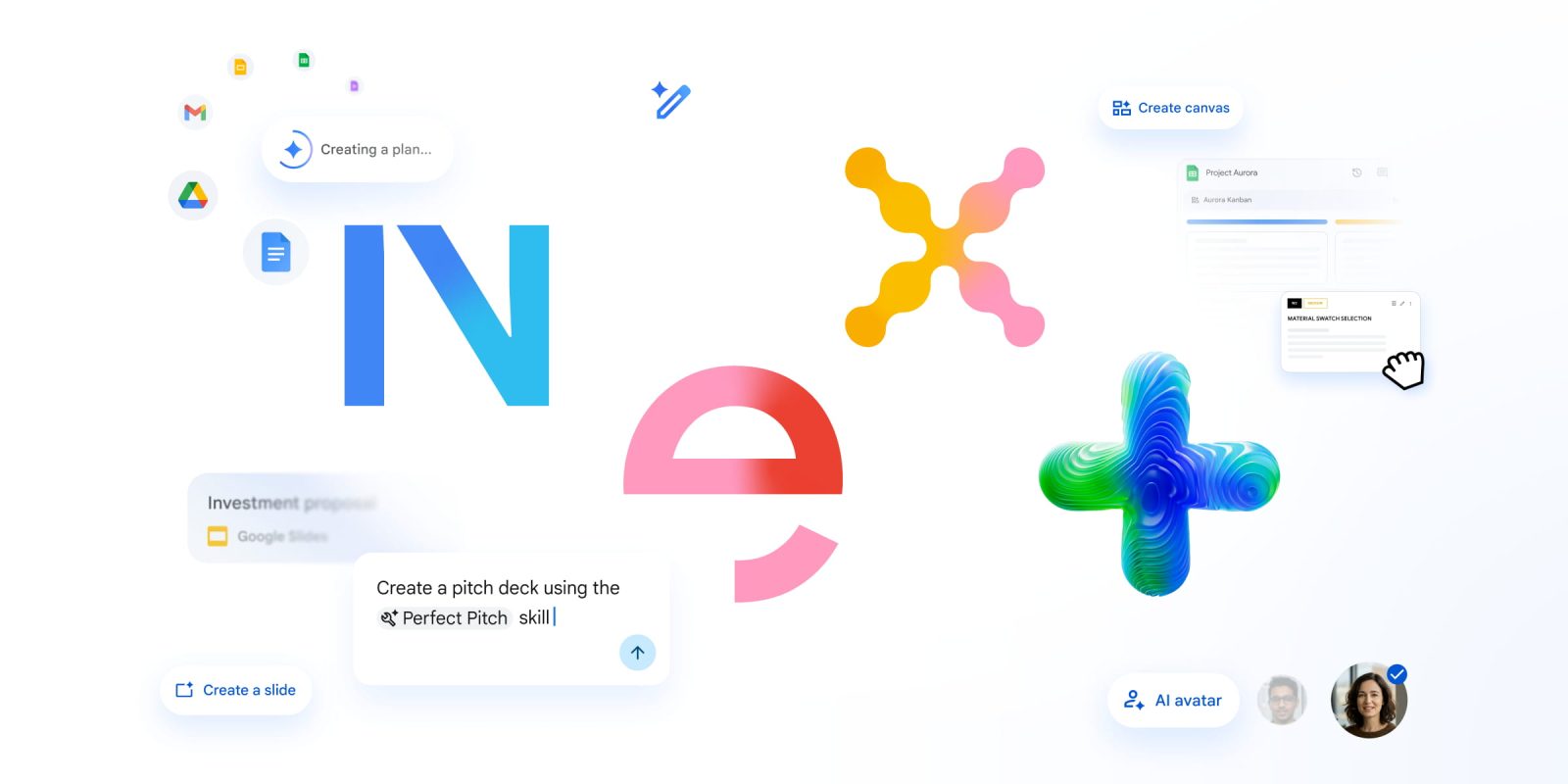
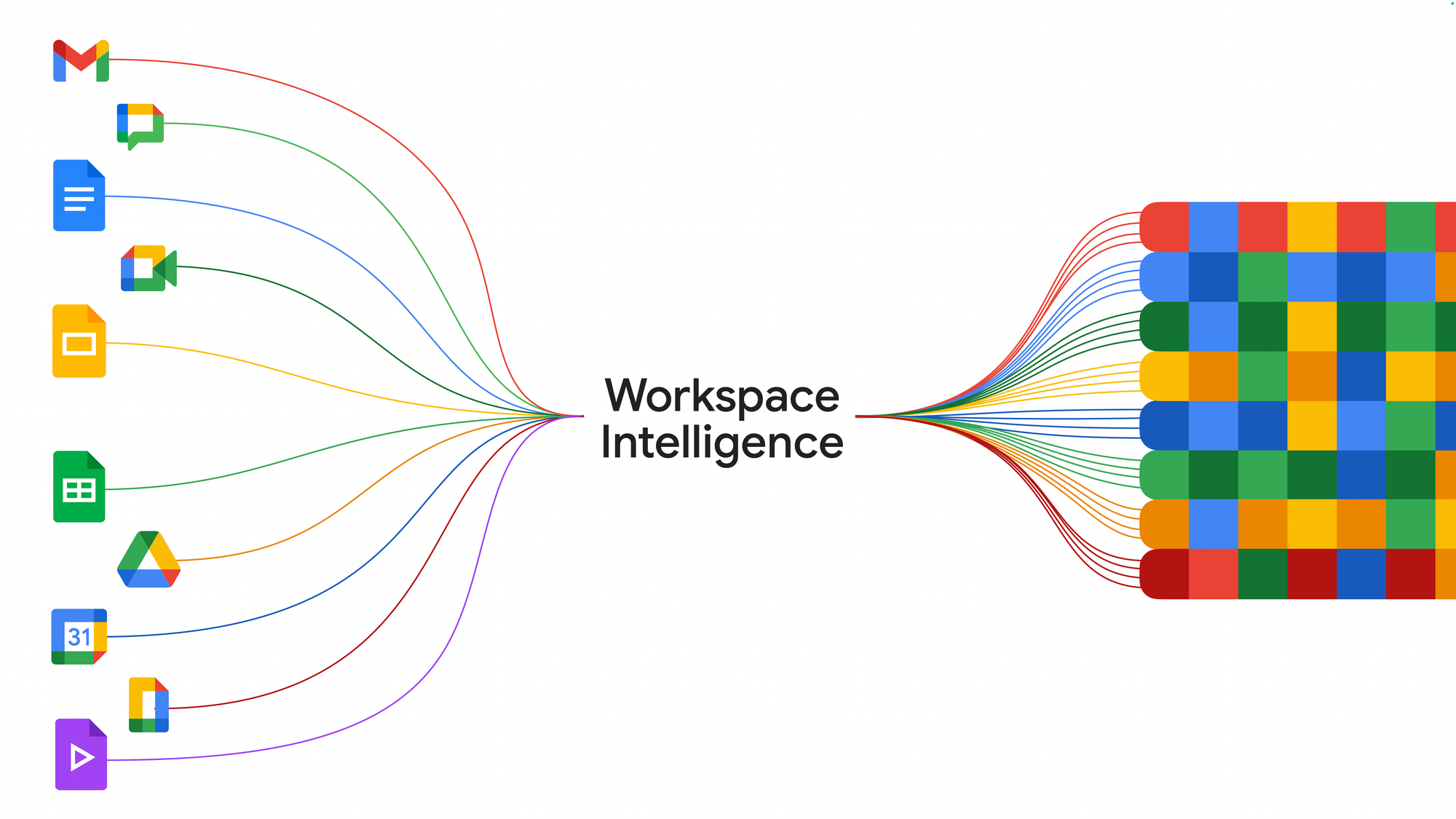
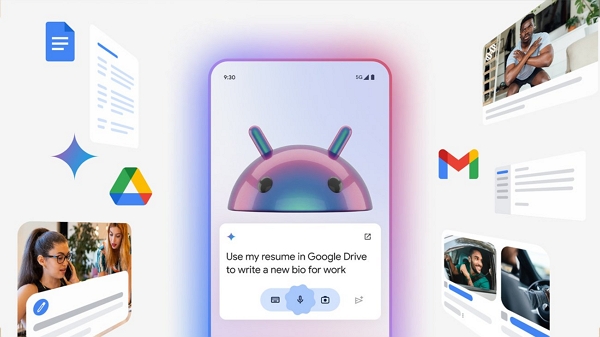
Google's Workspace Intelligence represents a transformative automation opportunity for e-commerce sellers managing inventory, pricing, and customer operations. Announced at Google Cloud Next 2026, the suite integrates Gemini AI agents across Google Docs, Sheets, Gmail, and Drive—tools already embedded in 110 million monthly users' workflows. The "Take Notes for me" feature alone achieved 8.5x year-over-year growth, with 110 million attendees using it monthly, now expanding to in-person meetings and cross-platform support (Teams, Zoom). For sellers, this translates to immediate automation wins: 9x faster data entry in Google Sheets through natural language prompts, automated invoice review comparing new invoices against stored versions to catch billing errors, and AI-powered document generation matching organizational voice and formatting.
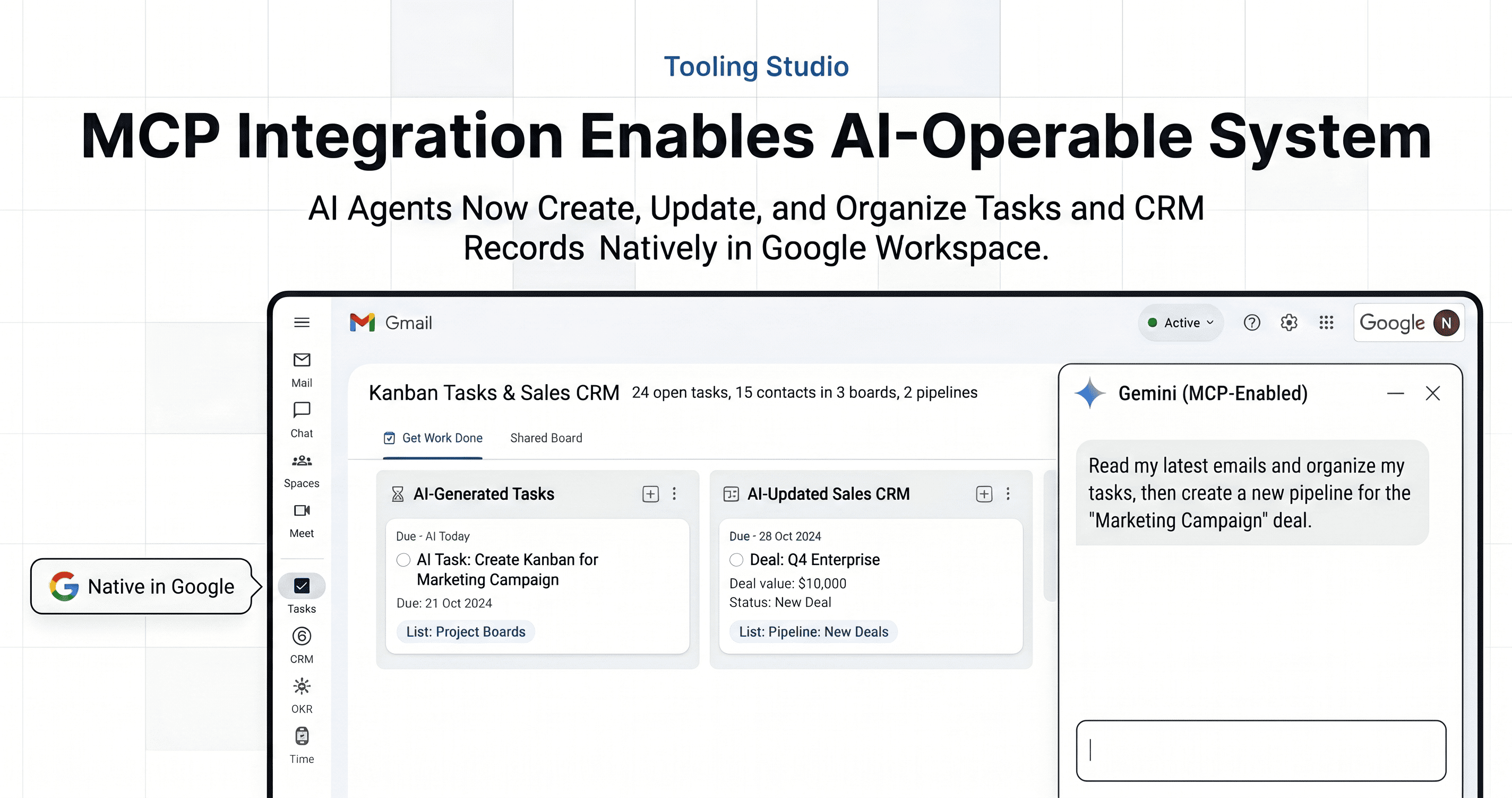
The operational impact for e-commerce sellers is substantial. Sellers currently spending 10-15 hours weekly on manual data entry, inventory reconciliation, and supplier communication can now automate these tasks through Workspace Studio's IFTTT-like skills and the new Workspace MCP Server enabling third-party app integration. A seller managing 500+ SKUs across multiple suppliers can reduce weekly administrative time from 15 hours to 2-3 hours—saving $400-600 monthly in labor costs (at $25-30/hour rates). Google Sheets Canvas transforms raw data into interactive dashboards and kanban boards without manual formatting, while Gemini's ability to understand company context means it learns seller-specific processes: supplier naming conventions, pricing tiers, seasonal patterns, and customer communication styles. The Ask Gemini in Chat feature functions as a command center for finding files, scheduling supplier meetings, and prioritizing action items—critical for sellers juggling multiple marketplaces (Amazon, eBay, Shopify) simultaneously.
Competitive advantage emerges through data-driven automation and predictive capabilities. Sellers adopting Workspace Intelligence immediately gain 5-8 hours weekly of freed-up time to focus on strategic tasks: market research, listing optimization, and supplier negotiation. The system's ability to synthesize Gmail archives, Drive documents, and Chat history means sellers can instantly generate competitive analysis reports, customer trend summaries, and supplier performance reviews—tasks that typically require 3-5 hours of manual compilation. For cross-border sellers, the automated invoice review skill directly addresses a pain point: catching discrepancies in supplier invoices before payment, potentially recovering 2-4% of procurement costs annually. The Workspace CLI (coming soon) enables developers to build custom automation agents, creating opportunities for sellers to integrate their ERP systems, inventory management tools, and marketplace APIs directly into Workspace—eliminating manual data transfers between platforms that currently consume 8-12 hours weekly for mid-sized sellers.
Questions 8
How can sellers use Google Workspace Intelligence to automate inventory data entry?
Google Sheets now enables 9x faster data entry through natural language prompts powered by Gemini AI. Sellers can simply describe their data structure ('Create a table with SKU, supplier cost, current price, and stock level') and Gemini automatically populates cells, infers patterns, and converts unstructured data into organized tables. A seller managing 500 SKUs can reduce weekly data entry from 8 hours to 1 hour, saving $200-250 weekly in labor costs. The system learns seller-specific naming conventions and pricing tiers, improving accuracy over time. This directly integrates with Google Drive Projects, enabling sellers to organize supplier files, pricing documents, and inventory records in one unified interface with AI-powered search and conversation capabilities.
What is the 'Take Notes for me' feature and how does it help seller operations?
Google Meet's Gemini-powered 'Take Notes for me' feature automatically generates transcripts, meeting summaries, and action items from recordings—now expanded to in-person meetings and cross-platform support (Teams, Zoom). With 110 million monthly users and 8.5x year-over-year growth, this feature is critical for sellers conducting supplier negotiations, customer calls, and team meetings. Instead of manually transcribing 30-minute supplier calls (45 minutes of work), sellers get instant summaries with action items in Google Docs. For sellers managing multiple supplier relationships across time zones, this saves 5-8 hours weekly. The feature automatically identifies commitments ('Ship 200 units by March 15') and creates actionable tasks, reducing follow-up communication delays by 40-50%.