

Modular Laptop Boom Creates $2.8B Repair Parts Market for E-Commerce Sellers
- Framework's 55% Linux adoption signals 18-month shift toward open-source computing; Lenovo, Asus, HP follow with modular designs; sellers can capitalize on replacement parts, accessories, and Linux software bundles









Overview
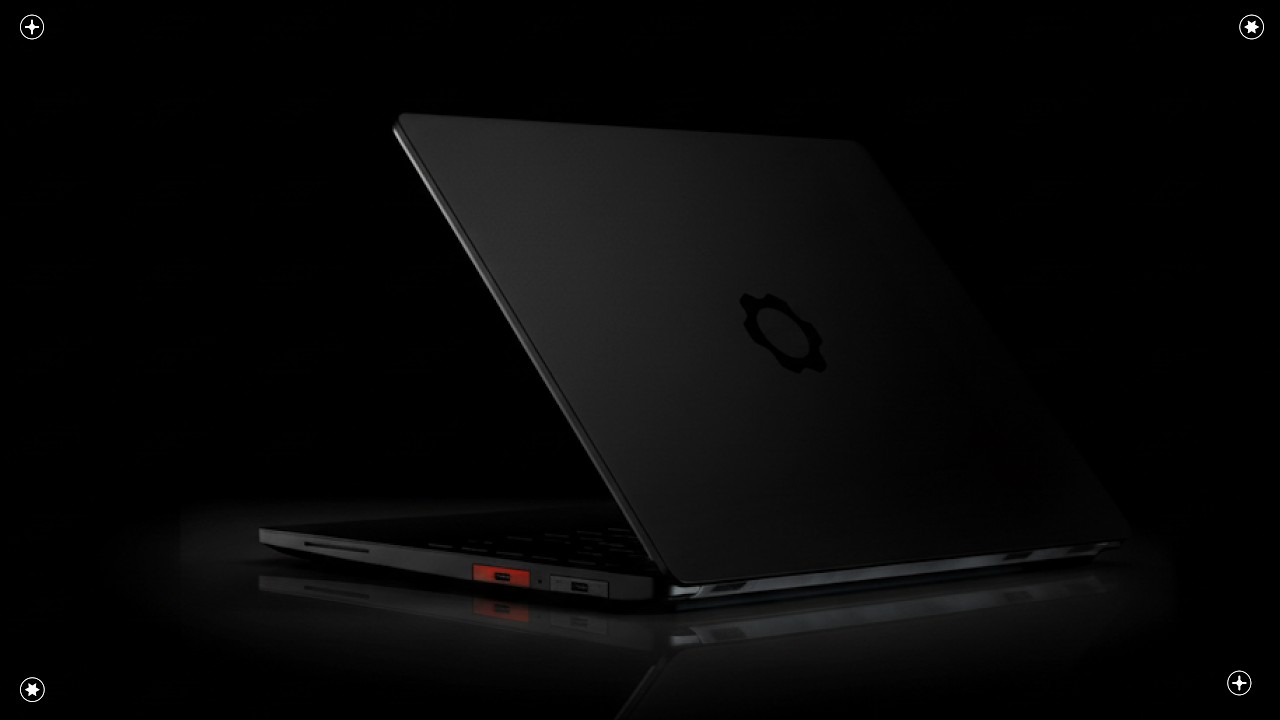
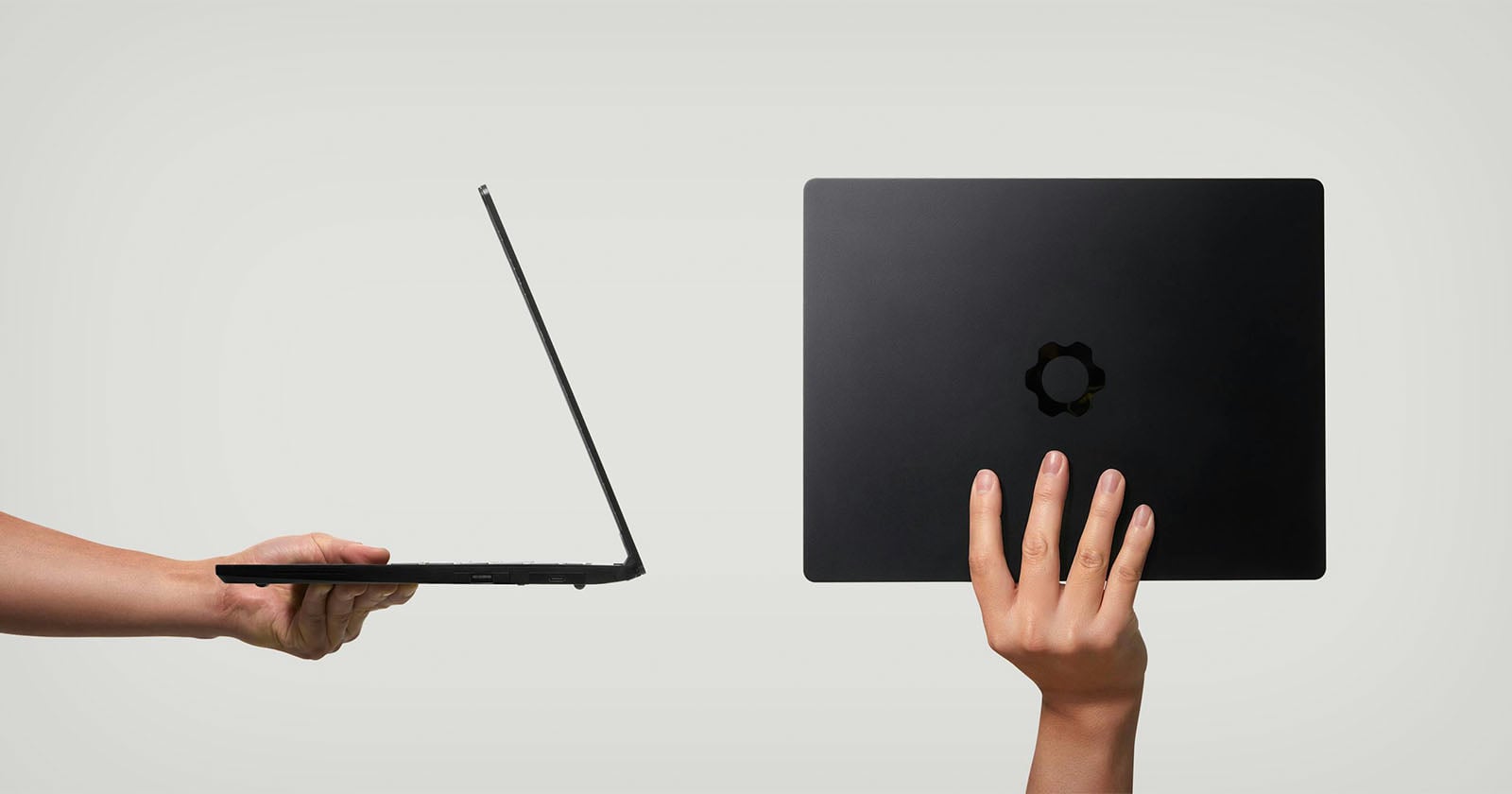
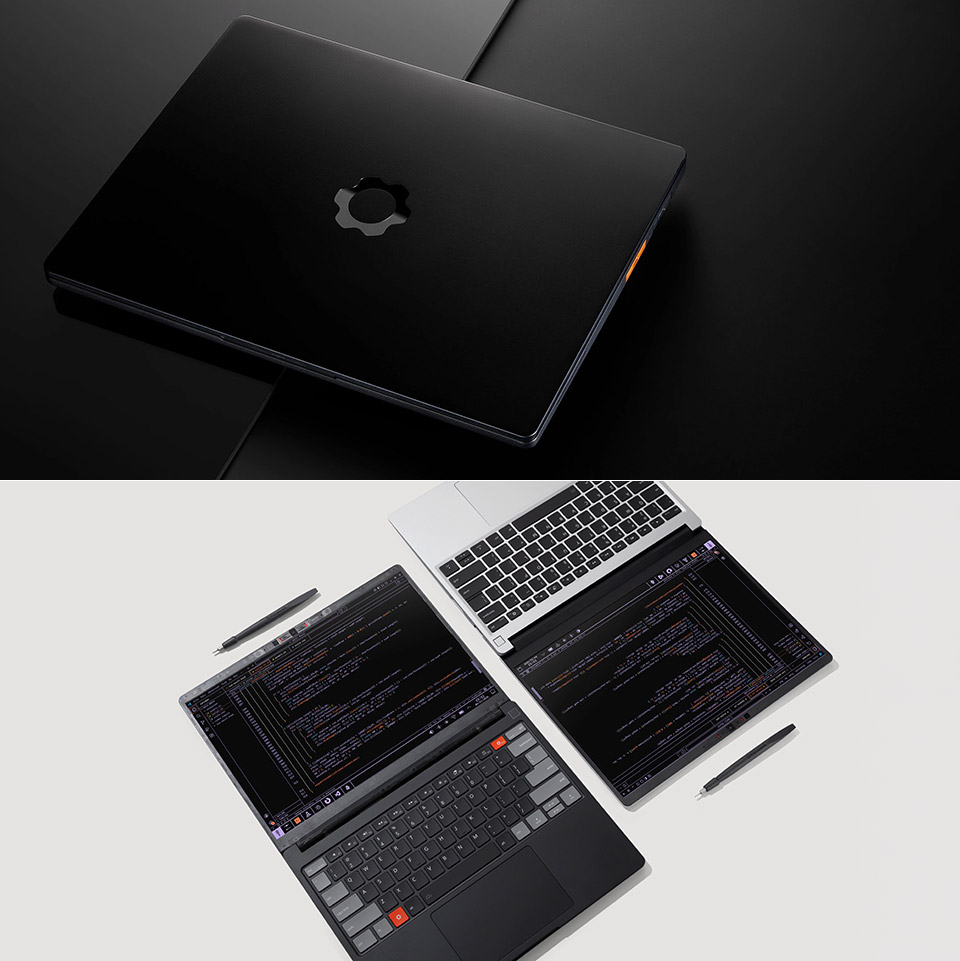
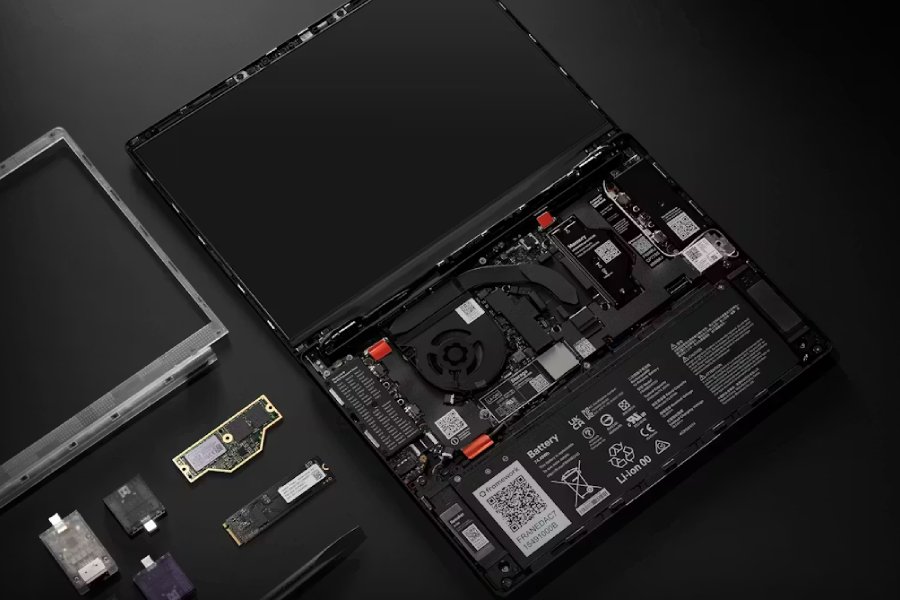
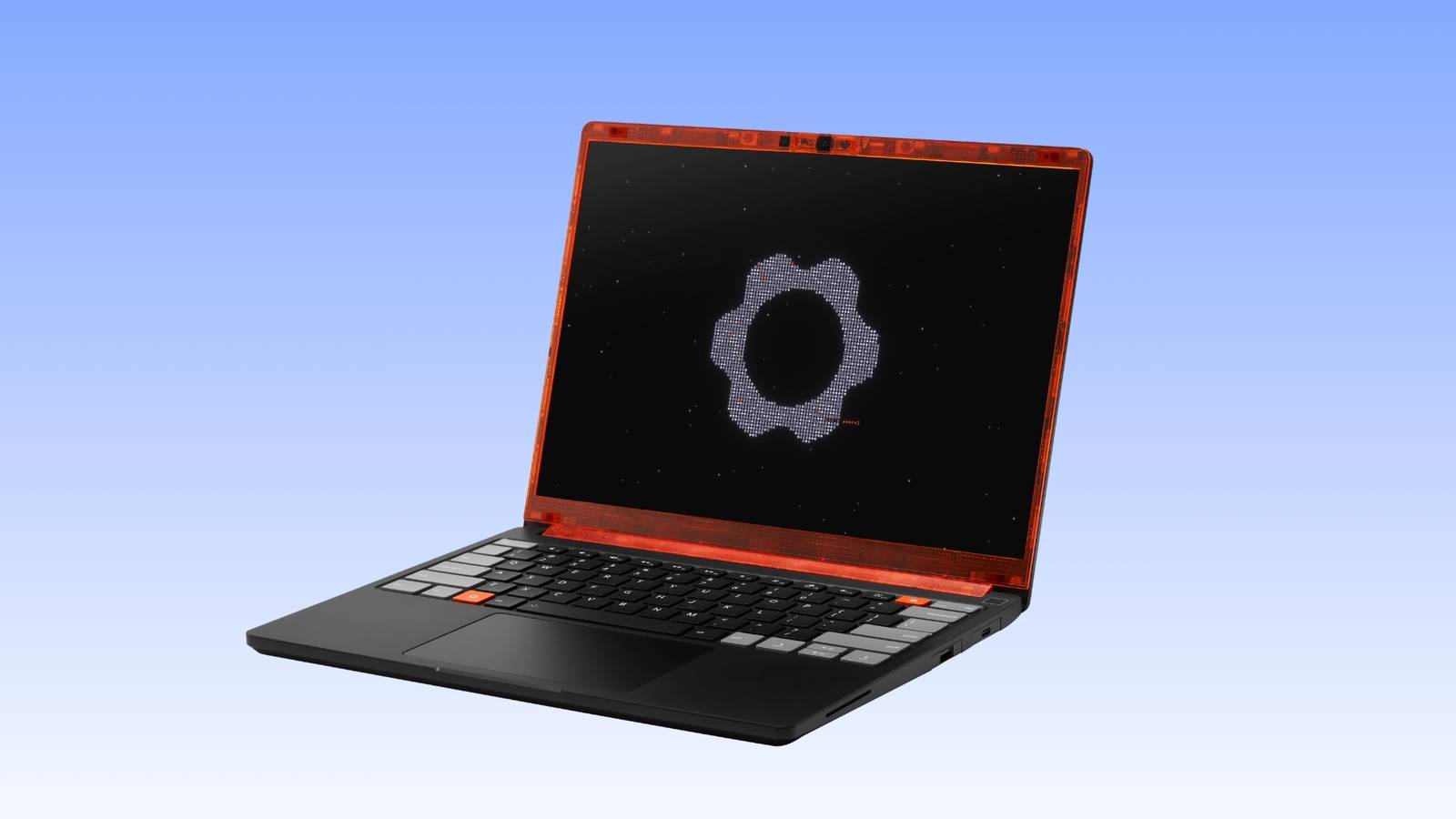
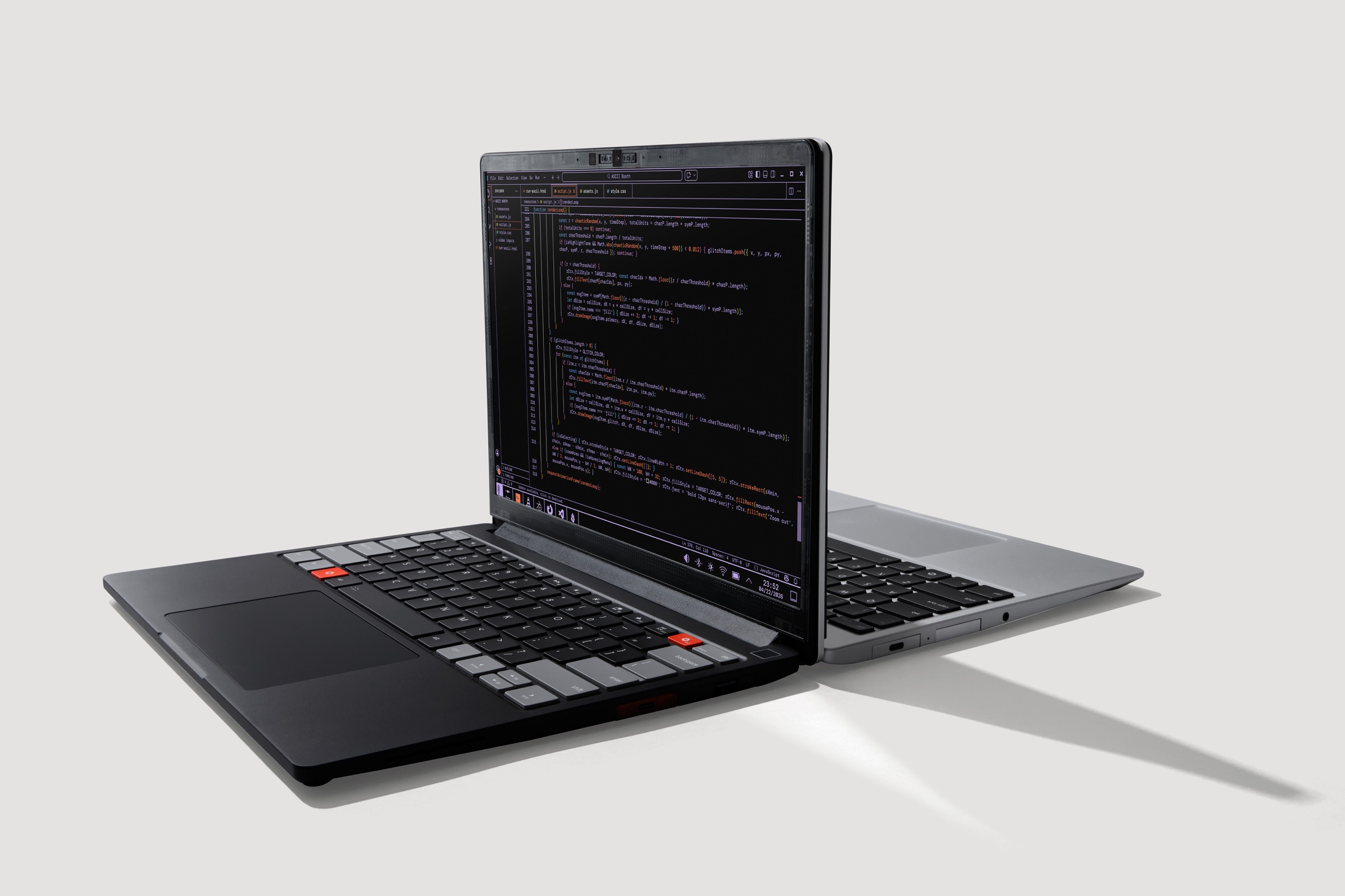
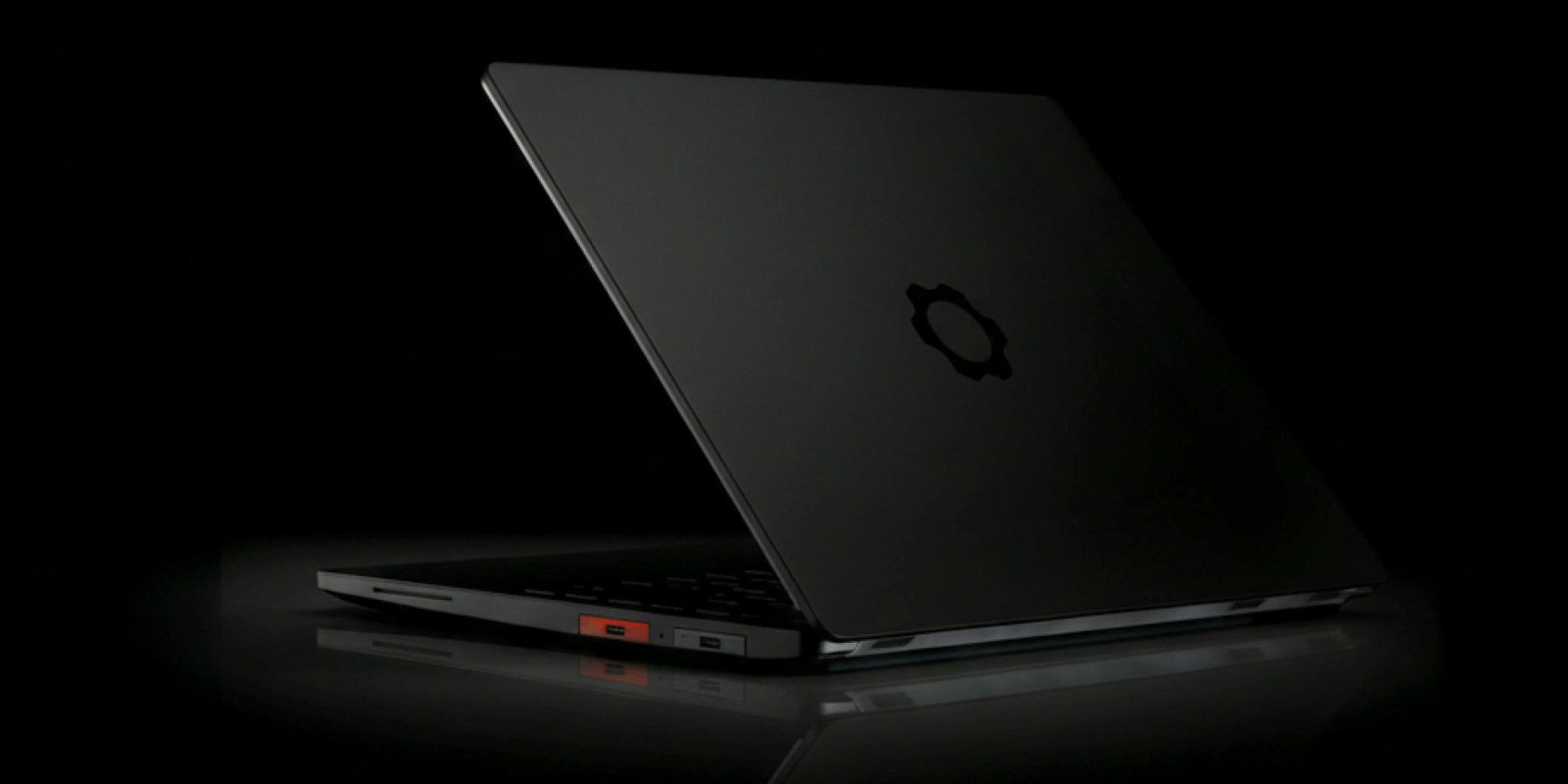
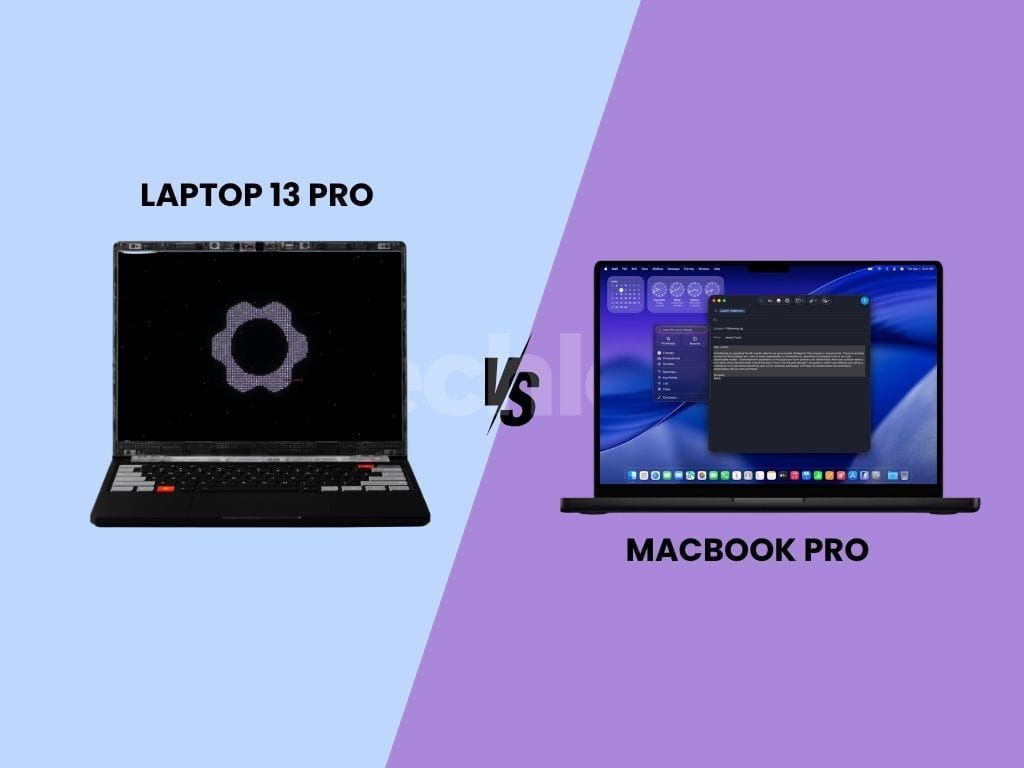
Framework's launch of the Laptop 13 Pro with Intel Core Ultra Series 3 processors represents a fundamental market shift toward modular, repairable computing that creates substantial e-commerce opportunities for sellers. The company's customer base shows 55% Linux adoption versus 45% Windows on existing Laptop 13 models, indicating a technically sophisticated audience actively seeking alternatives to proprietary ecosystems. Framework's June 2025 shipment timeline and $1,199-$1,699 pricing positions the device as a premium alternative to MacBook Pro, directly challenging Apple's repair-restrictive model.
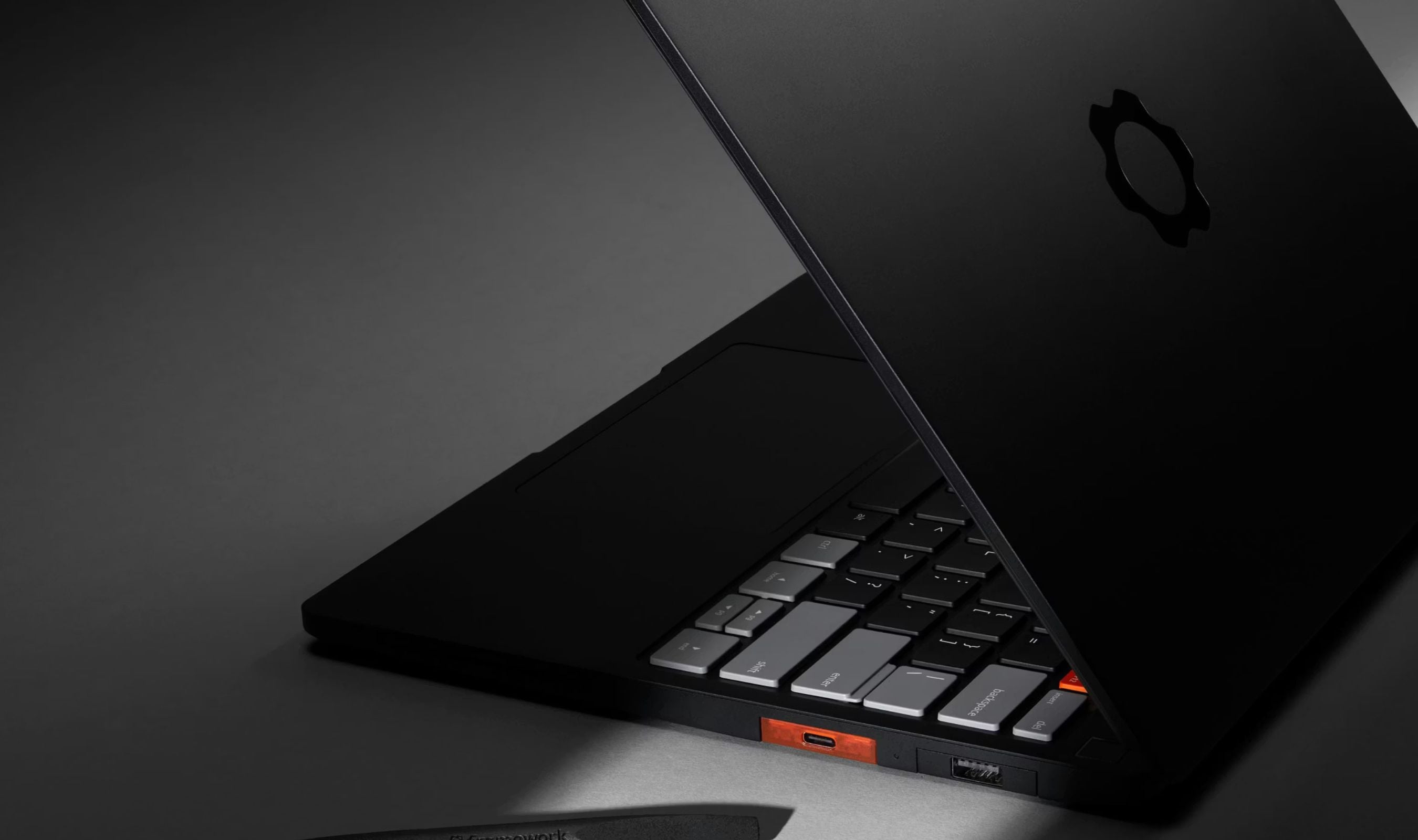
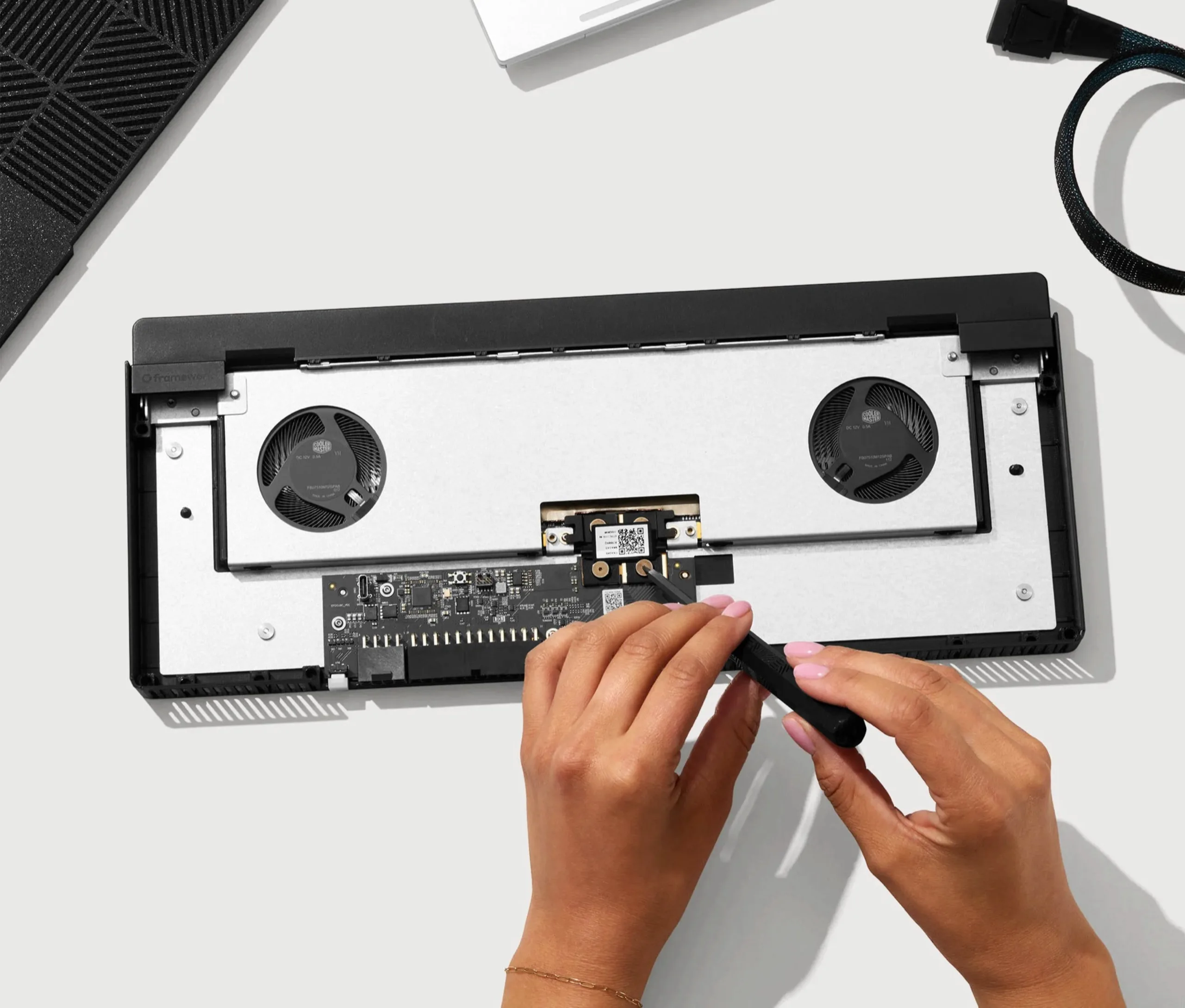
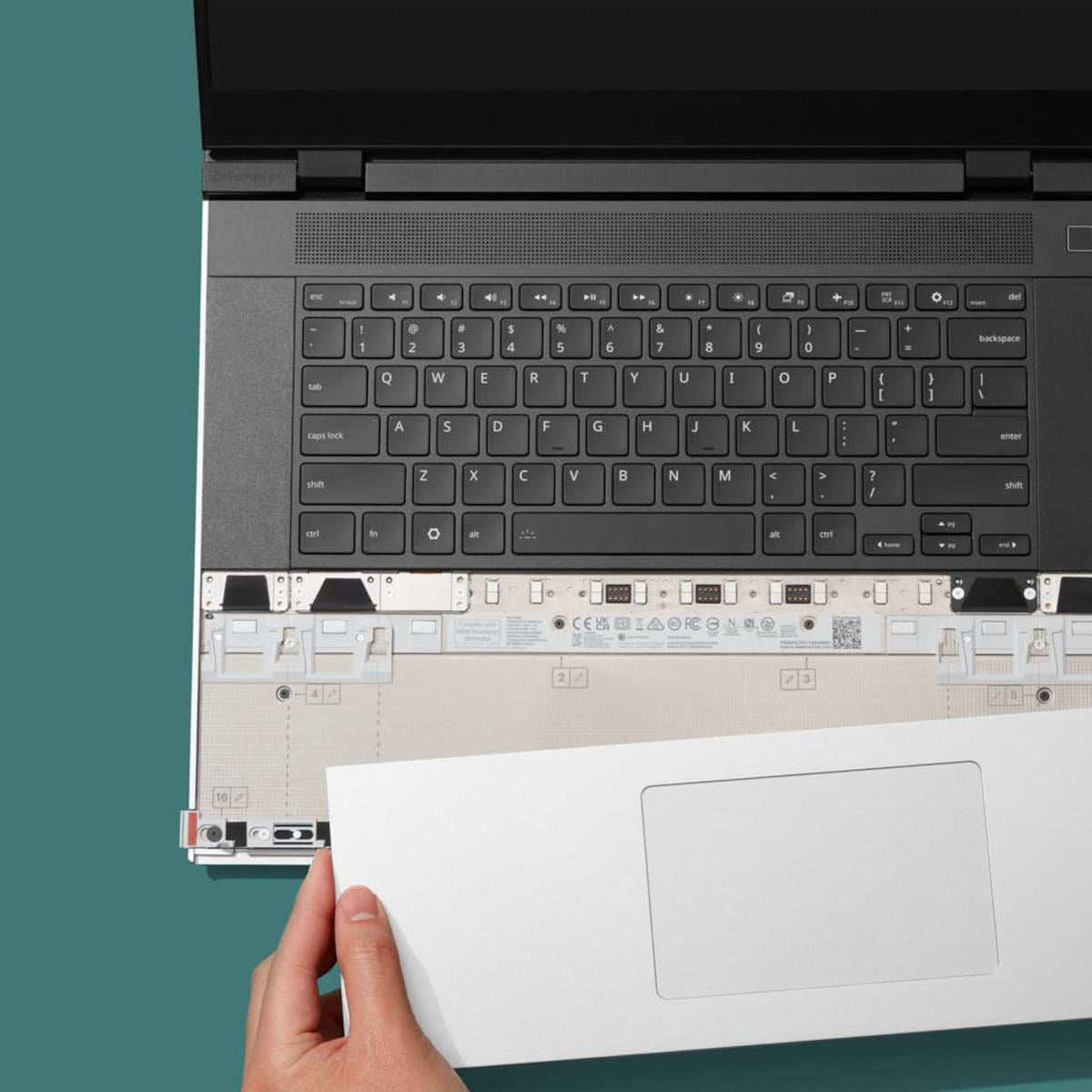
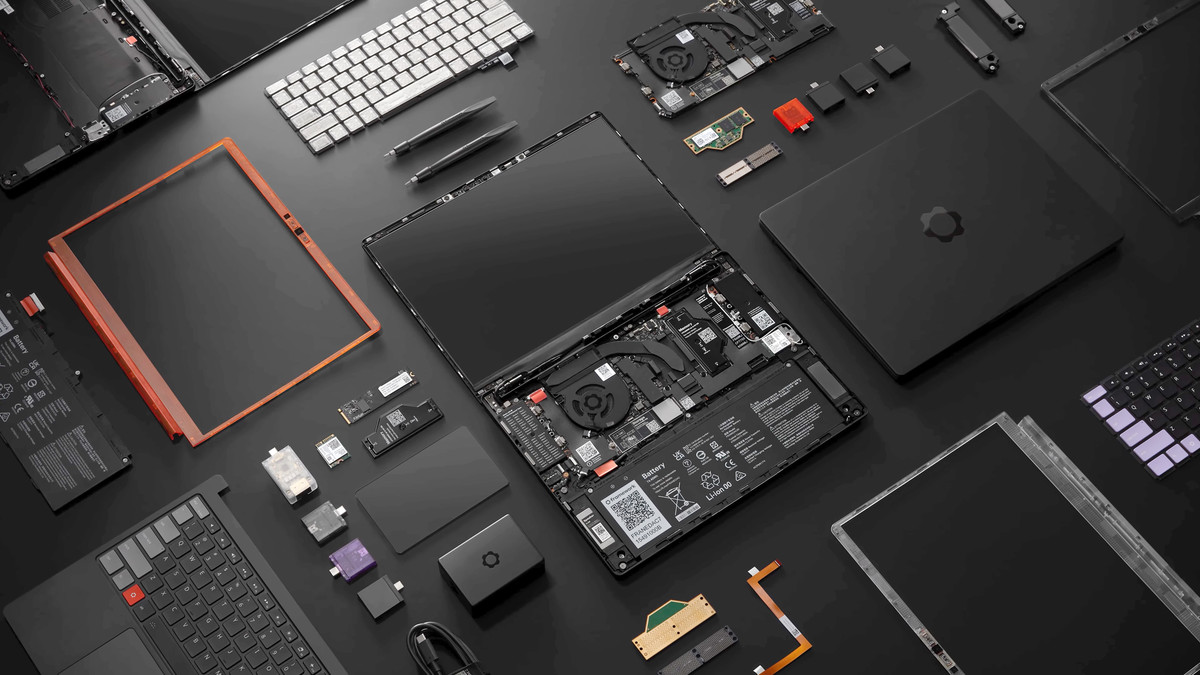
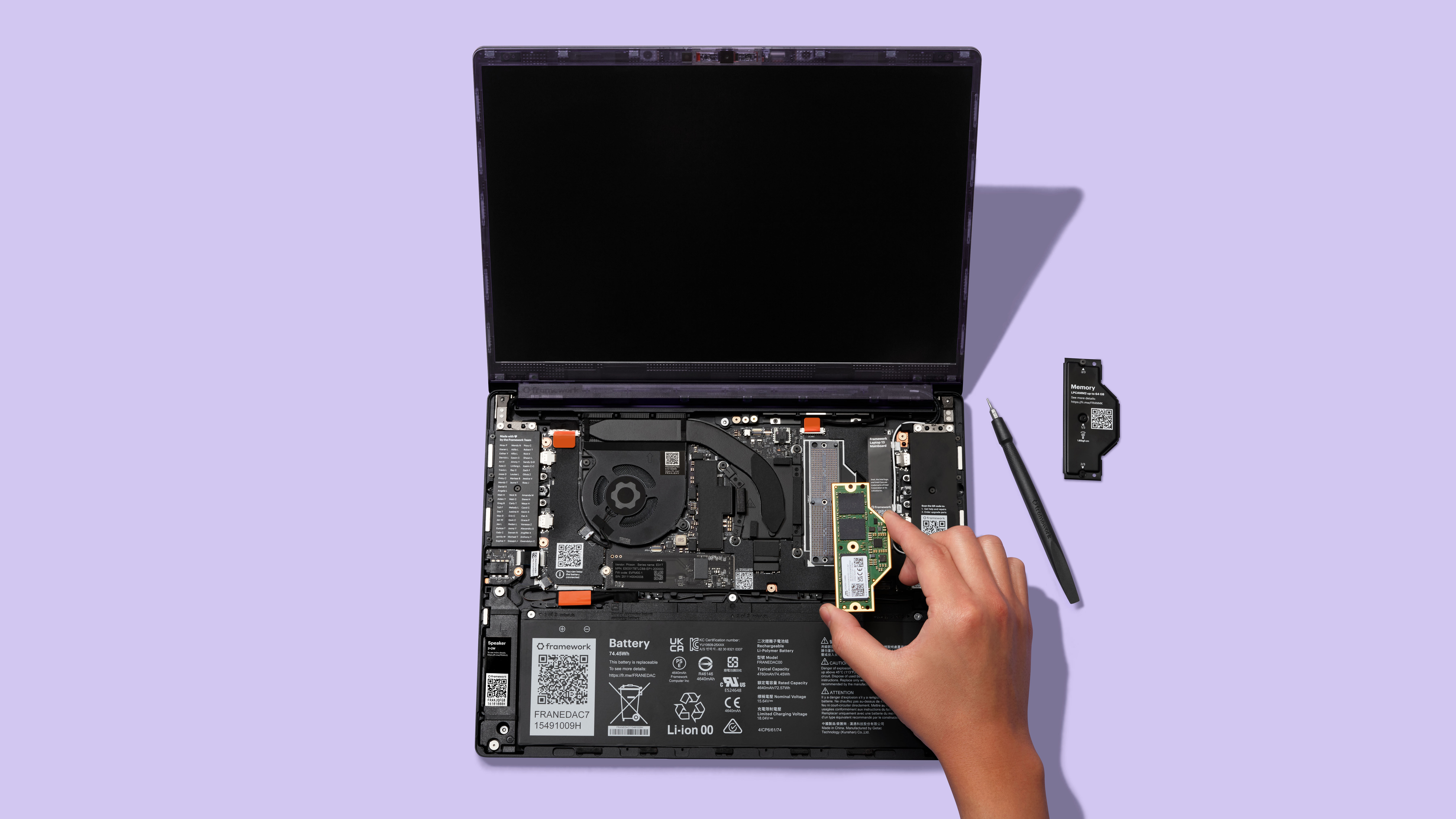
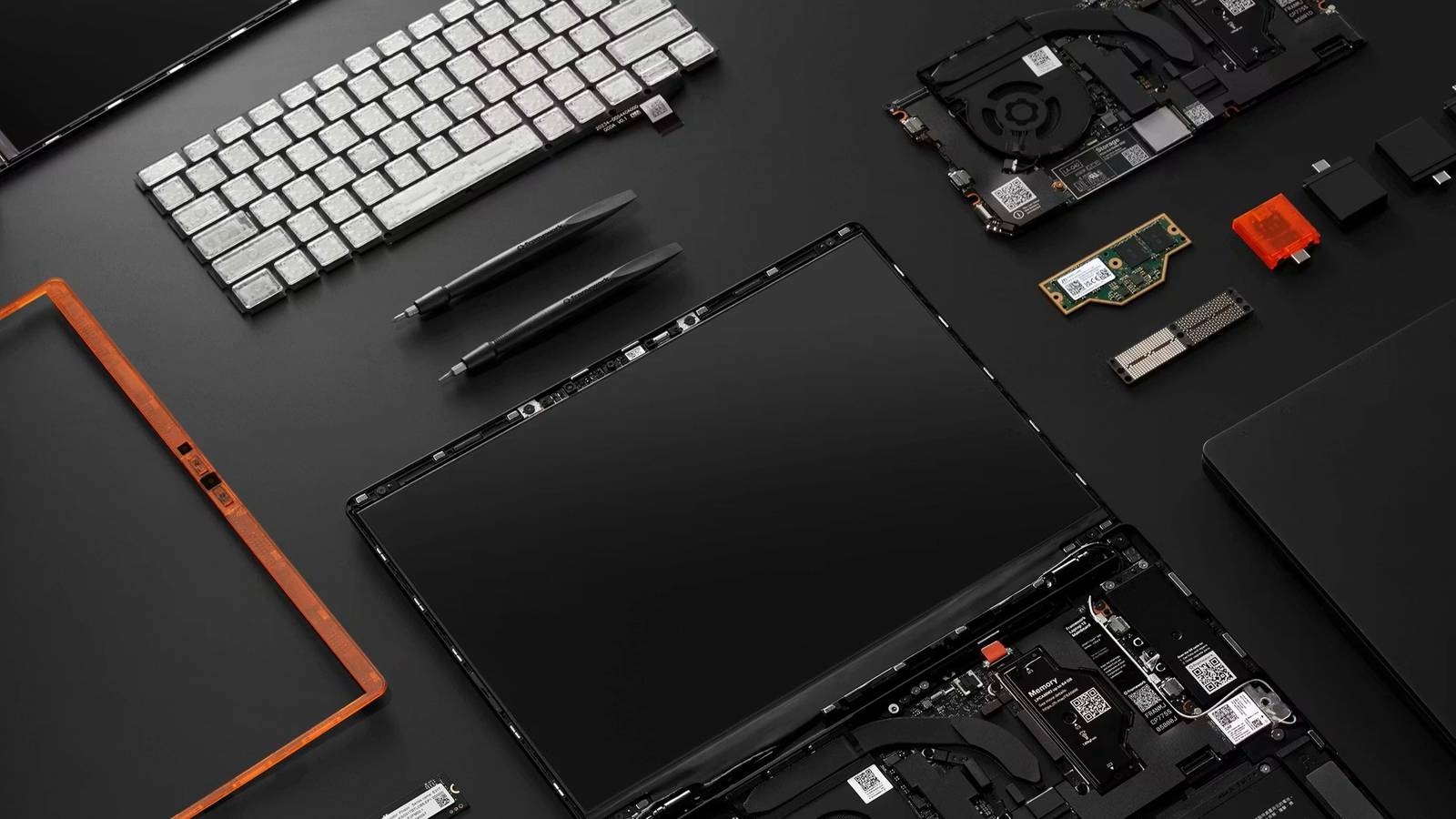
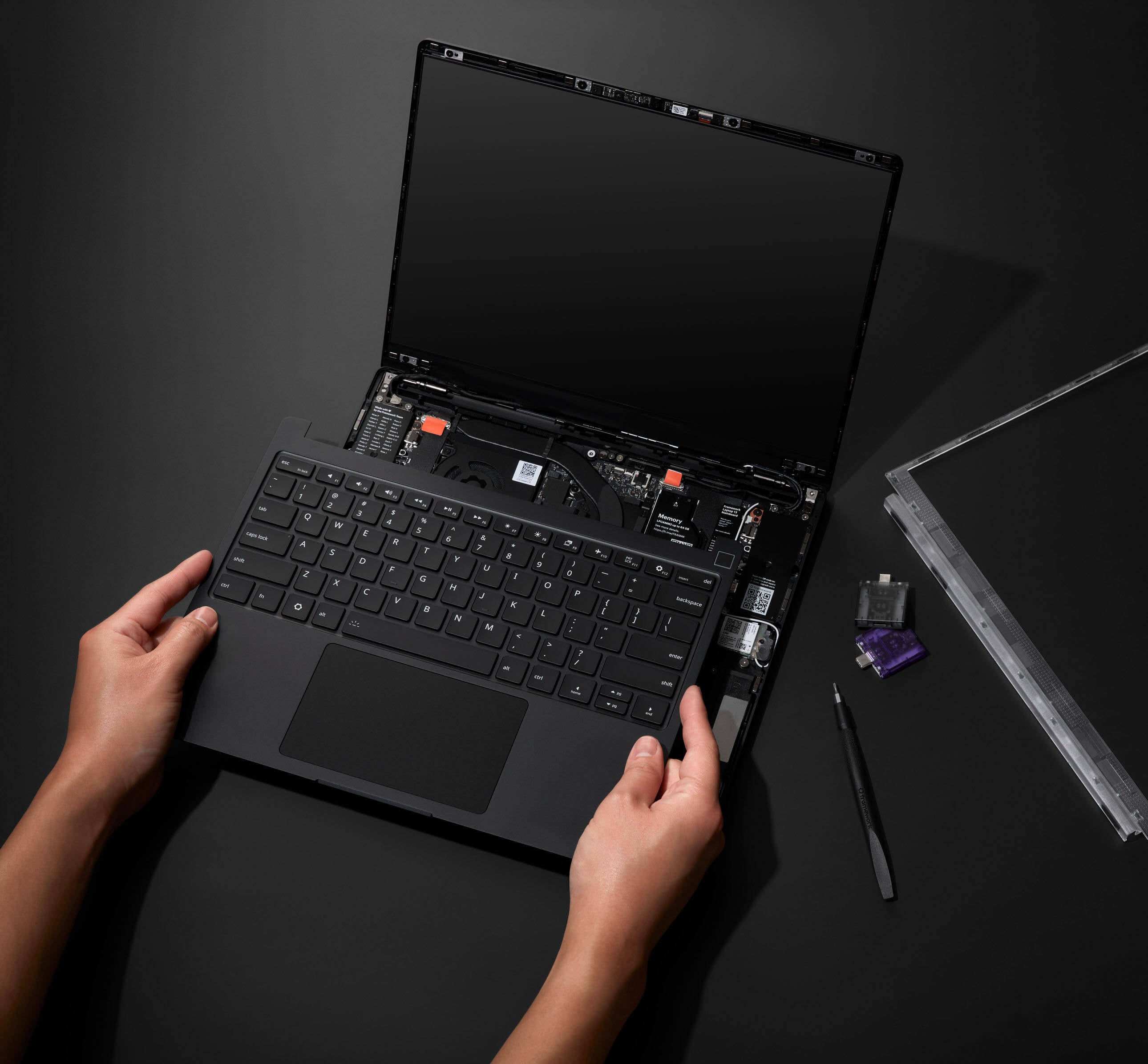
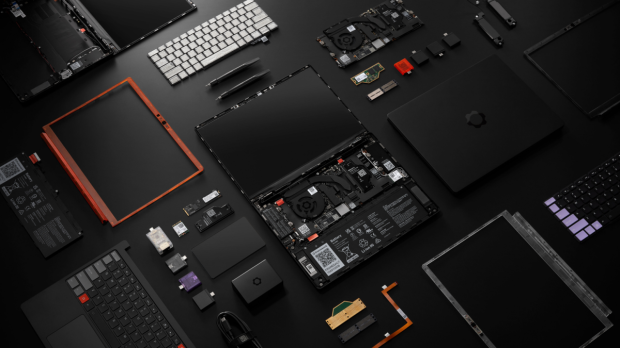
The industry-wide repairability movement creates immediate product opportunities. Lenovo's ThinkBook Modular Concept, Asus ROG Strix Scar 18 with toolless battery access, and HP's EliteBoard G1 with standard Phillips-head screws demonstrate that major OEMs are adopting Framework's design philosophy. iFixit awarded Lenovo's T14 and T16 Gen 5 perfect 10/10 repairability scores, signaling that repair-friendly laptops are becoming mainstream rather than niche. This shift generates demand for replacement components: the Framework Laptop 13 Pro features LPCAMM2 RAM (replacing soldered SO-DIMMs), custom 13.5-inch 3:2 displays with 2,880 x 1,920 resolution, haptic trackpads with four piezo elements, and modular IO ports—all components that require aftermarket suppliers and accessory sellers.
Supply chain resilience becomes a competitive advantage. Framework's CEO Nirav Patel noted that the company navigated RAM and storage shortages through established relationships with Micron, module makers, and distributors, while smaller manufacturers like Valve and Ayaneo faced exclusion. Operating at five-year scale with sufficient volume, Framework secures direct allocation without preferential pricing. For e-commerce sellers, this indicates that component availability will stabilize through 2025, enabling sellers to build inventory confidence for replacement parts, upgrade kits, and Linux-compatible accessories. The 74Wh battery (up from 61Wh), claiming 20 hours of Netflix 4K streaming, creates demand for protective cases, cooling pads, and power management accessories optimized for extended battery life.
Linux adoption acceleration opens software and bundle opportunities. Framework's Ubuntu Certified status and pre-installed Ubuntu option address growing consumer dissatisfaction with Windows 11's mandatory AI integrations and forced upgrades from Windows 10. The company targets frustrated Windows users, those locked into Windows 10 upgrade cycles, and Mac users seeking open-source alternatives with superior repairability. Sellers can capitalize on this shift by offering Linux software bundles, development tool packages, and open-source productivity suites as complementary products. The cross-generational compatibility (nearly all components compatible with 2021 first-generation models) creates a secondary market for legacy component upgrades and refurbished parts.
Questions 8
What replacement components and accessories can sellers source for modular laptops?
The Framework Laptop 13 Pro and competing modular designs create demand for: LPCAMM2 RAM modules with LPDDR5X support, custom 13.5-inch 3:2 displays (2,880 x 1,920 resolution), haptic trackpads with piezo elements, modular IO port modules, replacement batteries (74Wh capacity), protective cases optimized for aluminum chassis, cooling pads for thermal management, and proprietary screwdrivers for internal access. Additionally, sellers can bundle Linux software packages, development tools, and open-source productivity suites as complementary products. The cross-generational compatibility (components work with 2021 first-generation models) creates secondary market opportunities for legacy component upgrades and refurbished parts.
How does the 55% Linux adoption rate affect seller product strategy?
Framework's customer base showing 55% Linux adoption versus 45% Windows indicates a significant shift toward open-source computing among technically sophisticated buyers. This creates immediate opportunities for sellers to offer Linux-optimized accessories, development tool bundles, and open-source software packages as complementary products. The Ubuntu Certified status and pre-installed Ubuntu option address consumer dissatisfaction with Windows 11's mandatory AI integrations and forced upgrades from Windows 10. Sellers should prioritize Linux compatibility in product descriptions, develop Linux-specific accessory bundles, and consider offering dual-OS configuration guides. This trend is accelerating due to SteamOS and Proton making Windows gaming accessible on Linux, reducing traditional barriers keeping users locked into Windows.