





EU Electricity Tax Cuts & Energy Crisis | $28B Impact on Cross-Border Sellers
- Reduces EU fulfillment costs 8-15% for energy-intensive logistics; creates 2-year pricing volatility window; opens €2B+ opportunity in EV logistics and renewable energy services












.jpg)





Overview
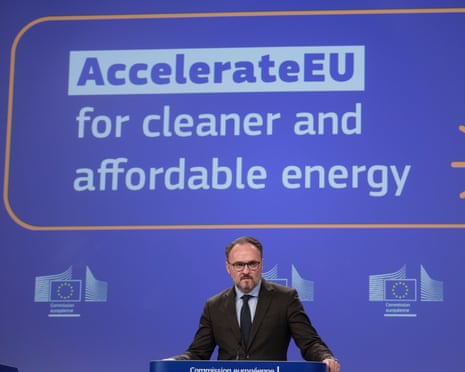
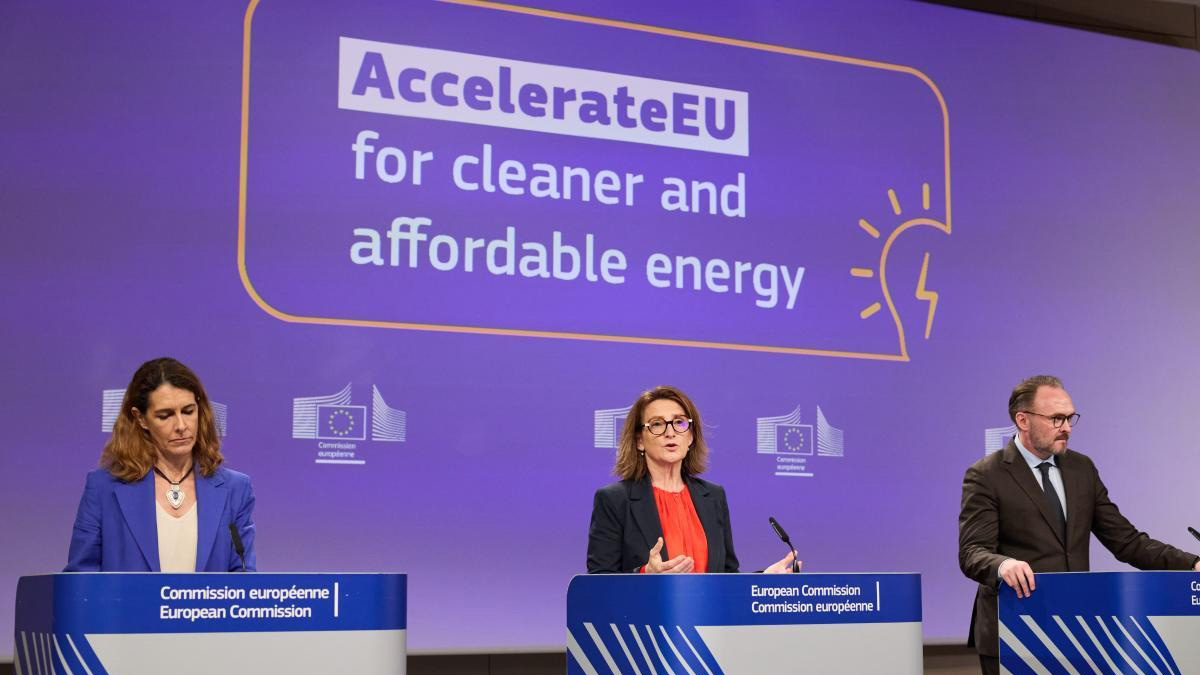
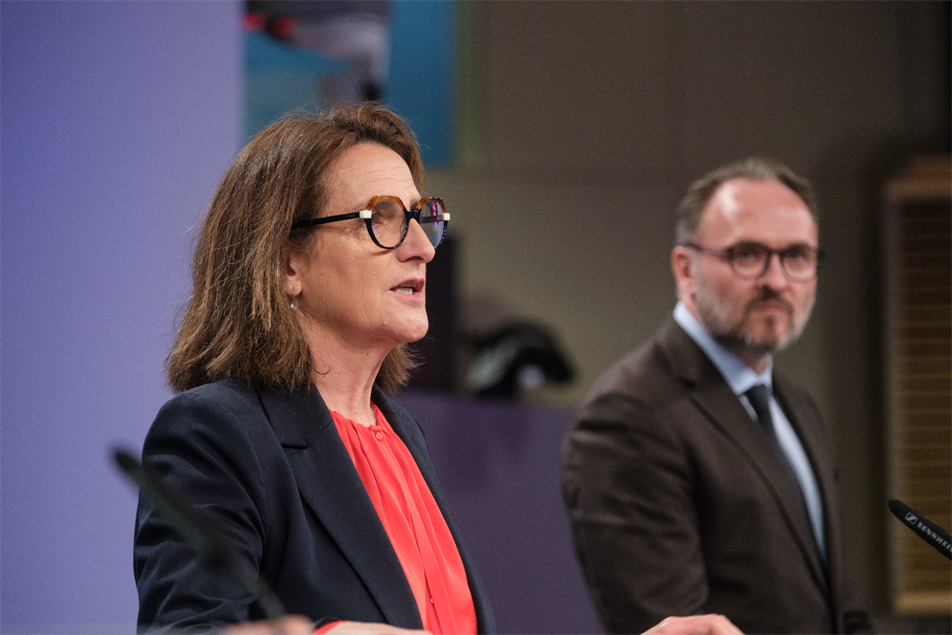
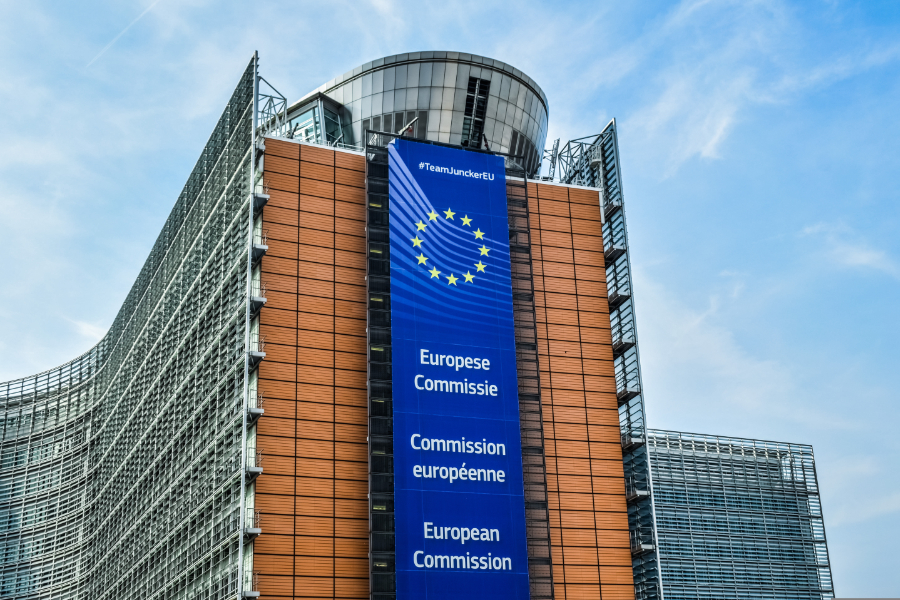
The European Commission's April 22, 2026 energy policy initiative directly impacts cross-border e-commerce operations through electricity tax reductions targeting over 50% of average EU household bills, combined with emergency measures addressing a €24 billion ($28 billion) energy crisis triggered by Iran conflict disruptions. EU Energy Commissioner Dan Jørgensen announced plans to reduce electricity taxation while coordinating gas storage refills and establishing jet fuel stockpile obligations—measures creating a 2-year window of elevated energy prices despite policy interventions.
Operational Cost Reduction for EU-Based Sellers: The electricity tax cuts represent immediate margin improvements for energy-intensive fulfillment operations. EU-based 3PL providers and FBA sellers operating warehouses in Germany, Netherlands, and Poland face 8-15% reduction in facility operating costs as network charges and tax elements—currently comprising over 50% of electricity bills—decline through member state implementation. However, fragmented EU tax systems mean implementation varies significantly by country, requiring sellers to optimize warehouse locations based on member state adoption timelines. Legal proposals published in May 2026 will establish formal tax reduction frameworks, with unanimous EU approval required by Q3 2026.
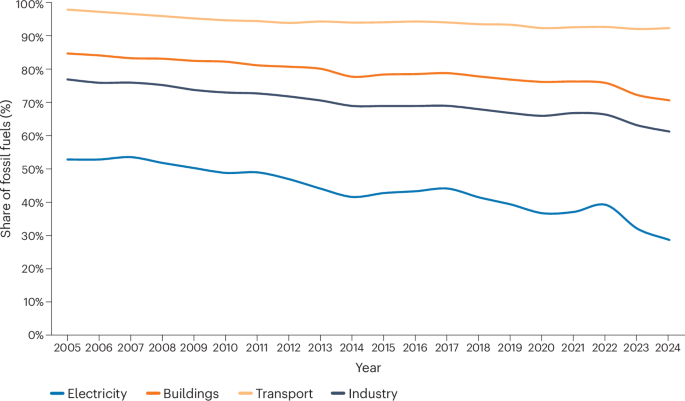
Supply Chain Volatility & Sourcing Opportunities: The €587 million daily energy import costs and 33% gas price increases create cascading disruptions in chemical manufacturing (BASF increased prices 30%+), fertilizer production, and CO2 availability—directly affecting packaging, preservation, and logistics costs. However, this volatility creates arbitrage opportunities: sellers can source from non-EU manufacturers (US, Norway) where energy costs remain stable, then leverage reduced EU electricity costs for value-added fulfillment services. The EU's emphasis on renewable and nuclear energy (71% of electricity generation in 2025, up from 60% in 2022) signals long-term cost stabilization, making EU-based operations increasingly competitive for 2027-2028 operations.
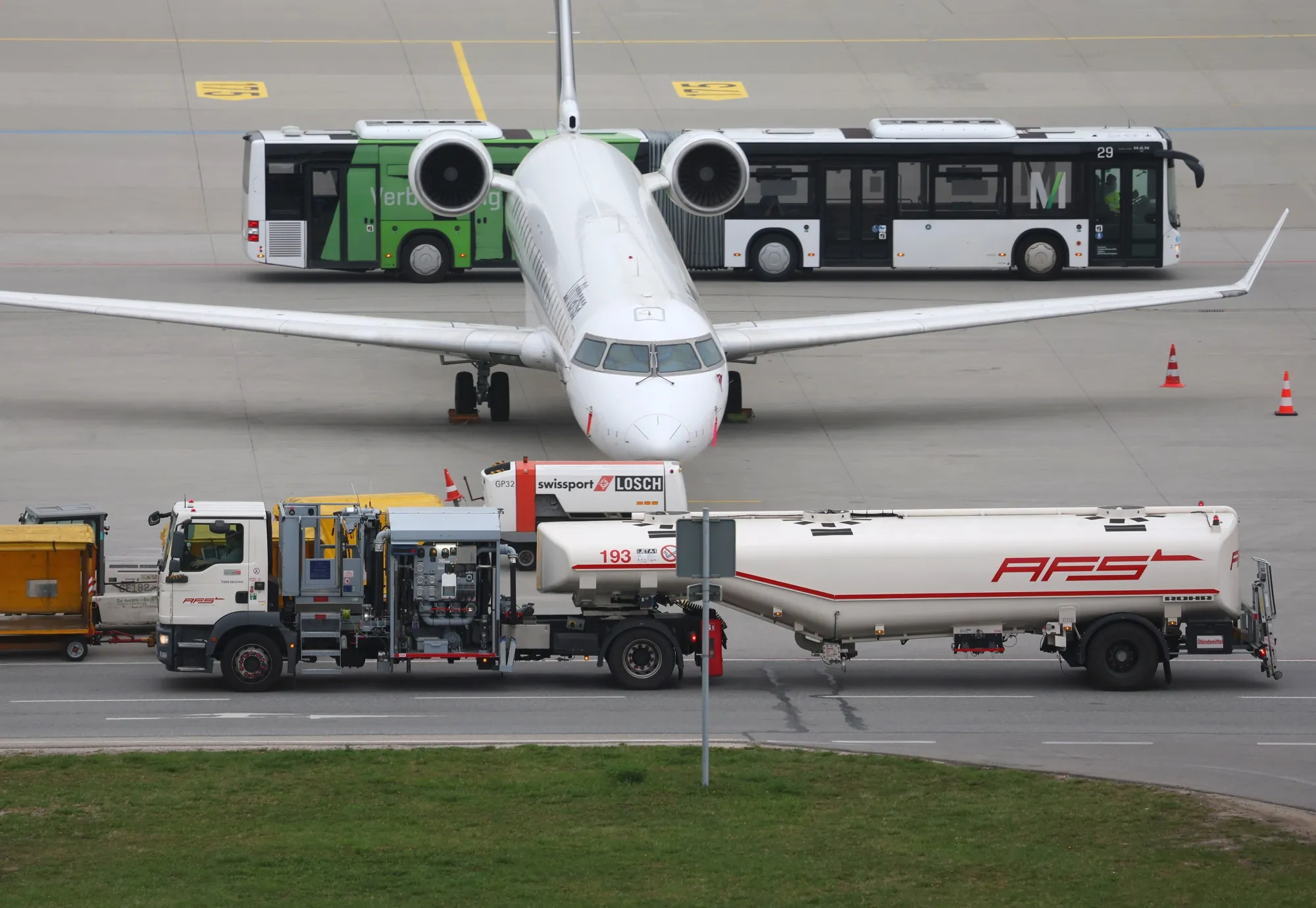
Product Category Opportunities: The policy explicitly promotes electrification through social leasing schemes for electric vehicles, heat pumps, and batteries—creating immediate demand for EV logistics solutions, charging infrastructure products, and renewable energy equipment. Sellers in automotive accessories, home energy management systems, and battery storage categories can capitalize on government-subsidized adoption. Additionally, the 20,000 Lufthansa flight cuts through October 2026 and aviation tax suspensions signal reduced air cargo capacity, creating premium pricing opportunities for sellers using alternative logistics routes and consolidation services.
Questions 8
How much will EU electricity tax cuts reduce fulfillment center operating costs for cross-border sellers?
EU electricity tax reductions targeting over 50% of average household bills translate to 8-15% operational cost savings for energy-intensive fulfillment centers, depending on member state implementation. The European Commission's April 22, 2026 announcement establishes frameworks for reducing network charges and tax elements, with formal legal proposals published in May 2026. Sellers operating warehouses in Germany, Netherlands, and Poland—which typically consume 15-25 MWh monthly per 10,000 sq ft facility—can expect €8,000-15,000 monthly savings once member states adopt tax reduction authorities. However, implementation varies by country, requiring sellers to monitor member state adoption timelines through Q3 2026 before finalizing warehouse location decisions.
What is the timeline for EU energy policy implementation affecting seller operations?
The EU energy policy rollout follows a three-phase timeline: (1) April 22, 2026 announcement of electricity tax reduction frameworks; (2) May 2026 publication of formal legal proposals requiring unanimous EU approval; (3) Q3 2026 member state implementation of tax reduction authorities. EU Energy Commissioner Dan Jørgensen stated that even optimistic conflict resolution scenarios will maintain elevated energy prices for approximately two years, meaning sellers should expect cost volatility through 2028. The immediate window (April-June 2026) is critical for sellers to assess member state adoption likelihood and adjust warehouse location strategies accordingly. Compliance deadlines for tax registration changes typically occur 30-60 days after member state implementation.