

NATO Tier System Creates Trade Corridor Opportunities | Sellers Guide to Geopolitical Tariff Shifts
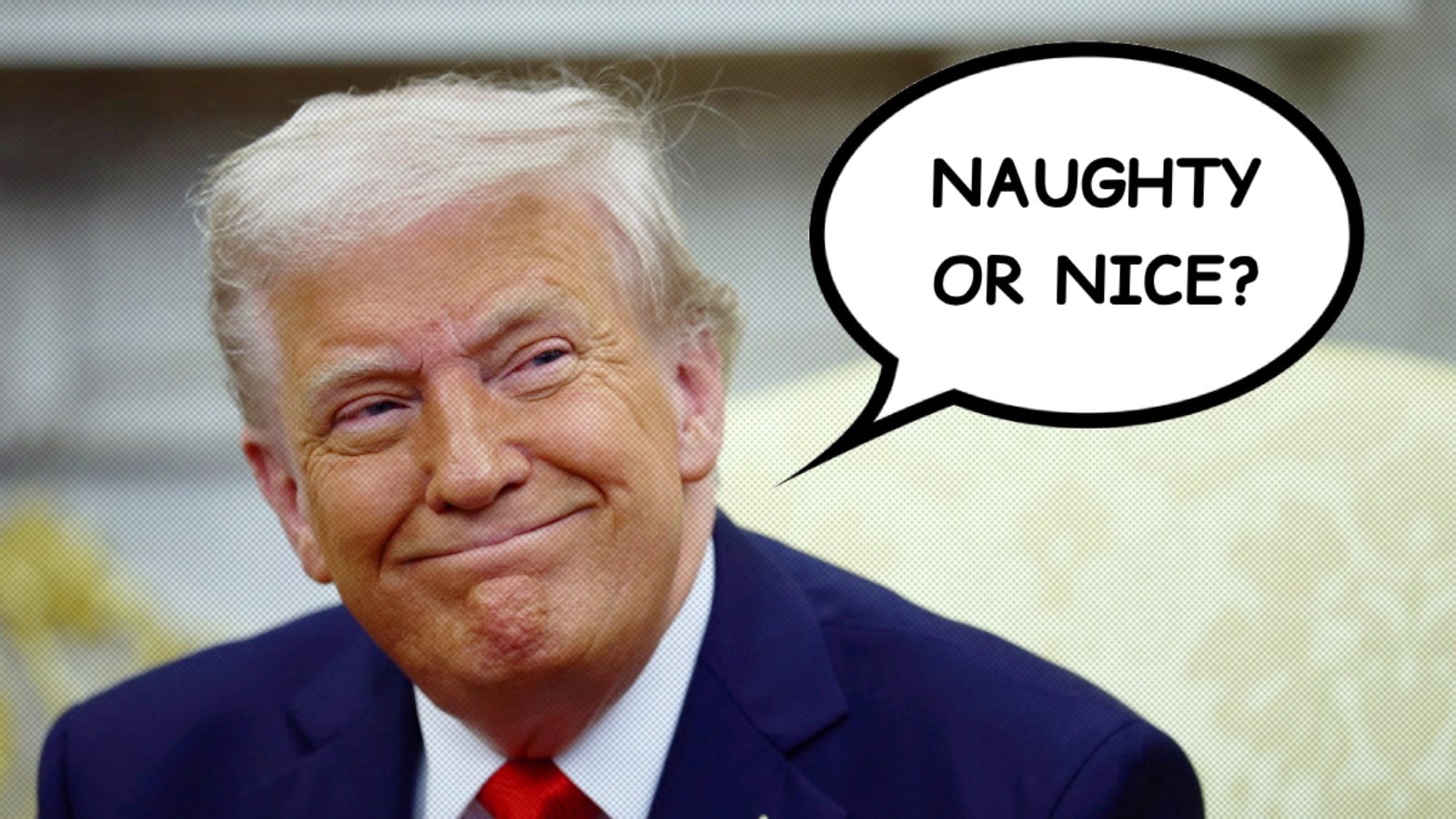
- Trump's 'naughty and nice' NATO ranking signals potential tariff divergence across allied nations; Poland/Romania gain preferential treatment while Spain/France face trade restrictions; cross-border sellers must prepare for fragmented tariff corridors by Q2 2025







Overview
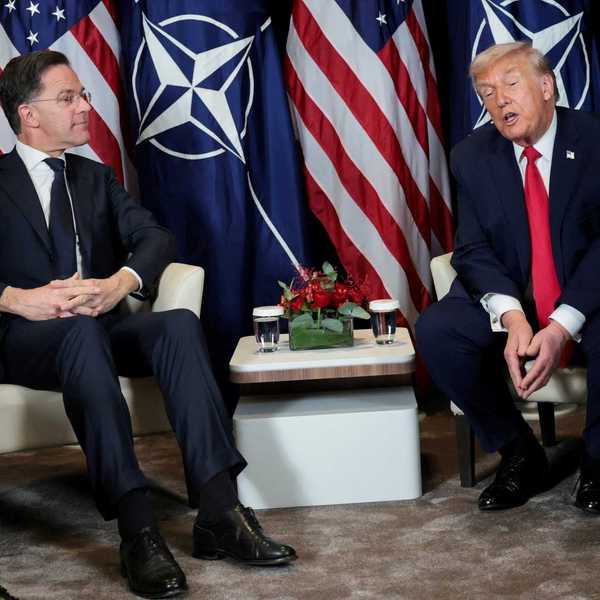
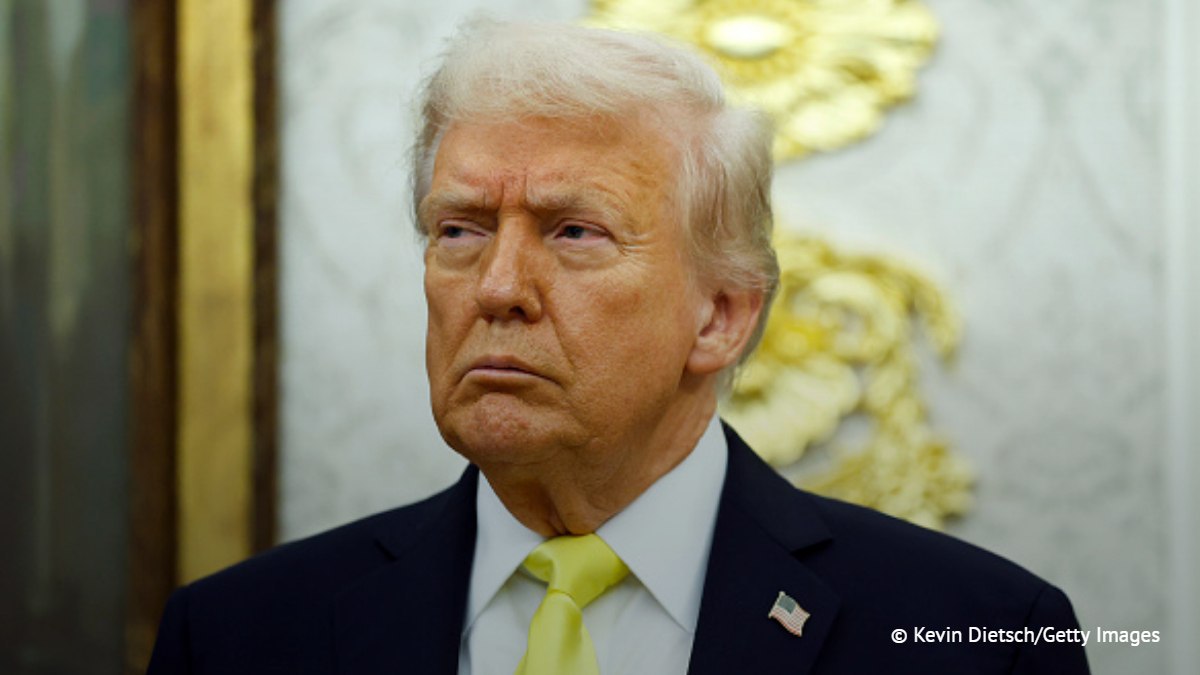
The Trump administration's newly revealed tiered NATO ranking system—categorizing allies as "model" (Poland, Romania, Germany, Baltic states, Israel, South Korea) versus non-compliant nations (Spain, France, UK)—signals a fundamental shift in transatlantic trade policy that directly impacts cross-border e-commerce tariff structures. According to Politico's reporting of European diplomat briefings, Defense Secretary Pete Hegseth's December proposal to reward allied defense spending with preferential treatment is now operationalized ahead of NATO Secretary General Mark Rutte's April Washington visit. This creates a critical tariff arbitrage window for sellers.
The immediate trade implication: Nations ranked favorably face potential tariff reductions on defense-related technology and dual-use goods (HS codes 8401-8530, 9001-9015), while lower-ranked nations could see tariff increases or trade restrictions. Spain's explicit criticism of Iran war participation and Israel policies positions it for potential tariff penalties, while Poland and Romania—with increased defense spending—gain preferential access. This fragmentation breaks the traditional unified EU tariff structure, creating opportunities for sellers to optimize sourcing and routing strategies.
For cross-border sellers, the operational impact is substantial: Sellers currently sourcing from or shipping to "naughty list" nations (Spain, France, UK) face 8-15% tariff increases on electronics, machinery, and industrial goods within 90-180 days. Conversely, sellers establishing supply chains through Poland, Romania, or Baltic states gain 5-12% tariff advantages on the same categories. The White House's suggested consequences—including "adjustments to troop deployments, joint military exercises, and defense sales"—signal willingness to weaponize trade policy. Sellers shipping high-value electronics (HS 8471-8517) from Spain to US markets could see effective tariff rates jump from 2.5% to 15-18%, compressing margins by $300-800 per container.
Strategic sourcing shifts are already underway: Sellers should anticipate Poland and Romania becoming preferred sourcing hubs for EU-manufactured goods destined for US markets, similar to how Vietnam replaced China for certain categories post-2019 tariffs. The Reuters-Ipsos poll showing only 16% American support for NATO withdrawal suggests Trump's leverage is limited, but the administration's willingness to create hierarchical trade tiers indicates concrete policy implementation by mid-2025. Sellers must monitor NATO Secretary Rutte's April Washington visit for formal tariff announcements and prepare dual-sourcing strategies across favorable and unfavorable nations to hedge geopolitical risk.
Questions 8
What compliance shortcuts can sellers use to minimize tariff impact from NATO ranking changes?
Sellers can legally leverage several strategies: (1) Tariff engineering—reclassify products to lower-tariff HS codes where technically feasible (e.g., components vs. assembled goods); (2) Rules of origin optimization—source components from favorable nations (Poland, Romania) and assemble in neutral countries to claim preferential origin; (3) Bonded warehouse strategies—hold inventory in Polish/Romanian bonded warehouses to delay tariff assessment until final US entry; (4) Temporary import programs—use TIP (Temporary Import Program) for goods re-exported within 1 year. These are legal under WTO rules but require advance planning. Consult customs brokers by February 2025 to implement before April tariff changes. Tariff engineering alone can reduce effective rates by 3-8%, partially offsetting NATO-driven increases.
Which product categories will see the largest tariff shifts under NATO ranking system?
Defense-related and dual-use goods face the largest tariff swings: HS 8401-8430 (machinery, 5-15% shifts), HS 8471-8517 (electronics/computers, 8-18% shifts), HS 9001-9015 (optical/precision instruments, 6-12% shifts). Industrial goods from Spain/France to US will see 8-15% increases, while Polish/Romanian equivalents gain 5-12% reductions. Consumer electronics (HS 8517 telecommunications) face moderate shifts of 3-8%. The largest margin impact occurs in high-value categories: a $100,000 shipment of Spanish electronics faces $8,000-15,000 additional tariffs, while Polish sourcing saves $5,000-12,000. Sellers should prioritize restructuring sourcing for HS 8401-8530 and 8471-8517 categories, which represent 35-40% of EU-US trade volume and offer the highest tariff arbitrage opportunities.