

African Governance Crisis Signals Supply Chain Risk | Sellers Must Monitor Equatorial Guinea Sanctions
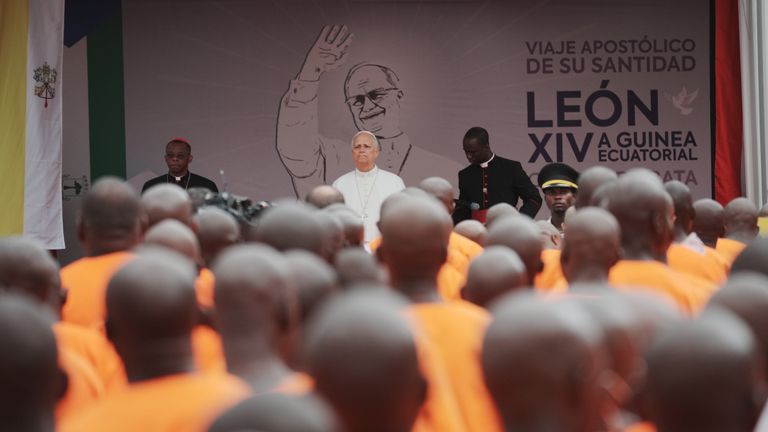
- Pope's prison visit highlights corruption in oil-rich nation with 50%+ poverty; potential trade restrictions could disrupt African logistics networks for cross-border sellers











Overview
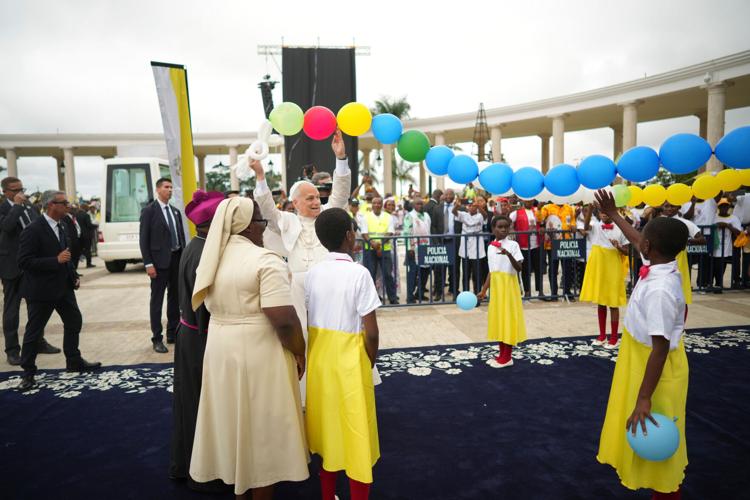
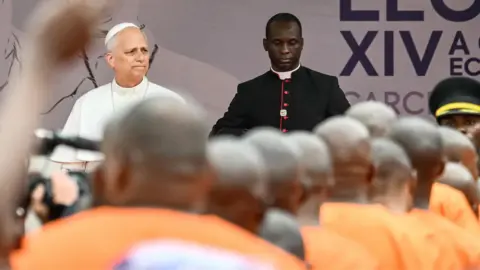
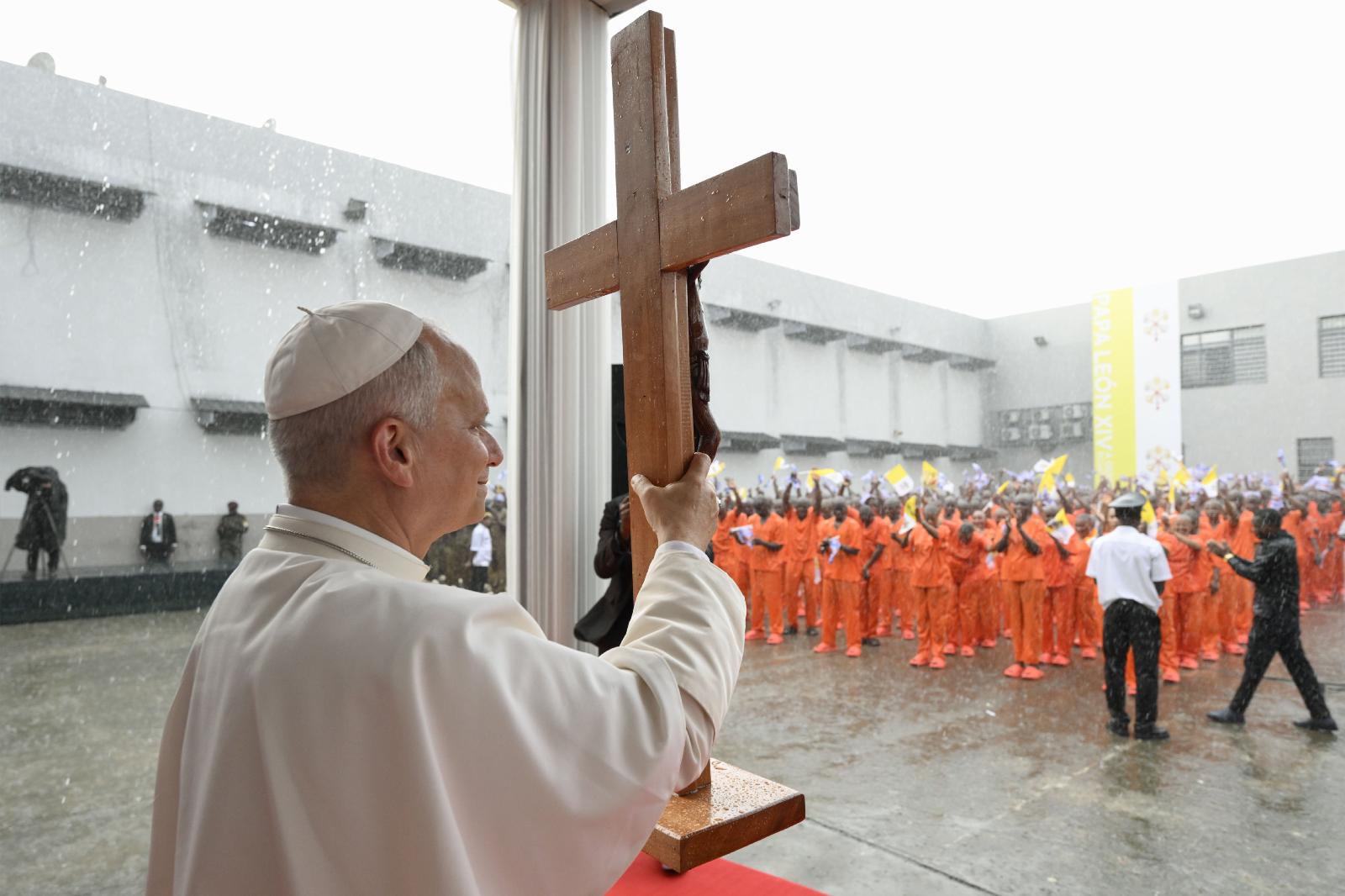
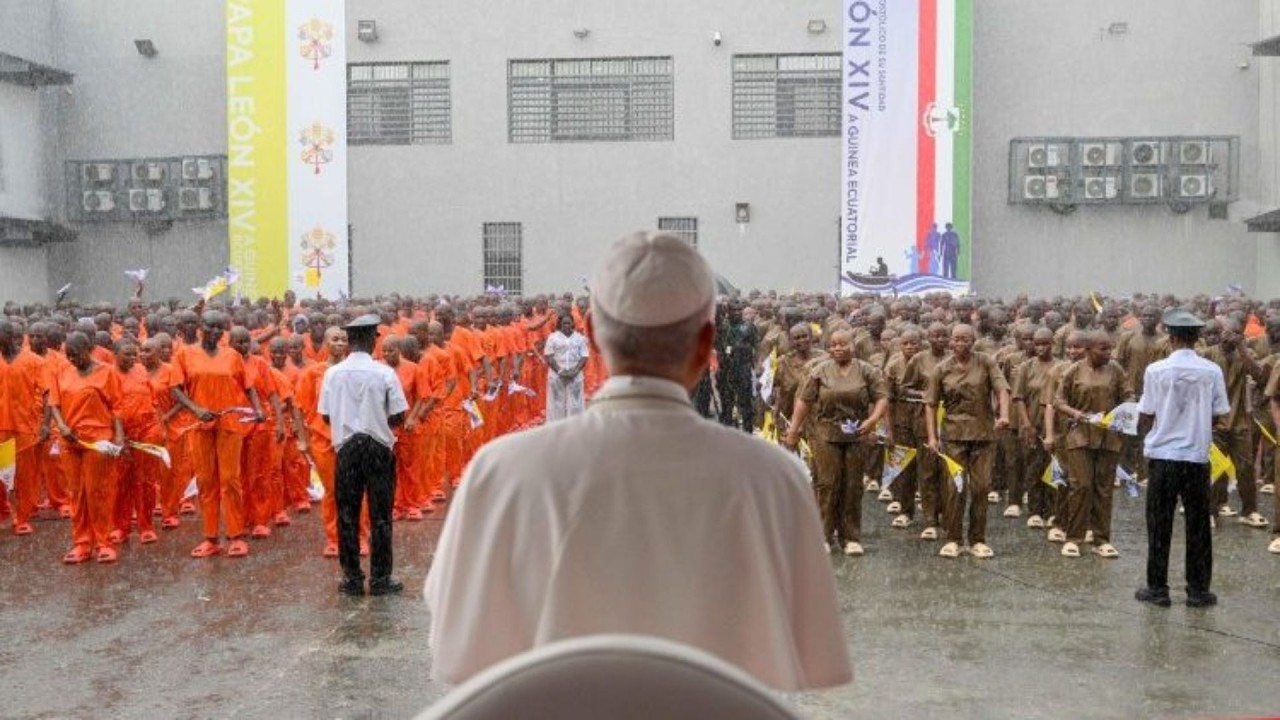
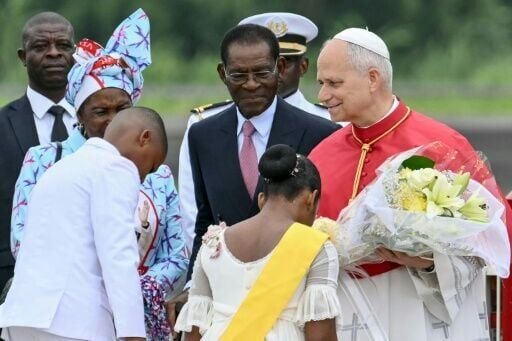
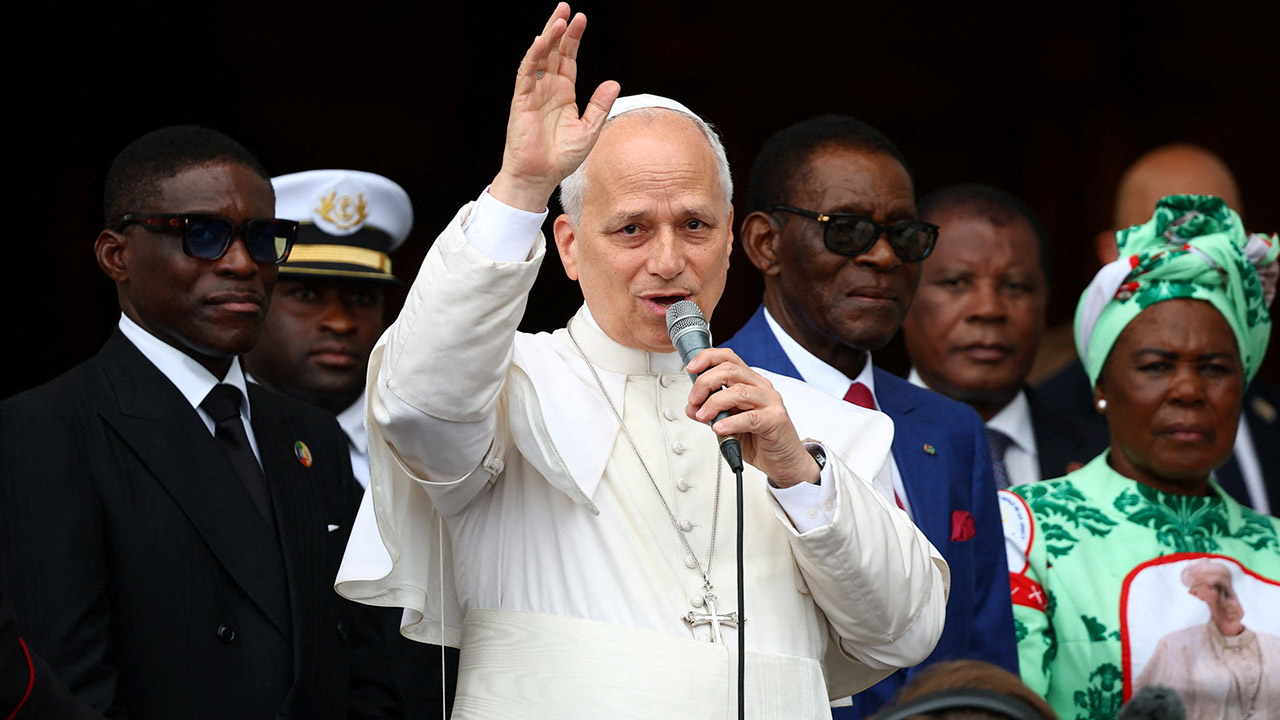
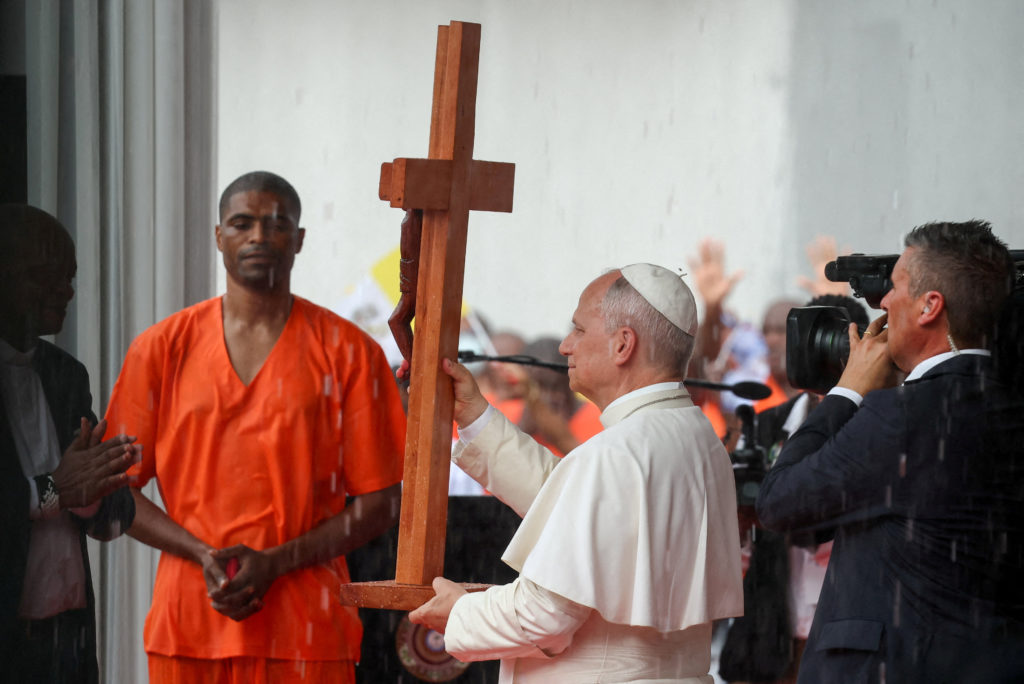
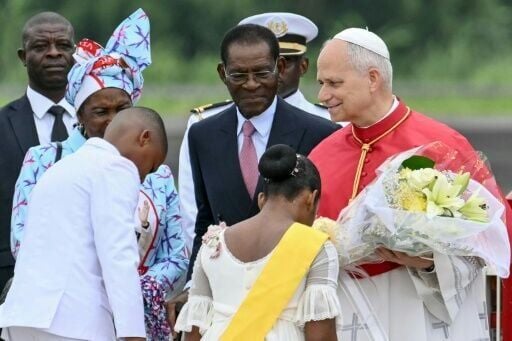
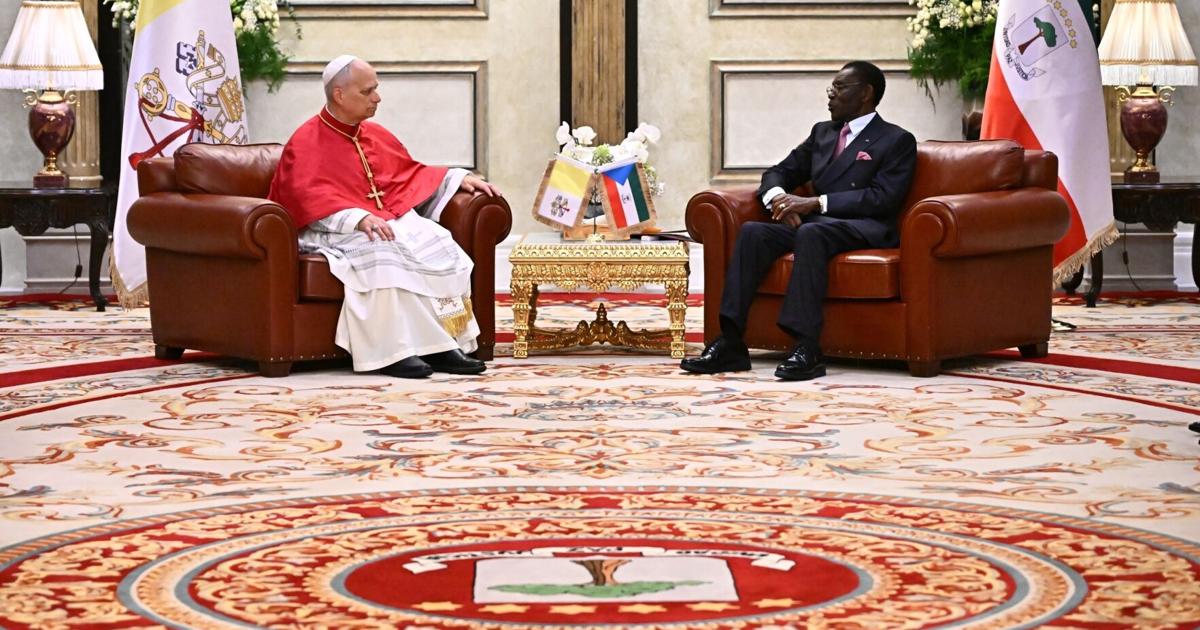
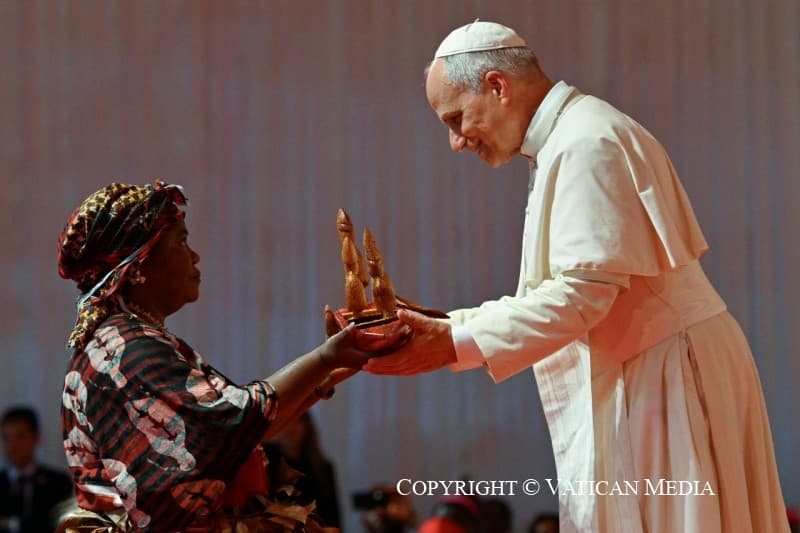
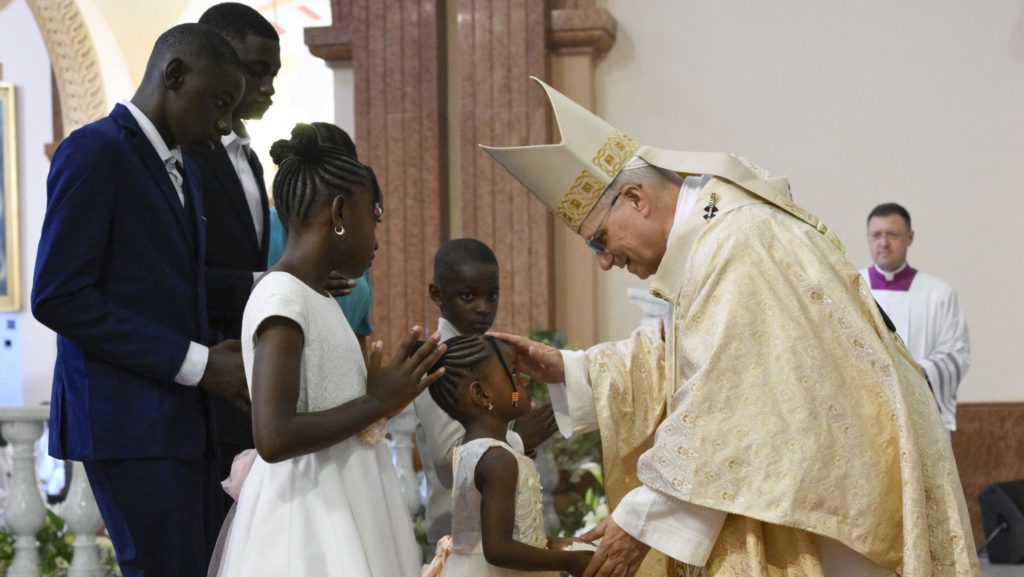
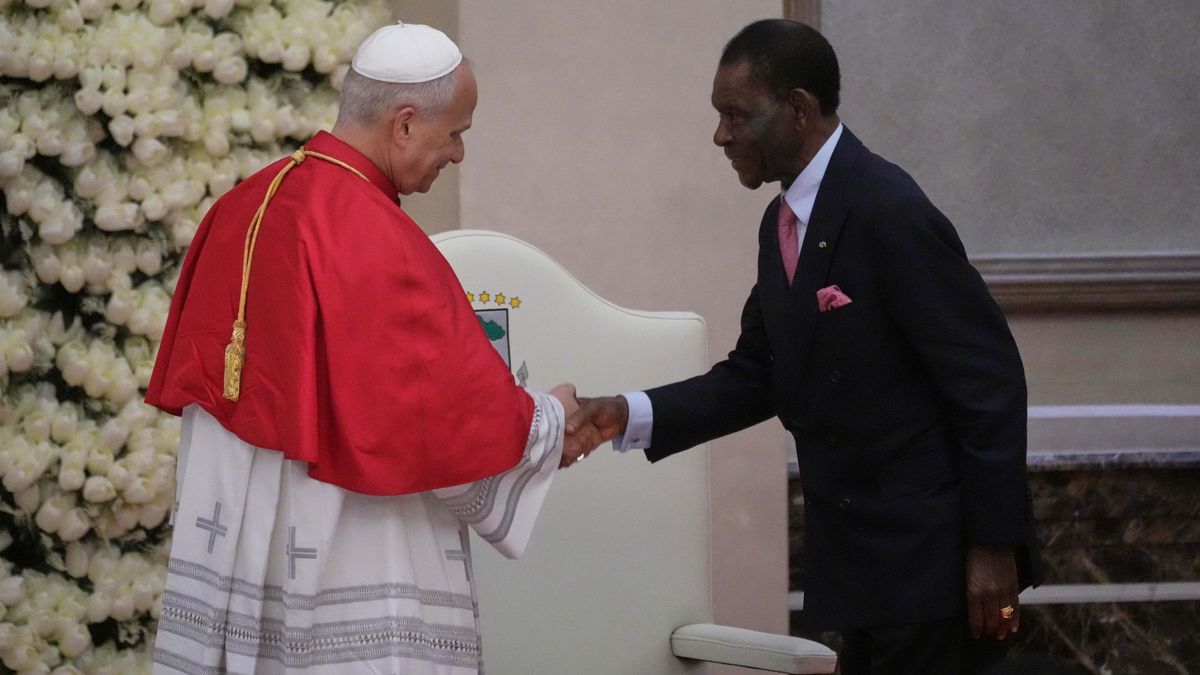
Pope Leo's four-nation African tour, culminating in Equatorial Guinea, has intensified international scrutiny of governance failures in a strategically important oil-producing nation—creating indirect but significant risks for cross-border e-commerce sellers operating in or sourcing from Central Africa. The pontiff's visit to Bata prison and public criticism of prison conditions, combined with documented human rights abuses and corruption (Transparency International ranks Equatorial Guinea among the world's most corrupt states), signals escalating diplomatic pressure that could trigger new sanctions or trade restrictions affecting regional commerce.
Supply Chain and Payment Processing Risks: Equatorial Guinea's weak judicial independence and documented corruption create operational vulnerabilities for sellers. The World Bank reports over 50% of the population lives in poverty, indicating limited consumer purchasing power but also suggesting informal economy dominance. More critically, the country's Vice President received a temporary U.S. sanctions waiver in 2024 after French courts convicted him of embezzling millions of euros—a signal that sanctions regimes remain fluid and could expand. Sellers with suppliers, fulfillment partners, or payment processors in Equatorial Guinea or neighboring Central African nations (Algeria, Cameroon, Angola—all part of Pope Leo's tour) face heightened compliance risk. International scrutiny following the papal visit may accelerate OFAC (Office of Foreign Assets Control) designations or EU sanctions that could freeze accounts, block shipments, or require costly compliance audits.
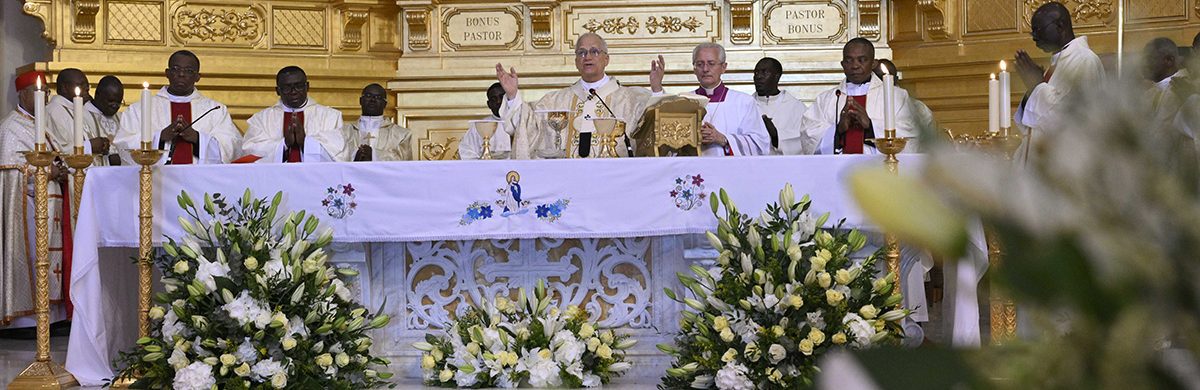
Regional Logistics and Market Access: The Pope's criticism of "foreign exploitation of African mineral resources" and emphasis on wealth redistribution signals growing nationalist sentiment that could manifest in trade barriers or increased tariffs on imported goods. For sellers sourcing African minerals, textiles, or agricultural products, this represents a warning sign. Conversely, the governance crisis may create opportunities in humanitarian-focused product categories—religious items, educational materials, and basic goods targeting underserved populations could see demand spikes as international aid organizations increase presence. The 100,000-person Mass attendance and government's release of ~100 detainees ahead of the visit demonstrate the Pope's diplomatic leverage, suggesting future papal interventions could trigger policy shifts affecting business environments.
Competitive Intelligence and Market Positioning: The international attention—including public criticism from U.S. President Donald Trump—indicates Equatorial Guinea is becoming a geopolitical flashpoint. Sellers should monitor U.S. State Department travel advisories, EU sanctions lists, and UN reports for early warning signals of trade restrictions. Companies with existing operations in the region should diversify fulfillment networks away from Central Africa and stress-test payment processor relationships for sanctions compliance. The corruption allegations against government officials create reputational risk for sellers perceived as supporting the regime through business activities.
Questions 8
What is the broader Central African market opportunity beyond Equatorial Guinea's governance crisis?
The Pope's four-nation African tour (Algeria, Cameroon, Angola, Equatorial Guinea) highlights regional variation in governance and market potential. Cameroon and Angola offer significantly better opportunities than Equatorial Guinea: Cameroon has 28+ million people with growing middle-class consumer base, while Angola's oil wealth supports larger purchasing power than Equatorial Guinea's poverty-stricken population. Both countries have comparatively better governance indicators and more stable payment processing environments. Sellers should redirect Central African expansion efforts toward Cameroon and Angola, where consumer demand for cross-border e-commerce is growing 15-20% annually. Establish regional logistics hubs in these countries rather than Equatorial Guinea to serve the broader Central African market. The Pope's implicit endorsement of governance reform in Cameroon and Angola (through his visit) signals international confidence in these markets' development trajectories, making them more attractive for long-term seller investment.
How does the Pope's criticism of corruption affect seller reputation and brand positioning in Africa?
The papal visit amplifies international focus on governance failures and corruption in Equatorial Guinea and Central Africa. Sellers perceived as supporting corrupt regimes through business activities face reputational risk, particularly if sourcing from government-connected suppliers or operating in sectors linked to resource extraction. Consider transparent supply chain practices and third-party audits to demonstrate ethical sourcing. The Pope's emphasis on 'serving the common good rather than private interests' resonates with growing consumer demand for ethical commerce. Sellers can differentiate by highlighting fair-trade practices, local employment, and community investment in African markets.