



Germany's €100B Military Expansion | Supply Chain & Logistics Opportunities for Cross-Border Sellers
- €100 billion defense fund drives 460,000-troop expansion through 2039; creates procurement demand for industrial goods, logistics services, and tech solutions across EU supply chains







Overview
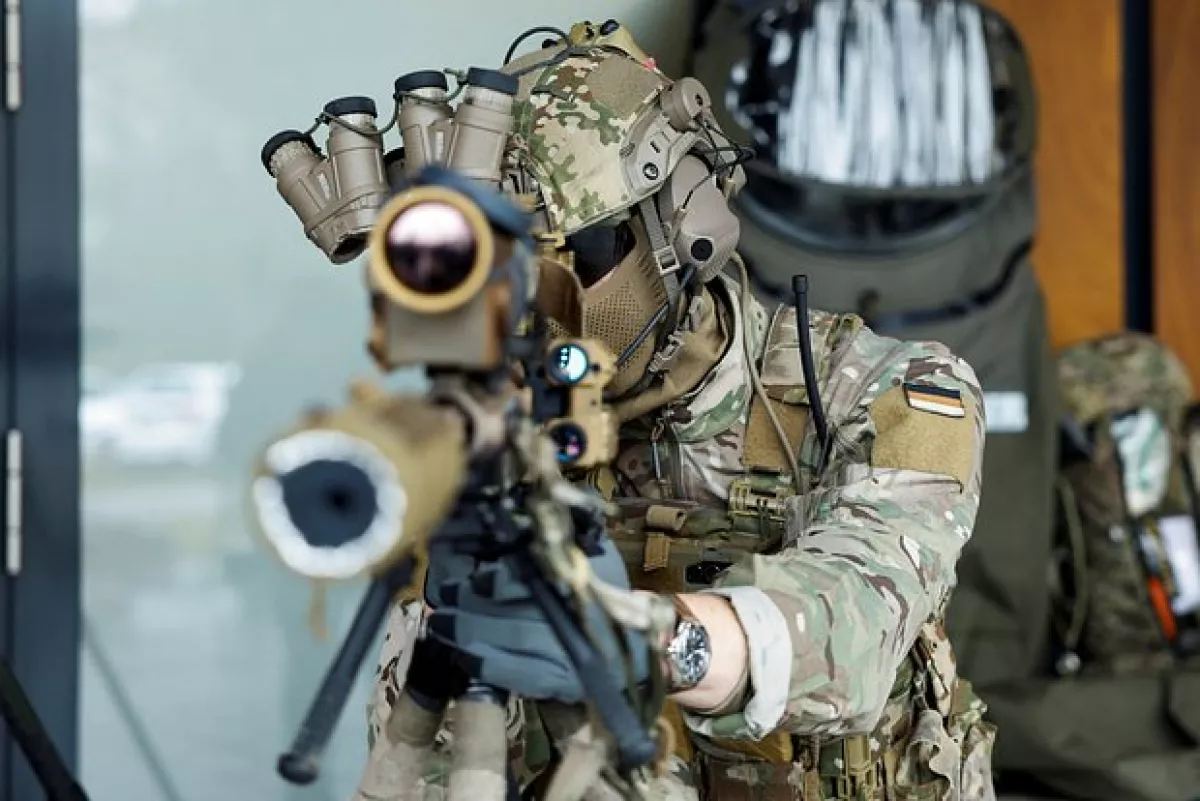
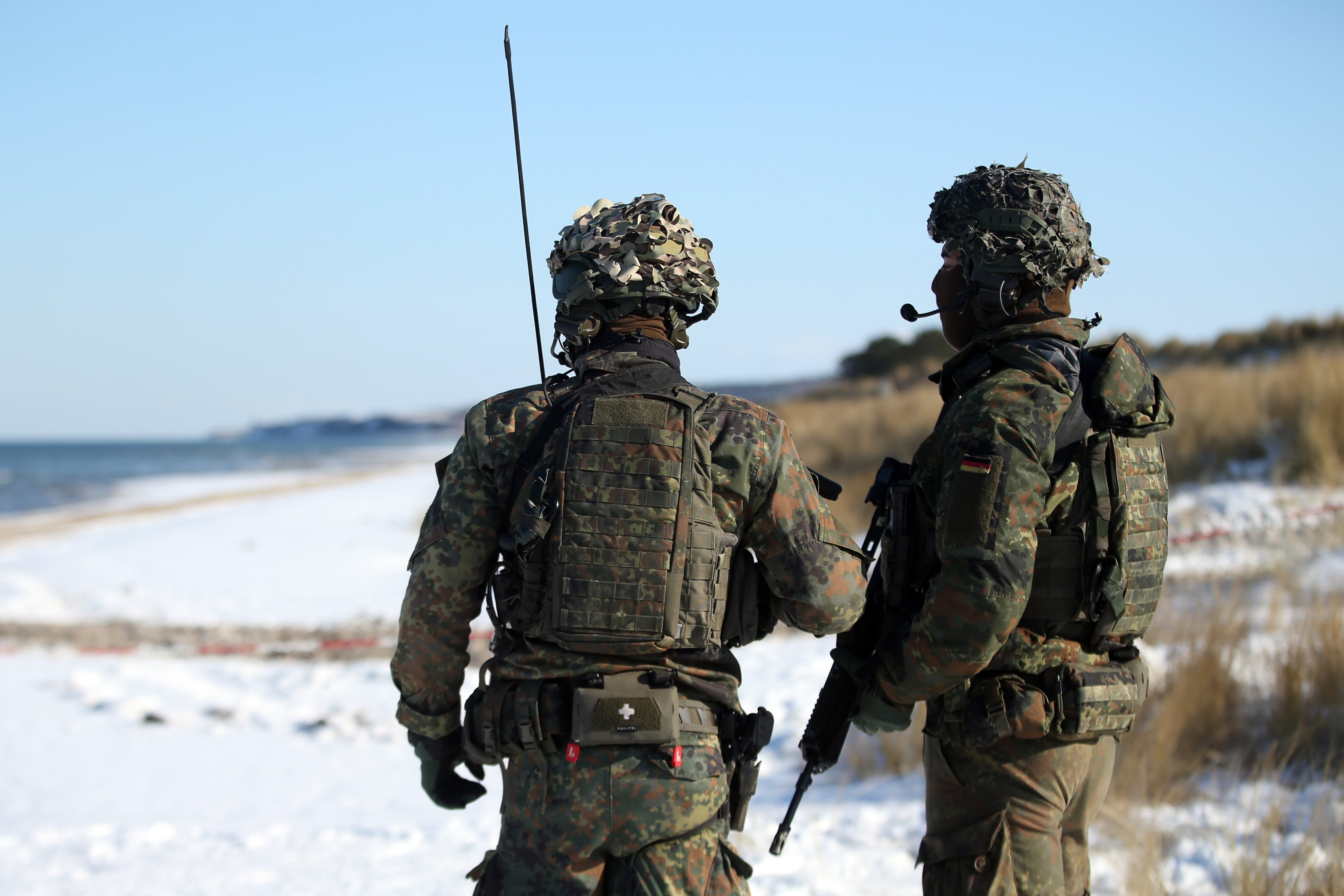
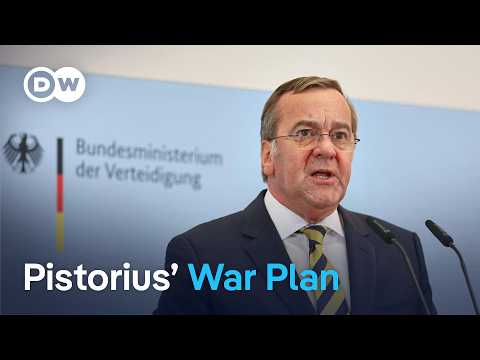
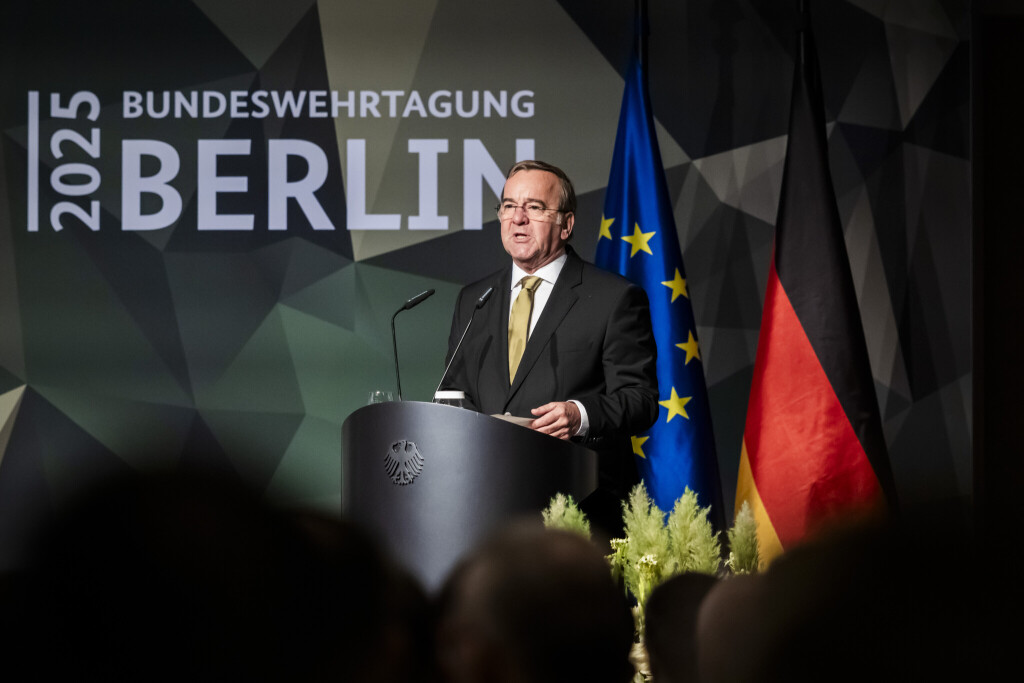
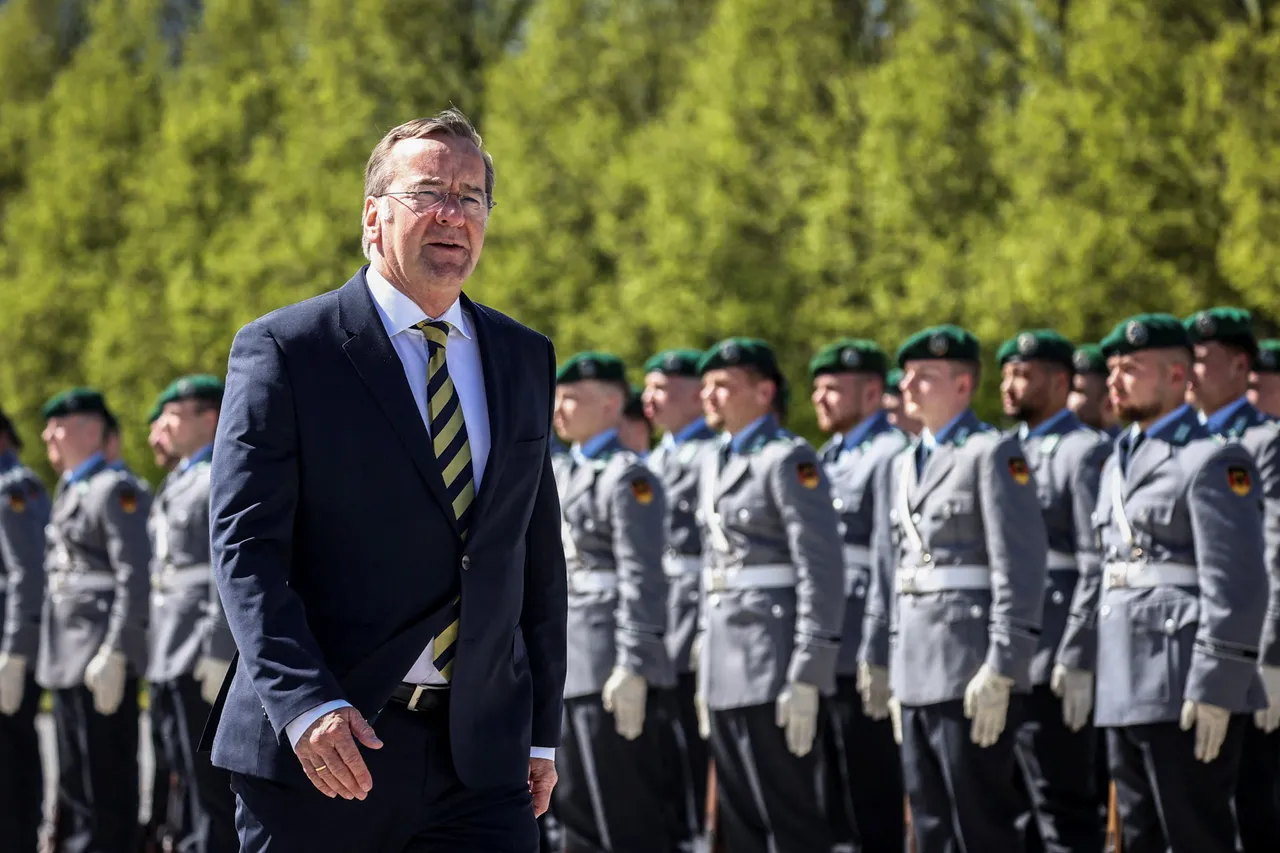
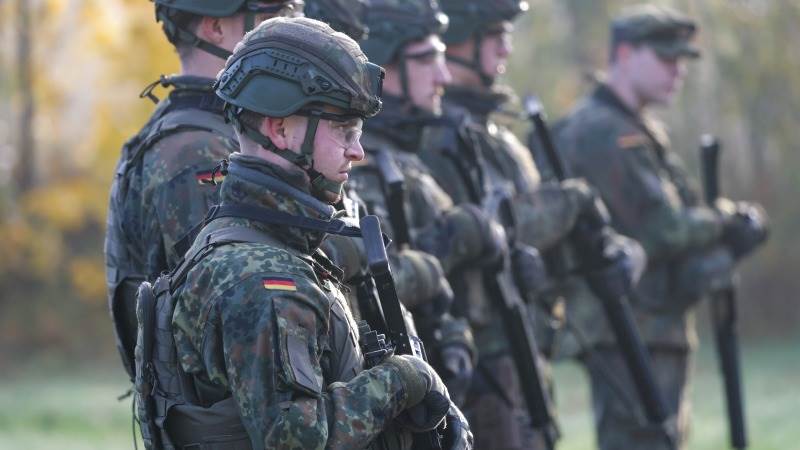
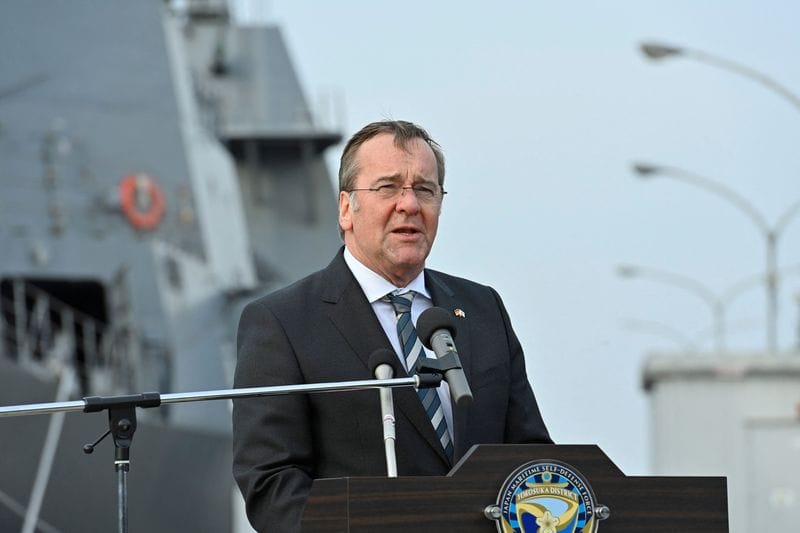
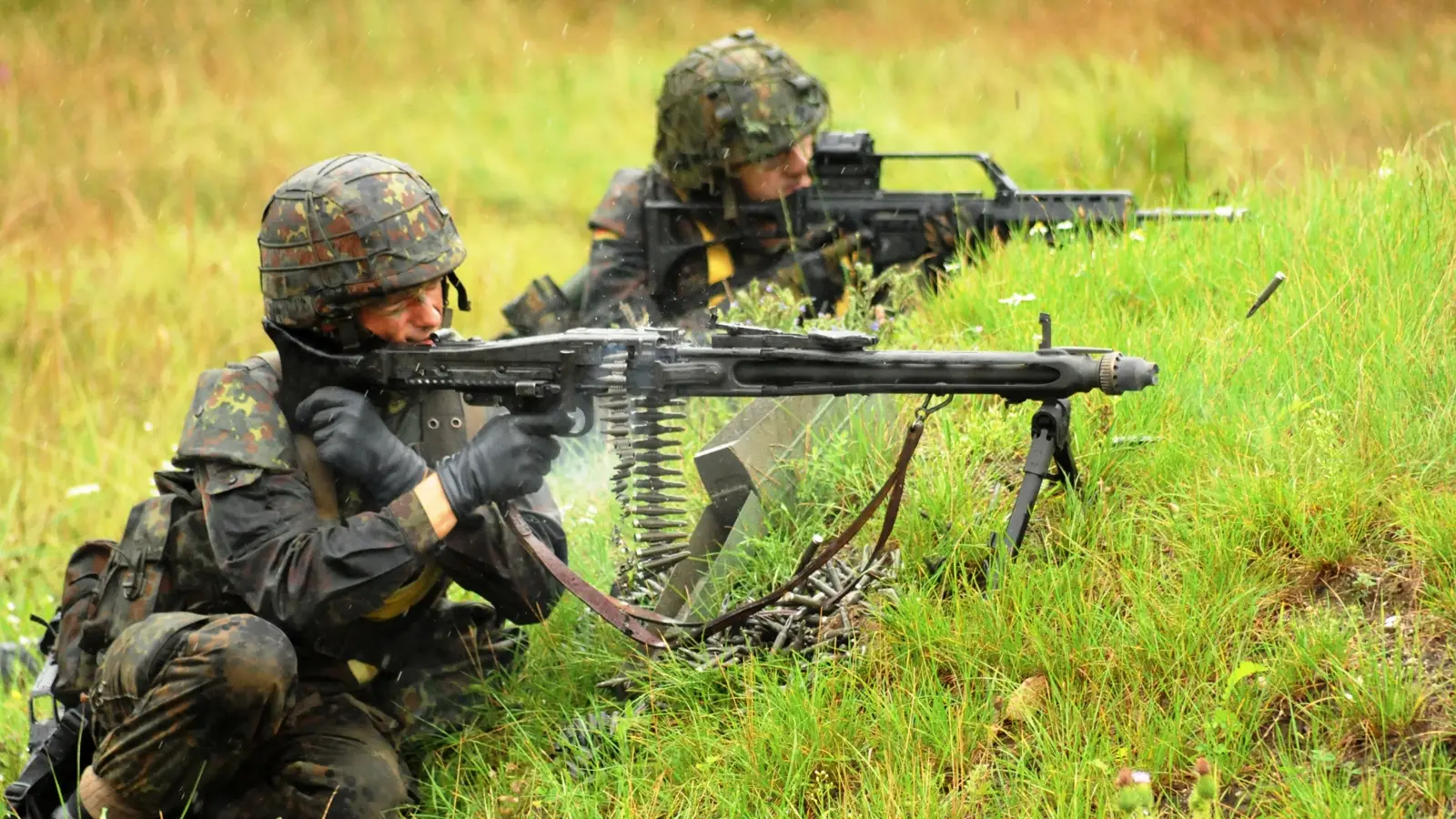
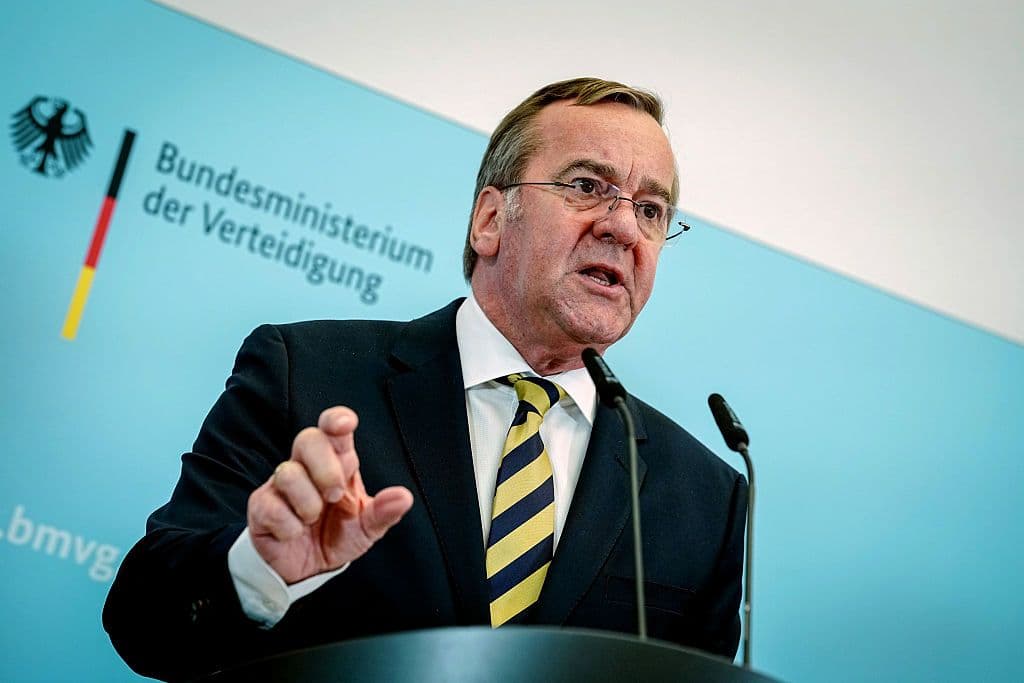
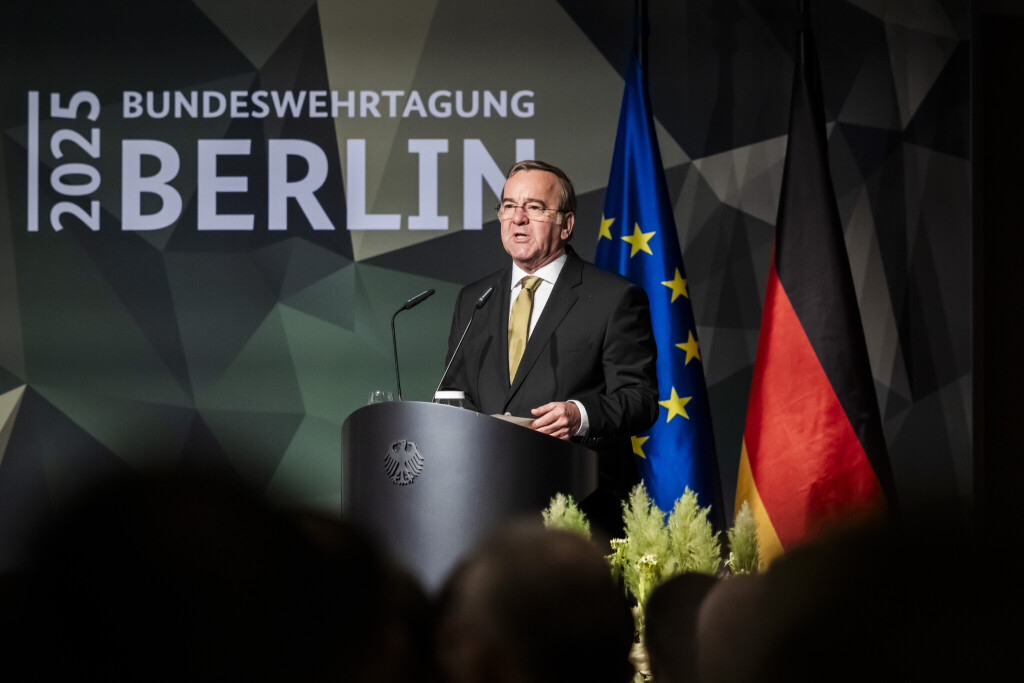
Germany's comprehensive military modernization strategy announced April 22, 2026, represents a €100 billion macroeconomic shift with significant indirect implications for cross-border e-commerce sellers. Defense Minister Boris Pistorius unveiled plans to expand the Bundeswehr from 185,420 to 260,000 active-duty personnel by the mid-2030s, with reserve forces growing from 60,000 to 200,000, creating a combined 460,000-troop force by 2039. This three-phase expansion (rapid buildup through 2029, capability expansion through 2035, technology-driven development through 2039) triggers cascading procurement demand across industrial supply chains, logistics networks, and technology sectors.
Supply Chain & Logistics Impact: The strategy explicitly acknowledges supply chain compression, noting that "surging Middle Eastern demand for air defense systems has compressed global production capacity." This signals tightening availability and rising costs for industrial components, electronics, and specialized equipment—categories where cross-border sellers source heavily. Germany's €100 billion special defense fund (enacted January 2026) and accelerated procurement reforms create immediate demand spikes for manufacturing-adjacent products: industrial fasteners, electronics components, precision instruments, and logistics services. The reserve force repositioning as a "logistics hub for allied forces moving eastward" indicates infrastructure investment in transportation, warehousing, and supply chain digitization—sectors where sellers can identify emerging demand.
Workforce & Consumer Behavior Shift: The 20% increase in military recruitment applications and 10% acceleration in recruitment metrics reflect a fundamental cultural shift in German society toward military service and national defense. This demographic reallocation (pulling 75,000+ workers into military roles through 2039) reduces civilian labor availability, increasing wages and operational costs for German-based sellers and 3PL providers. The Economist's coverage emphasizes changing public sentiment—a passenger thanking a Bundeswehr officer on a flight represents normalized military identity, signaling potential demand for military-adjacent merchandise (tactical apparel, outdoor gear, patriotic collectibles) and professional services targeting this demographic.
Technology & Digitization Opportunity: The EMA26 modernization agenda includes 153 concrete measures and 580 implementation steps to "reduce bureaucracy, digitize workflows, and deploy artificial intelligence in administrative tasks." This represents a €5-10 billion estimated digitization spend (based on typical defense modernization ratios), creating procurement opportunities for software, cloud services, AI solutions, and enterprise systems. Sellers offering B2B SaaS, logistics optimization tools, and supply chain visibility platforms can target German defense contractors and their supply chain partners.
Geopolitical Reallocation & Market Shifts: The strategy's emphasis on "less America, more Europe" signals European supply chain consolidation and reduced reliance on U.S. military-industrial suppliers. This creates opportunities for EU-based sellers to capture market share in defense-adjacent categories (industrial goods, electronics, logistics services) previously dominated by American suppliers. The Indo-Pacific and Middle East inclusion in NATO's interconnected security framework suggests increased demand for products supporting rapid deployment logistics and international supply chain resilience.
Questions 8
How can sellers access Germany's defense procurement opportunities directly?
Germany's accelerated procurement reforms (enacted January 2026) and €100 billion special defense fund create direct B2B opportunities through the Federal Office of Defense Technology and Procurement (Bundesamt für Wehrtechnik und Beschaffung, BWB). Sellers can register on the German government procurement portal (Vergabeplattform) and monitor contract announcements for industrial goods, electronics, logistics services, and software solutions. The EMA26 digitization agenda (580 implementation steps) specifically targets AI, cloud services, and enterprise systems—areas where B2B SaaS sellers can compete. Expect contract values of €50,000-€5 million for industrial suppliers and €100,000-€20 million for logistics/technology providers. Sellers should obtain NATO compliance certifications (ITAR, EAR, or equivalent EU standards) and establish relationships with German defense contractors (Rheinmetall, Hensoldt, ThyssenKrupp) who serve as primary procurement intermediaries.
What risks should sellers monitor regarding Germany's military expansion?
Key risks include: (1) Supply chain compression—Middle Eastern air defense demand already constraining global production capacity, potentially raising input costs 15-25% through 2029; (2) Geopolitical escalation—Russia tensions could trigger additional emergency procurement or supply chain disruptions; (3) Labor market tightening—wage inflation reducing profitability for German-based operations; (4) Regulatory changes—NATO compliance requirements may increase certification costs by €10,000-€50,000 per product; (5) Currency volatility—€100 billion spending could strengthen the euro, reducing margins for non-EU sellers. Monitor Bundeswehr procurement announcements, NATO supply chain directives, and German labor statistics quarterly. Diversify suppliers away from Germany and establish contingency logistics routes through alternative EU hubs (Poland, Netherlands) by Q4 2026.