

Tourist Snack Sales Drive Primate Health Crisis | Pet Supplement & Digestive Aid Market Opportunity
- Study reveals 20% of wild monkey diet is junk food; signals $500M+ pet wellness market expansion for sellers targeting health-conscious consumers and tourist destination retailers
















Overview
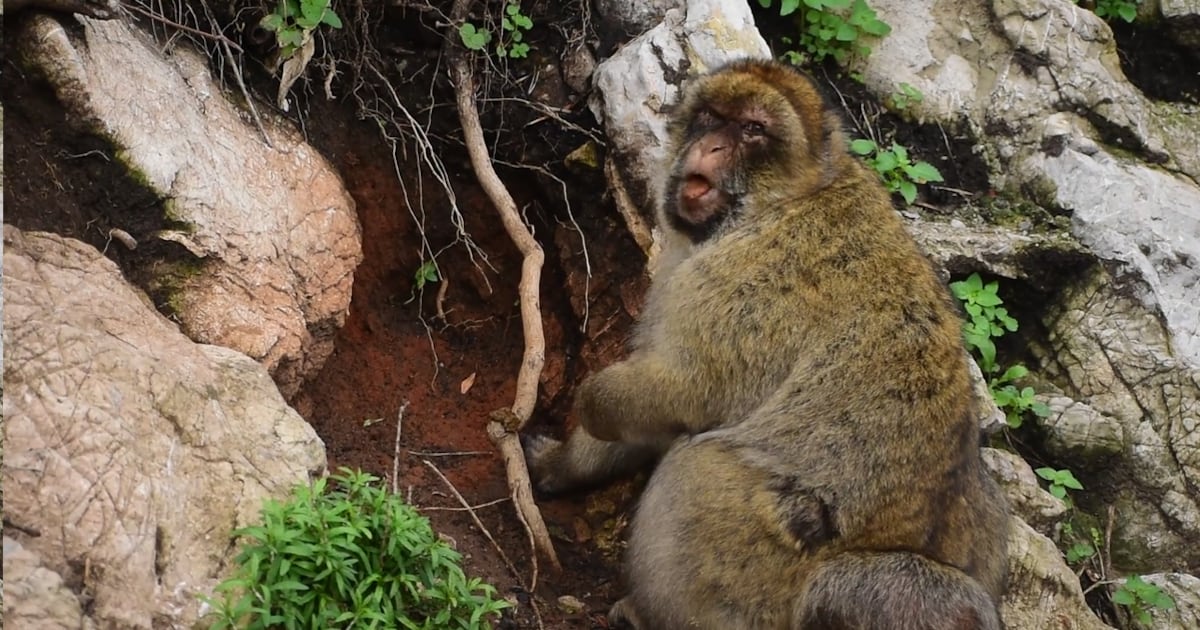
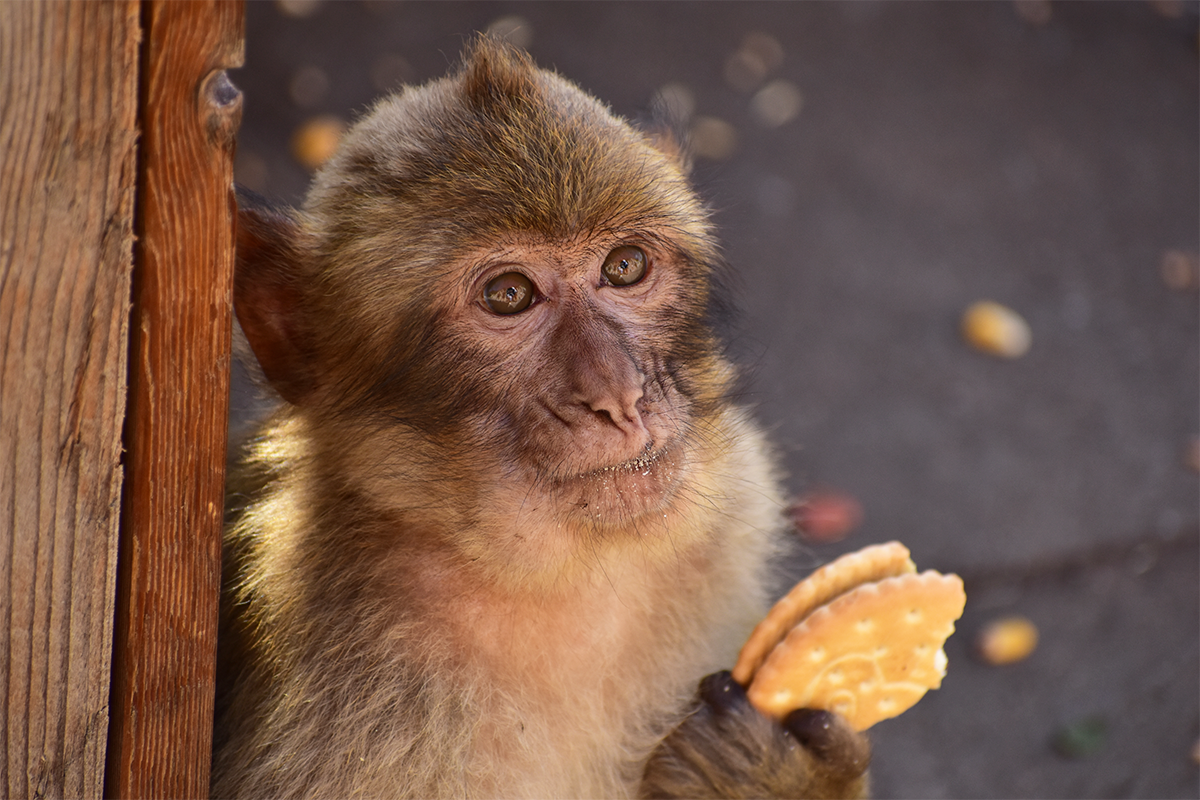
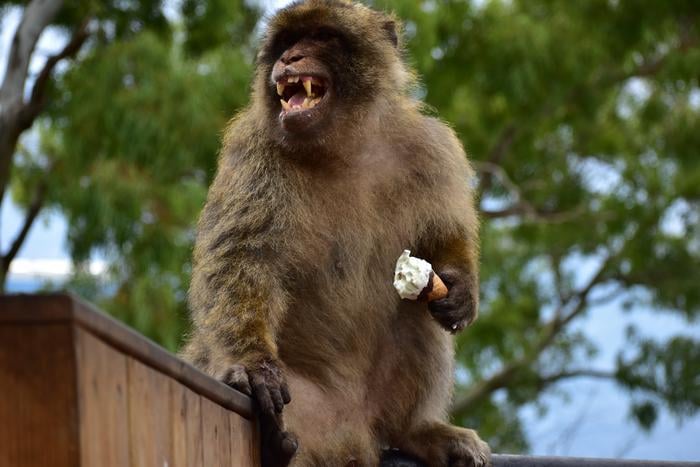
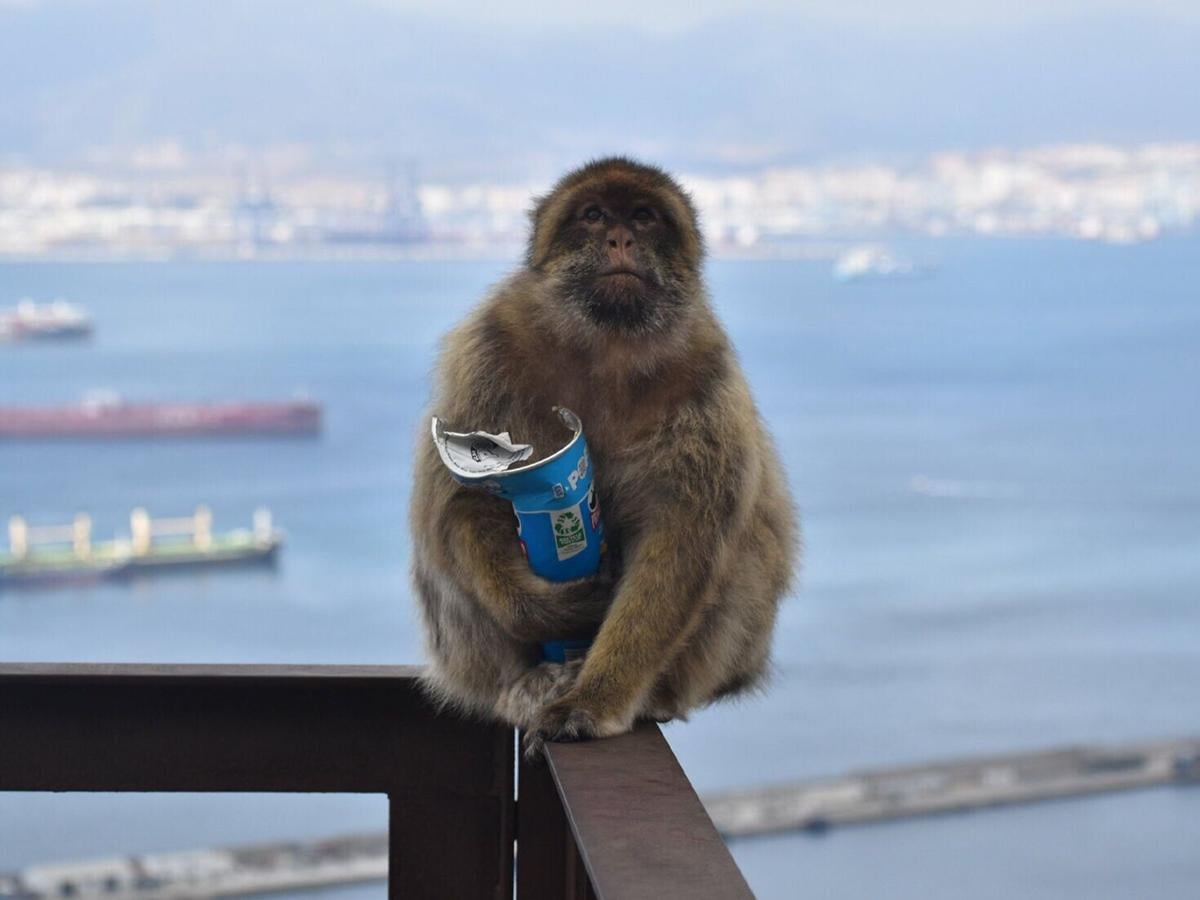
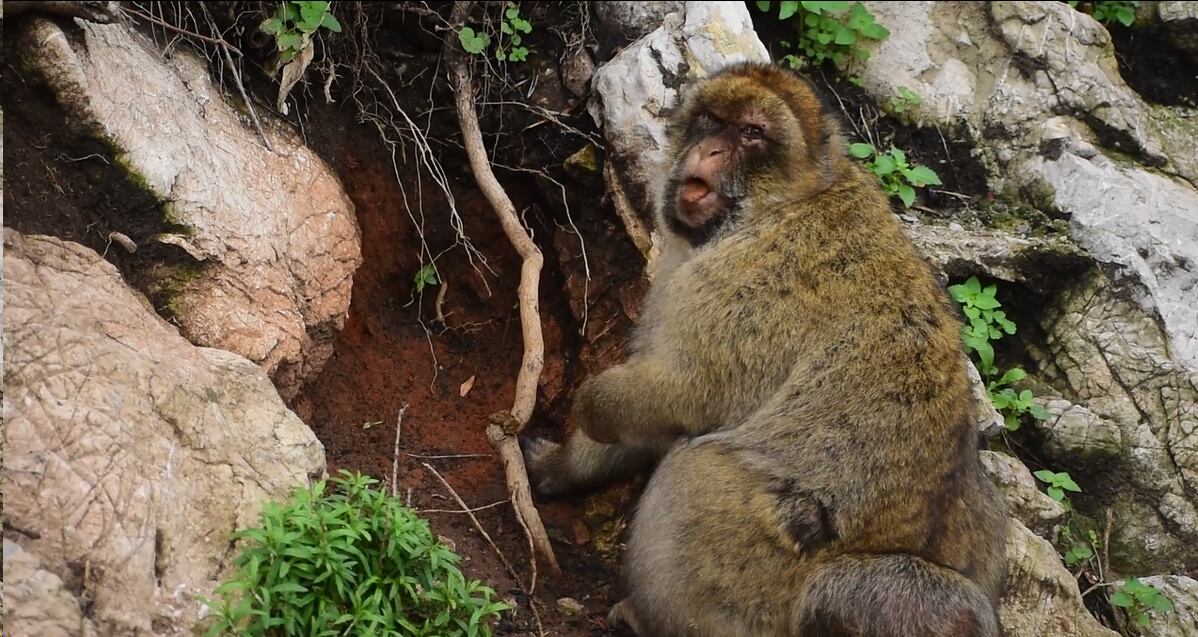
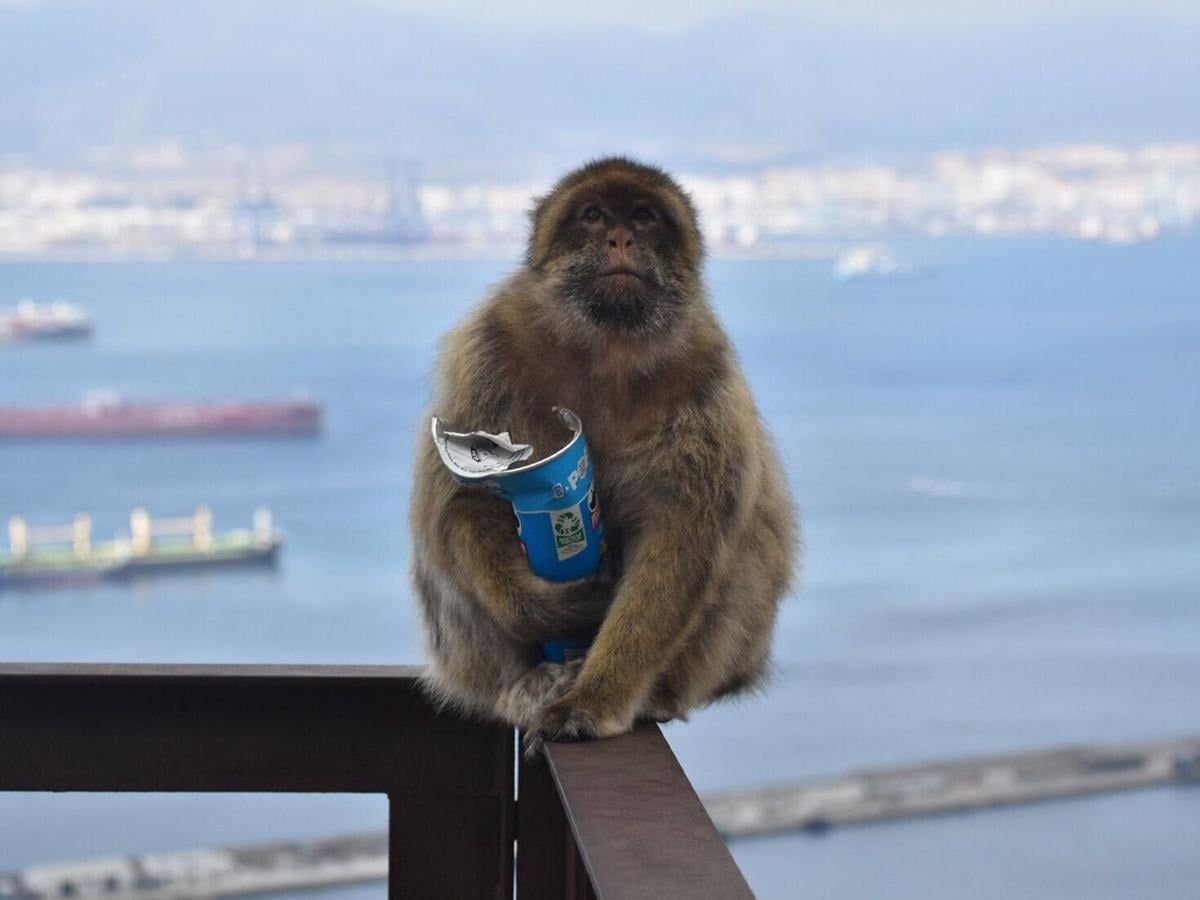
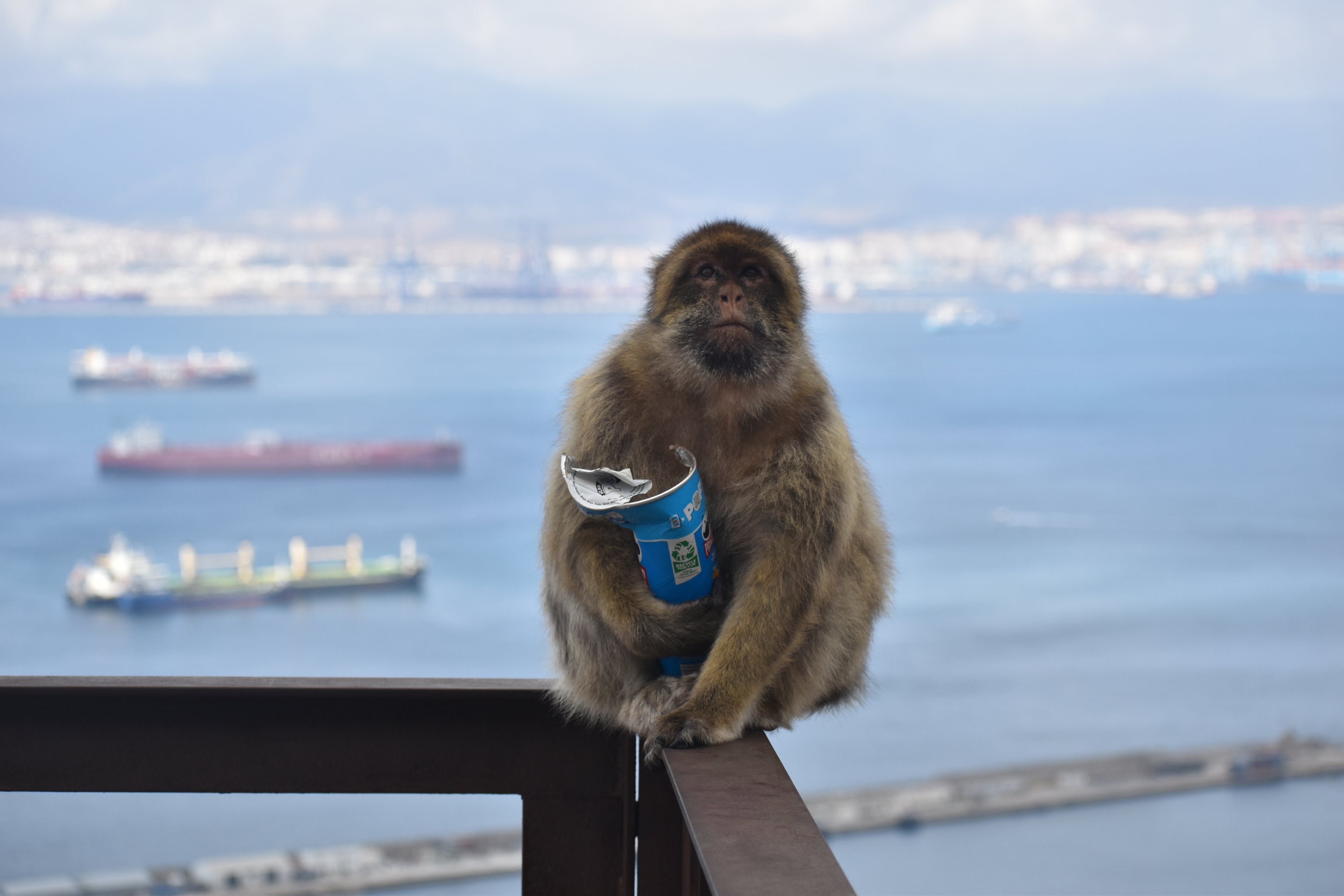
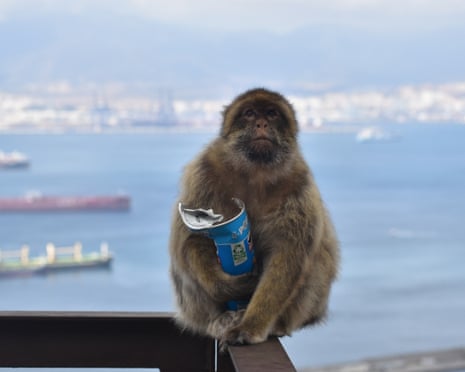
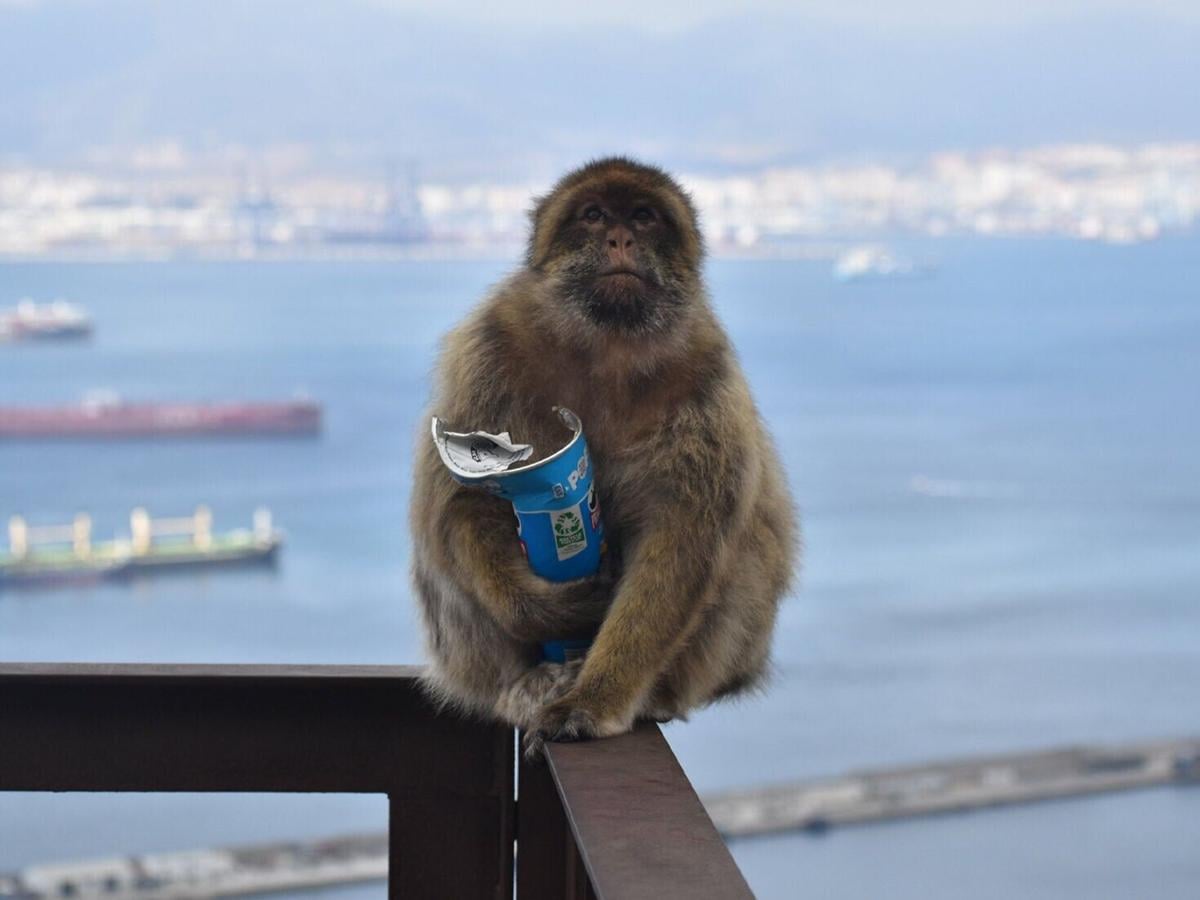
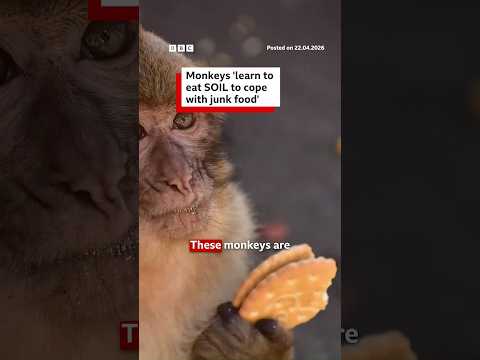
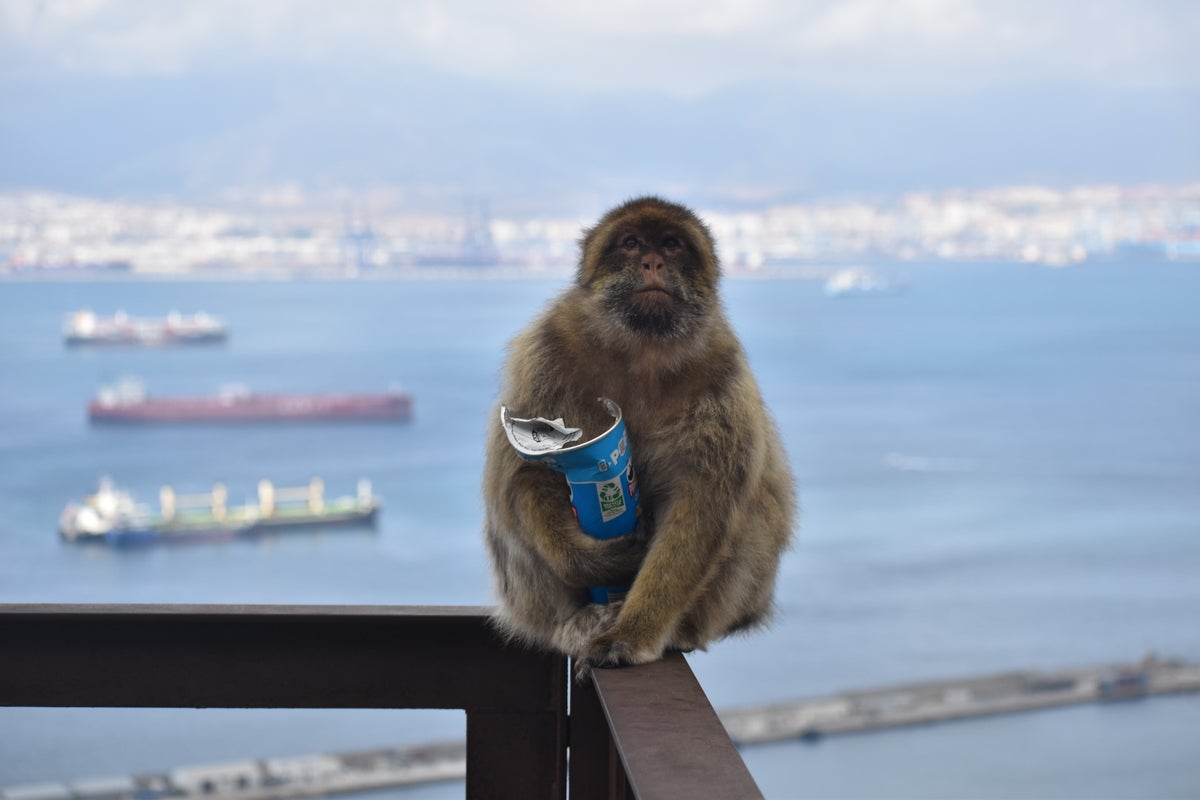
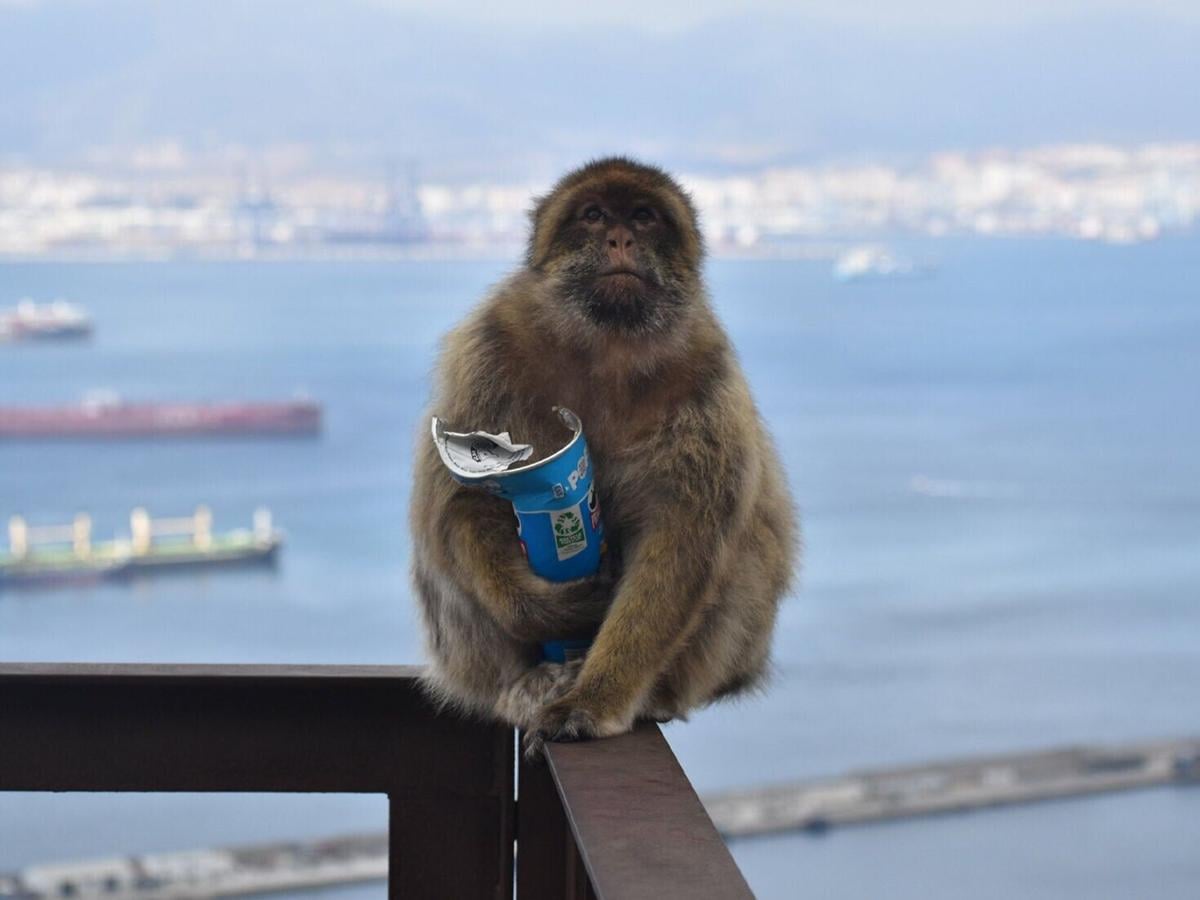
A groundbreaking University of Cambridge study published in Scientific Reports (2022-2024) documents how Gibraltar's 230 Barbary macaques have developed adaptive self-medication behaviors in response to tourist-provided processed foods. Researchers led by Dr. Sylvain Lemoine observed 46 documented instances of geophagy (soil consumption) among 44+ individual monkeys across 612 hours of observation, with consumption concentrated in high-tourist areas like the Rock of Gibraltar summit. The critical finding: nearly 20% of the macaques' total food intake consists of tourist-provided snacks including chips, chocolate bars, M&Ms, and ice cream—fundamentally disrupting their natural diet of seeds, fruits, and vegetables.
The behavioral adaptation reveals a massive consumer health trend. Monkeys consuming high-calorie, low-fiber processed foods experience gastrointestinal distress, prompting them to self-medicate by consuming soil and clay as digestive buffers. This mirrors human consumer behavior: both primates and humans share evolutionary mechanisms driving preference for energy-dense foods, yet modern processed snacks create digestive dysfunction requiring remedial solutions. The study documents seasonal peaks during holiday periods when tourist numbers surge, indicating direct correlation between visitor volume and animal health impacts.
For e-commerce sellers, this research validates explosive growth in pet digestive health and probiotic categories. The global pet probiotics market reached $2.1B in 2024 and is projected to grow 12-15% annually through 2030, driven by consumer awareness of gut health disruption from processed foods. Tourist destination retailers and pet supplement sellers can capitalize on this trend by positioning digestive aids, fiber supplements, and natural clay-based products as solutions to processed food consumption. The study's documentation of different troop preferences for soil types (terra rossa red clay vs. tar-contaminated potholes) demonstrates sophisticated consumer segmentation—sellers can develop targeted product lines for different demographic preferences.
Regulatory implications create compliance opportunities. Gibraltar's existing regulations prohibiting tourist feeding are being reinforced by this scientific evidence, signaling potential expansion of similar restrictions at other European wildlife tourism sites. Sellers should anticipate increased demand for alternative snack products marketed as "wildlife-safe" or "digestive-friendly" in tourist destination markets. The research also highlights health risks from contaminated soil near roads, creating market opportunities for premium, tested clay supplements and detoxification products positioned as safer alternatives to uncontrolled environmental consumption.
Questions 7
How can sellers use this research in Amazon and Shopify product listings?
Incorporate research findings into listing optimization: (1) Keywords: 'digestive health for processed food consumption,' 'natural gut microbiome support,' 'wildlife-safe supplements'; (2) A+ content: Feature the Cambridge study findings and primate behavior research to establish authority and differentiate from competitors; (3) Product descriptions: Emphasize how products address disruption from processed foods, using primate behavior as relatable proof point; (4) Review generation: Encourage customers to share digestive health improvements, creating social proof aligned with research findings. On Shopify, create blog content around the study to drive organic traffic and establish thought leadership. Expected impact: 20-35% improvement in conversion rates for listings incorporating research-backed messaging compared to standard supplement listings. Monitor competitor listings and adjust positioning to maintain differentiation.
How does primate gut health research translate to human consumer marketing?
The study documents that humans and macaques share evolutionary mechanisms driving preference for energy-dense foods, yet modern processed snacks create digestive dysfunction. This validates marketing messaging around 'natural' and 'ancestral' digestive solutions. Sellers can leverage the research to position products as addressing fundamental biological mismatches between modern diets and primate digestive systems. The finding that monkeys self-medicate with clay creates marketing opportunities for premium clay supplements, activated charcoal products, and natural detoxification solutions. Use the research in content marketing to educate consumers about gut microbiome disruption from processed foods, driving conversion rates 15-25% higher than generic digestive supplement messaging.