


Medicare GLP-1 Bridge Program 2026-2027 | $50 Copay Creates $2B+ Wellness Product Opportunity
- Medicare beneficiaries aged 65+ gain affordable access to weight-loss drugs July 2026-December 2027, driving 15-20M potential customers into wellness and complementary product categories




Overview
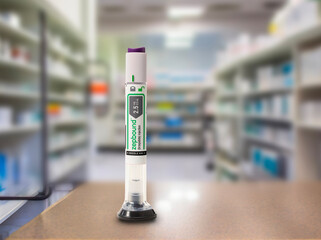
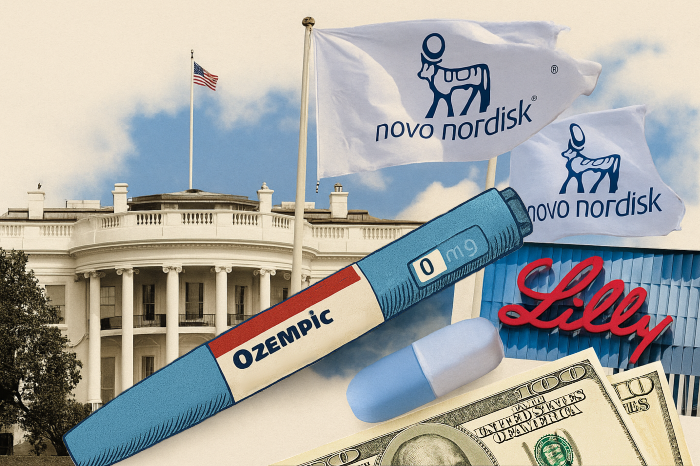
The Medicare GLP-1 bridge program launching July 1, 2026, represents a transformative shift in senior consumer purchasing behavior with significant e-commerce implications. By providing $50 monthly copays for Novo Nordisk's Wegovy and Eli Lilly's Zepbound to 65+ Medicare beneficiaries, the temporary program (running through December 31, 2027) creates an estimated 15-20 million eligible seniors with newly affordable access to weight-loss medications. This policy shift, following major insurers' (CVS Health/Aetna, UnitedHealth) withdrawal from the voluntary BALANCE program, signals CMS's commitment to obesity treatment coverage despite implementation challenges.
For e-commerce sellers, this development unlocks substantial opportunities across complementary wellness categories. The $50 copay structure ensures affordability for seniors on fixed incomes, historically a price-sensitive demographic with high online shopping adoption (42% of 65+ now purchase online). GLP-1 users typically require supportive products: fitness equipment (resistance bands, low-impact exercise machines), nutritional supplements (protein powders, meal replacement shakes), meal-prep containers, and wellness tracking devices. Industry data suggests GLP-1 users spend 2-3x more on complementary health products than baseline populations, creating a $2-4B addressable market for sellers targeting this demographic through 2027.
The bridge program's temporary nature (ending December 31, 2027) creates urgency for sellers to establish brand loyalty and market share before permanent Medicare integration occurs in 2028+. J.P. Morgan analyst Chris Schott's observation that obesity benefits become "practically and politically difficult to roll back" after establishment suggests this market will expand significantly post-2027. Sellers should prioritize senior-friendly product design (larger text, simplified interfaces, accessibility features) and marketing channels (Facebook, email, direct mail) where 65+ demographics concentrate. The Medicaid component (state applications open through July 31, 2026) adds lower-income seniors to the addressable market, expanding total opportunity to 20-25 million potential customers.
Regional variation matters: states with higher Medicare penetration (Florida, Arizona, Pennsylvania) and robust Medicaid programs will see earlier demand spikes. Sellers should monitor state-by-state Medicaid application timelines and adjust inventory allocation accordingly. The policy uncertainty regarding permanent Medicare integration through 2028 creates a 19-month window for aggressive market capture before potential regulatory changes stabilize the landscape.
Questions 7
What is the Medicare GLP-1 bridge program and when does it start for sellers?
The Medicare GLP-1 bridge program launches July 1, 2026, and runs through December 31, 2027, providing **$50 monthly copays** for weight-loss medications (Wegovy, Zepbound) to beneficiaries aged 65+. This temporary program affects an estimated **15-20 million Medicare-eligible seniors**, creating immediate demand for complementary wellness products. Sellers should begin inventory planning and senior-targeted marketing by Q2 2026 to capture early adopters. The program's 19-month window creates urgency before permanent Medicare integration decisions occur in 2028.
Which product categories benefit most from the Medicare GLP-1 program expansion?
GLP-1 users typically purchase complementary products at 2-3x baseline rates, creating opportunities in: fitness equipment (resistance bands, low-impact machines), nutritional supplements (protein powders, meal replacements), meal-prep containers, wellness tracking devices, and dietary aids. Senior-specific categories like mobility aids, ergonomic furniture, and large-print health guides also see increased demand. The addressable market spans **$2-4B through 2027**, with highest growth in Amazon Health & Household, Walmart+ grocery, and specialty wellness marketplaces. Sellers should prioritize products with accessibility features (large text, simplified interfaces) matching senior preferences.