



Strait of Hormuz Shipping Crisis | Critical Cost Impact for Cross-Border E-Commerce Sellers
- Iran's military attacks on April 22, 2026 disrupt 20% of global oil supply; shipping costs surge 8-15% for sellers relying on Asia-Pacific sourcing and energy-dependent logistics












Overview
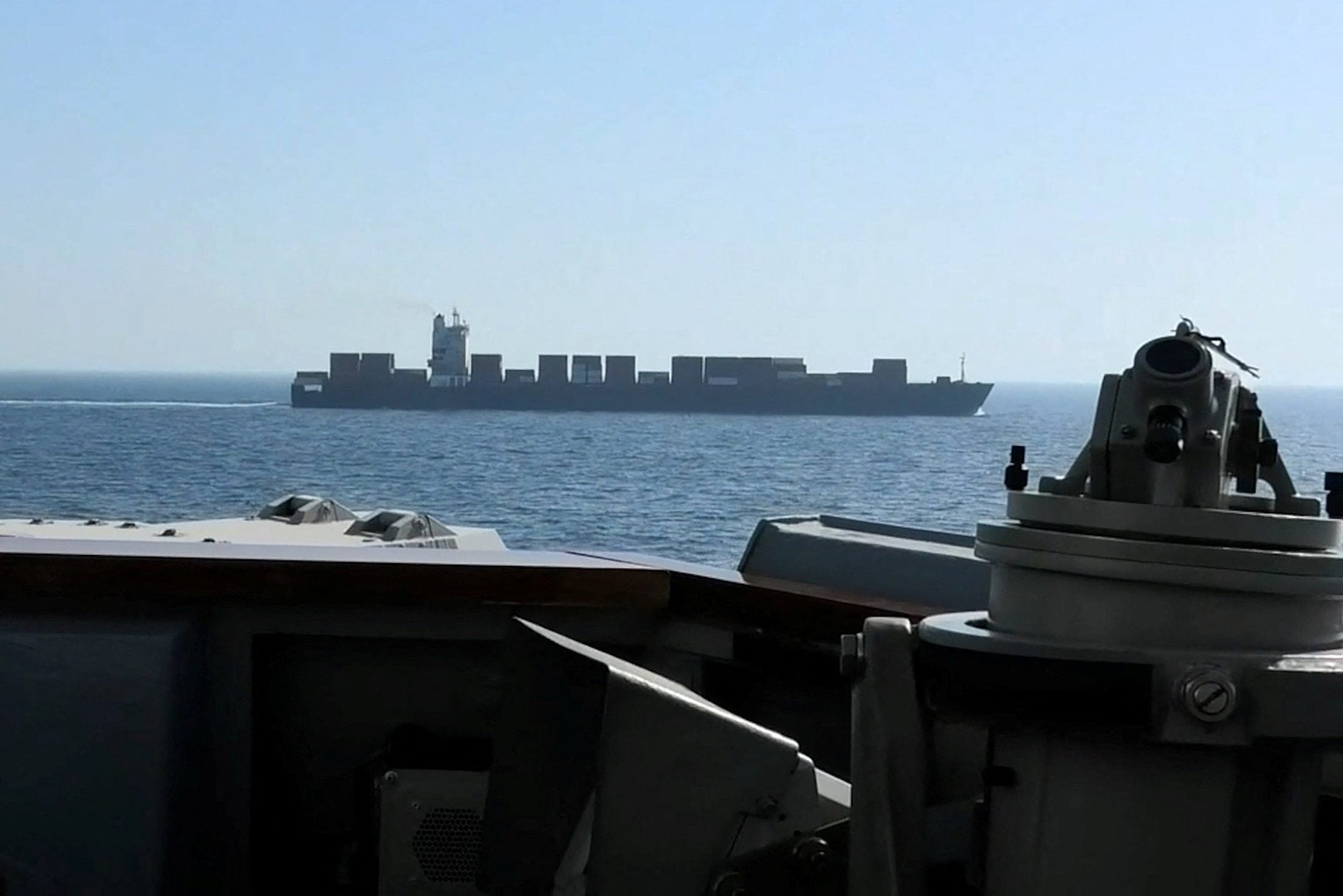
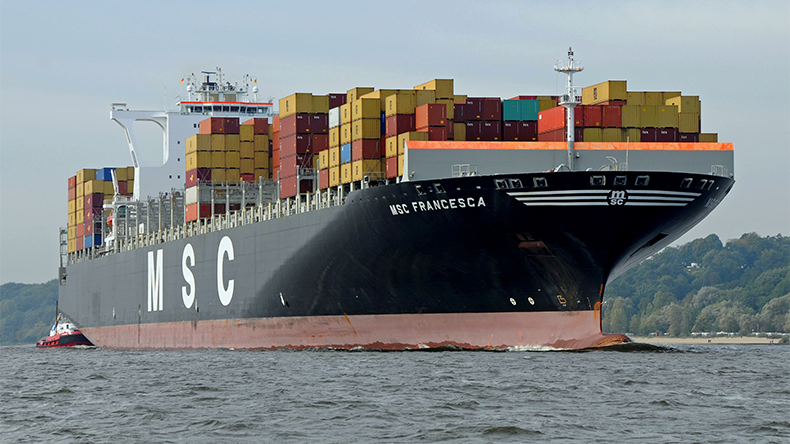
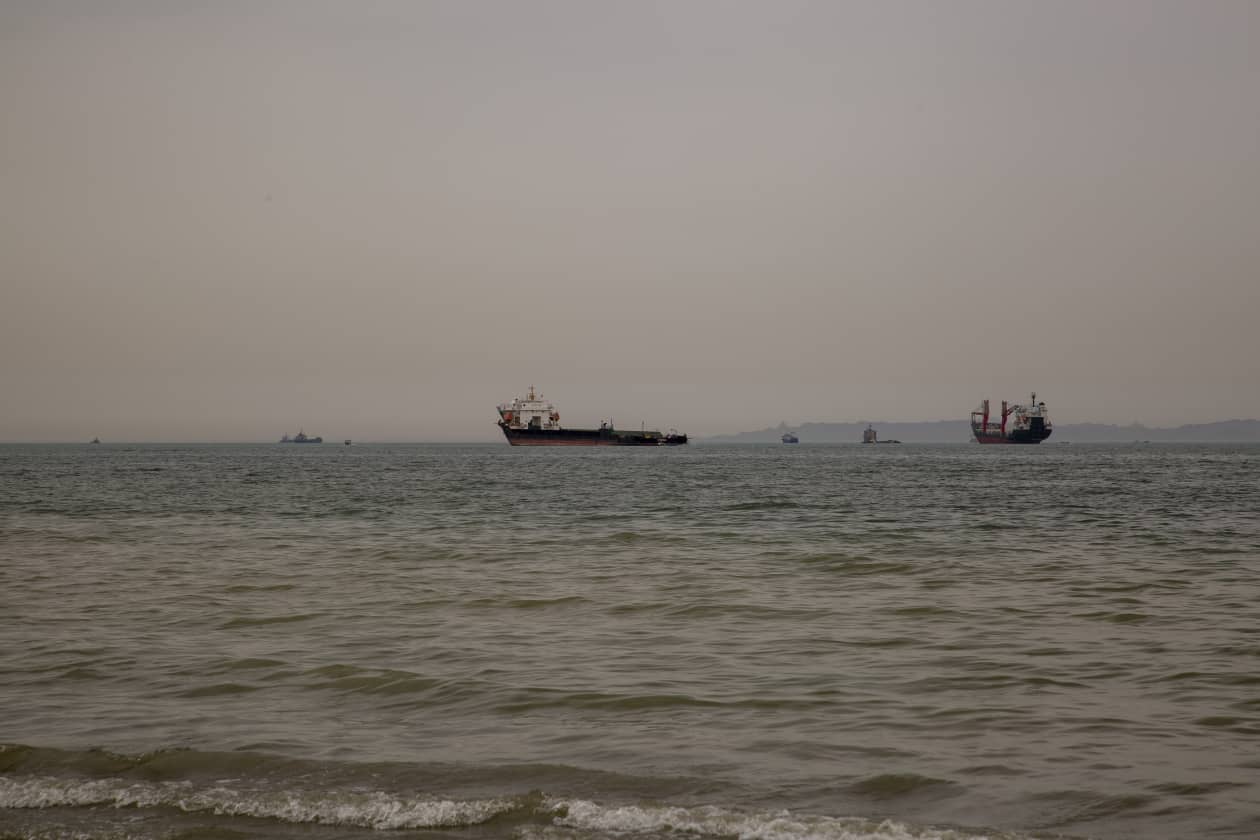
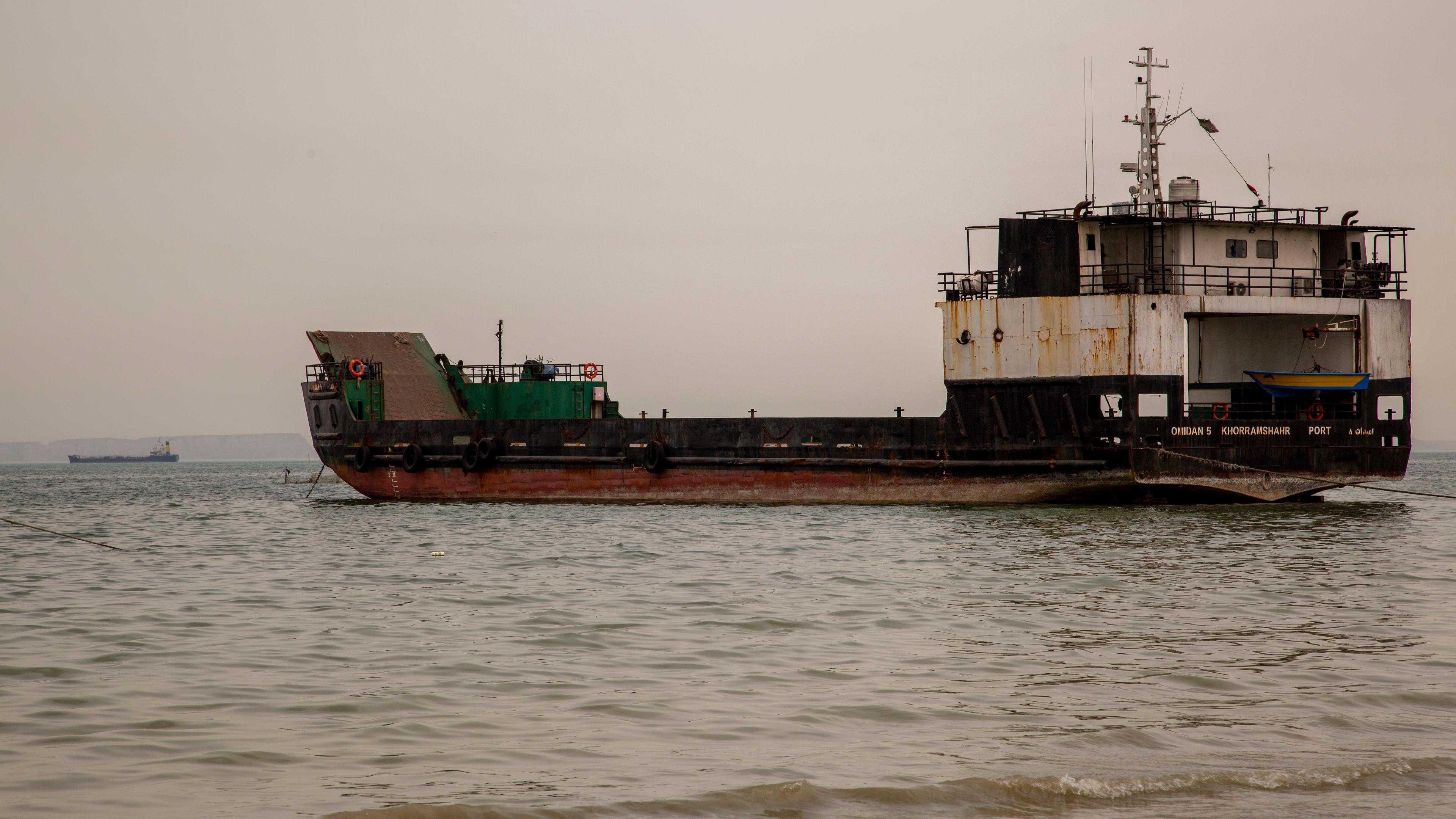
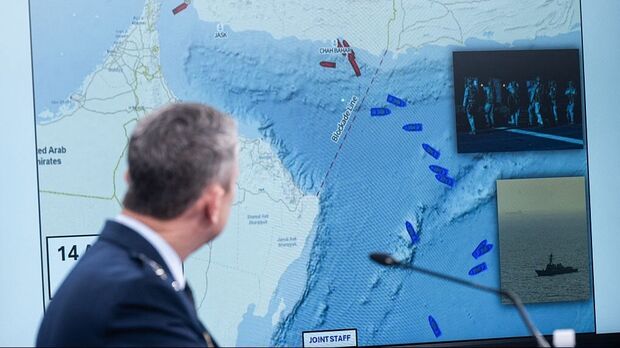
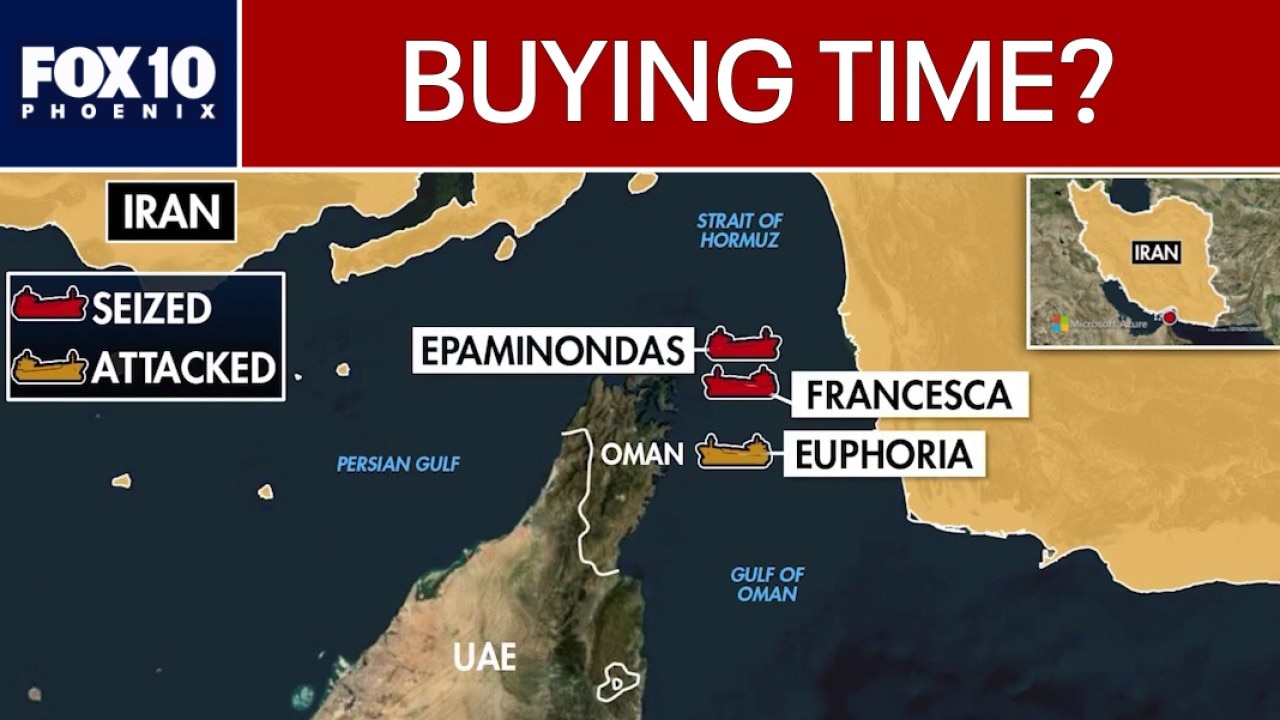
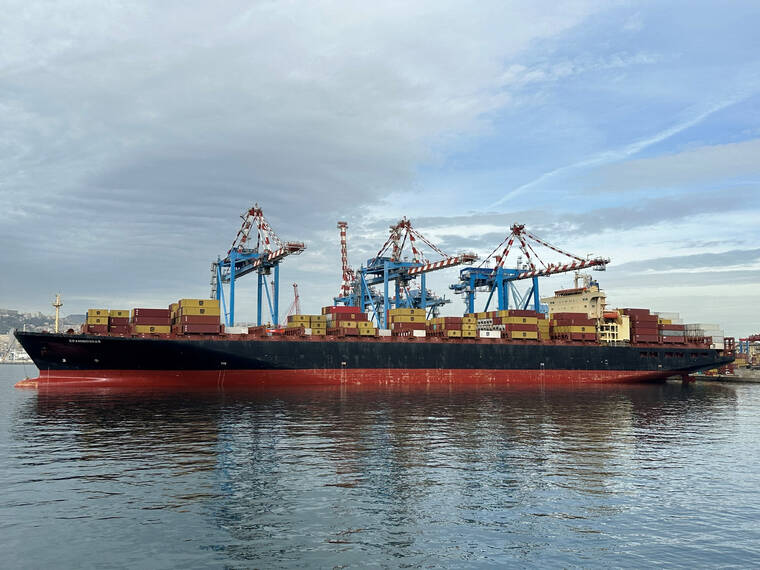
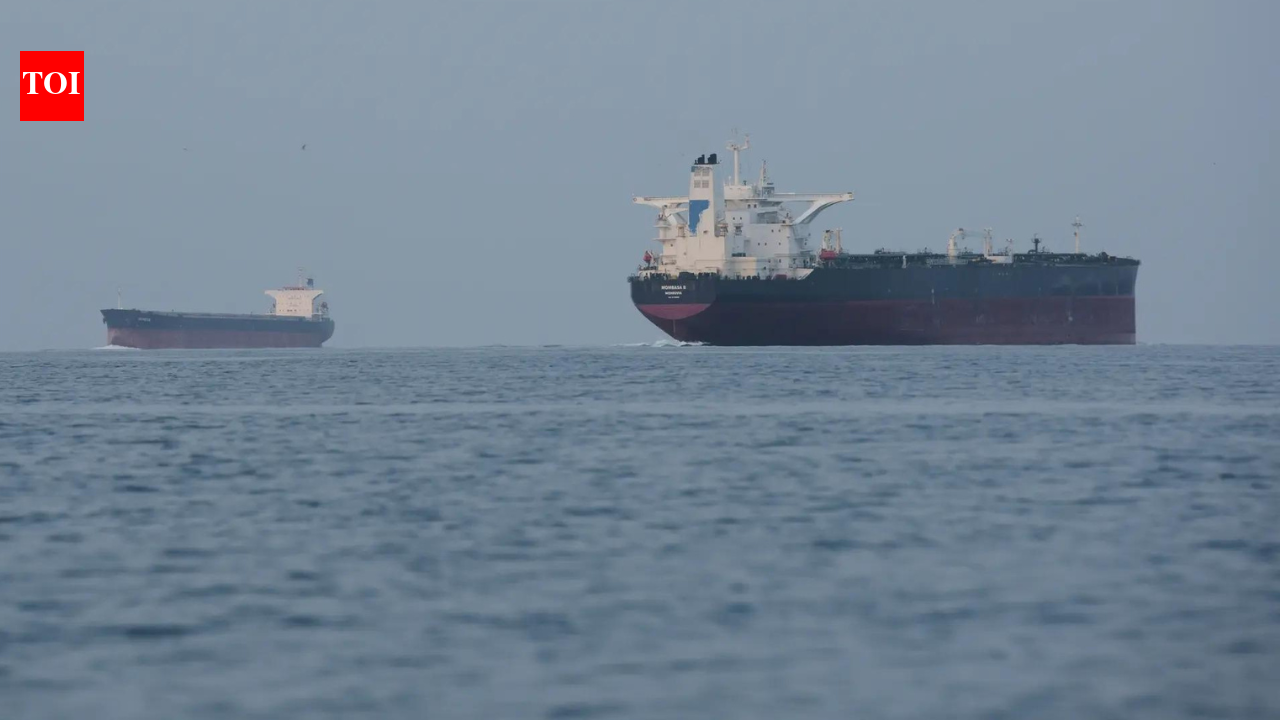
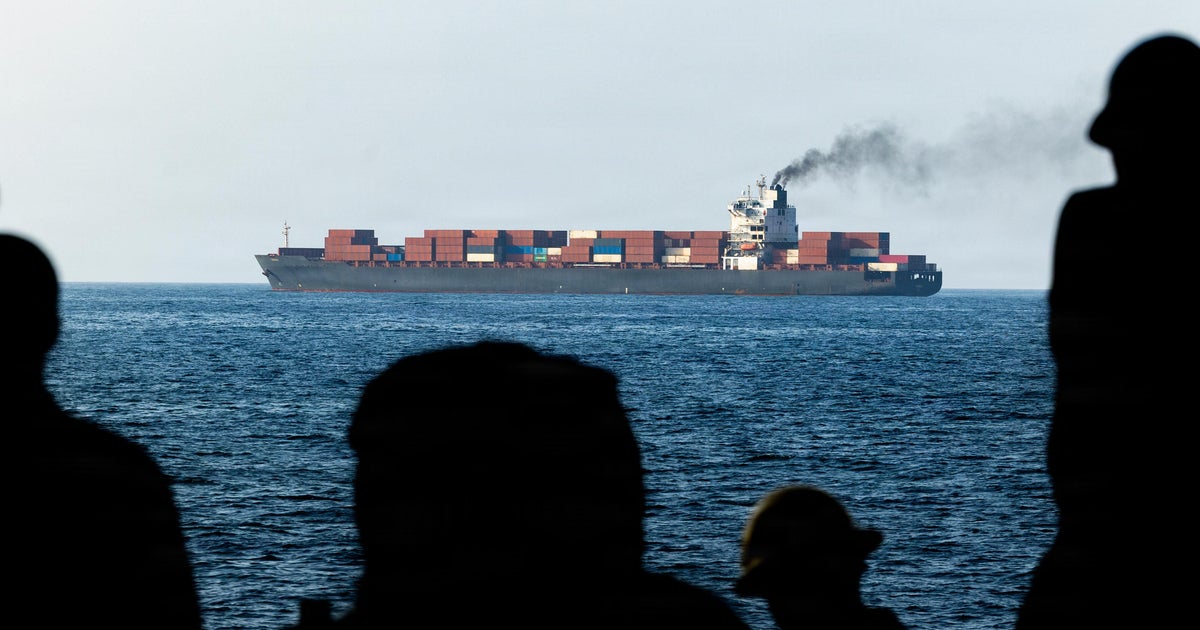
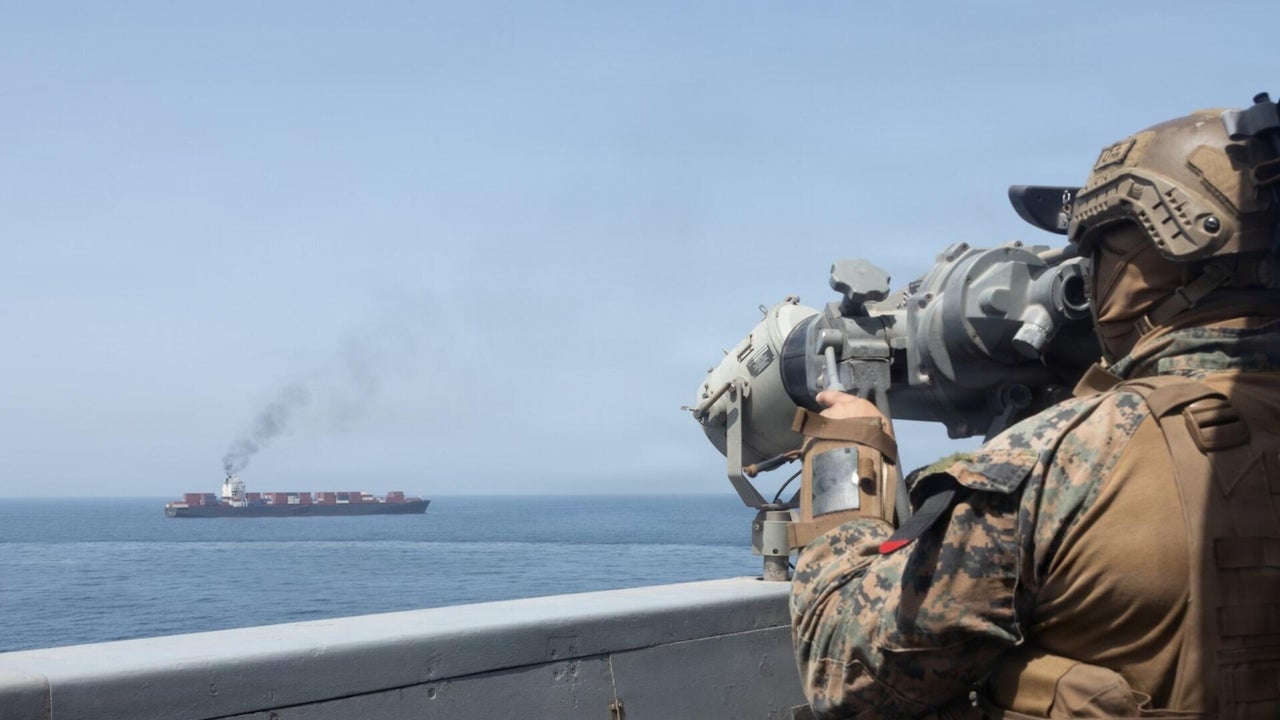
The Strait of Hormuz shipping crisis represents a critical supply chain disruption affecting cross-border e-commerce sellers globally. On April 22, 2026, Iran attacked two cargo vessels in the strategic waterway, following an eight-week escalation in U.S.-Israeli conflict. This geopolitical flashpoint controls approximately one-fifth of the world's oil supply transit, and Iran's demonstrated willingness to target commercial shipping has created a deterrent effect suppressing traffic through the strait. According to S&P Global Market Intelligence, only one vessel passed through on April 21, with over 300 Iranian-linked vessels navigating selectively since the conflict began. This represents a fundamental shift in maritime risk assessment that directly impacts e-commerce operational costs.
For cross-border sellers, the immediate financial impact is substantial and multi-faceted. Energy-intensive logistics operations face elevated fuel surcharges of 8-15% on fulfillment expenses, directly compressing margins for sellers shipping 1,000+ units monthly. Shipping insurance premiums for vessels transiting high-risk maritime zones have increased substantially, adding $200-400 monthly to typical FBA operations. Sellers sourcing materials from Asia-Pacific regions face inflated inventory costs due to global commodity price increases driven by energy market uncertainty. The disruption particularly affects sellers in categories dependent on Middle Eastern oil and gas supplies—including plastics, chemicals, textiles, and energy-intensive manufacturing. Small and medium-sized sellers (SMBs) with limited inventory buffers face the greatest vulnerability, as they cannot absorb cost increases through volume negotiations like larger competitors.
The strategic opportunity window requires immediate action on multiple fronts. Sellers should immediately audit their supply chain dependencies: identify which products rely on Strait of Hormuz transit, calculate current fuel surcharge exposure, and evaluate alternative sourcing corridors. Consider shifting 15-25% of inventory to 3PL providers in non-energy-dependent regions (Southeast Asia, India, Mexico) to reduce exposure to fuel volatility. For sellers with 6+ month inventory cycles, lock in current shipping rates through forward contracts before further escalation. Monitor shipping insurance costs weekly—premiums may increase another 5-10% if conflict escalates. The prolonged uncertainty suggests this is not a temporary disruption but a structural shift in maritime risk, requiring sellers to build 20-30% additional cost buffers into pricing models through Q3 2026. Sellers should also evaluate alternative marketplaces and logistics networks less dependent on Middle Eastern energy corridors, particularly for high-margin categories where cost absorption is feasible.
Questions 8
How much will shipping costs increase for sellers sourcing from Asia-Pacific due to Strait of Hormuz disruptions?
Shipping costs are increasing 8-15% for sellers relying on Asia-Pacific sourcing, with fuel surcharges adding $200-400 monthly to typical FBA operations. The April 22, 2026 Iranian attacks on cargo vessels have created sustained supply chain uncertainty affecting approximately one-fifth of global oil supply transit. Energy-intensive logistics operations face the greatest impact, particularly sellers in plastics, chemicals, textiles, and manufacturing categories. Sellers should immediately audit their supply chain dependencies and consider locking in shipping rates through forward contracts before further escalation occurs.
What specific actions should sellers take in the next 30 days to address Strait of Hormuz disruptions?
Within 30 days, sellers should: (1) Complete supply chain audit identifying products dependent on Strait of Hormuz transit by April 30, 2026; (2) Request shipping rate quotes from alternative 3PL providers in Southeast Asia, India, and Mexico by May 5, 2026; (3) Negotiate forward shipping contracts locking in current rates for 6+ months by May 10, 2026; (4) Review and update pricing models to reflect 8-15% cost increases by May 15, 2026; (5) Establish weekly monitoring of shipping insurance premiums and fuel surcharges by May 1, 2026. Prioritize high-volume, low-margin categories where cost increases most directly impact profitability.