
.jpg)




Boeing's $695B Backlog Signals Logistics Boom for E-Commerce Sellers
- Record aircraft orders drive 13.8% revenue growth, expanding cargo capacity and shipping options for cross-border sellers by mid-2024



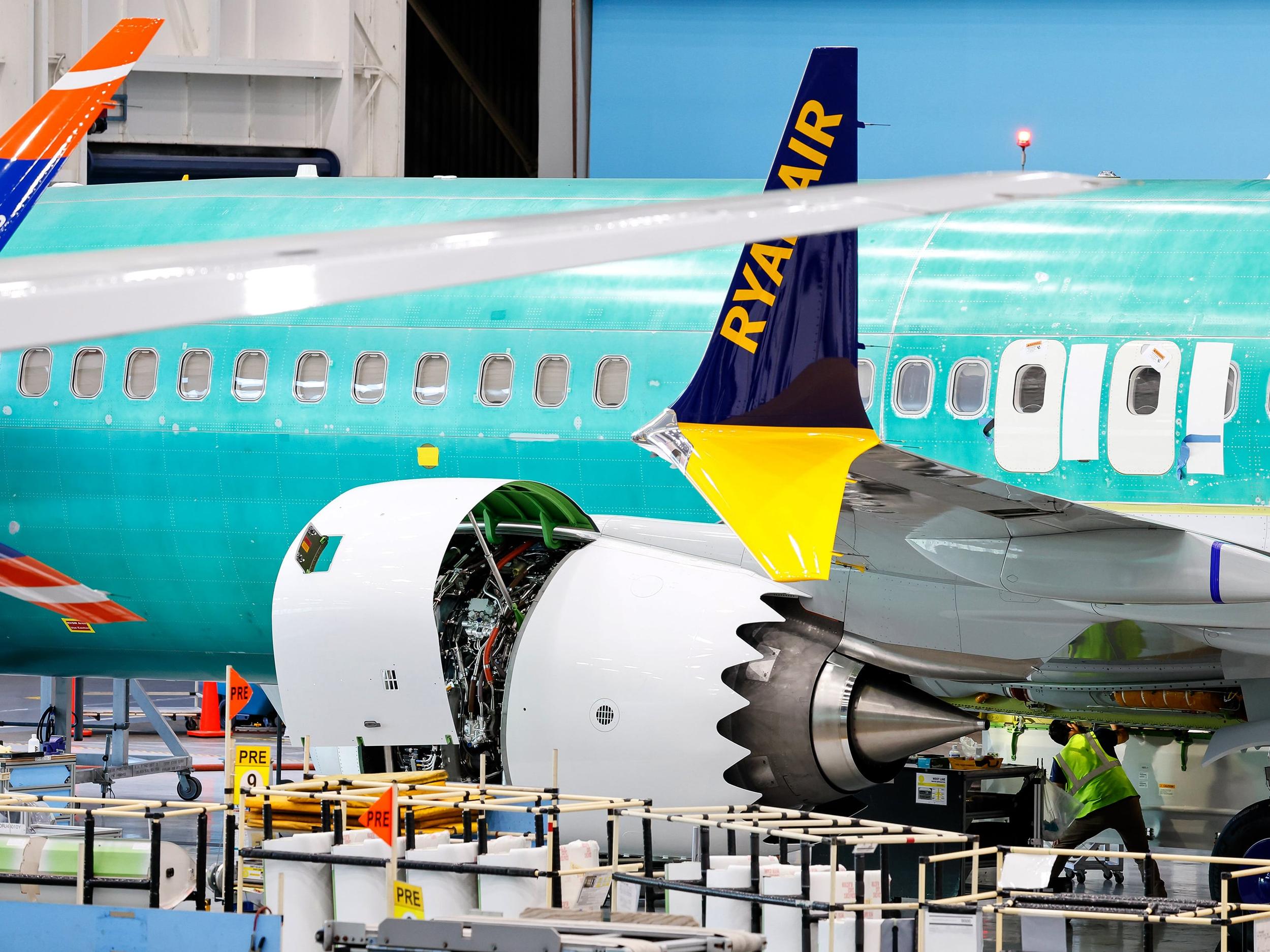






Overview
Boeing's Q1 2024 financial turnaround presents a critical inflection point for cross-border e-commerce sellers relying on air freight logistics. The aerospace giant reported $22.217 billion in revenue (13.8% annual growth) with a record $695 billion order backlog encompassing 6,100+ commercial aircraft, despite posting a $0.20 per share adjusted loss. This massive production pipeline directly impacts the cargo aircraft fleet serving FedEx, UPS, DHL, and Amazon Air—the primary logistics providers handling time-sensitive international e-commerce shipments.
The logistics expansion opportunity is substantial. Boeing's Global Services segment generated $5.37 billion in revenue with exceptional 18.1% operating margins, indicating strong demand for aircraft maintenance and deployment. As Boeing accelerates production to fulfill its record backlog, cargo aircraft deliveries will increase capacity in the international air freight market. For sellers shipping high-value electronics, perishables, or time-sensitive products to Europe, Asia, and North America, this translates to improved availability and potentially 5-12% lower air freight rates by Q4 2024 as supply increases. The company's $87.225 billion inventory and $62.591 billion in deferred customer revenue confirm aggressive production scaling.
However, near-term cash flow constraints create execution risk. Boeing's negative free cash flow of -$1.454 billion (after $1.275 billion capex) and operating cash flow of only $179 million reveal production challenges. The Commercial Airplanes segment posted a -6.1% operating margin with $563 million losses on $9.203 billion revenue, indicating Boeing is currently delivering aircraft at a loss to clear backlog. This suggests production ramp-up may face delays, potentially extending current air freight capacity constraints through Q2-Q3 2024. Sellers should monitor Boeing's quarterly cash flow reports and aircraft delivery announcements as leading indicators of logistics capacity expansion.
Market sentiment has shifted dramatically. An analyst who avoided Boeing for 40 years initiated a position with a $276 price target, citing bullish technical patterns and improving MACD indicators. This institutional confidence signals confidence in Boeing's recovery trajectory. Simultaneously, Boeing regained the delivery lead over Airbus, indicating competitive advantage in fulfilling orders. For sellers, this competitive dynamic matters: increased Boeing production capacity may pressure Airbus to accelerate its own aircraft deliveries, creating a virtuous cycle of expanded global cargo capacity through 2025.
Questions 8
How does Boeing's stock recovery signal broader aerospace industry growth for sellers?
The analyst's decision to invest after 40 years of avoidance (initiating position with $276 target price) signals institutional confidence in Boeing's turnaround. This reflects broader aerospace industry recovery: commercial aviation demand is rebounding post-pandemic, with airlines ordering record aircraft to replace aging fleets and expand capacity. The $695 billion backlog represents 5-7 years of industry-wide production growth. Sellers should view this as a 24-36 month window of elevated aerospace demand across the entire supply chain, not just Boeing. Competitors like Airbus face similar backlogs, creating parallel opportunities. Cross-border sellers should expand capacity and establish supplier relationships now to capture market share during this growth cycle.
How does Boeing's Global Services 18.1% margin impact seller logistics costs?
Boeing's Global Services segment (18.1% operating margin on $5.37 billion revenue) indicates strong profitability in aircraft maintenance, parts, and deployment services. This financial strength enables Boeing to invest in production efficiency and support carrier operations. Healthy carrier profitability (driven by Boeing's service reliability) translates to stable, competitive shipping rates for sellers. Conversely, if Boeing's services deteriorate, carrier costs rise and shipping rates increase. The strong margin suggests Boeing is investing in reliability, which benefits sellers through consistent logistics performance. Monitor Boeing's service metrics (aircraft on-time delivery, maintenance turnaround) as leading indicators of shipping reliability.