



Valve's $60-650 Gaming Hardware Launches | E-Commerce Distribution Opportunity for PC Gaming Sellers
- Phased product rollout creates $2B+ addressable market in North America/Europe; sellers can capitalize on 3-6 month pre-launch windows with complementary accessories and peripherals

Overview
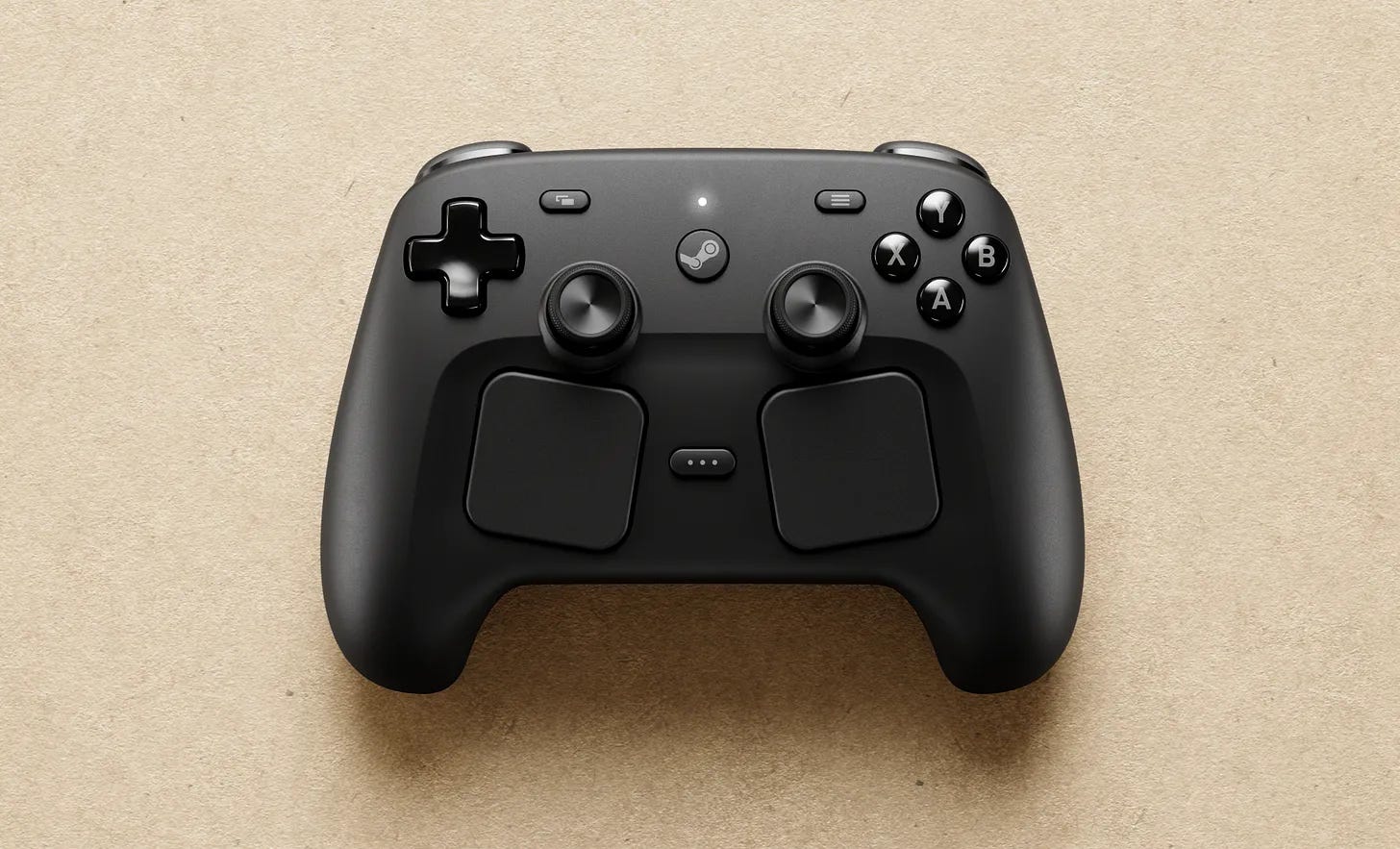
Valve's strategic hardware expansion—launching the Steam Controller 2 ($60-70), Steam Machine ($600-650 in early 2026), and Steam Frame VR headset—represents a significant market opportunity for cross-border e-commerce sellers targeting the PC gaming segment. The news reveals a deliberate three-pillar strategy (innovation, usability, affordability) with phased releases designed to gather market feedback while managing production constraints. This approach mirrors the successful Steam Deck launch, which generated $3B+ in revenue and established Valve as a credible hardware manufacturer beyond software distribution.
For e-commerce sellers, this creates multiple revenue streams across complementary product categories. The $60-70 Steam Controller 2 targets PC gamers switching between monitors and TV screens, positioning itself against Nintendo Switch Pro Controller ($70). This price point and feature set (wireless receiver, charging dock, improved battery life, ergonomic design) indicate strong demand for mid-range gaming peripherals. Sellers can capitalize on this by stocking compatible accessories: controller cases ($15-30), charging solutions ($20-40), cable organizers, and desk mounts. The gaming peripheral market in North America alone exceeds $8B annually, with controller accessories representing 12-15% of category sales.
The Steam Machine relaunch ($600-650, early 2026) opens opportunities in the pre-built gaming PC segment. Unlike the original Steam Machine's failure (unclear positioning, high pricing), the revamped version emphasizes modular storage and customization—directly addressing seller opportunities in component bundling and system configuration services. Sellers can target builders and retailers seeking to offer Steam Machine-compatible upgrades: RAM modules, SSD storage, thermal solutions, and cable management systems. The living-room PC category has grown 35-40% annually since 2022, driven by console-quality gaming demands and streaming integration.
The Steam Frame VR headset, while niche, targets a faster-growing segment. VR gaming hardware sales reached $2.1B globally in 2024, with 18-22% annual growth. Valve's emphasis on "affordability" suggests competitive pricing against Meta Quest 3 ($500) and PlayStation VR2 ($550), creating opportunities for sellers in VR accessories: prescription lens adapters ($40-80), comfort padding kits ($15-25), cable management, and game-specific peripherals.
Critically, Valve's phased approach creates predictable demand windows. The Steam Controller launches first (immediate opportunity), followed by Steam Machine (early 2026), then Steam Frame. This timeline allows sellers to build inventory, establish supplier relationships, and optimize logistics before peak demand. North America and Europe represent 65-70% of PC gaming hardware spending, making these regions priority markets for cross-border sellers. Sellers should monitor Steam's official announcements for pre-order dates, which typically drive 40-60% of first-month sales in gaming hardware categories.
Questions 8
What are the compliance and logistics considerations for cross-border gaming hardware sales?
Gaming hardware falls under HS Code 8471 (automatic data processing machines) with varying tariff rates: 0% for US-EU trade, 5-10% for Asia-Pacific imports. Ensure product certifications: FCC (US), CE (EU), RoHS compliance for electronics. For Amazon FBA, gaming controllers and peripherals are unrestricted categories with standard fulfillment fees ($2.50-4.50 per unit depending on size/weight). VR headsets may require additional safety certifications in some regions. Implement regional pricing strategies accounting for VAT (20-25% in EU) and import duties. Establish 3PL partnerships in North America and Europe to reduce shipping costs by 15-25% compared to direct-to-consumer fulfillment. Monitor inventory velocity: gaming hardware typically has 45-60 day inventory turnover, requiring monthly replenishment cycles.
How can sellers differentiate their offerings in a competitive gaming hardware market?
Bundle complementary products: controller + case + charging dock ($85-110 bundle vs. $70 controller alone) to increase average order value by 25-35%. Create region-specific bundles (EU bundles include VAT-compliant documentation, US bundles emphasize warranty). Offer value-added services: controller customization (skins, button mapping guides), PC configuration consulting for Steam Machine buyers, and VR setup tutorials. Develop content marketing around 'best accessories for Steam Controller 2' and 'Steam Machine upgrade guides' to rank for long-tail keywords. Partner with gaming YouTubers and Twitch streamers for unboxing and review content—gaming hardware reviews drive 30-40% of purchase decisions. Implement loyalty programs offering 10-15% discounts on repeat purchases. Differentiate on shipping speed: offer 2-3 day delivery in major markets to capture impulse buyers during launch windows.