



Ukraine Nuclear Crisis & Geopolitical Risk | Supply Chain Impact for Cross-Border Sellers
- Escalating military threats near Chornobyl create €500M+ infrastructure damage; sellers face emerging Eastern European logistics disruptions and market volatility through 2025










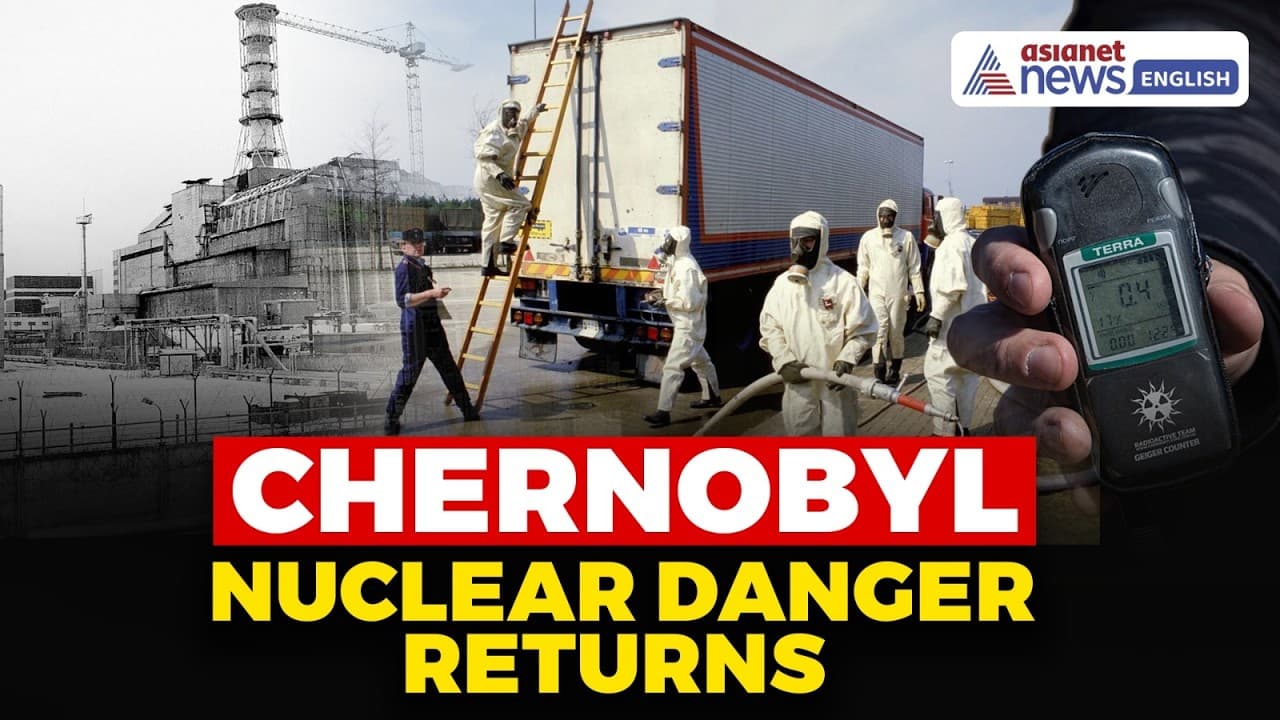

Overview
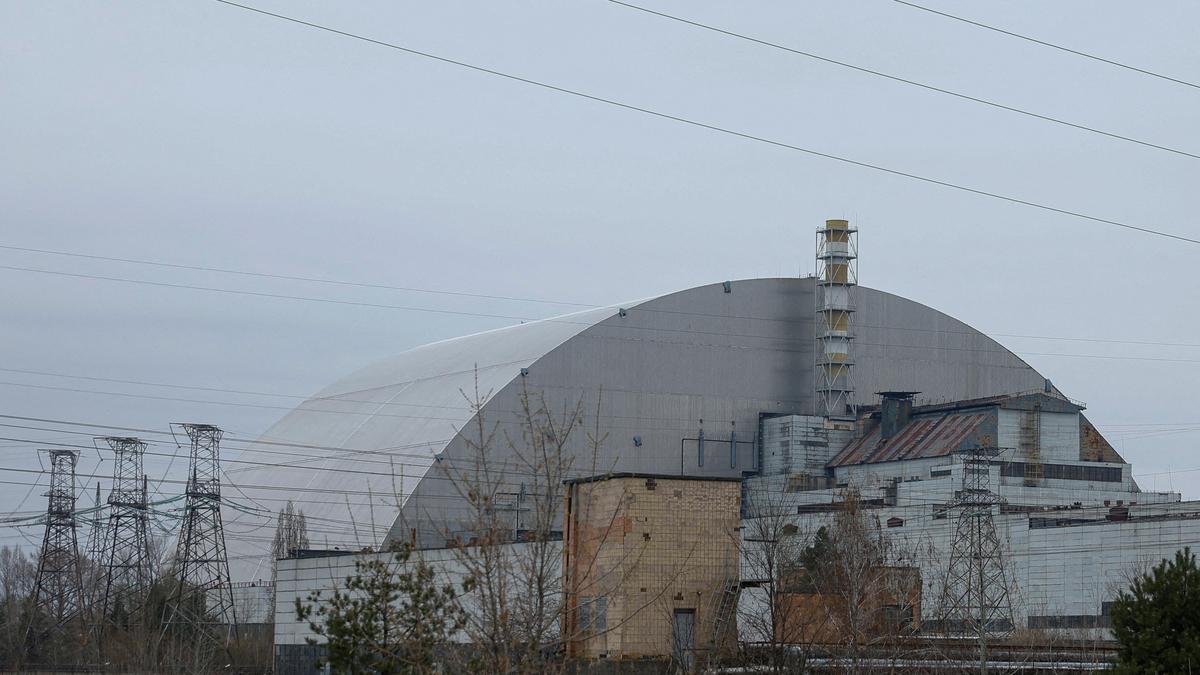
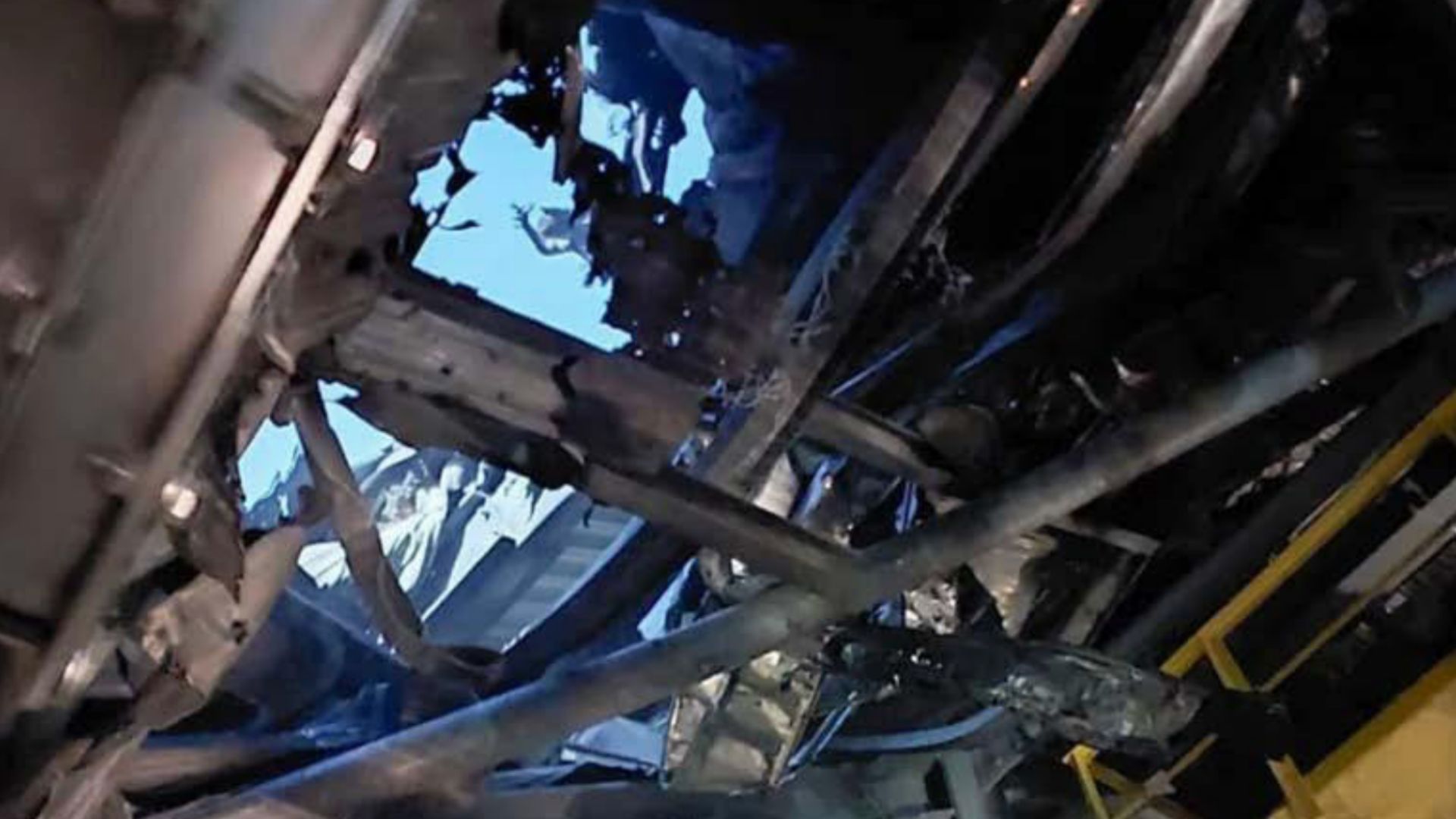
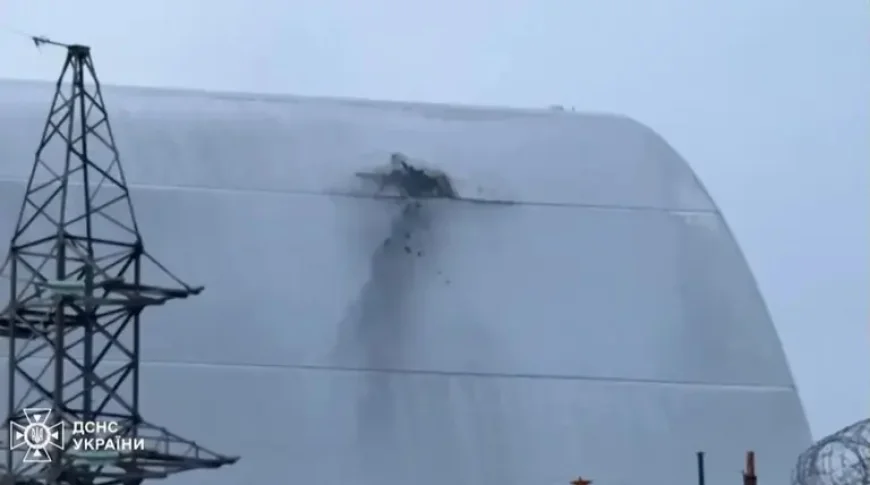
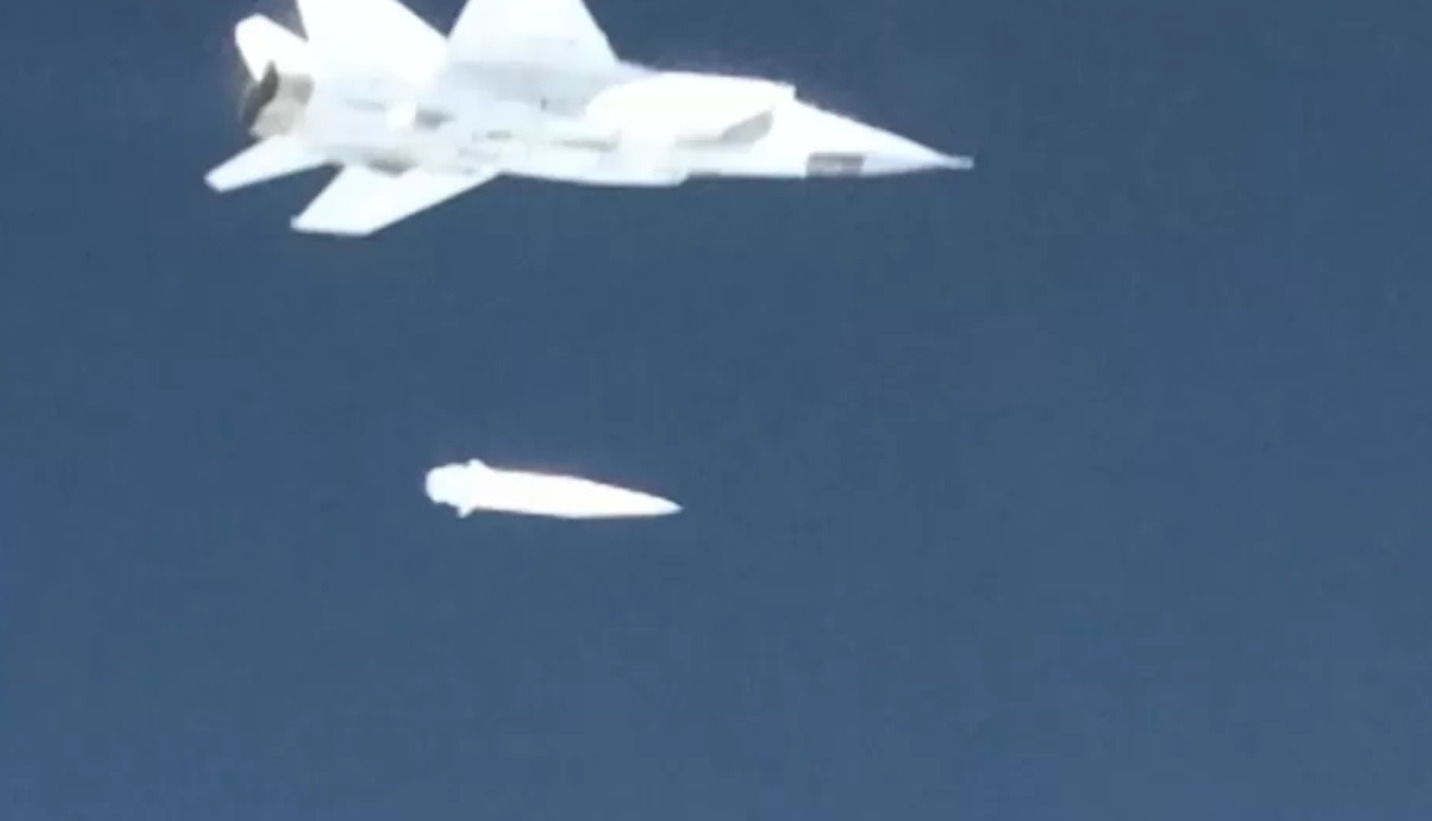
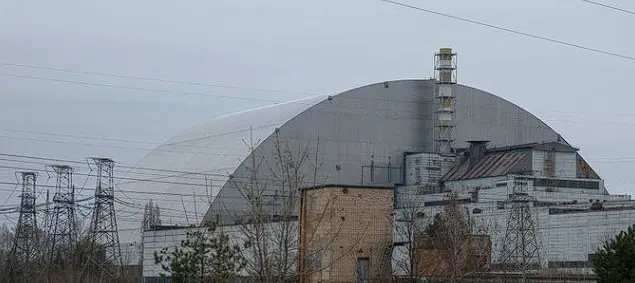
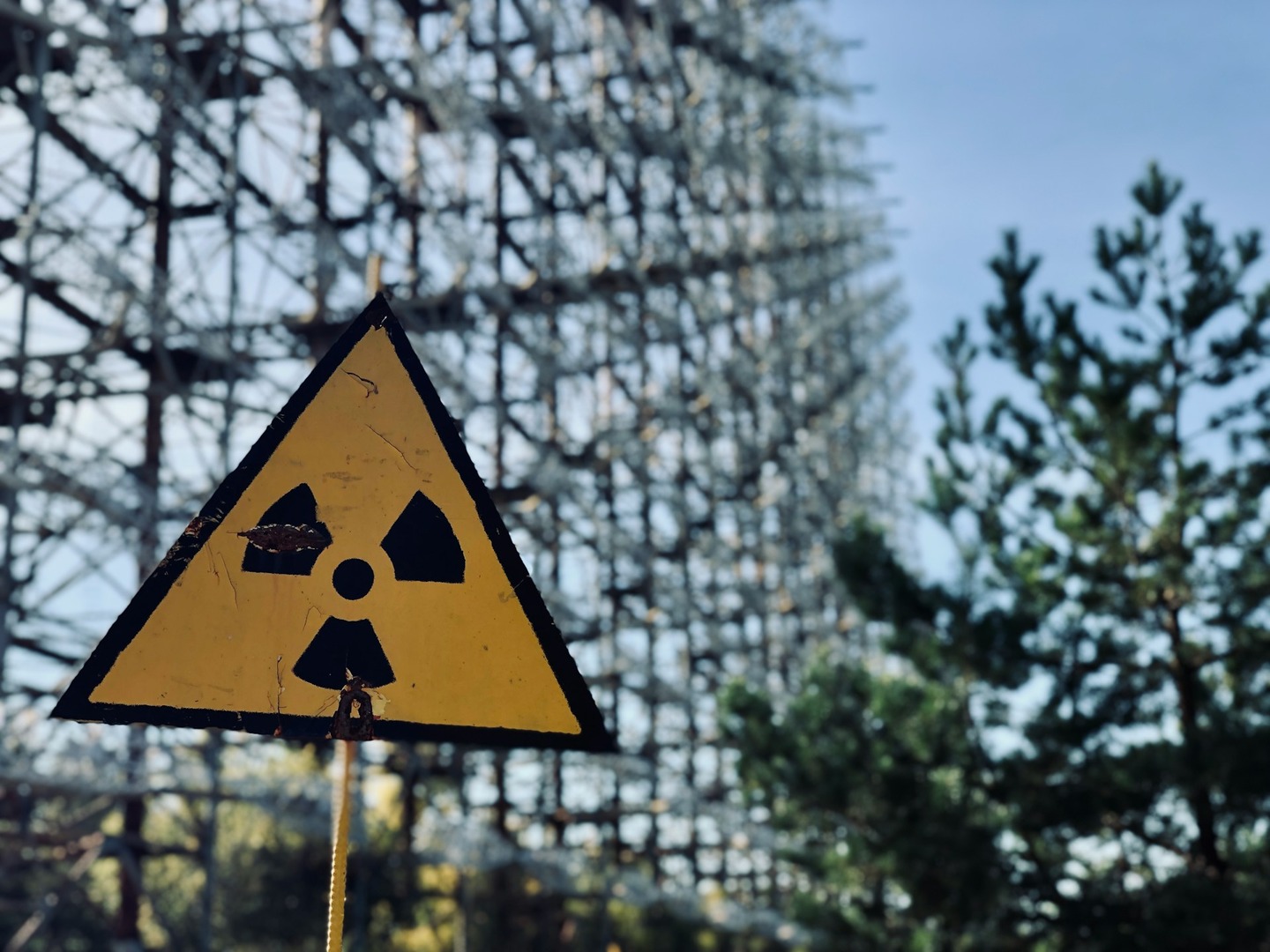
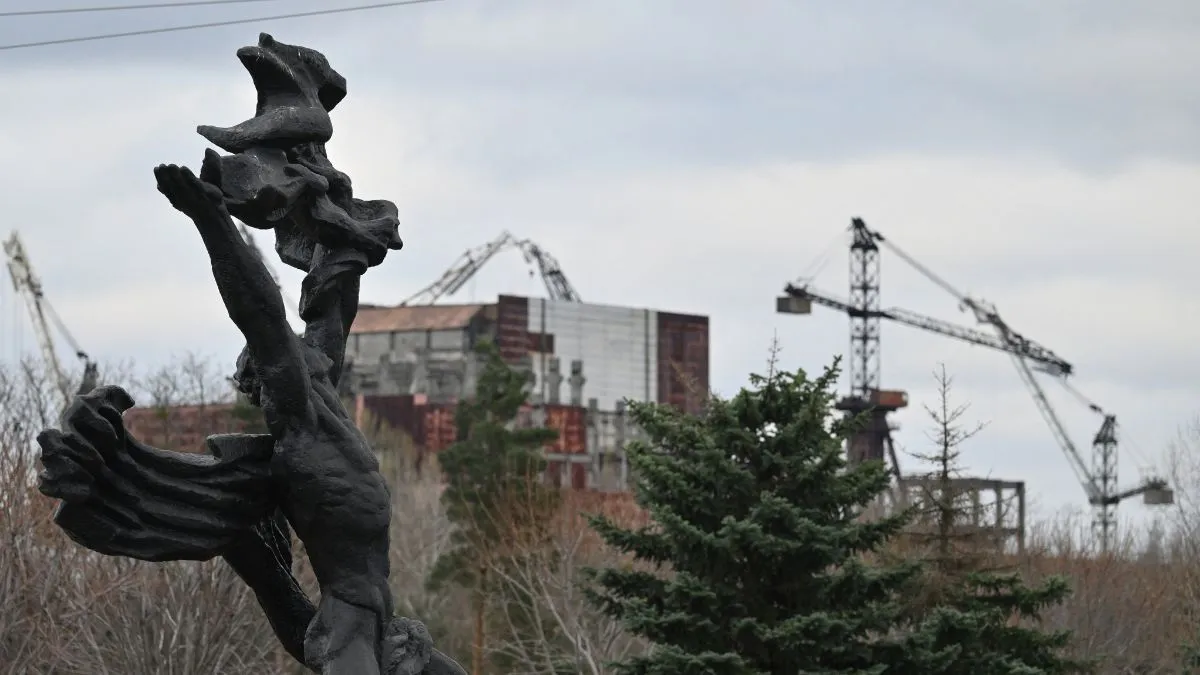
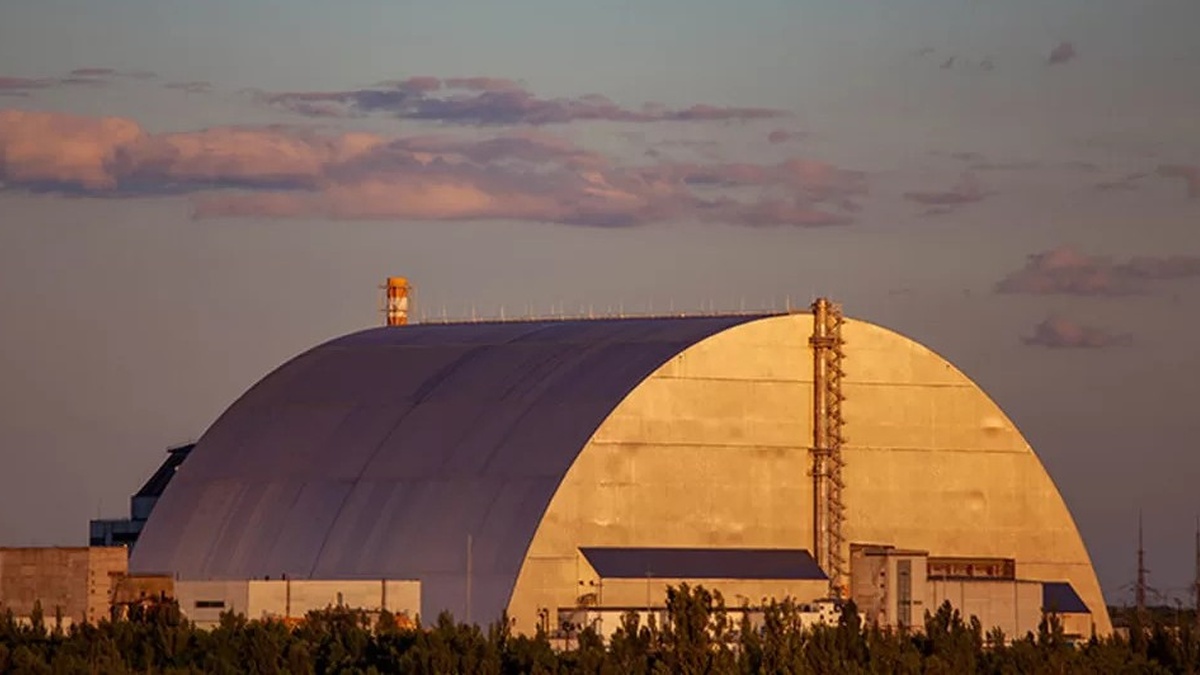
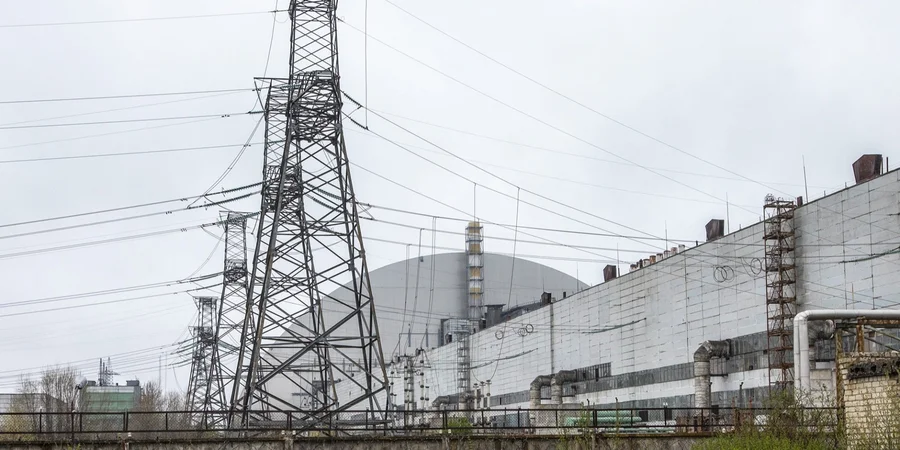
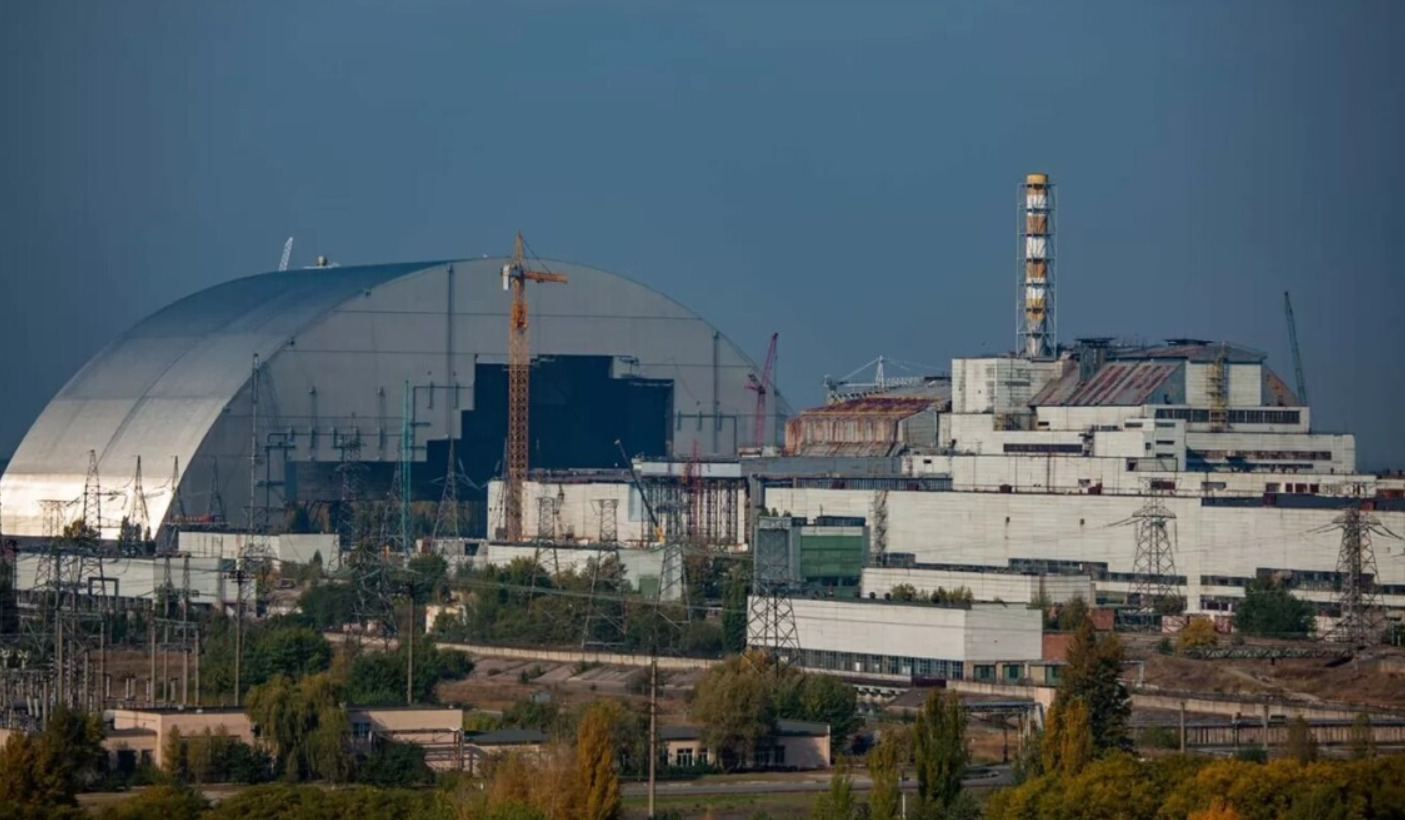
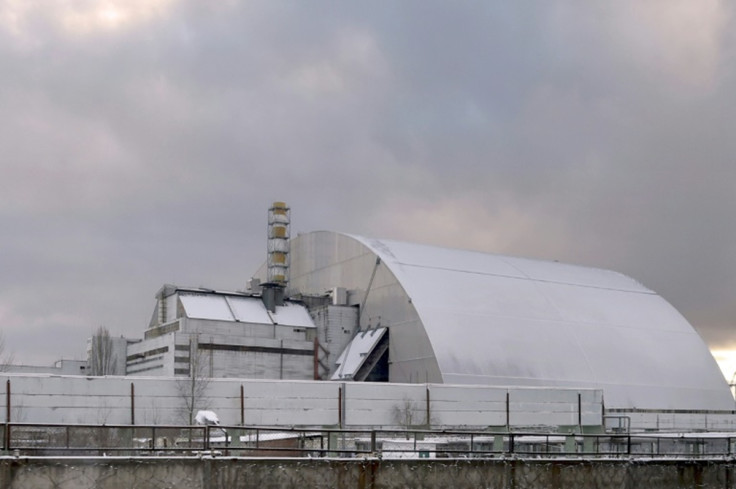
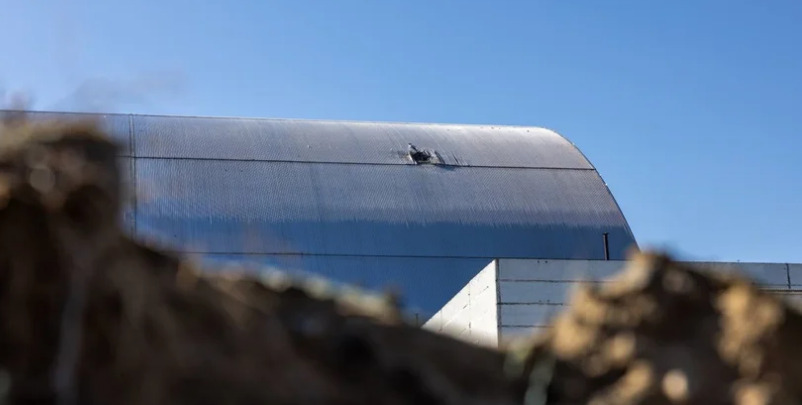
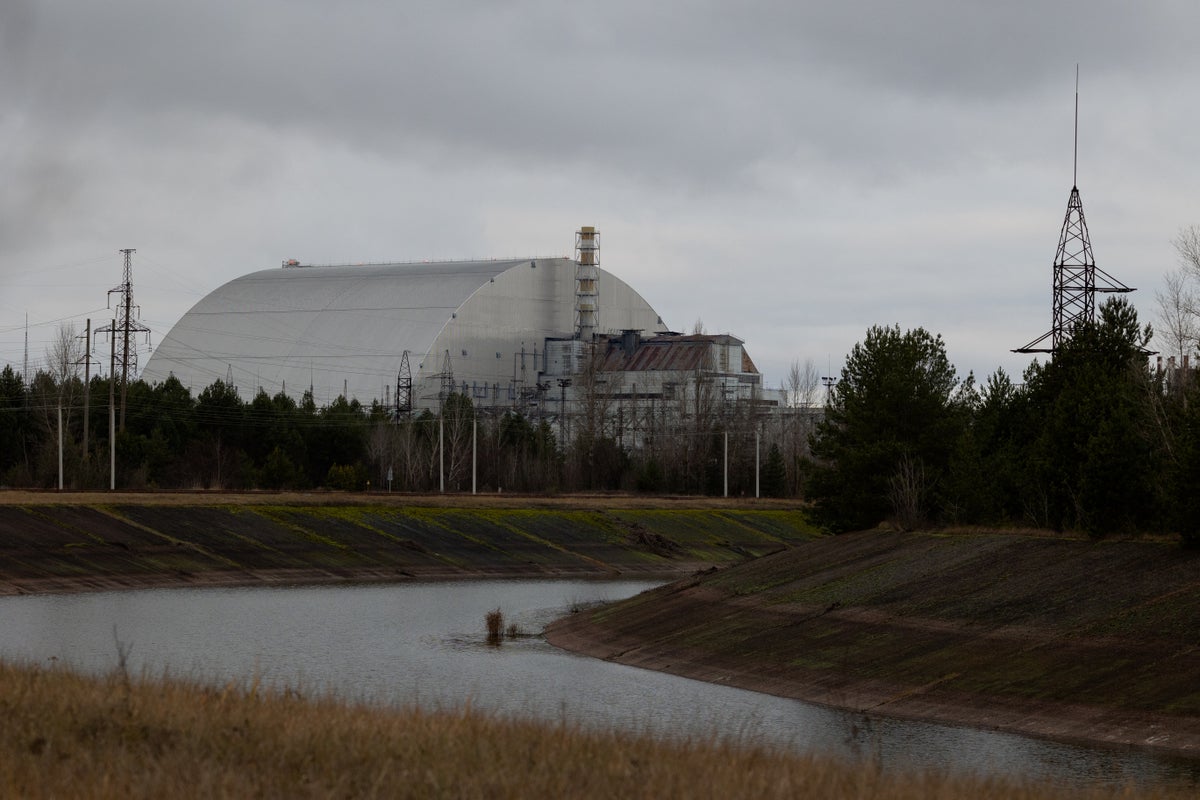
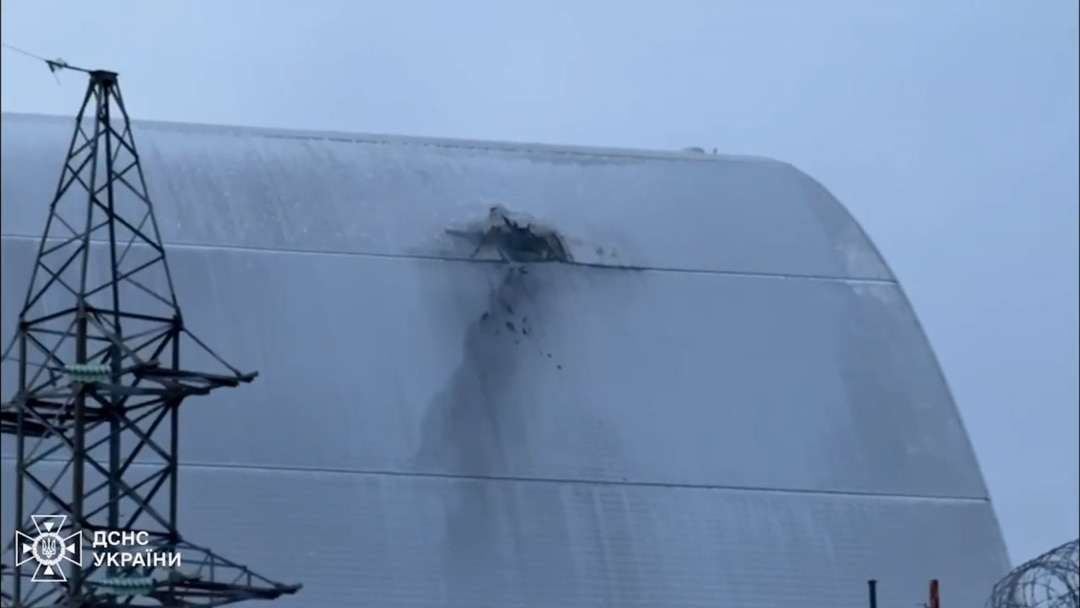
The ongoing military escalation near Ukraine's nuclear facilities—specifically 35 Kinzhal hypersonic missile detections within 20km of Chornobyl and Khmelnytskyi plants since 2022, with 92+ drone incursions near Chornobyl's containment shield since July 2024—represents a critical geopolitical risk factor for cross-border e-commerce sellers operating in or shipping to Eastern Europe. The February 2024 drone strike that pierced Chornobyl's containment structure, with repair costs estimated at €500 million by the European Bank for Reconstruction and Development, signals escalating infrastructure vulnerability in the region.
For e-commerce sellers, this crisis creates three interconnected supply chain challenges. First, logistics disruption risk affects sellers sourcing products from Ukraine or routing shipments through Eastern European distribution hubs. Ukraine historically supplied 12-15% of global neon gas (critical for semiconductor manufacturing), and ongoing military operations threaten production facilities. Sellers in electronics, computer components, and tech accessories categories face potential component shortages and price volatility. Second, market access constraints impact sellers targeting Ukrainian and Russian consumers—payment systems, customs clearance, and cross-border logistics face increasing delays and regulatory uncertainty. Third, insurance and compliance costs rise as shipping insurers adjust premiums for high-risk zones; sellers must update force majeure clauses and supply chain contingency plans.
The International Atomic Energy Agency's repeated warnings about military activities near nuclear facilities underscore the unpredictability of this situation. Sellers should monitor three key indicators: (1) IAEA radiation monitoring reports for escalation signals, (2) Ukrainian customs authority announcements regarding logistics corridor changes, and (3) insurance premium adjustments for Eastern European shipments. The four-year timeline before irreversible corrosion begins (per EBRD assessment) suggests this remains an active risk through 2028, not a short-term disruption. Sellers with significant Eastern European exposure should diversify sourcing, establish alternative logistics routes through Poland or Baltic states, and implement dynamic pricing strategies to absorb potential cost increases of 8-15% for affected product categories.
Questions 8
Should sellers diversify away from Ukrainian suppliers entirely?
Complete diversification is unnecessary but strategic hedging is essential. Ukraine supplies 12-15% of global neon gas and specialized industrial components—alternatives exist but at 15-25% cost premiums. Recommended approach: (1) Maintain 60-90 day safety stock for critical Ukrainian-sourced components, (2) Identify secondary suppliers in Poland, Czech Republic, or Western Europe (expect 10-15% higher costs), (3) Negotiate longer payment terms with Ukrainian suppliers to improve cash flow during delays, (4) Allocate 5-10% of sourcing budget to alternative suppliers as insurance. Monitor IAEA reports quarterly; if radiation levels spike, accelerate diversification. This balanced approach protects against supply shocks while maintaining cost competitiveness.
How does this nuclear crisis compare to other geopolitical supply chain risks sellers face?
The Chornobyl crisis differs from typical geopolitical risks because it combines military escalation with nuclear infrastructure vulnerability. Unlike trade wars (tariff-based, predictable) or port strikes (temporary, localized), nuclear facility damage creates multi-year supply disruptions and unpredictable escalation. The IAEA's repeated warnings and four-year timeline before irreversible corrosion indicate this is a sustained risk through 2028. Sellers should treat this similarly to pandemic-era supply chain disruptions: diversify sourcing, maintain safety stock, and implement dynamic pricing. The €500 million repair cost signals this is a critical infrastructure issue, not a temporary conflict. Monitor this more closely than typical geopolitical events.