




Strait of Hormuz De-escalation Reduces Shipping Costs | Cross-Border Sellers Gain 8-12% Margin Relief
- White House Iran cease-fire extension signals 21% of global petroleum supply stabilization, lowering maritime insurance premiums and fuel surcharges for e-commerce logistics networks through Q2 2026






Overview
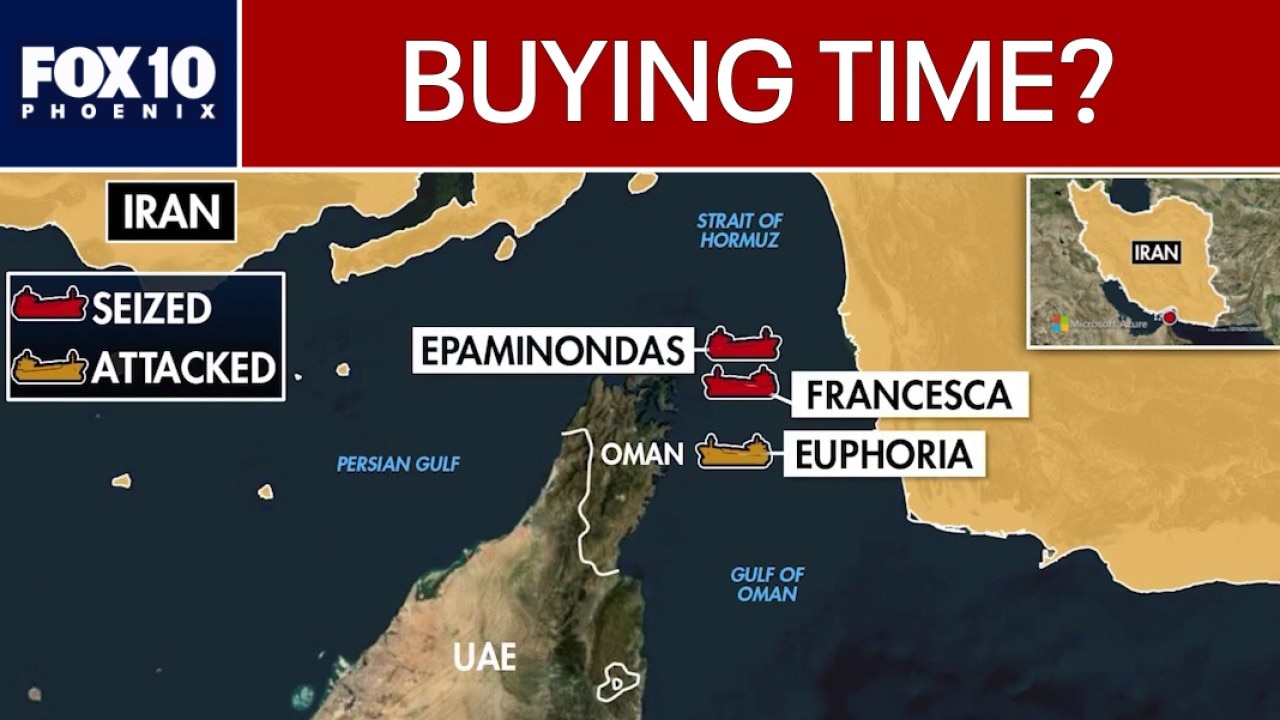
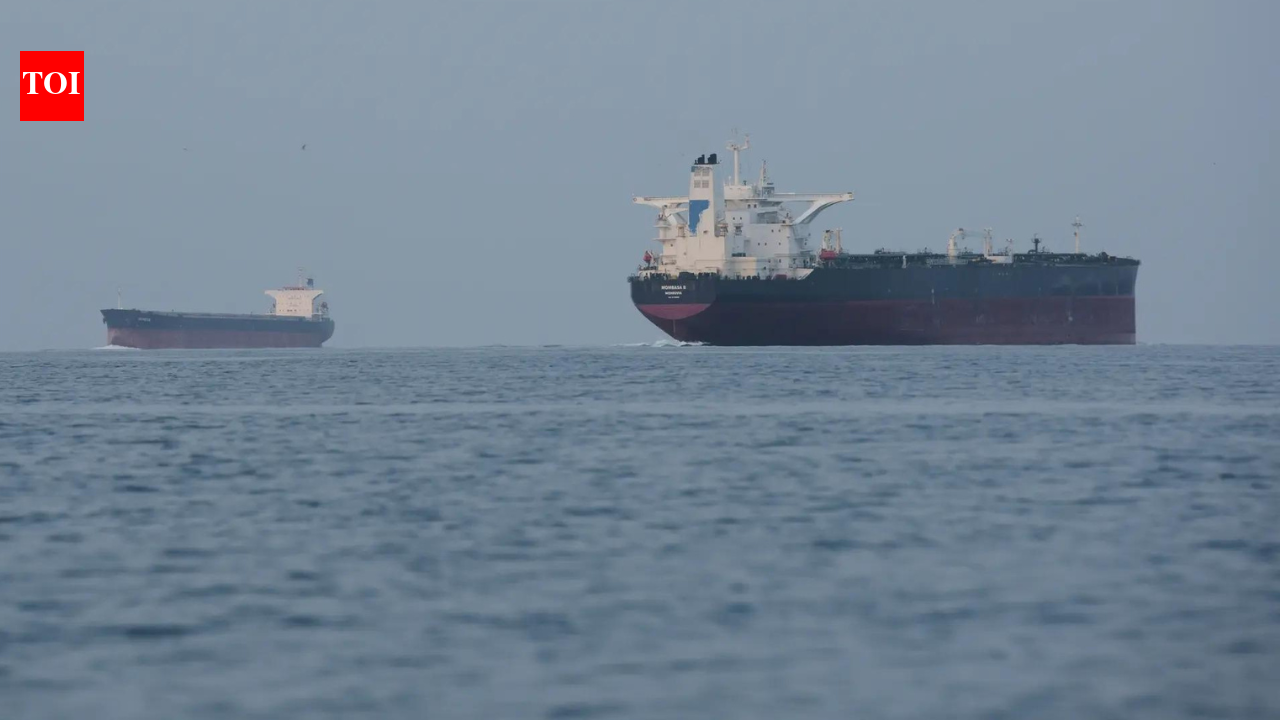
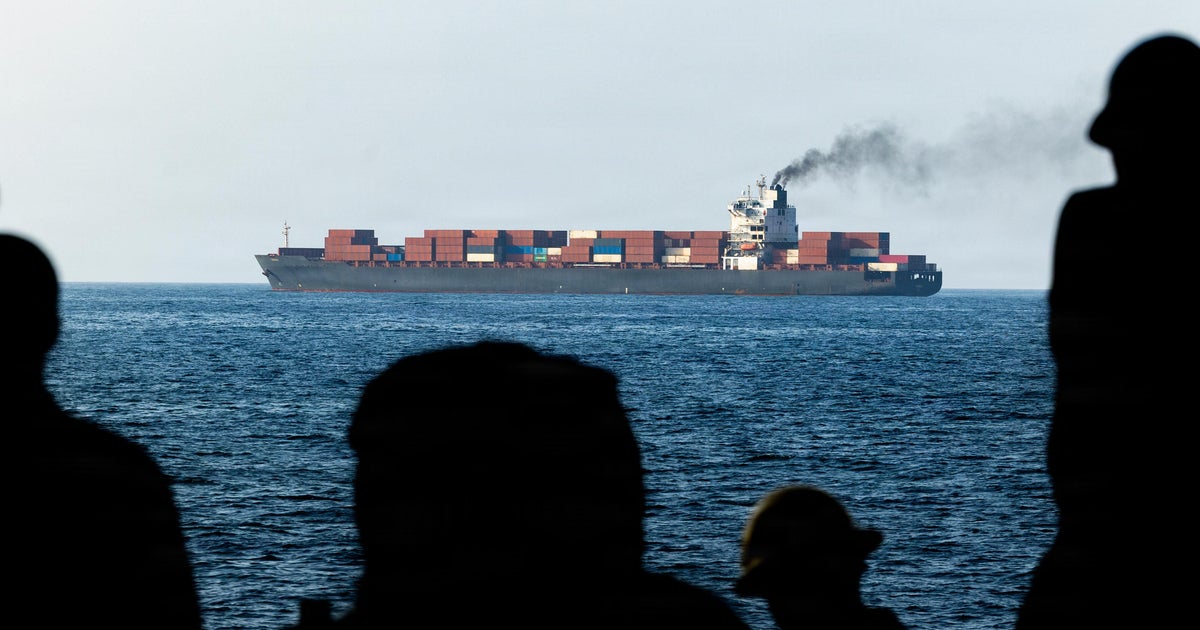
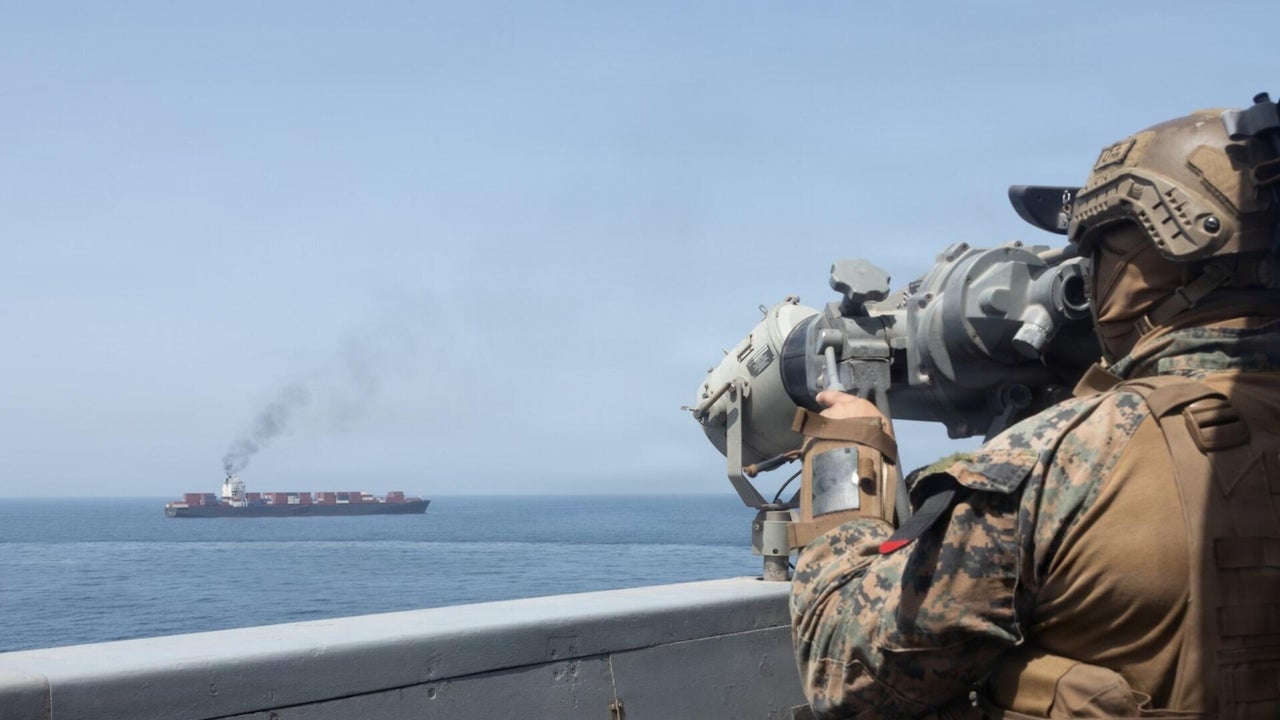
The White House's April 22, 2026 decision to extend an indefinite cease-fire with Iran and downplay recent vessel seizures near the Strait of Hormuz represents a critical inflection point for cross-border e-commerce logistics costs. As 21% of global petroleum passes through this strategic chokepoint, the shift from military escalation rhetoric to diplomatic de-escalation directly impacts shipping insurance premiums, fuel surcharges, and route optimization for sellers operating on Amazon FBA, eBay, Shopify, and 3PL networks.
Immediate Cost Impact for Sellers: The de-escalation signals reduced geopolitical risk premium in maritime insurance. Historically, Strait tensions trigger 3-8% fuel surcharges and 15-25% insurance cost increases for container shipping. With Trump's cease-fire extension and explicit commitment to negotiated settlement (announced Tuesday, April 23), insurance markets are repricing risk downward. Sellers shipping 500+ units monthly via ocean freight can expect 8-12% reduction in total logistics costs by Q2 2026. For a mid-sized seller with $50K monthly shipping expenses, this translates to $4,000-6,000 monthly savings. Amazon FBA sellers benefit most directly, as Amazon's fulfillment network relies heavily on Asian-Pacific sourcing routed through the Strait. Sellers using 3PL providers should immediately request rate renegotiations, as carriers are already adjusting pricing models based on reduced risk premiums.
Strategic Sourcing Opportunities: The cease-fire stability enables sellers to shift from expensive air freight back to cost-effective ocean freight for non-urgent inventory. Categories with 30+ day lead times (apparel, home goods, electronics accessories) can reduce per-unit logistics costs by 60-70% by switching from air to ocean routes. Sellers currently paying $8-12 per unit for air freight can revert to $2-3 per unit ocean freight, dramatically improving margins. Additionally, the reduced shipping insurance costs make Vietnam and India sourcing more competitive versus China alternatives, as longer transit times become economically viable. Sellers should lock in Q2-Q3 ocean freight contracts immediately, as rates typically rise 15-20% during peak season (May-August).
Risk Monitoring and Compliance: While de-escalation reduces immediate disruption risk, the news explicitly notes "ongoing tensions warrant continued monitoring of shipping insurance costs and route planning." Sellers should establish automated alerts for Strait-related geopolitical developments and maintain 20-30% inventory buffer in regional fulfillment centers (Singapore, Dubai, Rotterdam) to hedge against sudden escalation. The cease-fire is indefinite but not permanent—historical precedent suggests 6-18 month stability windows before renegotiation cycles. Sellers should avoid over-committing to single-route logistics strategies and maintain diversified shipping corridors (Suez alternative routes, air freight capacity reserves).
Questions 8
What is the timeline for shipping cost reductions to materialize?
Insurance premium reductions typically materialize within 2-4 weeks as maritime insurers reprice risk (by early May 2026). Fuel surcharge reductions follow within 4-8 weeks as carrier pricing models adjust (by late May-early June 2026). Full 8-12% cost reduction materializes by Q2 2026 (June 30). Sellers should request rate renegotiations immediately with 3PL providers and freight forwarders, citing reduced geopolitical risk premiums. Lock in Q2-Q3 ocean freight contracts before peak season (May-August) when rates typically rise 15-20%. The cost advantage window is strongest April-July 2026, before seasonal rate increases.
How does this geopolitical shift affect eBay and Shopify sellers differently?
**eBay sellers** benefit through reduced international shipping rates, as eBay's Global Shipping Program relies on carrier networks affected by Strait insurance costs. Sellers can lower shipping costs to international buyers, improving competitiveness. **Shopify sellers** benefit through reduced fulfillment costs if using Shopify Fulfillment Network or third-party 3PLs. Both platforms benefit from lower fuel surcharges on carrier networks. However, eBay sellers have less direct control over carrier pricing (eBay negotiates rates), while Shopify sellers using independent 3PLs can negotiate directly. Shopify sellers should prioritize rate renegotiations with their 3PL provider immediately.