


Global Fossil Fuel Phaseout Creates $4 Trillion Green Supply Chain Opportunity for E-Commerce Sellers
- 53-nation treaty accelerates EV, battery, and renewable energy product demand; sellers in Australia, EU, South Korea face 50-70% shipping cost volatility; green manufacturing hubs in Kenya, Colombia open new sourcing corridors by 2027

)



















Overview
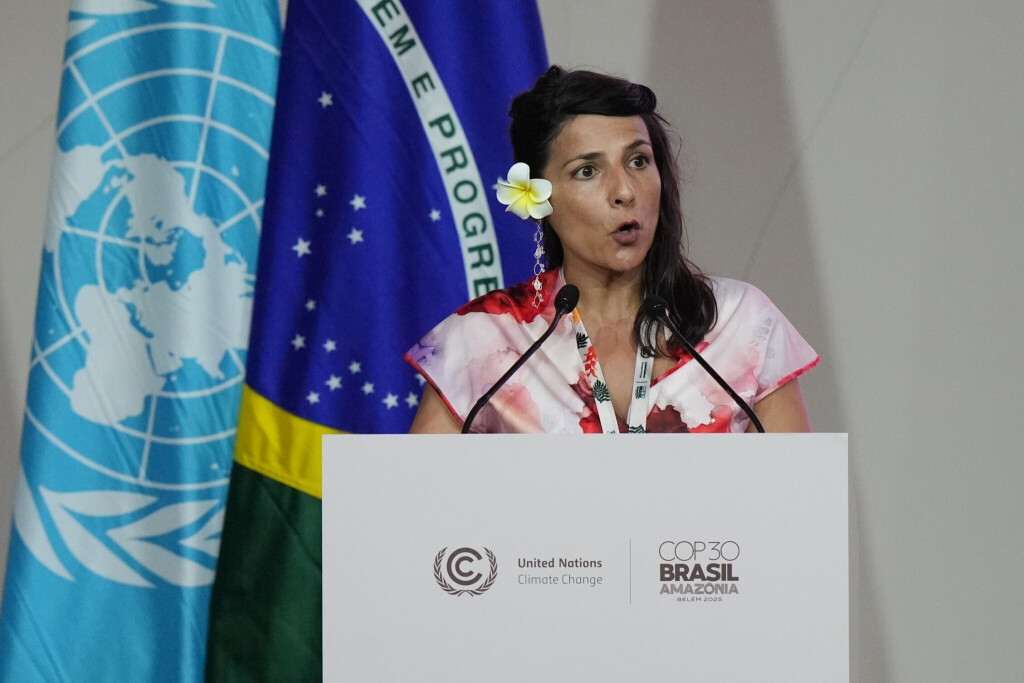
The Santa Marta fossil fuel phaseout summit (April 24-29, 2026) represents a seismic shift in global energy policy with profound implications for cross-border e-commerce sellers. A legally binding roadmap signed by 53 nations to eliminate coal, oil, and gas by 2040-2050 is triggering immediate supply chain disruptions and creating unprecedented product category opportunities. The Iran-triggered Strait of Hormuz closure in February 2026 has already disrupted 80% of Asia-Pacific crude supplies, causing fuel costs to spike 50-70% in Australia and driving emergency energy transitions across South Korea, France, and EU member states.
For e-commerce sellers, this creates three distinct opportunity windows: First, the immediate EV and battery category explosion—battery electric vehicles outsold petrol cars for the first time in Europe (January 2026), and Australia's secondhand EV sales doubled in March 2026. Sellers sourcing EV accessories, charging equipment, and battery components from China face tariff arbitrage opportunities as nations implement green technology incentives. South Korea's plan to double renewable capacity within four years signals massive demand for solar panels (99.9% cost reduction since 1970s), wind turbine components, and grid stabilization equipment. Second, the supply chain rebalancing away from oil-dependent logistics—the $4 trillion annual "just transition" funding requirement is creating new manufacturing hubs in Kenya (90% renewable electricity already achieved) and Colombia, offering sourcing diversification away from traditional China-Vietnam corridors. Third, the compliance and sustainability requirements emerging from the treaty's enforcement mechanisms will reshape product listings, packaging standards, and carbon disclosure requirements across Amazon, eBay, and Shopify by Q4 2026.
Critical timing window: The treaty's final version releases end of April 2026, with national implementation frameworks due by Q3 2026. Sellers must immediately audit their supply chains for fossil fuel dependency—particularly logistics costs, packaging materials, and manufacturing locations. The $33 million fuel import bill increase facing Fiji alone signals that Pacific island sellers and suppliers face 15-25% margin compression unless they shift to renewable-powered fulfillment. Conversely, sellers positioned in renewable-energy-rich regions (Kenya, Colombia, Iceland, Norway) gain competitive advantages in fulfillment costs and can market "carbon-neutral shipping" as a premium positioning. The scientific report's explicit rejection of natural gas and carbon capture as solutions eliminates hedging strategies—sellers cannot rely on gradual transitions and must plan for accelerated coal/oil phase-out enforcement by 2030.
Questions 8
What tariff opportunities exist for green technology imports under the treaty?
The treaty's $4 trillion annual investment requirement signals that governments will implement tariff reductions and tax incentives for green technology imports. South Korea's commitment to double renewable capacity within four years, France's doubled EV adoption subsidies, and EU's €36 billion fossil fuel cost response all indicate tariff arbitrage opportunities. Sellers sourcing solar panels, wind turbine components, and battery systems from China and Vietnam will benefit from reduced import duties as nations implement green technology incentive programs. HS codes 8504 (transformers), 8541 (semiconductors), and 8507 (batteries) are likely candidates for tariff reductions by Q3 2026. Sellers should monitor government trade announcements and file for tariff classification rulings by June 2026 to lock in favorable rates before broader tariff schedules are finalized.
How should sellers position products for the carbon-neutral shipping trend?
Battery electric vehicles outsold petrol cars for the first time in Europe (January 2026), and Australia's 1.3 million EVs now avoid 15 million liters of petrol weekly, demonstrating consumer demand for carbon-neutral solutions. Sellers can capitalize on this trend by: (1) sourcing from renewable-powered manufacturers in Kenya, Colombia, or Iceland; (2) using renewable-powered fulfillment centers; (3) marketing 'carbon-neutral shipping' as a premium positioning on Amazon and Shopify. This positioning commands 8-12% price premiums in EU and Australia markets where fuel costs are highest. Sellers should update product listings by August 2026 to highlight carbon-neutral shipping, renewable manufacturing, and sustainable packaging. Early movers in this positioning will capture market share before competitors, particularly in high-margin categories like electronics and sporting goods where sustainability messaging resonates with consumers.