




Political Polarization Reshapes Conservative Media Landscape | Seller Audience Fragmentation Risks
- Republican approval drops 12 percentage points (92% to 80%) as influential media figures pivot away from Trump, fragmenting conservative audience reach for sellers targeting MAGA demographics









Overview
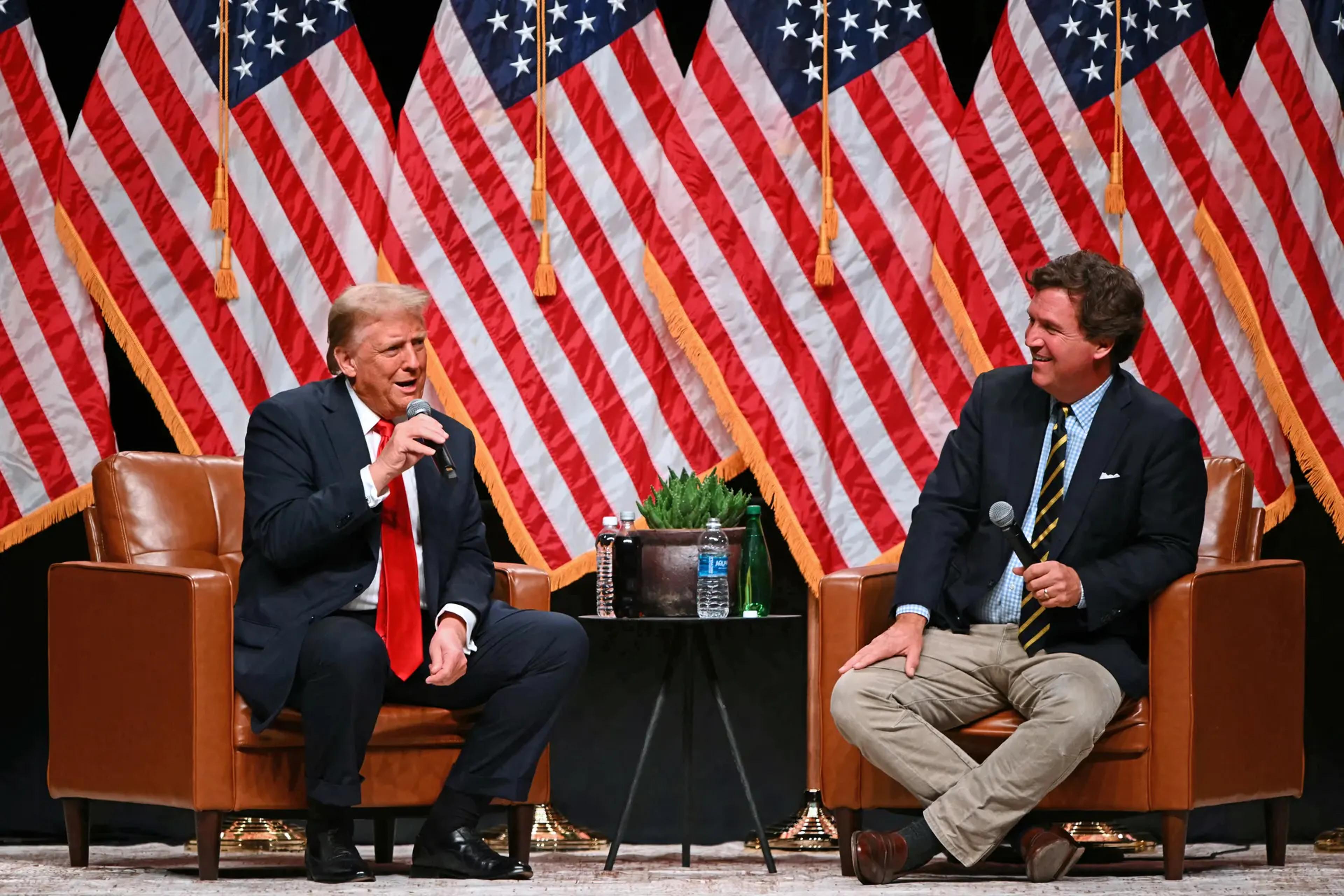
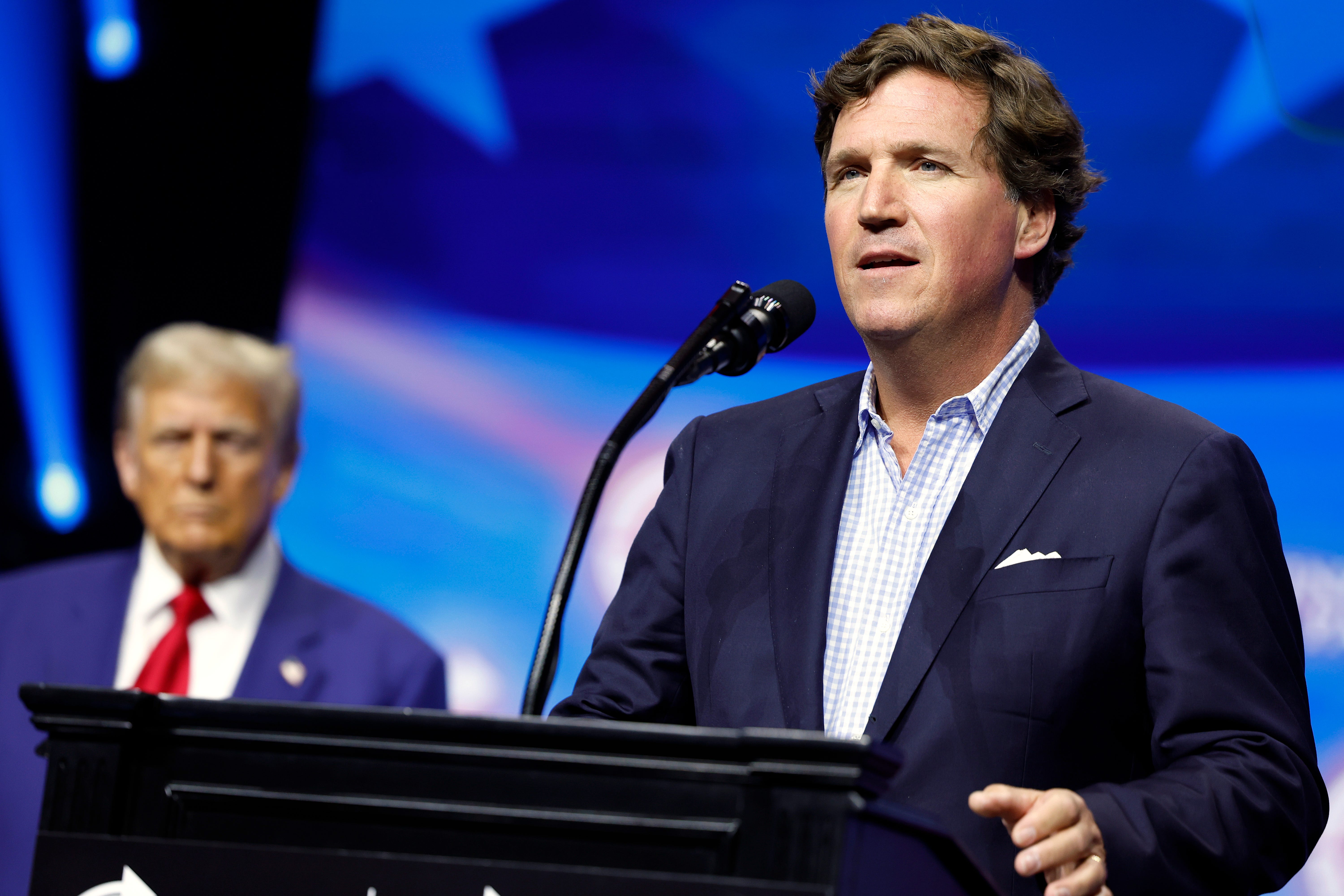
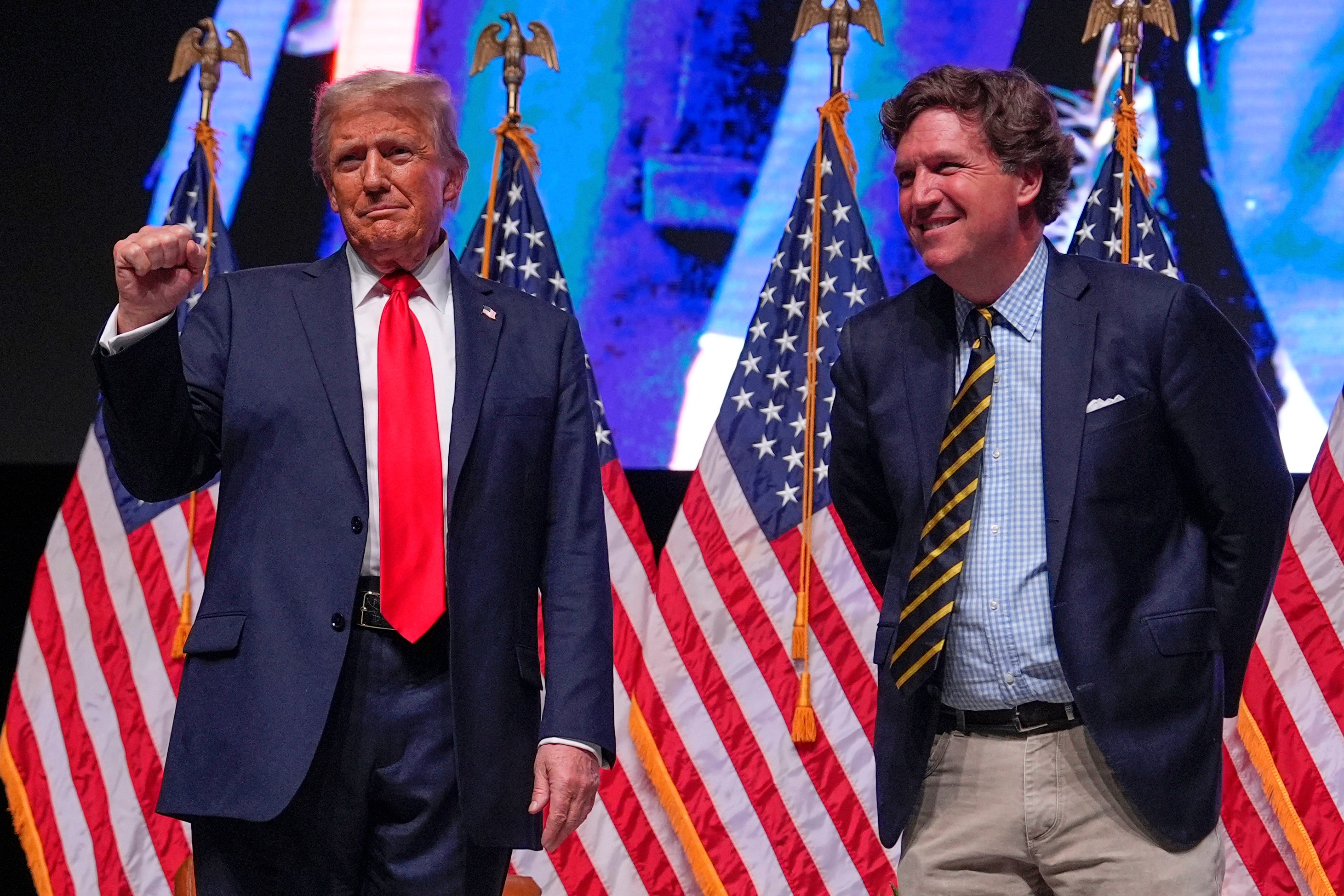
The deteriorating relationship between prominent conservative media personalities and President Trump represents a significant realignment in the MAGA political ecosystem with direct implications for e-commerce sellers targeting conservative audiences. CNN polling data reveals Republican approval of Trump declined from 92% in March 2025 to 80% by the following March, with strong approval dropping from 64% to 43%—a 21-point collapse in enthusiastic support. Key figures including Tucker Carlson, Marjorie Taylor Greene, Candace Owens, and Alex Jones have publicly expressed buyer's remorse, citing Trump's Iran military intervention, perceived failures on mass deportations, and handling of January 6 rioters as breaking points.
Audience Fragmentation Impact for Sellers: These influential media personalities control substantial social media followings and podcast audiences that reach millions of rank-and-file Republicans. Tucker Carlson's podcast reaches 2M+ weekly listeners; his public denunciation signals potential audience migration to alternative conservative platforms. This fracture directly affects sellers who have built marketing strategies around conservative influencer partnerships and MAGA-aligned audience targeting. The emergence of vocal opposition from previously loyal Trump advocates creates uncertainty in conservative media's unified messaging, potentially reducing the effectiveness of influencer-driven campaigns that previously leveraged unified MAGA sentiment.
Economic Policy Uncertainty: Trump's policies—including the Iran war driving up gas prices and tariffs potentially fueling inflation—create macroeconomic headwinds affecting consumer purchasing power. Rising gas prices and inflation directly compress discretionary spending among middle-income conservative consumers, a core demographic for many e-commerce sellers. The article notes tariffs are "potentially fueling inflation," which historically reduces online retail spending as consumers prioritize essentials. Additionally, Trump's redistricting efforts backfired in Virginia and California, signaling potential shifts in regional political power that could affect state-level regulations affecting e-commerce operations (sales tax, consumer protection laws, data privacy).
Platform and Messaging Volatility: The ideological rupture between Carlson and Trump tests whether MAGA functions as a personality cult or ideological movement. If MAGA fractures into competing factions (Trump loyalists vs. ideological purists), sellers relying on unified conservative messaging face audience segmentation challenges. Carlson's pivot to podcasting after losing his Fox News position demonstrates how media personalities can rapidly shift platforms, potentially fragmenting the conservative audience across multiple channels (podcasts, Substack, alternative platforms) rather than consolidated traditional media. This reduces predictability for sellers planning influencer marketing campaigns or sponsored content strategies targeting conservative demographics.
Immediate Operational Considerations: Sellers should monitor whether this political fracture accelerates migration to alternative social platforms (Truth Social, Rumble, Gettr) where conservative audiences may consolidate. The 12-point decline in Republican approval suggests weakening consumer confidence among Trump supporters, potentially affecting discretionary spending in categories like political merchandise, patriotic apparel, and conservative media products. Sellers in these categories should diversify audience reach beyond single influencers or unified MAGA messaging, as the fracture indicates no single conservative media figure commands unified audience loyalty anymore.
Questions 7
What are the macroeconomic risks from rising gas prices and inflation mentioned in the news?
The article notes Trump's Iran war is 'driving up gas prices' and tariffs are 'potentially fueling inflation,' creating dual headwinds for consumer purchasing power. Rising gas prices increase transportation costs for consumers, reducing discretionary spending budgets. Inflation compresses real purchasing power, particularly affecting middle-income consumers (core MAGA demographic). For sellers: (1) Monitor gas price trends and adjust shipping cost estimates; (2) Review product pricing strategy as inflation erodes consumer budgets; (3) Expect reduced demand in discretionary categories (apparel, collectibles, non-essentials); (4) Consider shifting inventory toward essential/value-oriented products; (5) Prepare for potential recession if inflation persists. Historical data shows consumer spending typically declines 2-4% during inflationary periods. Sellers should stress-test inventory and cash flow assumptions for 10-15% demand reduction in discretionary categories.
How might redistricting changes in Virginia and California affect e-commerce regulations?
The news reports Trump's redistricting efforts 'backfired, with Democrats gaining advantages in Virginia and California redistricting battles.' This signals potential shifts in state-level political power that could affect e-commerce regulations. Democratic-controlled legislatures typically implement stricter consumer protection laws, data privacy regulations (similar to California's CCPA), and sales tax enforcement. Sellers should: (1) Monitor Virginia and California legislative changes for new e-commerce compliance requirements; (2) Review current sales tax registration status in these states; (3) Prepare for potential data privacy regulation changes; (4) Assess impact on product categories subject to state-specific restrictions. Democratic-controlled states historically implement more aggressive consumer protection enforcement, potentially increasing compliance costs and audit risk for sellers. Budget 10-20 hours annually for regulatory monitoring in these states.