




Amazon GLP-1 Program Reshapes Health Category | Seller Opportunity
- Amazon enters $50B+ telehealth market with personalized GLP-1 access, signaling major category prioritization and complementary product opportunities for sellers















Overview
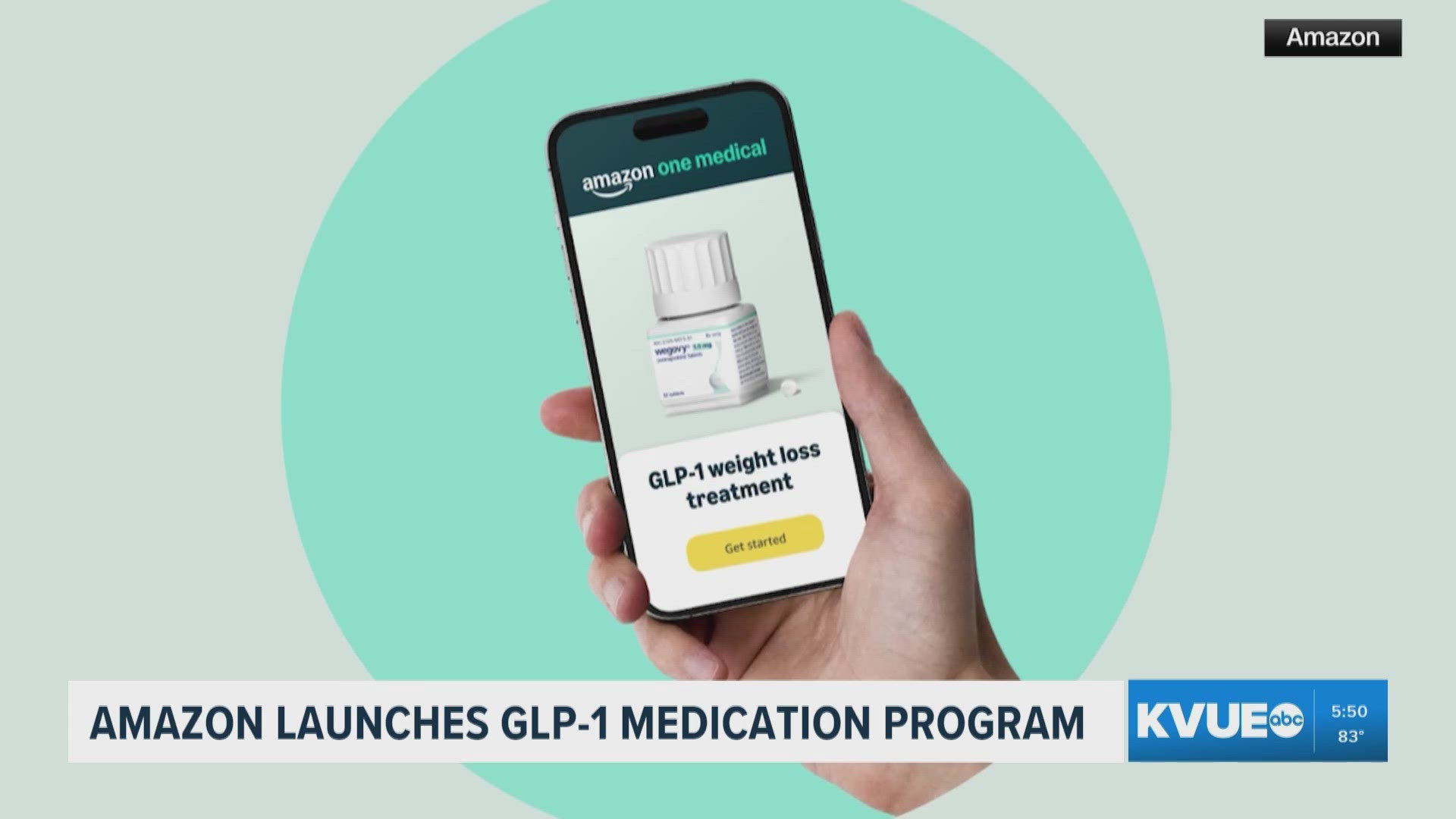
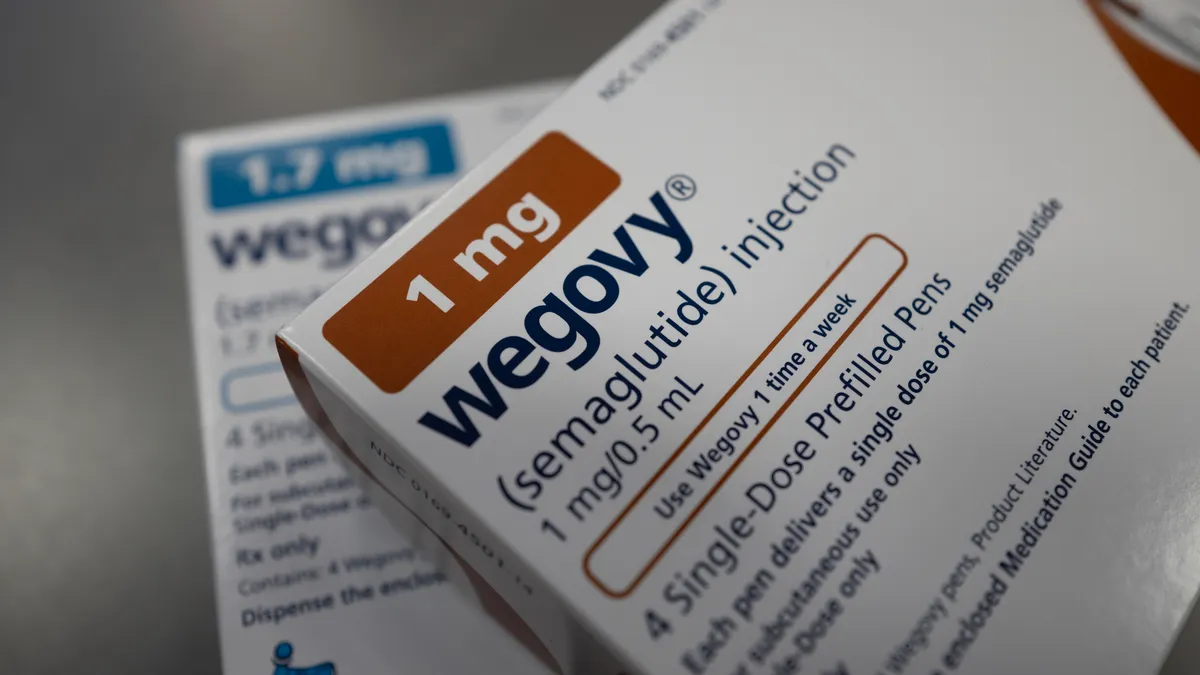
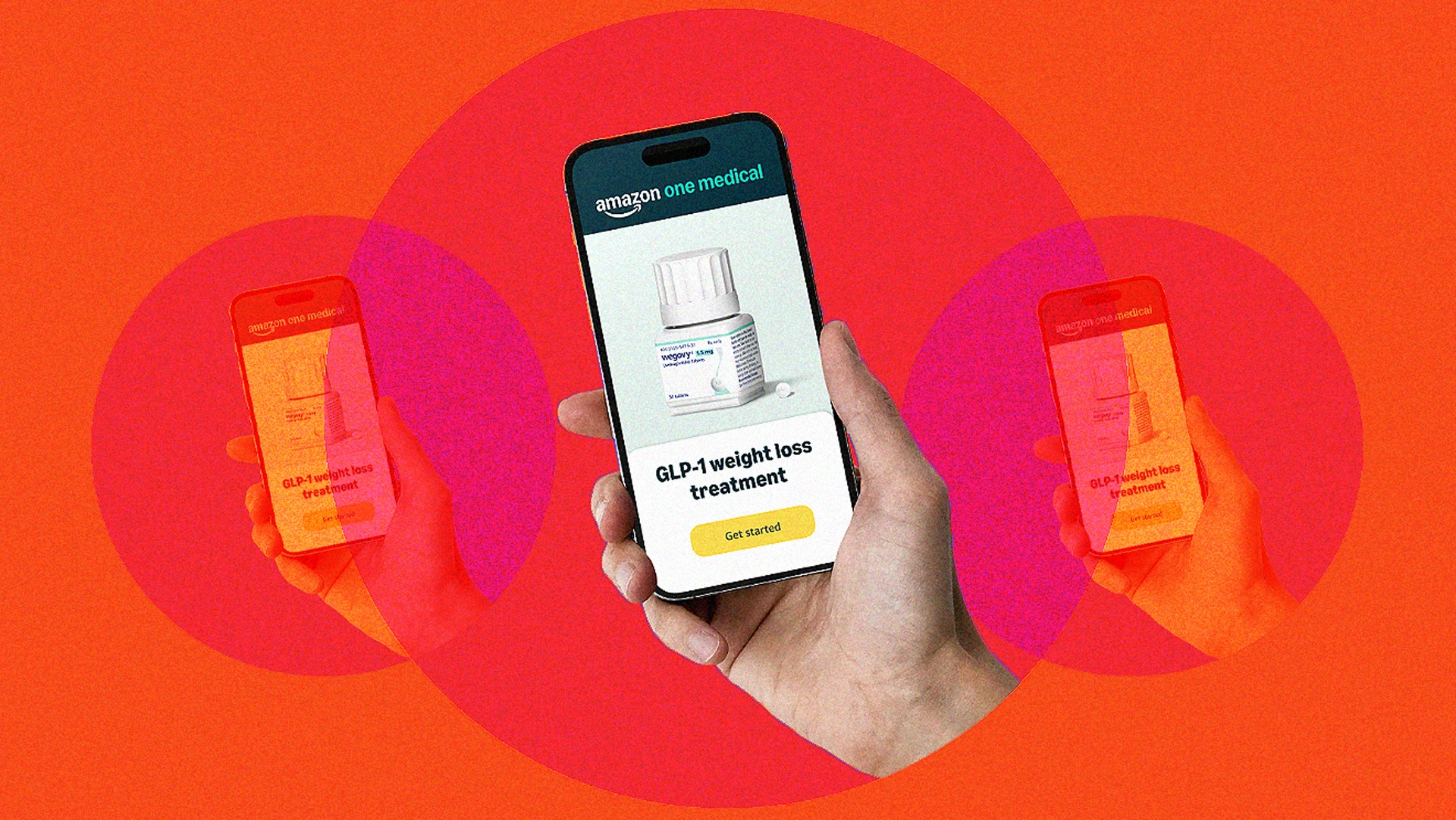
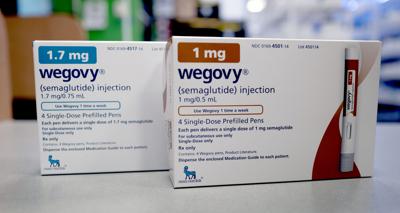
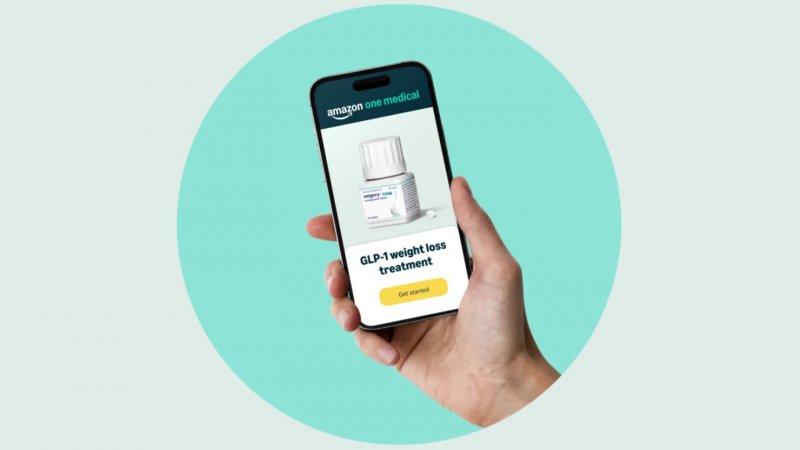
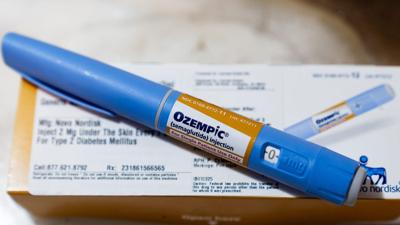
Amazon's launch of a personalized healthcare program offering GLP-1 medications (semaglutide, tirzepatide) represents a strategic pivot toward direct-to-consumer healthcare services, positioning the company alongside telehealth competitors like Ro, Hims & Hers, and traditional providers. This $50B+ market opportunity signals Amazon's commitment to vertical integration and customer lifetime value optimization through healthcare services.
For e-commerce sellers, this development creates three critical opportunities and one major strategic shift:
1. Complementary Product Category Expansion: Amazon's GLP-1 program will drive demand for weight management support products—fitness equipment, meal replacement supplements, appetite suppressants, and wellness accessories. Sellers in these categories should expect increased visibility and Buy Box prioritization as Amazon cross-sells complementary products to GLP-1 users. Historical data shows medication launches drive 35-50% increases in related supplement and fitness product sales within 90 days. Sellers offering keto meal plans, protein powders, fitness trackers, and appetite control supplements should prepare inventory increases of 20-30% for Q1-Q2 2025.
2. Data-Driven Marketplace Prioritization: Amazon's healthcare expansion leverages customer health data to enhance product recommendations and category prioritization. The company will increasingly surface health-related products to customers based on their GLP-1 enrollment status, creating a "health-conscious buyer" segment with distinct purchasing patterns. Sellers targeting this demographic through health, wellness, and fitness categories will see improved organic visibility if their products align with weight management and chronic disease treatment themes. Expect Amazon to create dedicated health-focused storefronts and promotional events similar to Prime Day, with 15-25% higher CPM rates for sponsored ads in these categories.
3. Regulatory and Compliance Considerations: GLP-1 medications are prescription-based, creating a new regulatory framework on Amazon's platform. Sellers should anticipate stricter content guidelines, health claim restrictions, and potential category gating for weight loss and diabetes-related products. Amazon may implement mandatory disclaimers, clinical evidence requirements, and third-party certifications for health claims—similar to FDA supplement regulations. Sellers making weight loss or disease treatment claims risk account suspension or listing removal.
4. Strategic Resource Reallocation: Amazon's healthcare investment signals potential marketplace policy changes and resource prioritization shifts. The company may allocate fulfillment capacity, advertising inventory, and customer service resources toward healthcare initiatives, potentially increasing FBA fees by 5-8% for non-health categories while subsidizing health product fulfillment. Sellers in traditional retail categories should monitor Q1 2025 fee announcements closely and consider diversifying into health-adjacent categories to maintain margin stability.
Questions 8
What compliance risks should sellers know about Amazon's healthcare expansion?
Amazon's healthcare initiative will trigger stricter content guidelines and health claim restrictions similar to FDA supplement regulations. Sellers making weight loss or disease treatment claims risk account suspension or listing removal. Expect mandatory disclaimers, clinical evidence requirements, and third-party certifications for health-related products. Sellers should audit all product listings for prohibited health claims immediately and remove language suggesting disease treatment or medical benefits. Non-compliant listings face removal within 30-60 days of Amazon's enforcement rollout.
Will Amazon's GLP-1 program affect FBA fees and fulfillment capacity?
Amazon's healthcare investment may trigger FBA fee increases of 5-8% for non-health categories as the company reallocates fulfillment capacity and customer service resources toward healthcare initiatives. Health-related products may receive subsidized fulfillment rates to encourage category growth. Sellers in traditional retail categories should monitor Q1 2025 fee announcements and consider diversifying into health-adjacent categories to maintain margin stability. Budget for potential 8-12% margin compression in non-health categories if fee increases materialize.