





The Great American Penny Farewell: How Currency Policy Disrupts Small Business Economics
- A seismic shift in monetary policy creates unexpected ripple effects across restaurant and retail sectors



























Overview
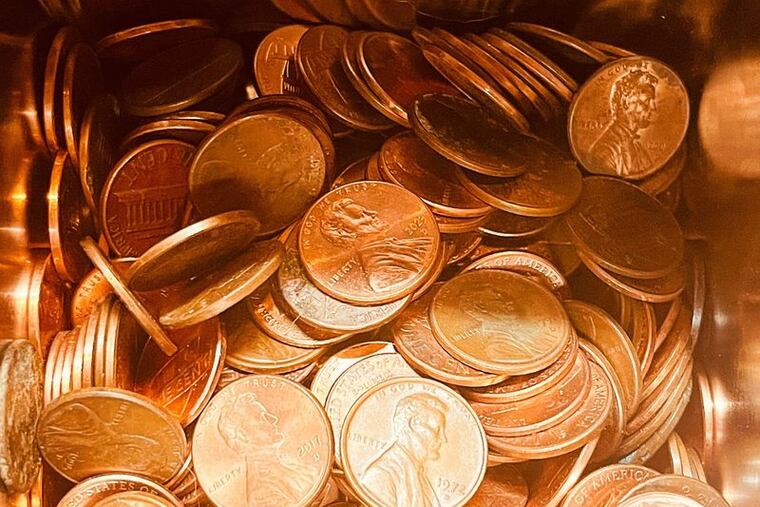
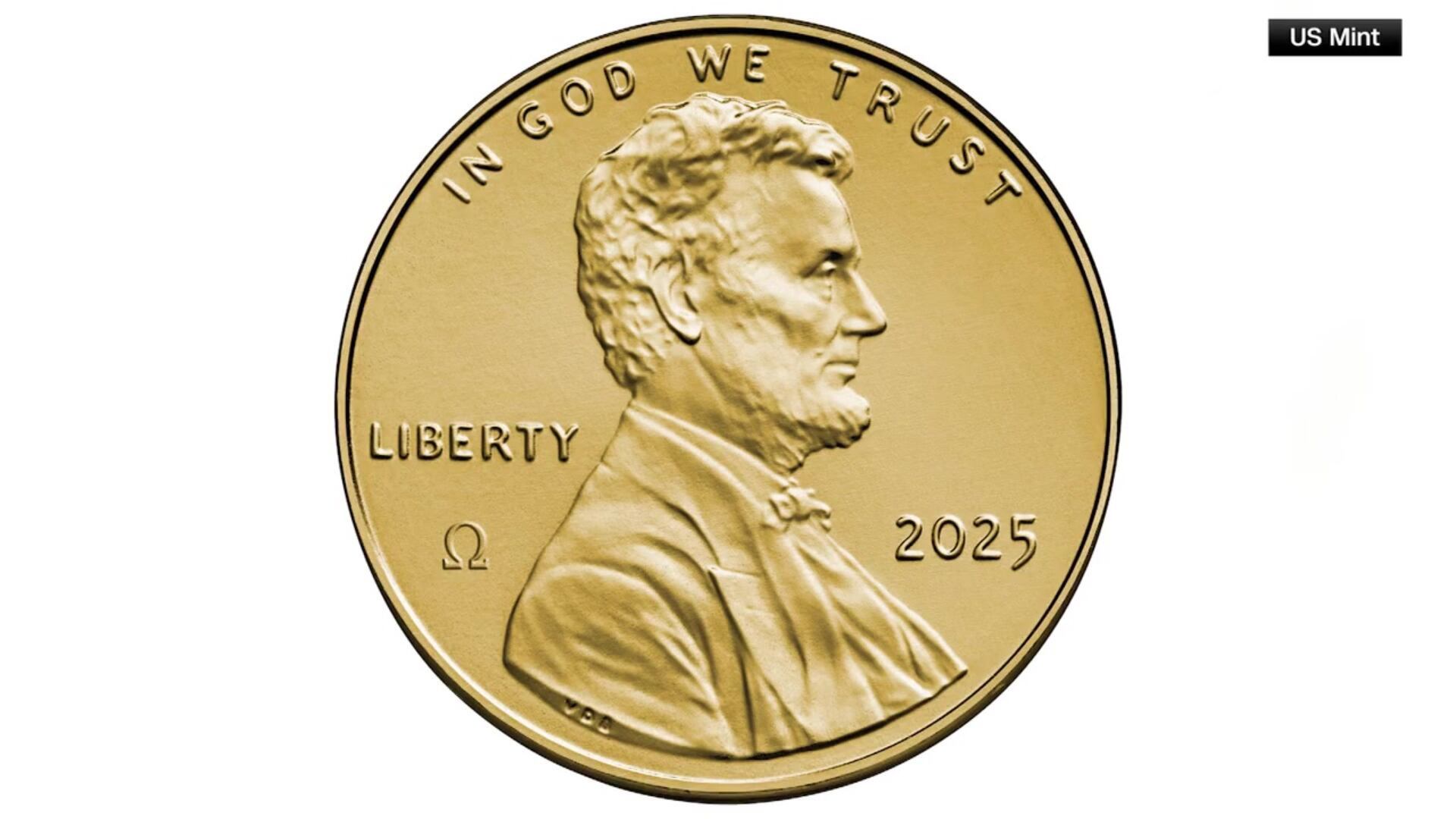
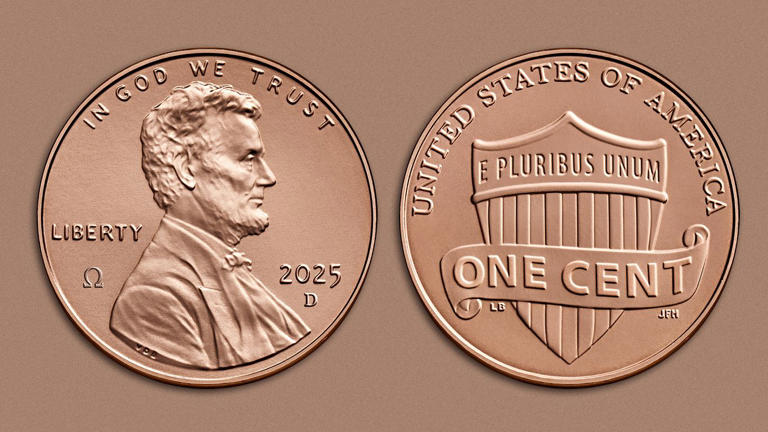
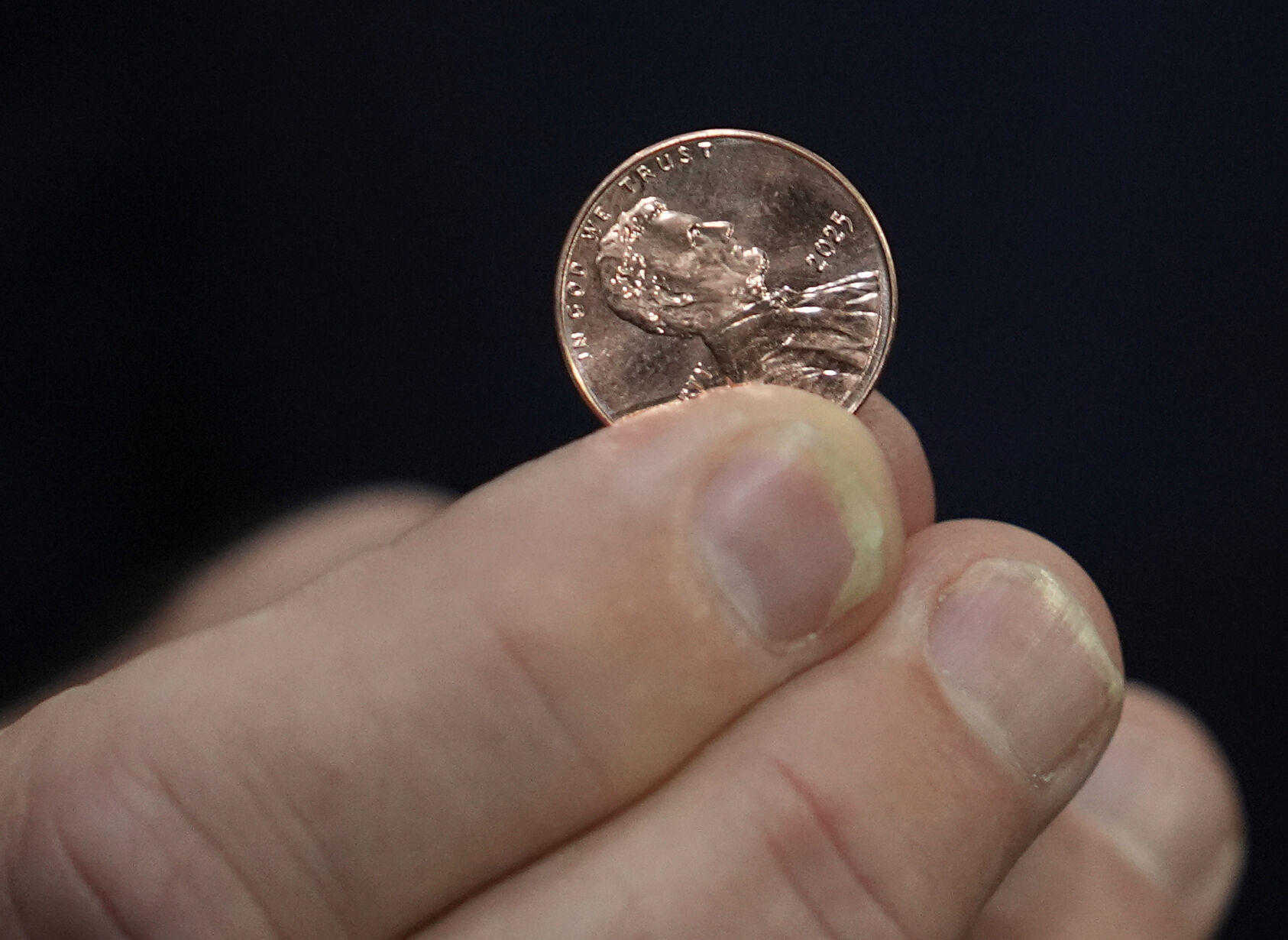
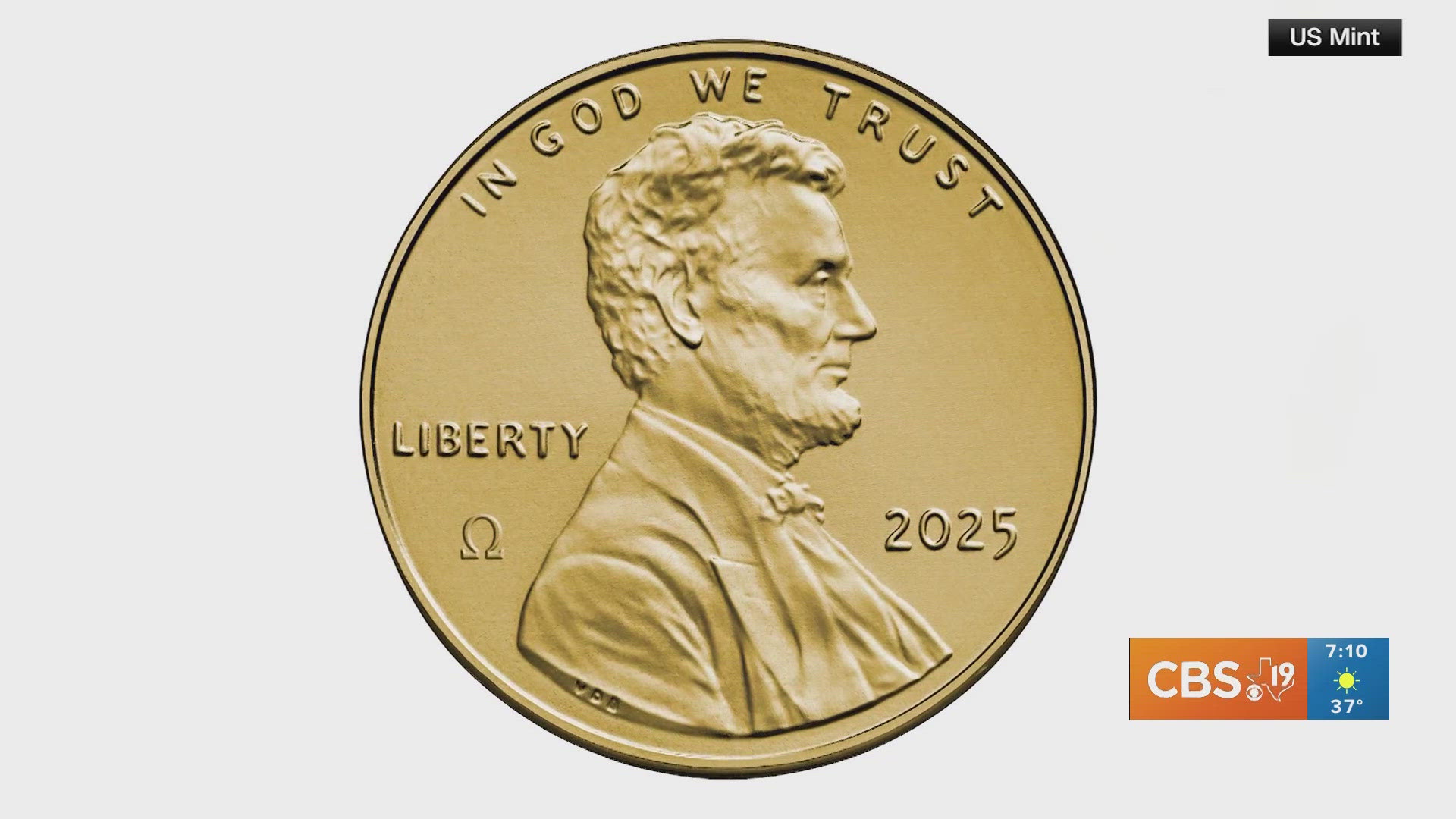
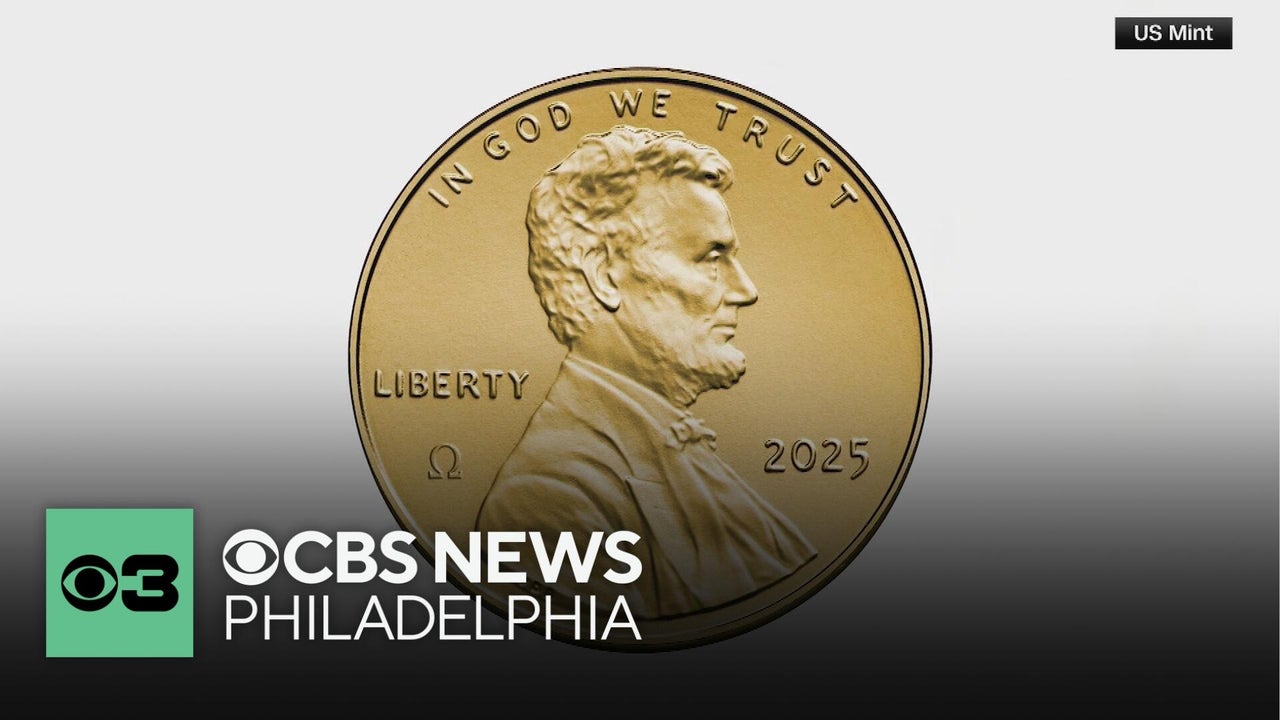
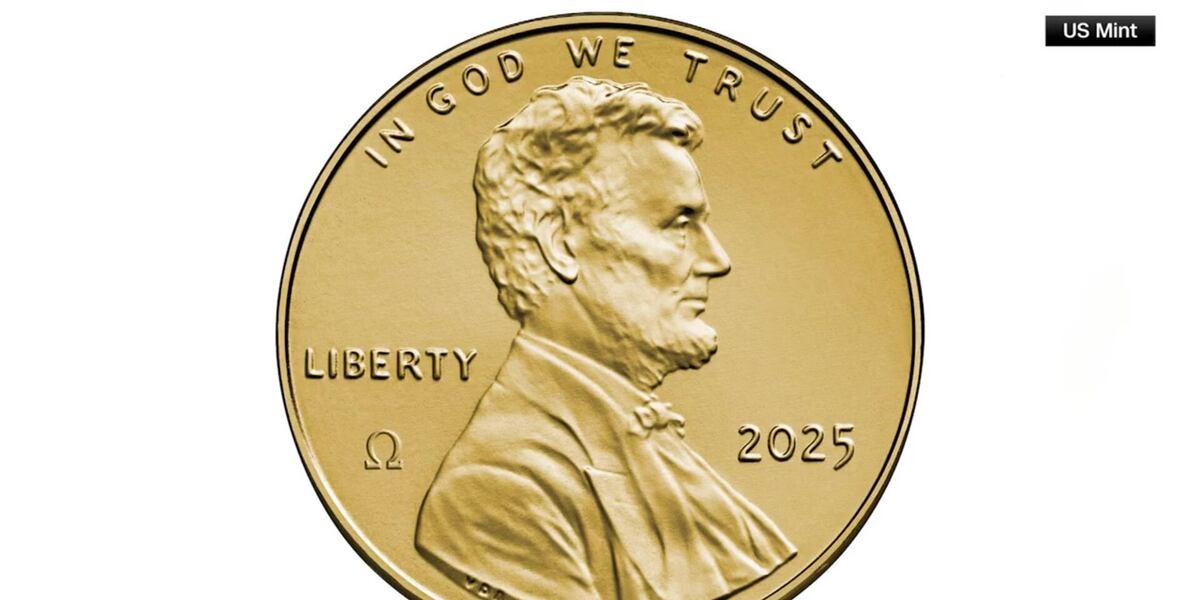
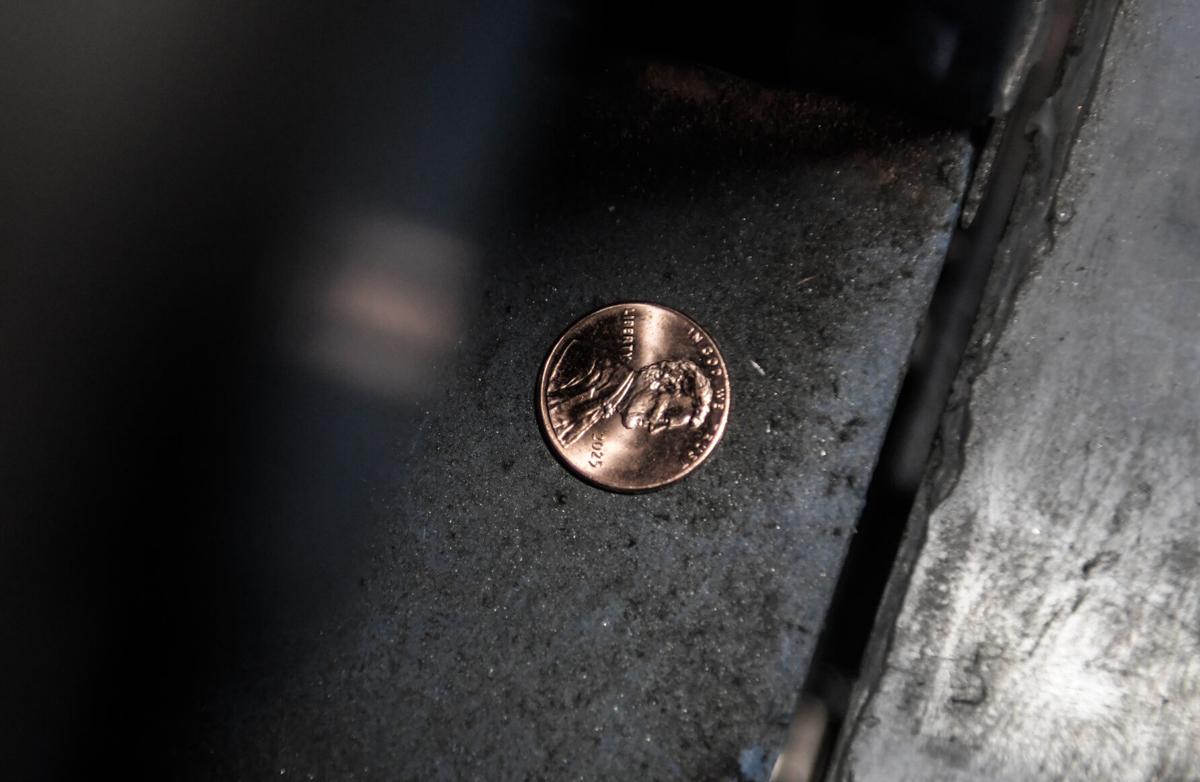
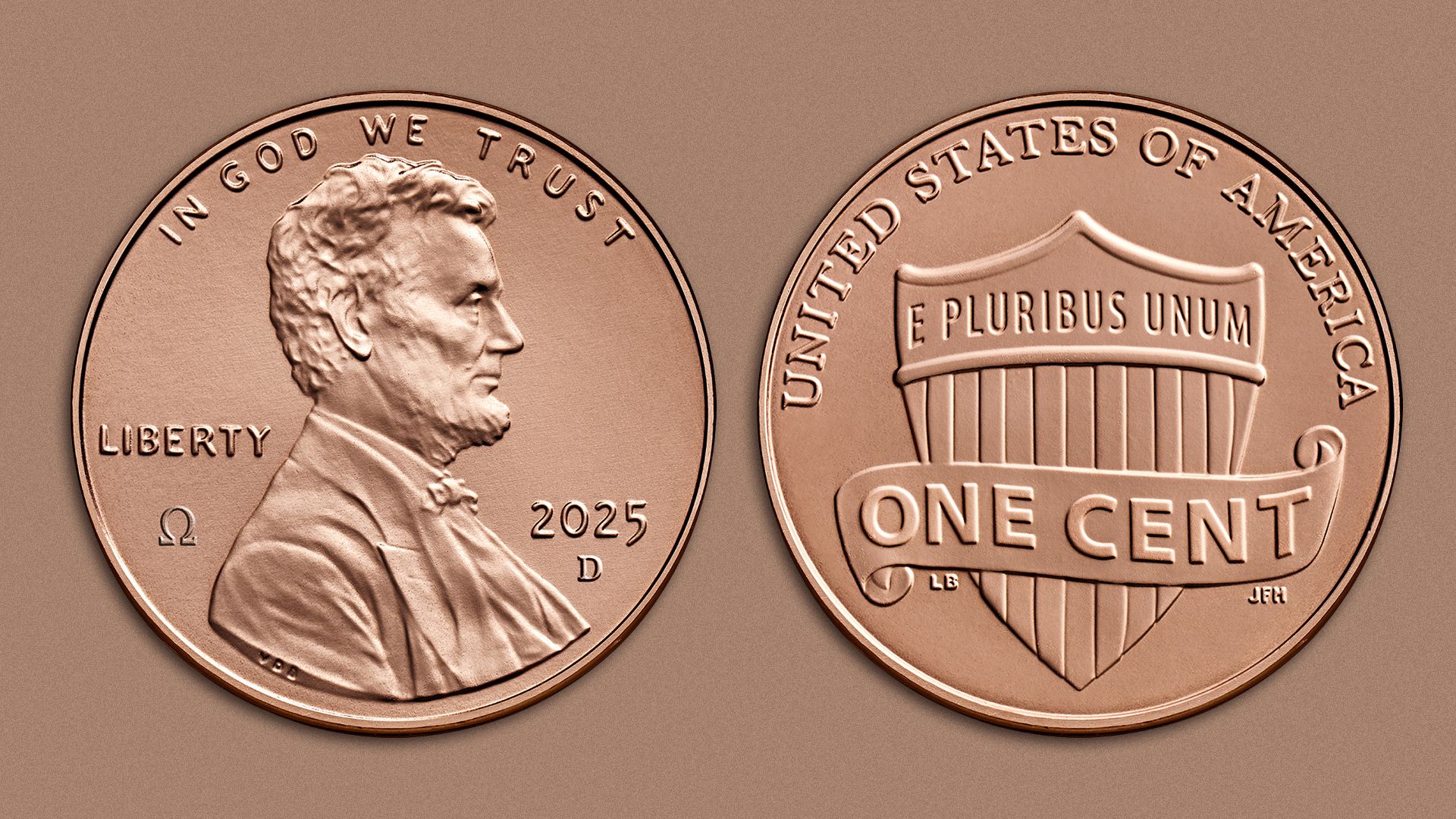
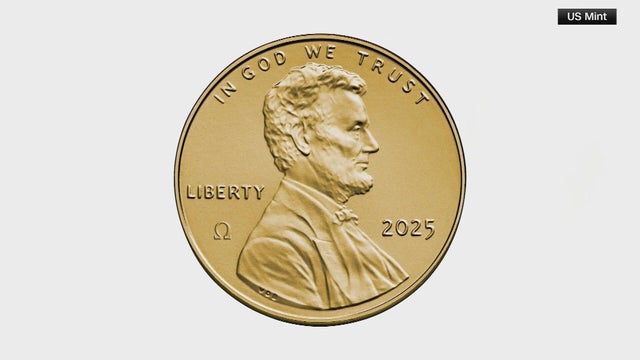
The discontinuation of penny production represents more than a nostalgic monetary milestone—it's a profound economic disruption with far-reaching implications for small businesses. When the U.S. Mint concluded its 232-year penny production run, the financial ecosystem was thrust into an unexpected transformation, revealing the intricate dependencies within cash transaction systems.
The numbers tell a striking story: each penny cost nearly 4 cents to produce, making its discontinuation economically rational. Yet the sudden halt has created substantial operational challenges, particularly for restaurants and retailers. The National Restaurant Association estimates this transition could cost operators $13-14 million monthly, highlighting the microscopic yet critical role of small denomination currency.
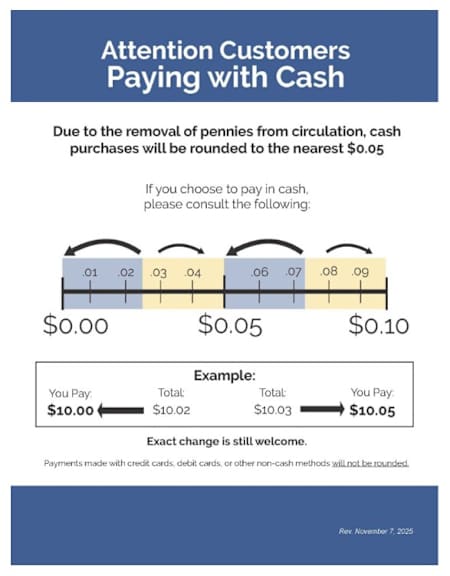
The penny's demise exposes several critical financial vulnerabilities. With over one in four transactions still being cash-based, businesses face significant friction in providing precise change. Local bank depositories and Federal Reserve terminals have rapidly reduced penny circulation, creating a cascading effect of transactional complexity. Restaurant operators are now forced to make challenging decisions—rounding transactions in ways that could erode their already slim 3-5% pre-tax profit margins.
This isn't merely a technical currency adjustment; it's a systemic recalibration of how small businesses manage financial interactions. The Trump administration's decision to halt penny production has inadvertently created a complex regulatory challenge that requires collaborative solutions between the Treasury, Federal Reserve, and industry stakeholders. Congress is actively working on legislation to provide a framework for handling these new transactional realities, signaling the profound economic implications of what initially seemed like a straightforward monetary policy change.
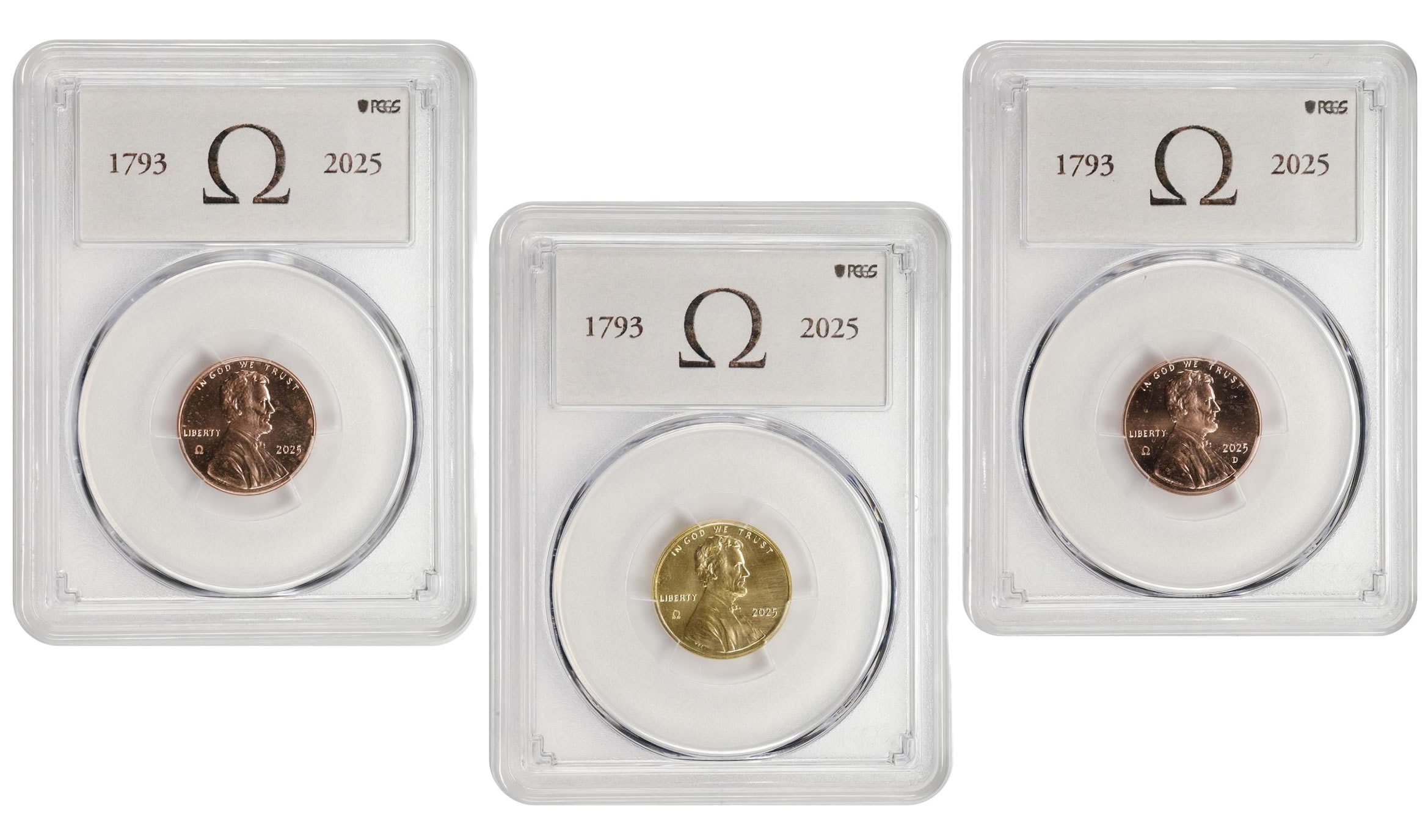
The auction of the final pennies—with sets fetching up to $290,000—symbolizes more than a collectible moment. It represents a cultural and economic transition, marking the end of an era in American monetary history and signaling a broader shift in how we conceptualize currency's fundamental role in daily commerce.
Questions 3
What solutions are being proposed to manage the penny circulation challenge?
The National Restaurant Association is seeking two primary solutions: ensuring nationwide penny circulation through collaboration between the Treasury, Federal Reserve, and coin supply chain, and establishing federal legislation with nationwide rounding rules to provide a safe harbor for business operators.
How will the penny shortage impact restaurant and retail businesses?
Restaurants could lose $13-14 million monthly due to transaction rounding and operational friction. With one in four transactions still cash-based, businesses must adapt to new change-making strategies that could potentially impact their slim 3-5% profit margins.