




EU Energy Stability Unlocks €90B Ukraine Aid | Cross-Border Seller Market Access Expansion
- Geopolitical resolution enables €90B EU liquidity injection to Ukraine, stabilizing Eastern European e-commerce markets and logistics corridors through 2026-2027





















Overview
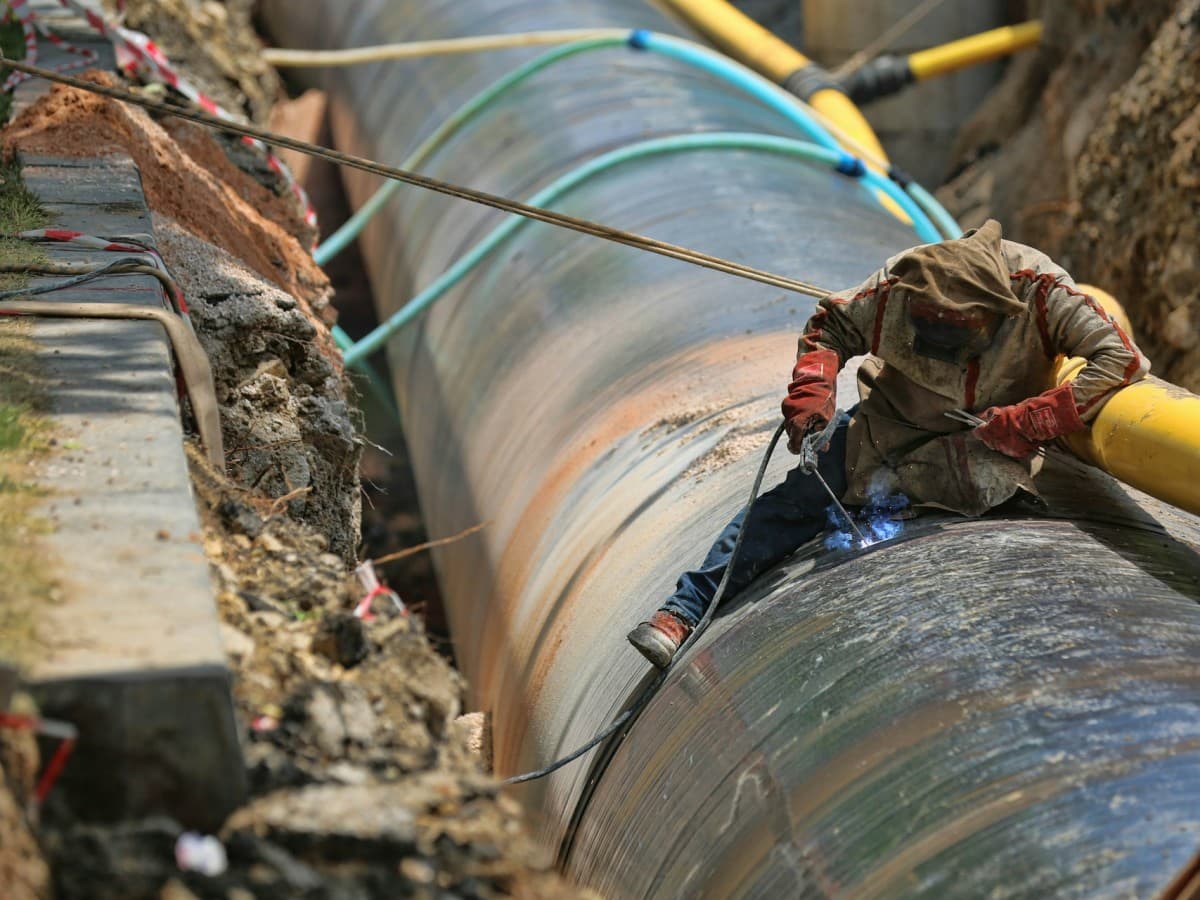
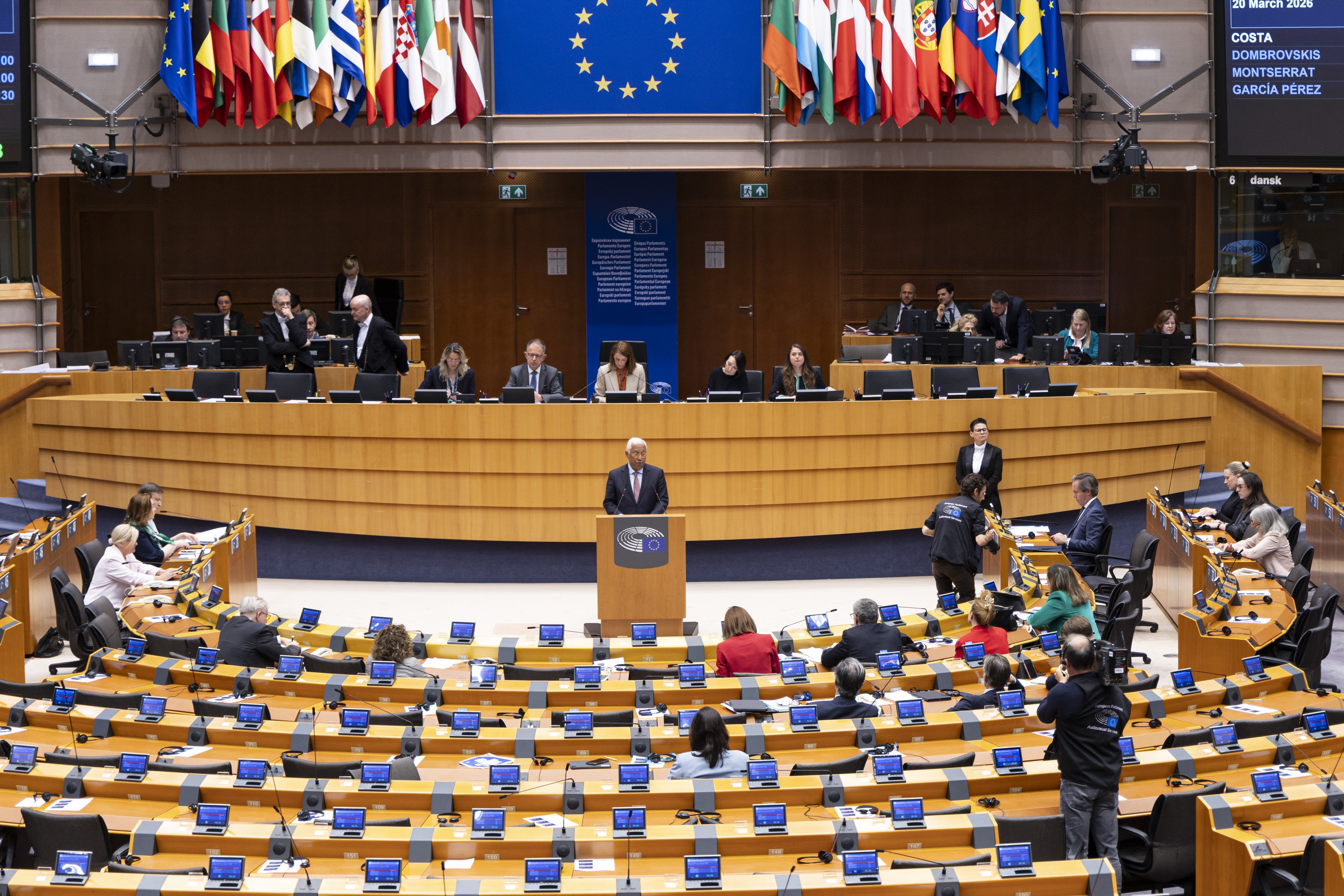
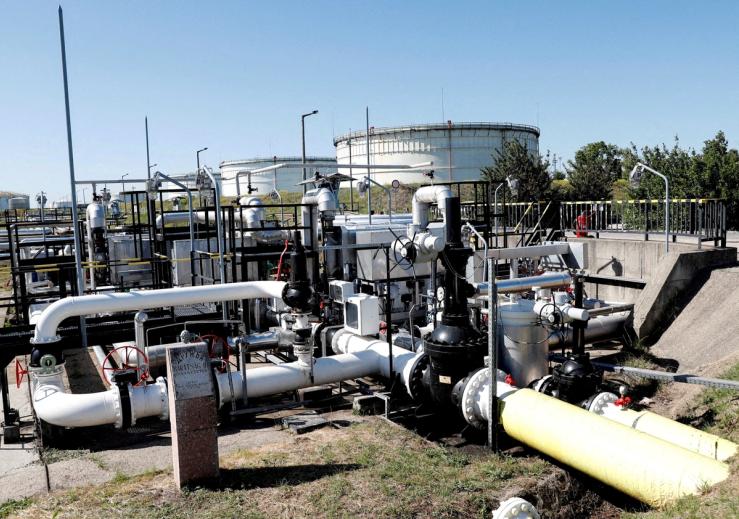
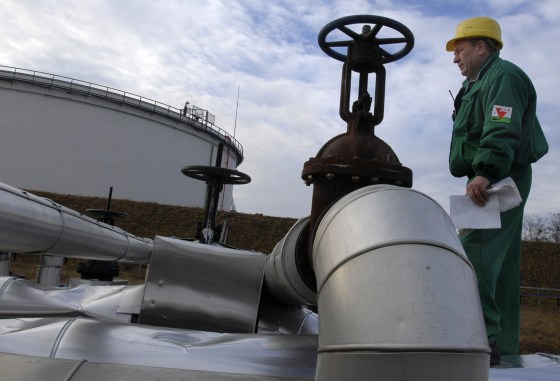
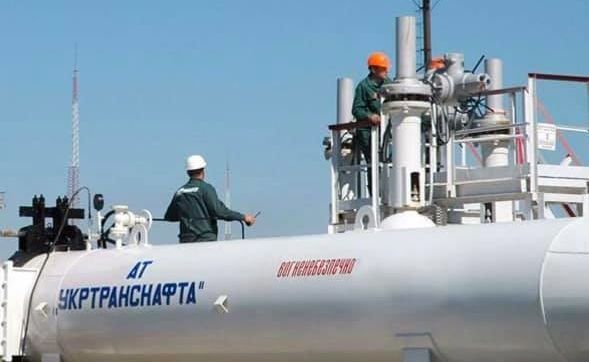
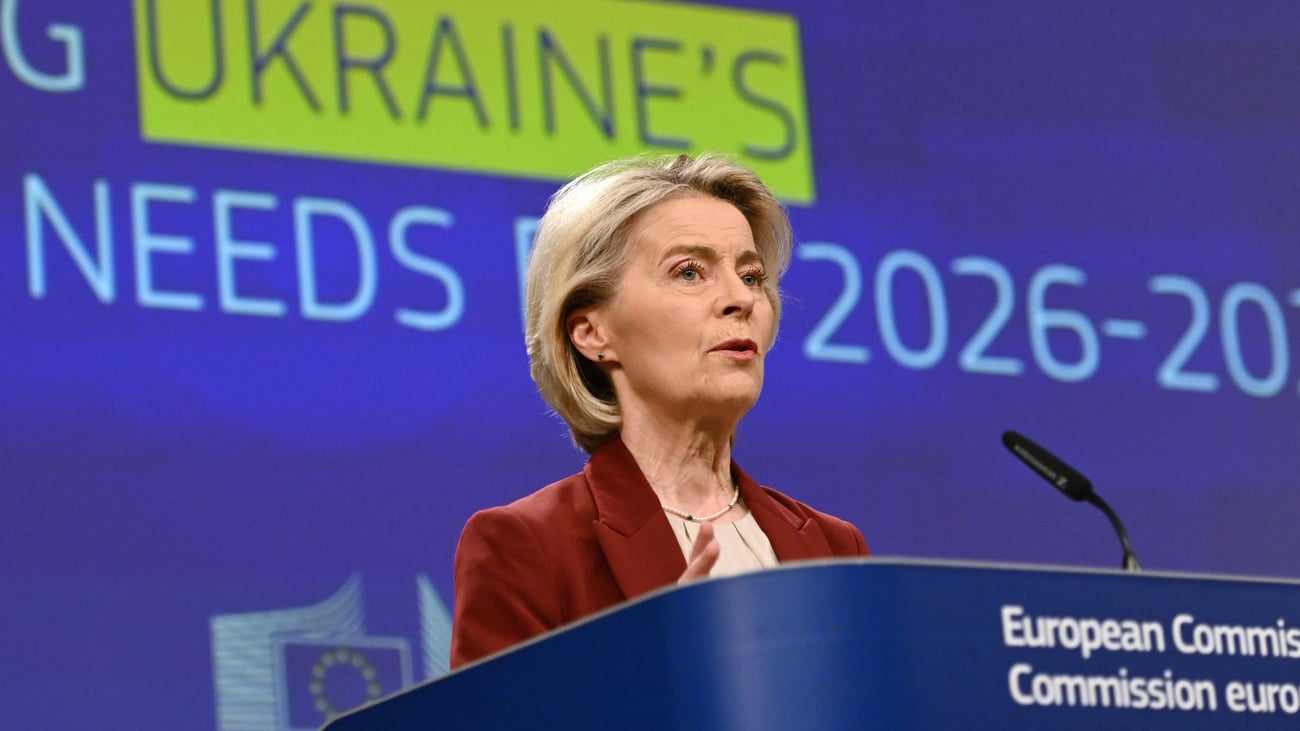
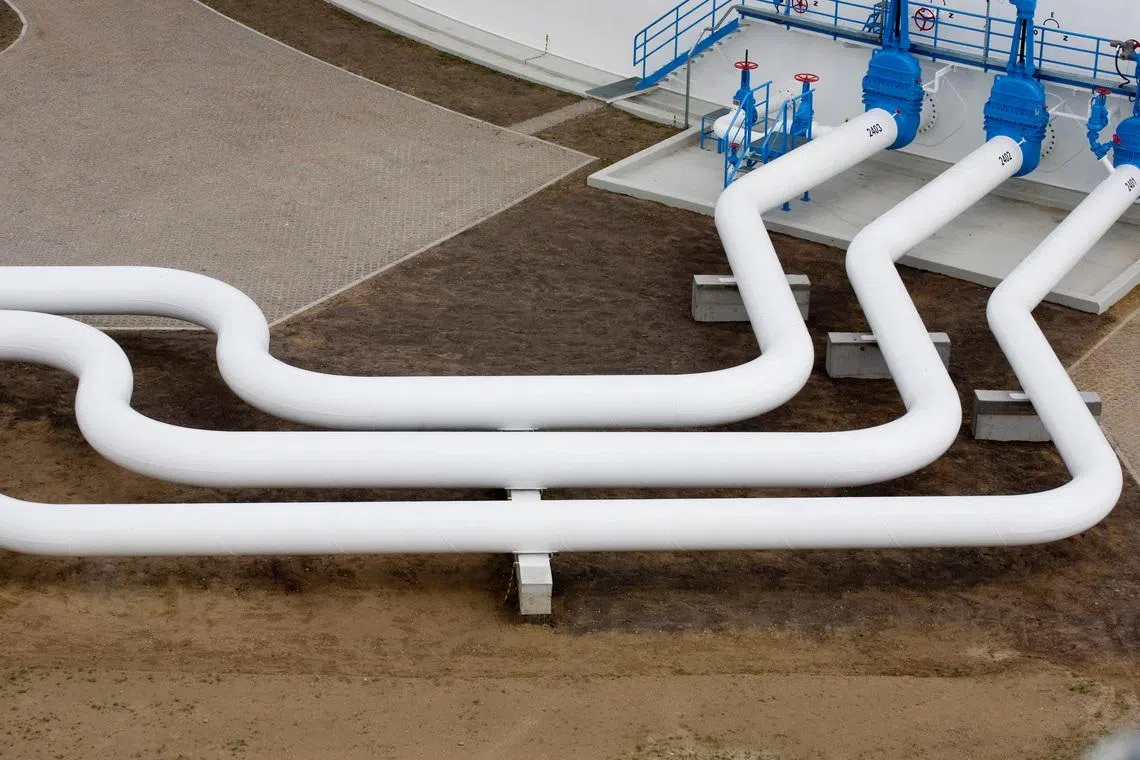
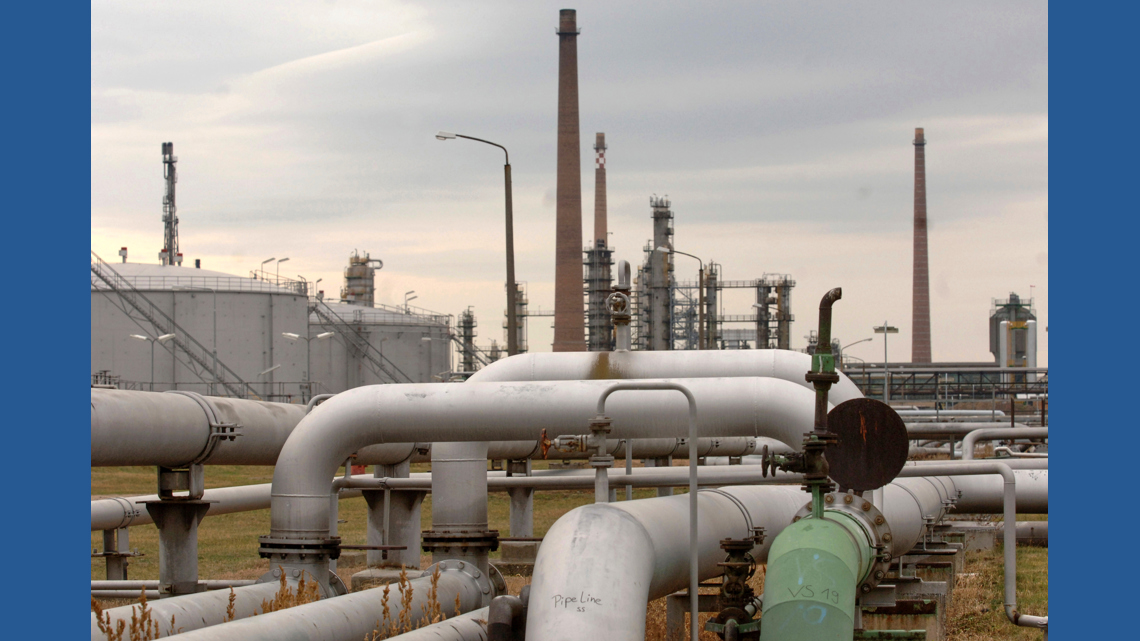
The Druzhba pipeline restart on April 22, 2026, following Viktor Orbán's electoral defeat on April 12, 2026, represents a critical geopolitical inflection point with direct implications for cross-border e-commerce sellers targeting Central and Eastern European markets. The €90 billion ($105.79 billion) EU emergency loan package for Ukraine—unblocked by Hungary's policy reversal—signals stabilized macroeconomic conditions across Hungary, Slovakia, and Ukraine, directly impacting consumer purchasing power, logistics infrastructure reliability, and payment processing stability in these high-growth e-commerce regions.
Market Access & Consumer Spending Expansion: The EU loan injection provides Ukraine with critical liquidity through 2026-2027, enabling consumer spending recovery in a market of 41 million people. For cross-border sellers, this translates to renewed demand in consumer electronics, home goods, and apparel categories where Ukrainian e-commerce penetration remains 30-40% below Western European levels. Hungary and Slovakia, as pipeline transit nations benefiting from restored energy security, face reduced operational costs (energy-intensive logistics, fulfillment center cooling) of 8-15%, creating margin expansion opportunities for sellers using 3PL providers in these regions. The pipeline's typical 1.2-1.4 million barrels daily capacity (with 2 million barrel potential) indicates sustained energy availability, reducing the risk of supply chain disruptions that plagued 2024-2025 operations.
Competitive Positioning & Sourcing Strategy Shifts: The geopolitical resolution favors sellers with established logistics networks in Central Europe. Sellers currently sourcing from Poland, Czech Republic, and Hungary gain competitive advantages through reduced energy costs and improved cross-border shipping reliability. However, Germany's announced cessation of Kazakh crude flows through Druzhba starting May 2026 signals ongoing energy supply fragmentation—sellers should monitor PCK Schwedt refinery impacts on German fulfillment center operations and adjust inventory positioning accordingly. The political transition (Peter Magyar's Tisza party assuming office) suggests 6-12 months of policy stabilization, creating a window for sellers to establish regional distribution networks before potential future disruptions.
Risk Mitigation & Compliance Considerations: While the pipeline restart reduces geopolitical risk, Western sanctions on Russian energy remain in effect, meaning current flows operate at "a fraction of capacity" per the news. Sellers should maintain diversified logistics routes and avoid over-concentration in single Central European fulfillment centers. Payment processing stability improves with Ukraine's liquidity injection, reducing currency volatility and transaction failure rates that plagued 2024-2025. Monitor Hungary's new government policy trajectory (May 2026 onwards) for potential regulatory changes affecting VAT compliance, customs procedures, and seller registration requirements in this key EU transit market.
Questions 8
How can sellers leverage the 6-12 month policy stabilization window in Central Europe?
The period between Peter Magyar's May 2026 government transition and Q4 2026 represents an optimal window for market entry and expansion in Hungary, Slovakia, and Ukraine. Sellers should: (1) Establish regional distribution networks and 3PL partnerships before potential future policy changes, (2) Invest in VAT compliance infrastructure and customs documentation systems, (3) Launch marketing campaigns targeting renewed consumer confidence from EU liquidity injection, (4) Negotiate long-term fulfillment agreements with Central European 3PL providers at favorable rates (before energy costs potentially increase), (5) Develop product localization strategies for Hungarian and Slovak markets. This window closes by Q1 2027 when new government policies stabilize. Sellers who establish market presence during this period gain first-mover advantages and lower operational costs compared to late entrants.
Which product categories should sellers prioritize for Central European market expansion post-pipeline restart?
The stabilized energy supply and EU liquidity injection create demand spikes in energy-intensive product categories and consumer discretionary goods. Sellers should prioritize: (1) Consumer electronics (30-40% margin potential, high demand in Ukraine/Hungary), (2) Home appliances and HVAC systems (benefiting from improved energy availability), (3) Apparel and fashion (40-50% margin, 25-35% growth in Central Europe), (4) Home goods and furniture (seasonal Q3-Q4 demand, 35-45% margins). Energy-intensive categories like electronics benefit from 8-15% cost reductions in fulfillment operations. Avoid oversupply in German-based inventory through May 2026 due to Kazakh oil flow cessation. Launch marketing campaigns targeting Hungarian and Slovak consumers in April-May 2026 to capitalize on improved payment processing stability and consumer confidence.