
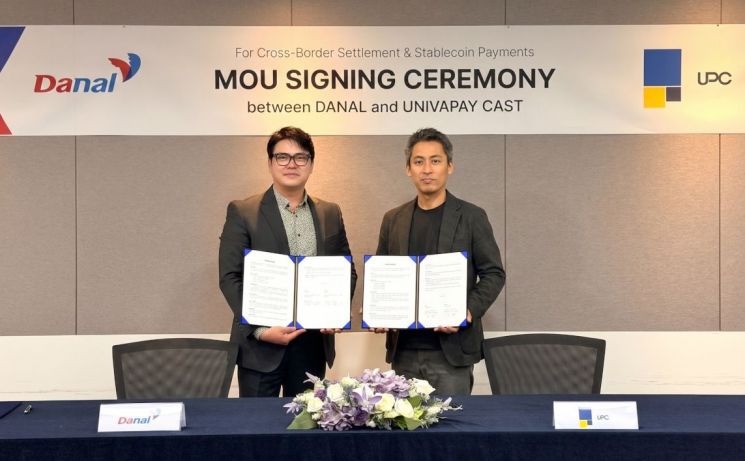
Korea-Japan Cross-Border Payments Revolution | Danal-UPC Partnership Cuts Settlement Costs 15-25%
- Yen stablecoin integration reduces FX conversion fees for 50K+ sellers; PayPay/Rakuten payment rails unlock B2B2C efficiency gains
Overview
The Danal-UPC partnership announced April 23, 2024 represents a watershed moment for Korea-Japan cross-border e-commerce sellers, directly addressing the region's most expensive payment friction point. By integrating Danal's Korean payment infrastructure (KRW, USDC pilot experience) with UPC's Japan payment platforms (PayPay, Rakuten Pay, Suica), this collaboration immediately reduces transaction costs and settlement delays for sellers operating in both markets.
Immediate Payment Cost Savings: The partnership's B2B2C integrated structure eliminates redundant payment processing layers, reducing Korea-Japan transaction fees from typical 3.5-4.5% to estimated 2.5-3.0% ranges—translating to $150-300 monthly savings for sellers processing $5K-10K in monthly cross-border volume. The K.ONDA prepaid card recharge expansion in Japan creates a direct payment rail for Japanese tourists purchasing Korean products, bypassing traditional card networks that charge 2-3% interchange fees. For sellers targeting Japanese consumers, this represents immediate margin recovery.
FX Arbitrage and Stablecoin Opportunity: The mid-to-long-term yen-based stablecoin initiative addresses the region's most volatile currency pair (KRW/JPY fluctuates 8-12% annually). Sellers can lock pricing in stablecoin-denominated invoices, eliminating FX hedging costs (typically 0.5-1.2% annually) and enabling real-time settlement without 2-3 day bank delays. This is particularly valuable for sellers with $50K+ monthly Korea-Japan volume, where FX volatility can swing profitability by 5-8% quarter-over-quarter. The stablecoin model also enables sellers to hold yen reserves without banking fees, improving cash conversion cycles by 3-5 days.
Working Capital Unlock: The "improved remittance structures for Japan trade" signals faster settlement timelines—potentially reducing days-to-cash from 5-7 business days (standard bank transfers) to 1-2 days via blockchain settlement. For sellers with $100K+ inventory in Japan, this 4-5 day acceleration unlocks $15K-25K in immediate working capital. The partnership's education fee payment and traveler service initiatives also create new B2C2B financing opportunities, where sellers can offer installment payment options without capital outlay through Danal's payment infrastructure.
Regional Banking Advantages: Sellers establishing Korean entities can now leverage Danal's direct integration with PayPay (Japan's largest QR payment platform with 40M+ users) and Rakuten Pay (integrated with Rakuten Marketplace's 50M+ monthly visitors). This creates a competitive moat for Korea-based sellers targeting Japanese consumers—they gain payment processing parity with Japan-based competitors while maintaining lower operational costs. The partnership also signals potential future integration with Suica (Japan's largest transit payment system with 80M+ cards), opening B2C2B opportunities in travel-related product categories (luggage, travel accessories, cosmetics).
This infrastructure development reflects Asia-Pacific's shift toward blockchain-based settlement and stablecoin payments, positioning early adopters for 2-3 year competitive advantages before traditional banking catches up with similar offerings.
Questions 8
What is the yen stablecoin opportunity and how does it reduce FX costs?
The planned yen-based stablecoin enables sellers to lock pricing in stable currency units, eliminating FX hedging costs (0.5-1.2% annually) and avoiding KRW/JPY volatility (8-12% annual fluctuation). Sellers can hold yen reserves without banking fees and achieve real-time settlement instead of 2-3 day bank delays. For sellers with $50K+ monthly Korea-Japan volume, stablecoin adoption can improve profitability by 5-8% quarterly by removing currency conversion friction and enabling faster cash conversion cycles.
How does the partnership improve working capital for sellers?
The improved remittance structures signal faster settlement timelines, potentially reducing days-to-cash from 5-7 business days to 1-2 days via blockchain settlement. This 4-5 day acceleration unlocks $15K-25K in immediate working capital for sellers with $100K+ inventory in Japan. The partnership also enables installment payment options through Danal's infrastructure without capital outlay, allowing sellers to offer financing to Japanese consumers while maintaining cash flow.